Population Growth Trends in Indonesia (1990-2023)
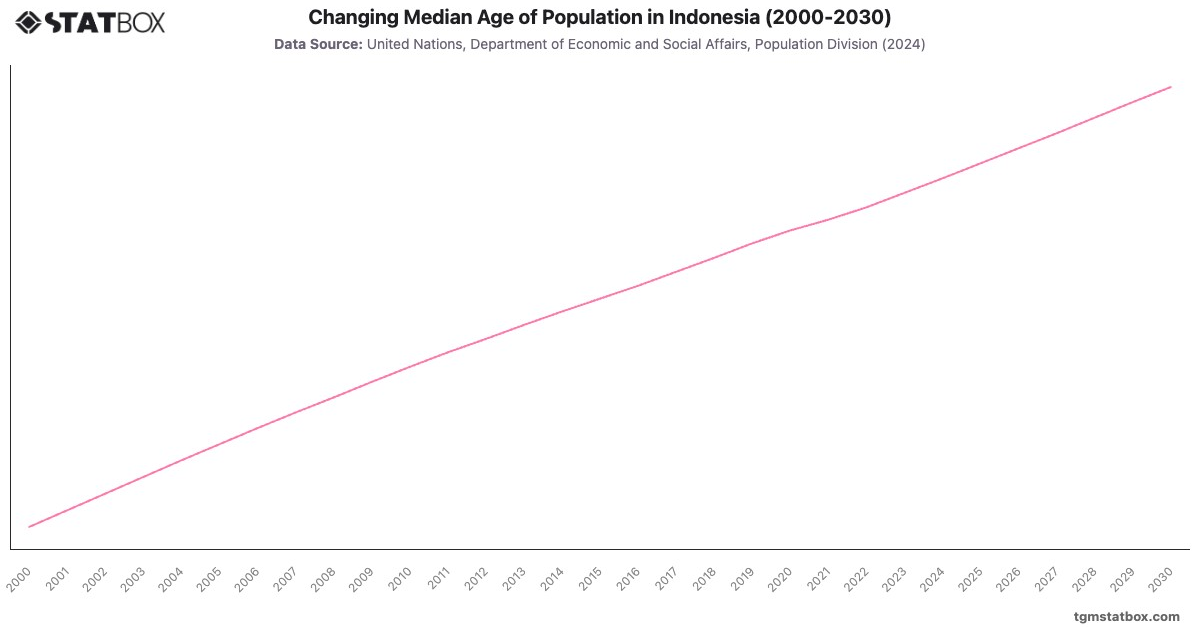
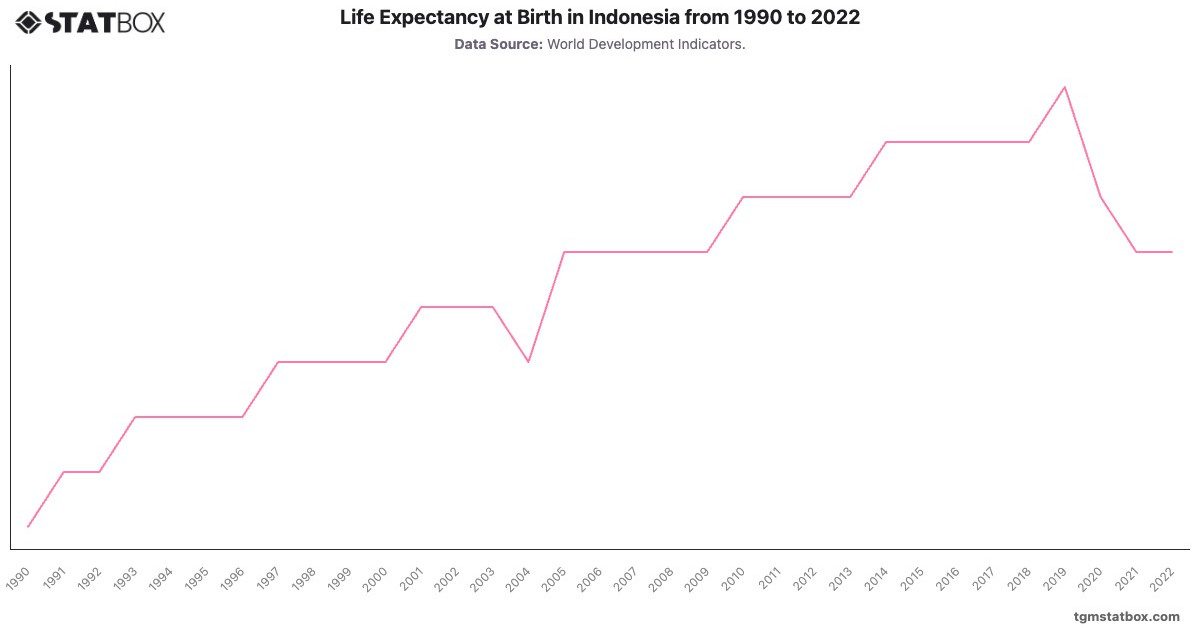
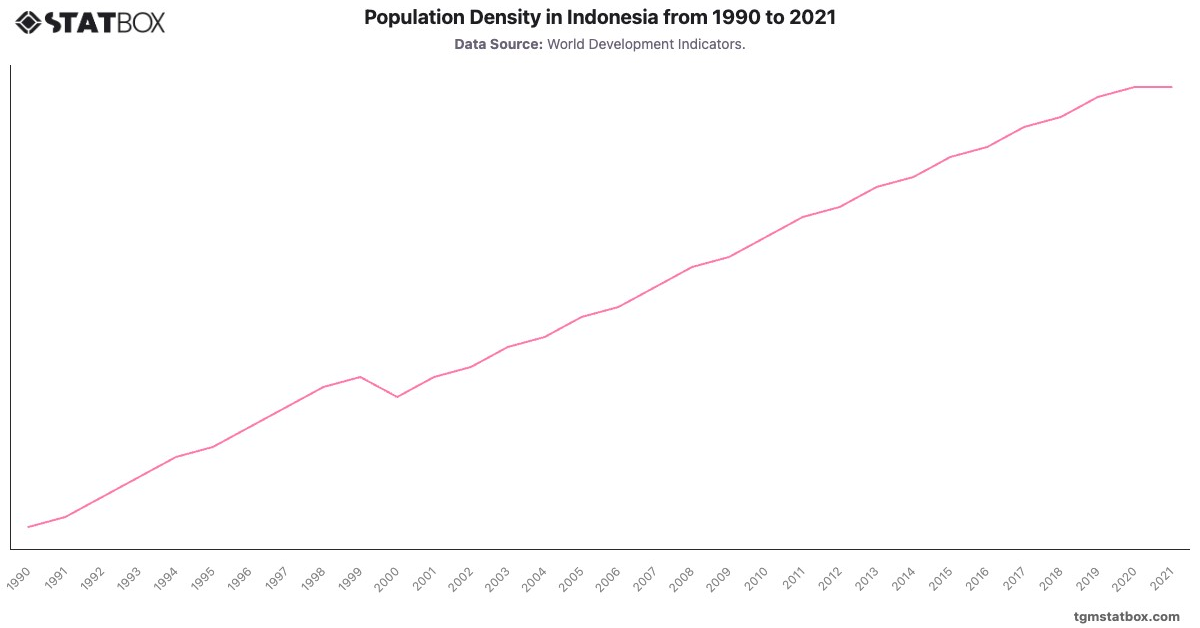
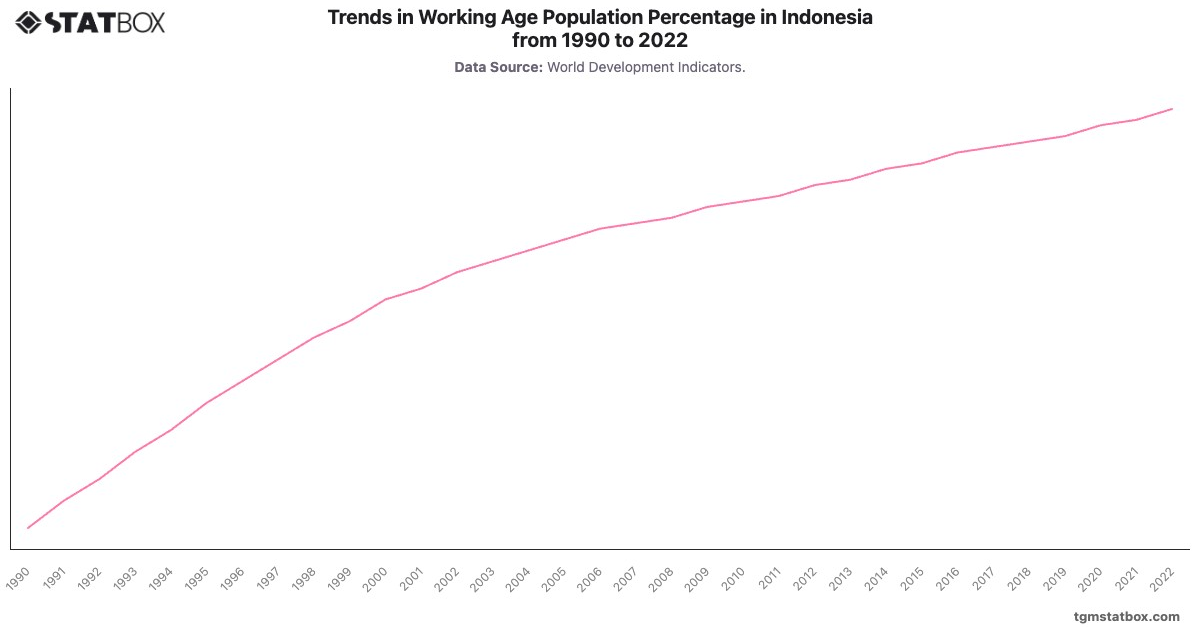
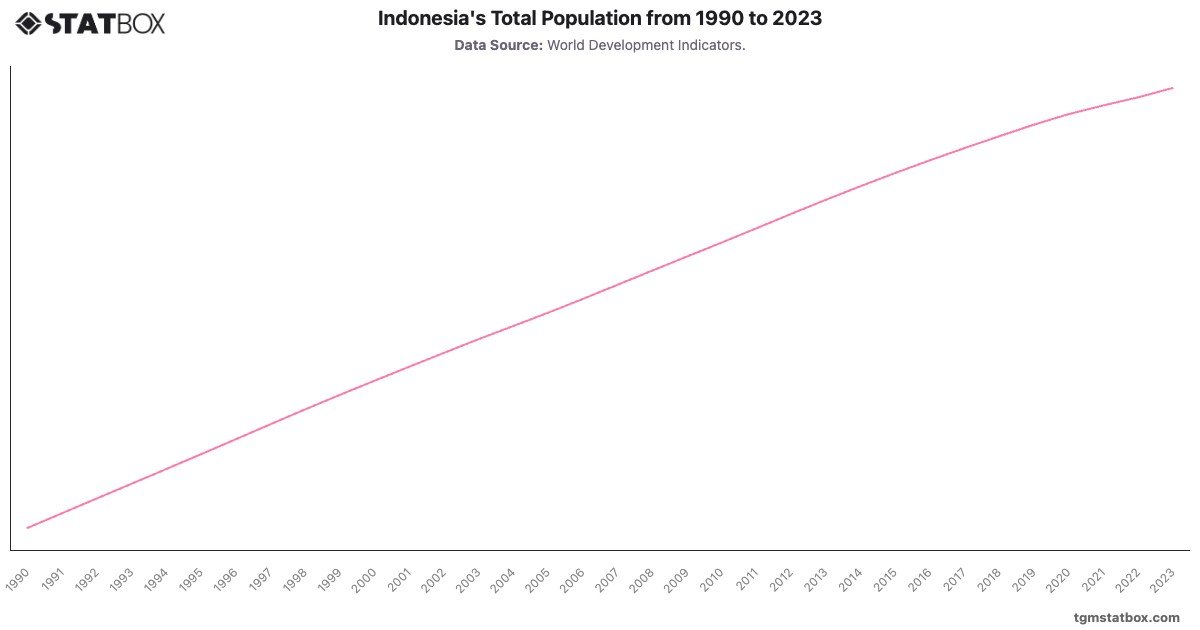
Indonesia’s population grew significantly from around 182 million in 1990 to approximately 277 million by 2023. Early growth was driven by high birth rates, with annual increases averaging around 3 million throughout the 1990s. Population momentum remained strong into the 2000s, as improvements in healthcare and life expectancy supported population expansion. The rise of urbanization and economic development in recent decades contributed to gradual decreases in birth rates; however, Indonesia’s population growth remains robust due to its large base. By the 2010s, growth started to decelerate slightly, reflecting government efforts to encourage smaller family sizes and urbanization trends reducing fertility rates. Despite these changes, Indonesia’s population continues to grow steadily, supported by a youthful demographic and continued advancements in healthcare.
Indonesia’s population grew significantly from around 182 million in 1990 to approximately 277 million by 2023. Early growth was driven by high birth rates, with annual increases averaging around 3 million throughout the 1990s. Population momentum remained strong into the 2000s, as improvements in healthcare and life expectancy supported population expansion. The rise of urbanization and economic development in recent decades contributed to gradual decreases in birth rates; however, Indonesia’s population growth remains robust due to its large base. By the 2010s, growth started to decelerate slightly, reflecting government efforts to encourage smaller family sizes and urbanization trends reducing fertility rates. Despite these changes, Indonesia’s population continues to grow steadily, supported by a youthful demographic and continued advancements in healthcare.
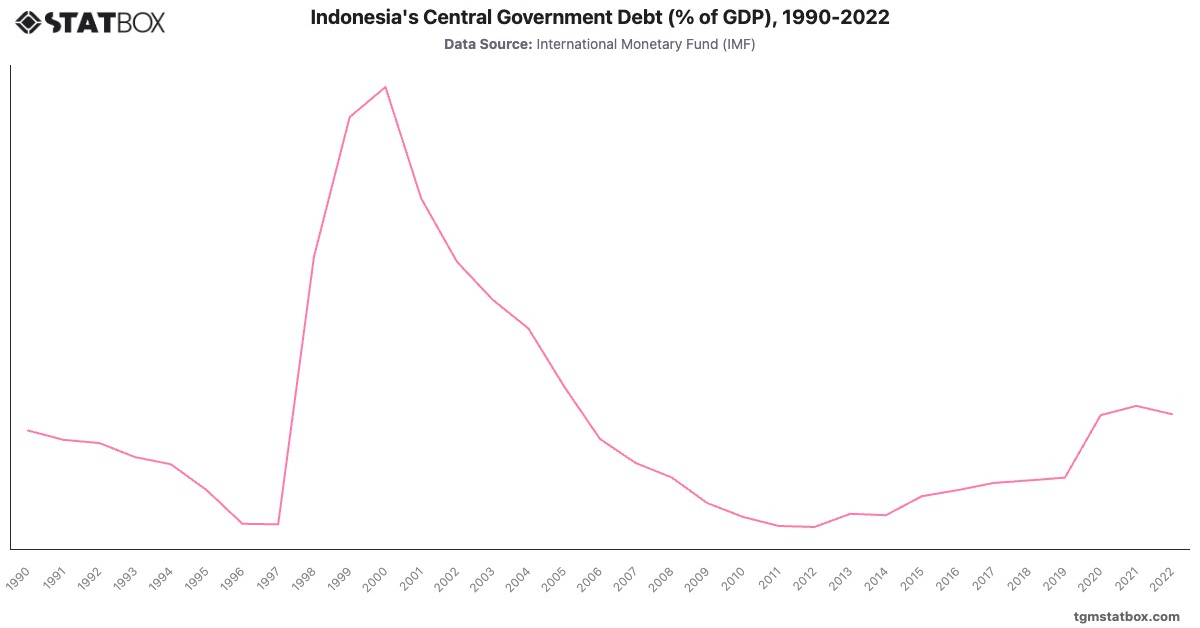
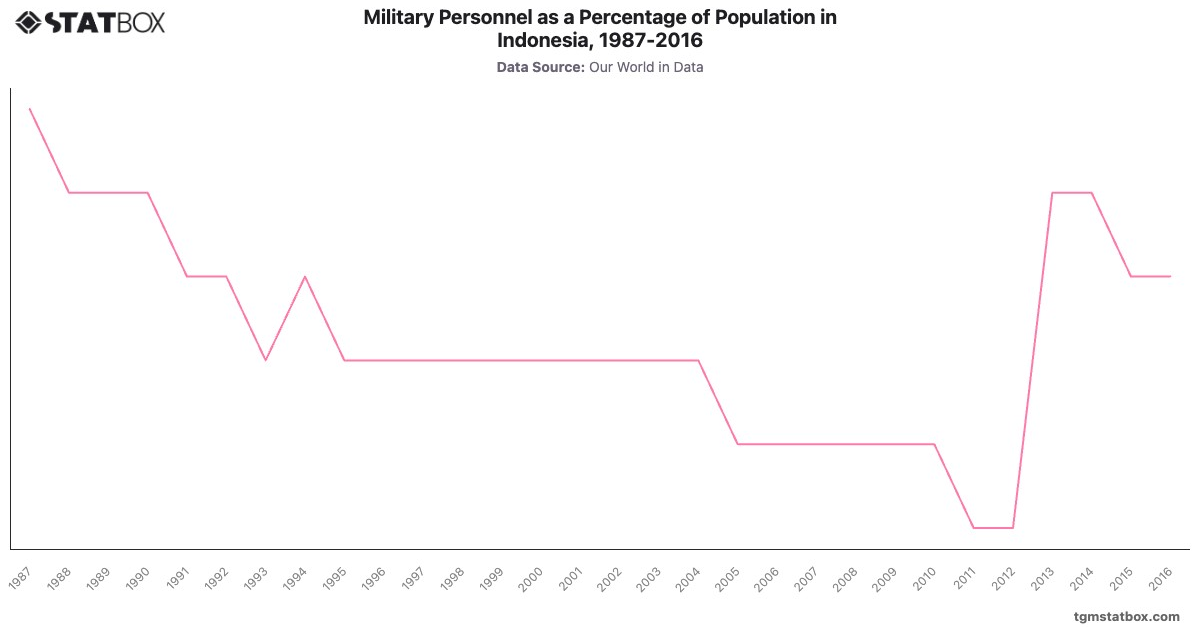
Find out more through related statistics on Indonesia’s government debt-to-GDP ratio, Indonesia’s urbanization increase, Indonesia’s military personnel rate.