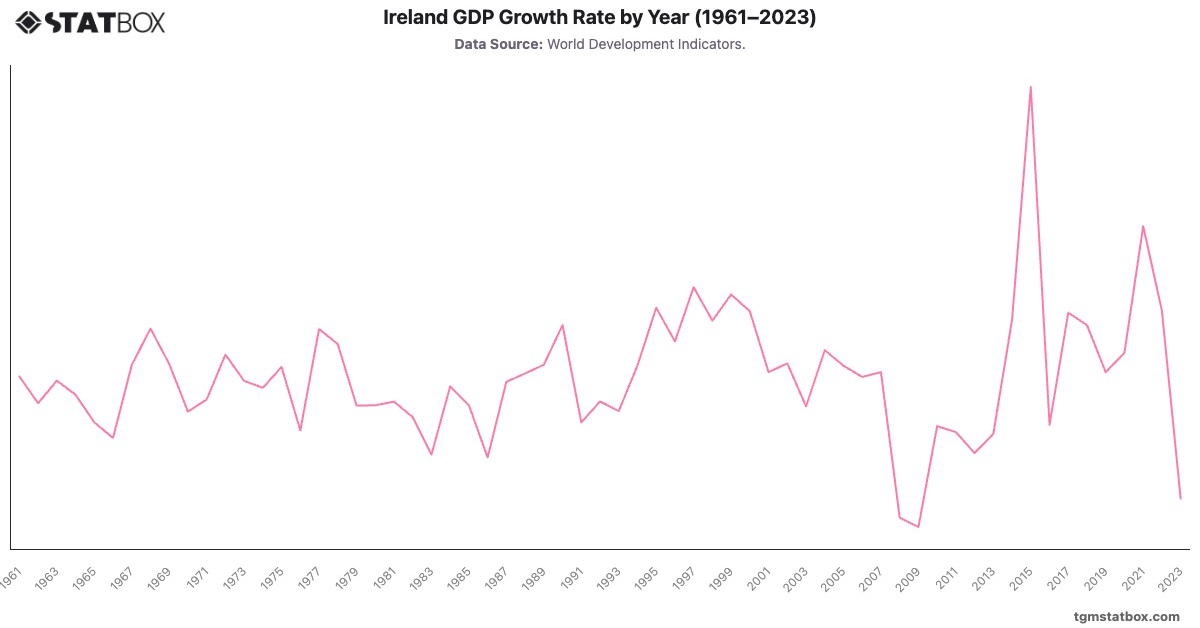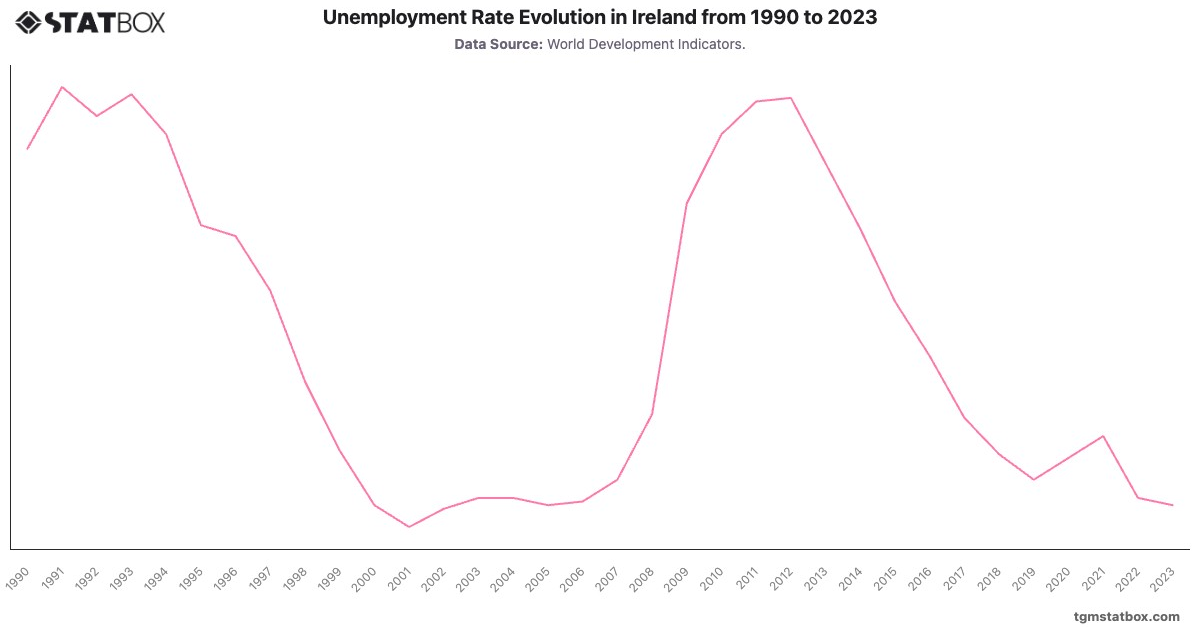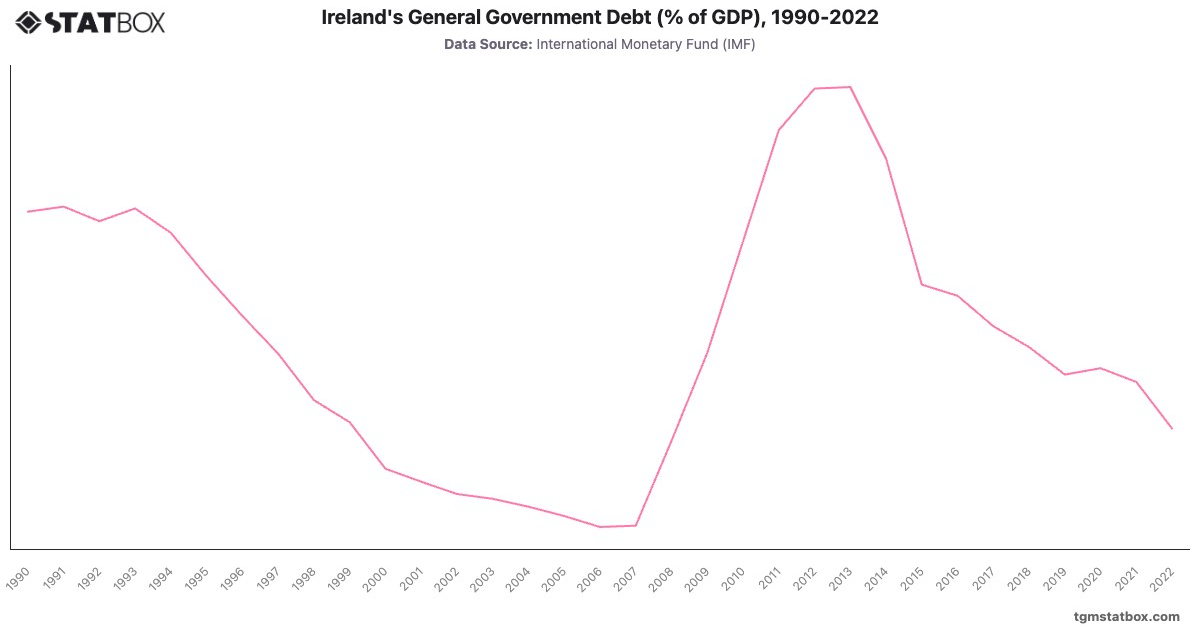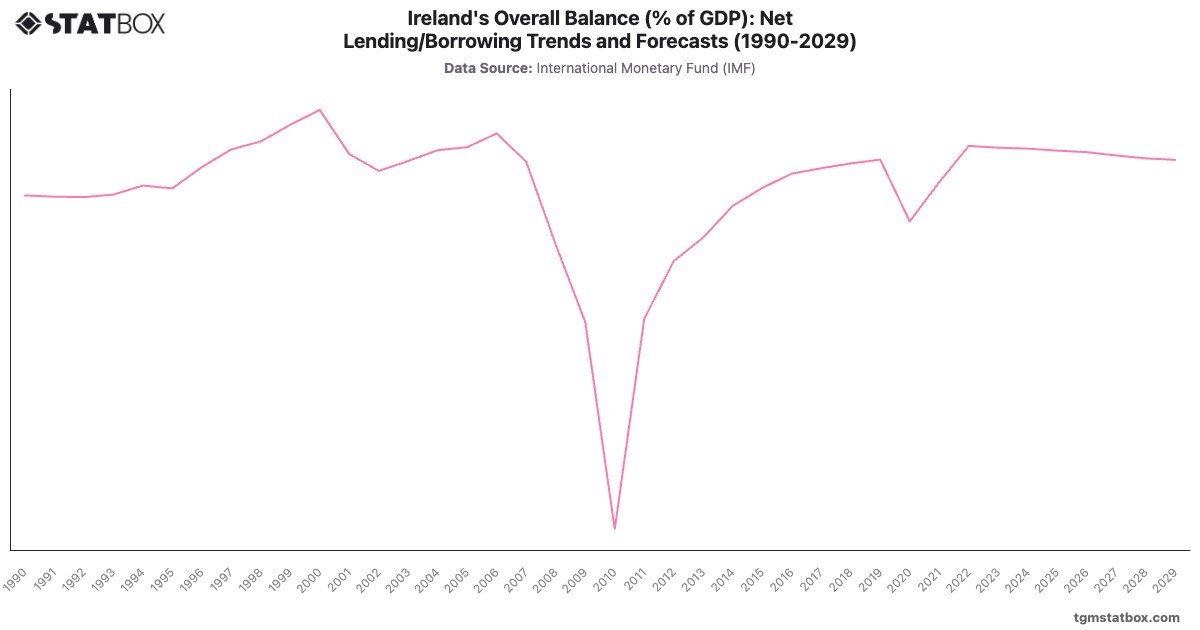
Ireland's fiscal balance has undergone significant shifts, reflecting both economic growth and external shocks. The 1990s marked a steady improvement in fiscal health, transitioning from a deficit of - in 1990 to surpluses by 1997, peaking at in 2000. This fiscal strength was driven by robust economic growth during the "Celtic Tiger" era, underpinned by foreign direct investment and a booming tech sector.
However, the global financial crisis of 2008 led to a dramatic reversal. The deficit ballooned to - in 2010, one of the highest globally, largely due to the banking sector bailout and collapsing revenues. Recovery efforts over the following decade saw consistent deficit reductions, with the fiscal balance returning to a surplus of by 2019. The COVID-19 pandemic caused another setback in 2020, with a deficit of -, but Ireland’s strong economic fundamentals facilitated a swift recovery.
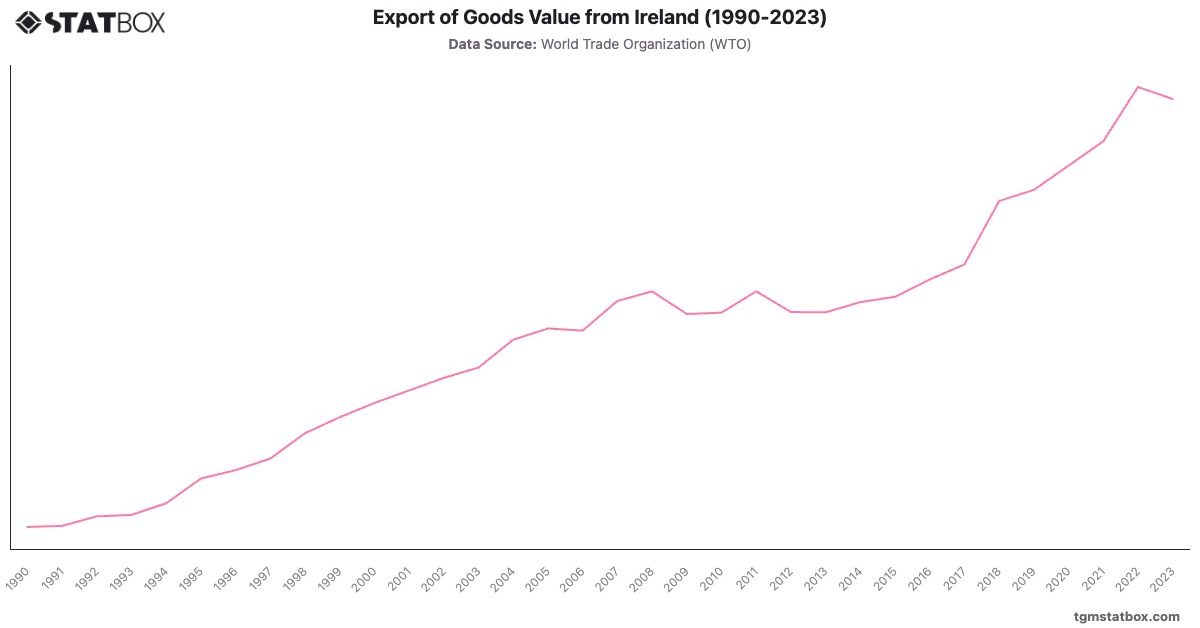
Looking ahead, forecasts project sustained surpluses from 2022 onward, stabilizing at by 2029. This reflects continued economic resilience, prudent fiscal management, and the benefits of a diversified, export-driven economy.
However, the global financial crisis of 2008 led to a dramatic reversal. The deficit ballooned to - in 2010, one of the highest globally, largely due to the banking sector bailout and collapsing revenues. Recovery efforts over the following decade saw consistent deficit reductions, with the fiscal balance returning to a surplus of by 2019. The COVID-19 pandemic caused another setback in 2020, with a deficit of -, but Ireland’s strong economic fundamentals facilitated a swift recovery.
Looking ahead, forecasts project sustained surpluses from 2022 onward, stabilizing at by 2029. This reflects continued economic resilience, prudent fiscal management, and the benefits of a diversified, export-driven economy.