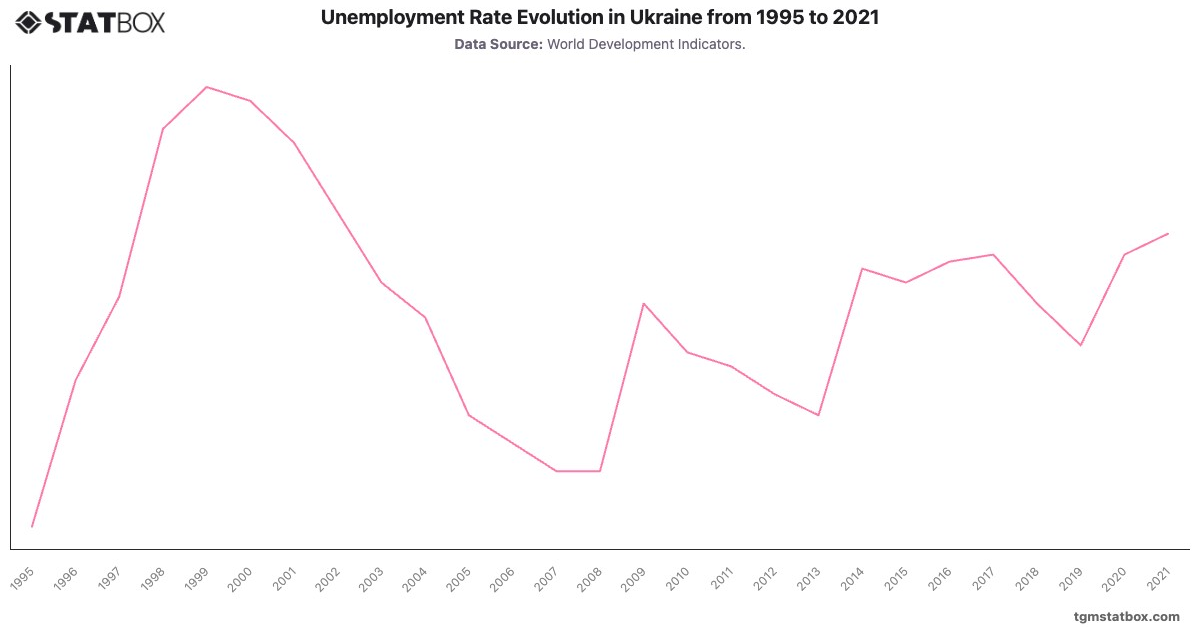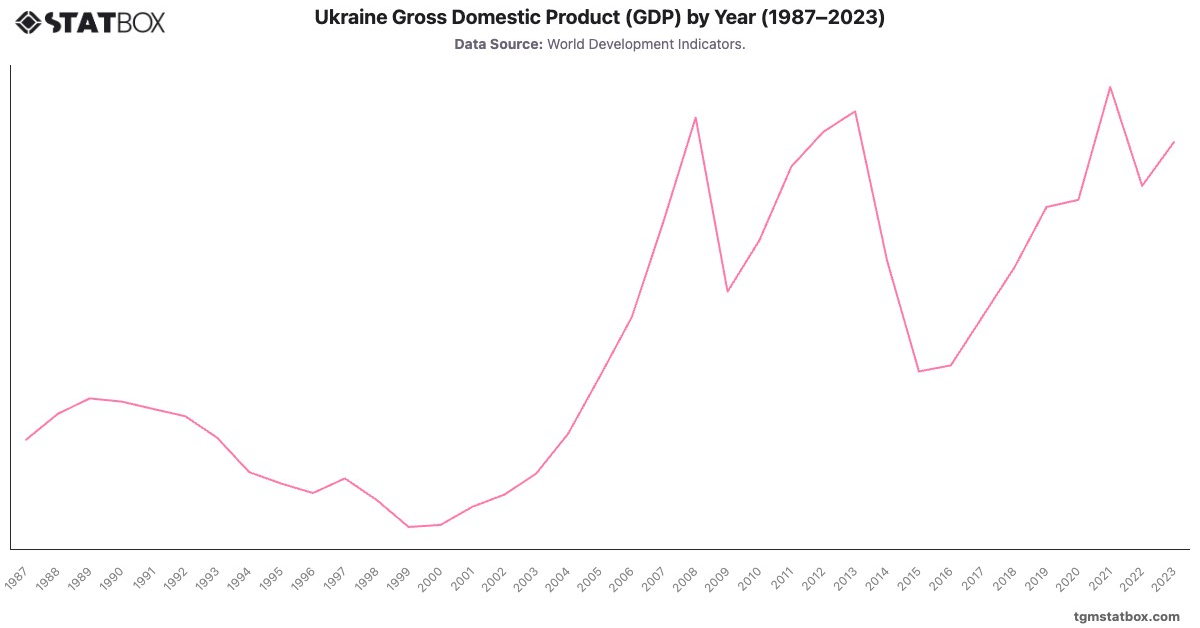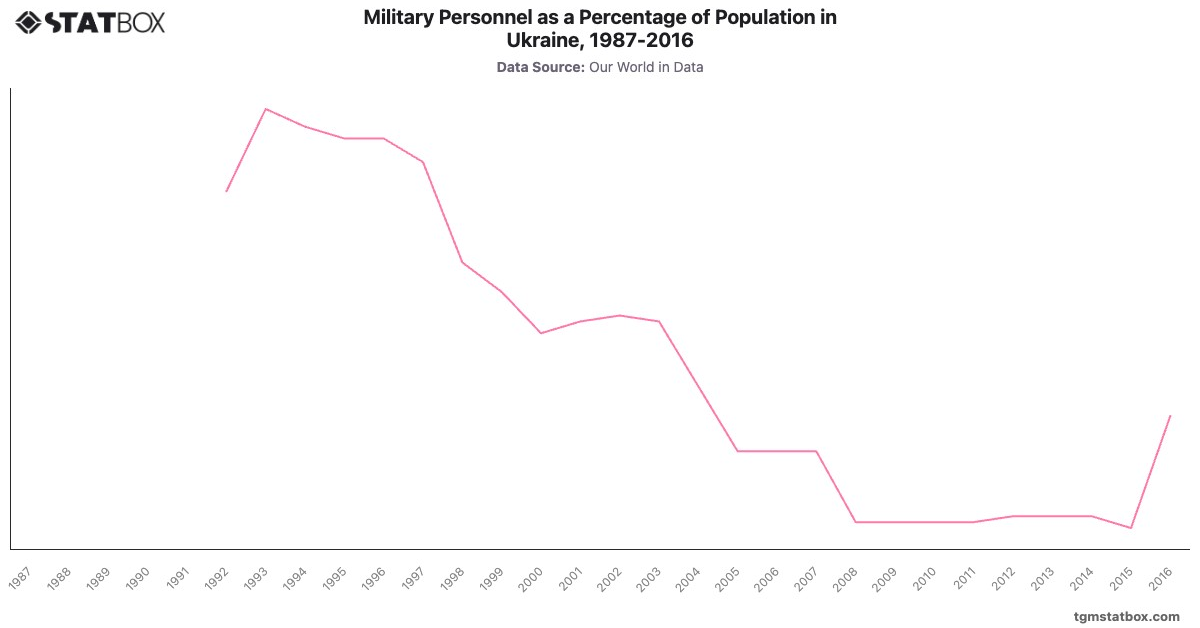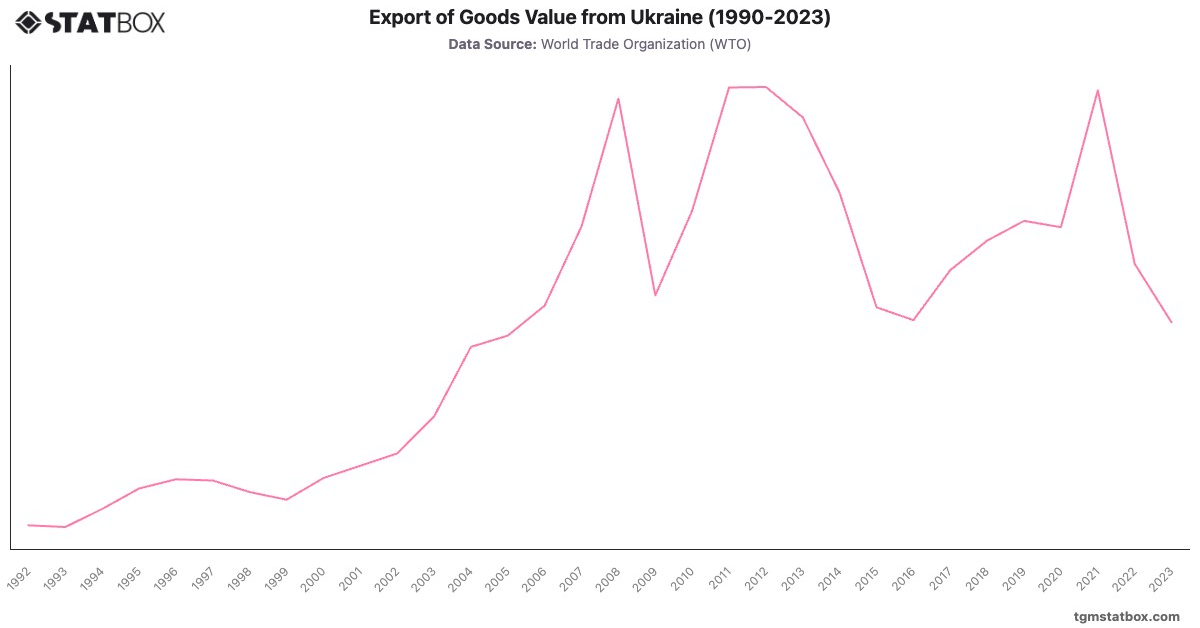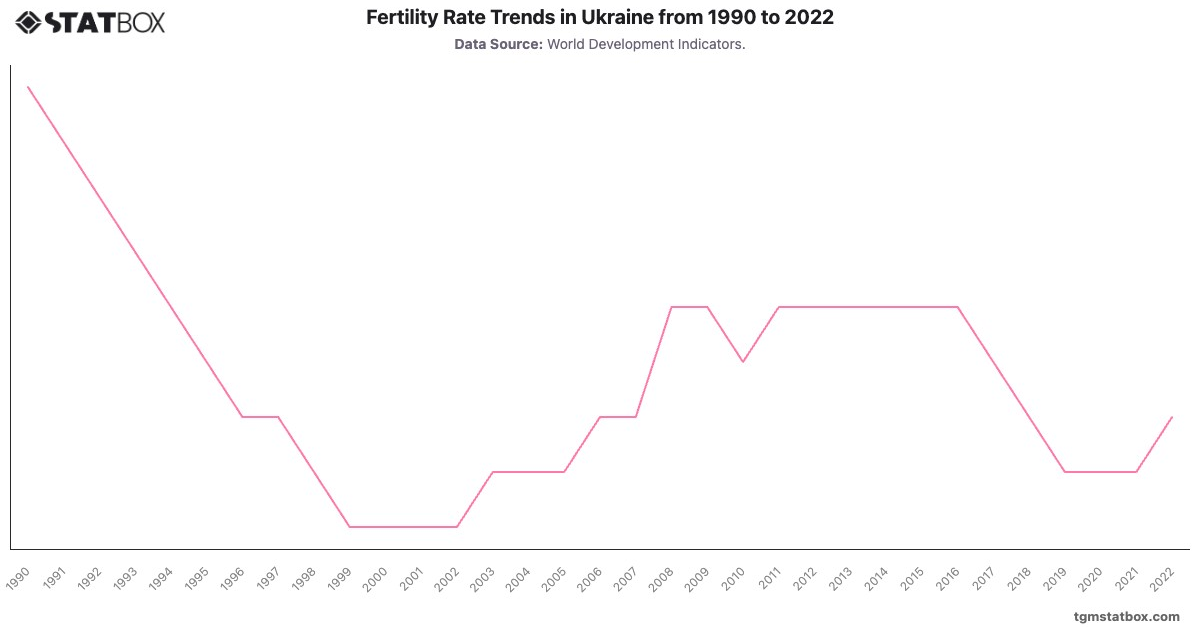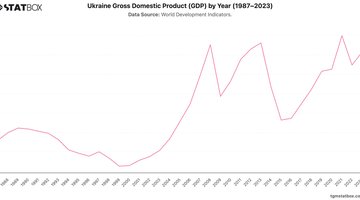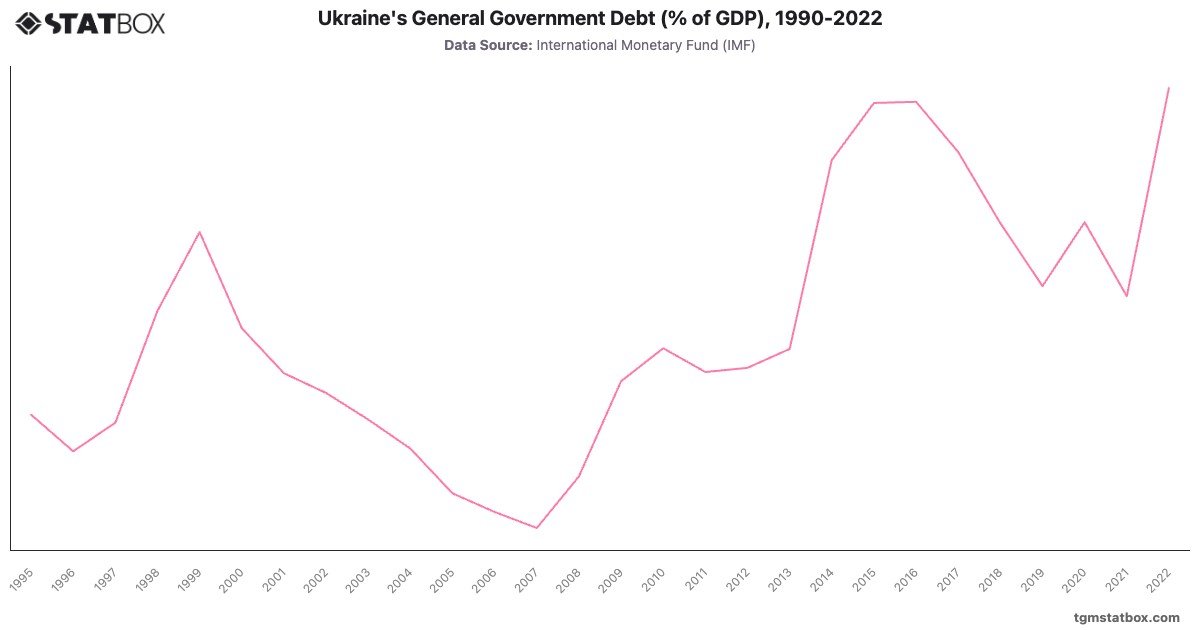
Ukraine’s general government debt showed substantial fluctuations between 1995 and 2022, reflecting the country’s economic and political instability. Starting at in 1995, debt-to-GDP declined in the late 1990s as Ukraine pursued economic stabilization. However, debt spiked to in 1999 amid a challenging economic environment and currency devaluation. From 2000 to 2007, the debt ratio decreased significantly, reaching as Ukraine experienced economic growth and benefited from international aid and investment.
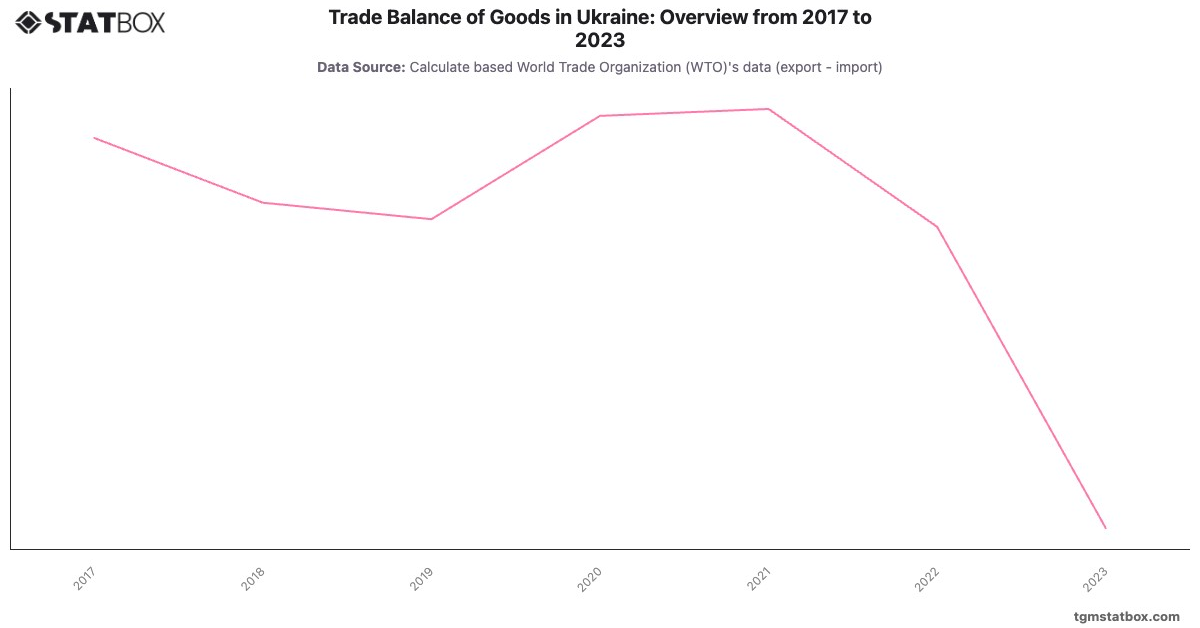
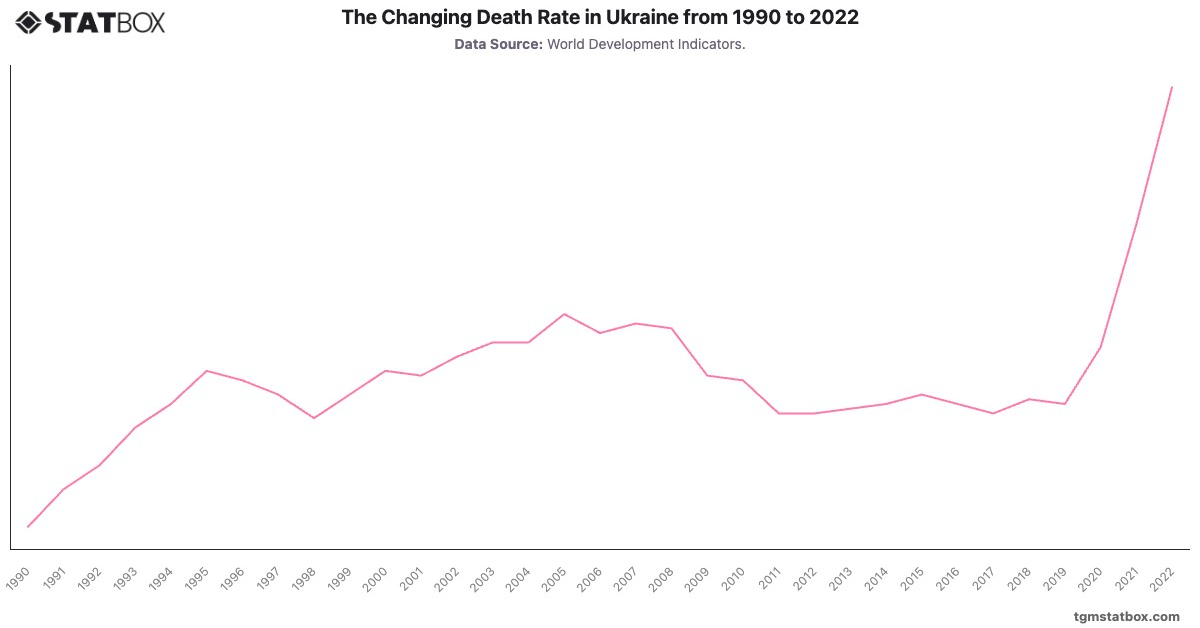
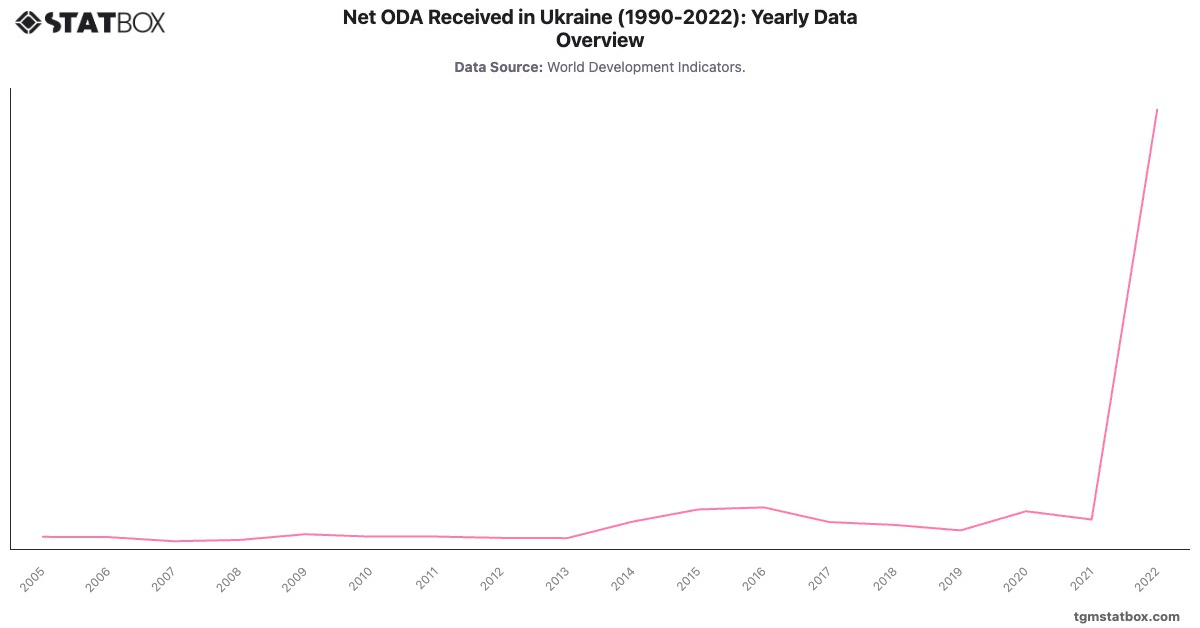
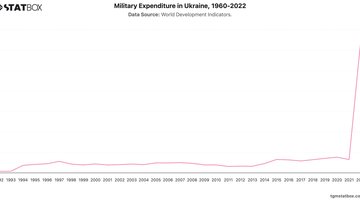
In 2014, debt levels surged dramatically to , driven by the annexation of Crimea, geopolitical tensions, and economic contraction. The conflict with Russia led to further economic strain, pushing debt to a peak of in 2016. Although debt reduced gradually to by 2019, the COVID-19 pandemic reversed this trend, causing debt to reach in 2020. The 2022 level rose again to amid intensified conflict, reflecting Ukraine's reliance on external funding to sustain its economy and defense expenditures.
In 2014, debt levels surged dramatically to , driven by the annexation of Crimea, geopolitical tensions, and economic contraction. The conflict with Russia led to further economic strain, pushing debt to a peak of in 2016. Although debt reduced gradually to by 2019, the COVID-19 pandemic reversed this trend, causing debt to reach in 2020. The 2022 level rose again to amid intensified conflict, reflecting Ukraine's reliance on external funding to sustain its economy and defense expenditures.
For additional information, visit statistics on Industry sector’s share in Ukraine’s GDP, Ukraine’s annual GDP growth rate, overview of Ukraine’s net ODA received.