Insights library
Not sure where to start? Dive into a diverse selection of charts and data visualizations across topics, and find the information you need to drive your research and analysis.
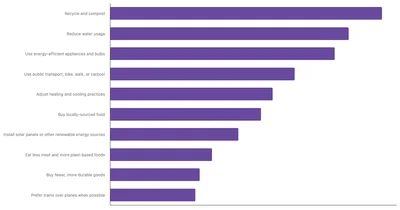

Recycling and composting top the list: 52.2% of Belgians adopt these habits to shrink their carbon footprint. It’s familiar, accessible, and reinforced by strong national waste policies.
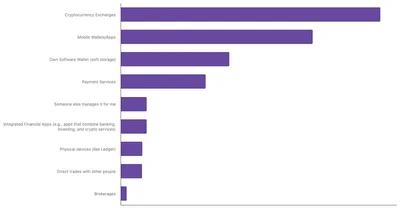
51.8% of Ukrainians store crypto on exchanges like Binance, while mobile wallets are the second most popular choice, reflecting convenience-driven habits.
missing
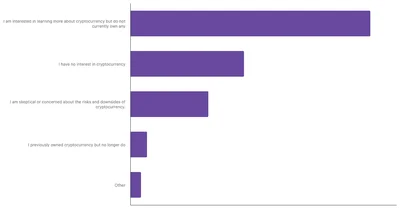
54% of Ukrainians want to learn about crypto but don’t own any, signaling an opportunity for education, while a significantly smaller group remains uninterested.
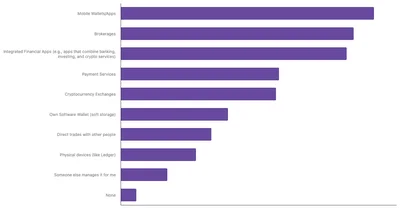
Mobile wallets/apps are the top choice for storing cryptocurrency in Brazil, followed by brokerages, reflecting a preference for security and convenience.
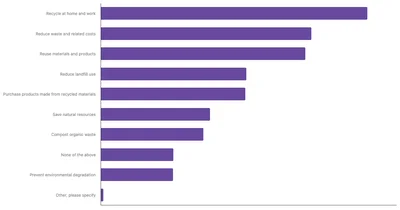
In the UK, recycling is the most common way people put the 3R principles into practice, with nearly six in ten doing it at home or work.
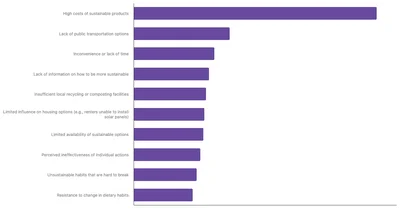
Cost stands in the way. Over half of French respondents cite the high price of sustainable products as the primary barrier, a finding that resonates amid rising inflation and living costs.
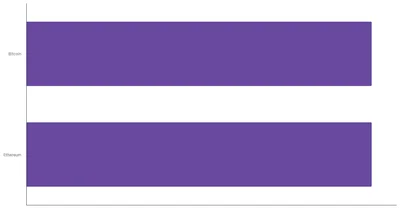
In Peru, Bitcoin and Ethereum share equal popularity as the most traded cryptocurrencies. Both coins are well-known and actively used by traders.
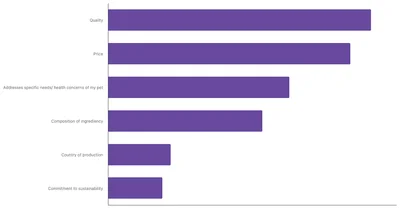
Quality stands out as the top priority, with 72.92% of Egyptian pet owners deeming it essential. Price comes next, with 67.20% considering it a key factor when purchasing pet food.
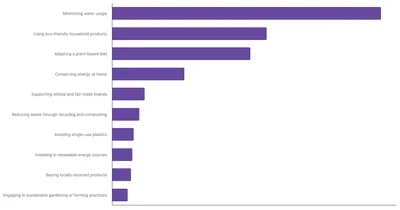
For many in Turkey, sustainable living starts with saving water, the top choice by far (34%). This is followed by using eco-friendly household products and adopting a plant-based diet.
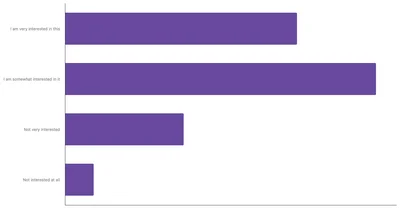
In Turkey, interest in sustainable living and climate action is high. Nearly half of respondents say they are somewhat interested, and one in three are very interested.
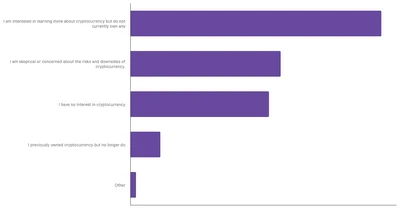
Interest in cryptocurrencies is steadily rising in Colombia, with 47% of respondents expressing curiosity but not yet owning any.
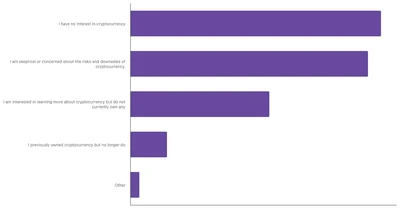
While 26% of Austrians want to learn more about crypto, nearly half remain uninterested or skeptical, highlighting the need for education and trust-building efforts.
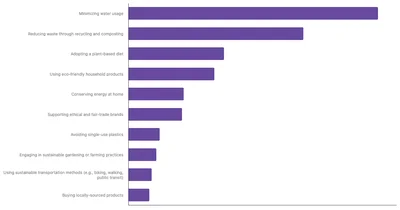
In Ireland, sustainability starts with the basics, minimizing water usage tops the list at 29.8%, a likely response to recurring hosepipe bans and growing national discourse on water conservation.
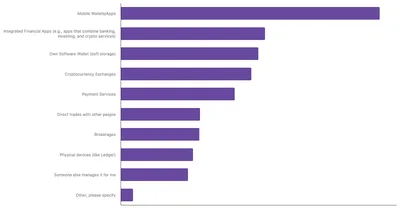
In Italy, mobile wallets are the clear favorite for storing cryptocurrency, with over 40% of users choosing this convenient option.
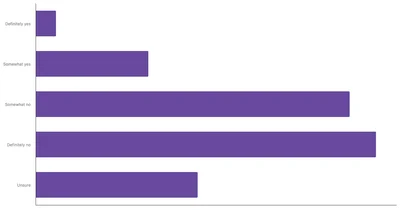
In Poland, awareness of the “3R” concept, Reduce, Reuse, Recycle, is still quite low. A clear majority either say they definitely don’t know it (36%) or are more on the “no” side.
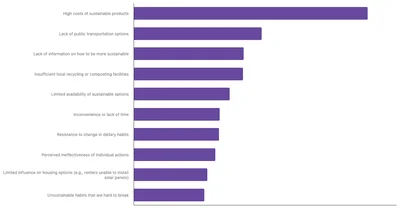
For Italians, the road to a greener lifestyle is paved with real-world hurdles, the steepest being cost. 44.5% cite the high price of sustainable products.
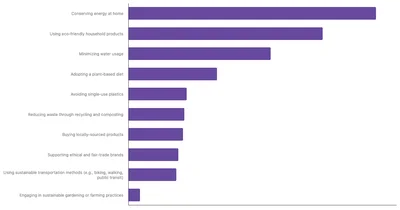
In Ukraine, sustainable living often begins at home. The most common priorities are conserving energy (26%) and using eco-friendly household products (20%).
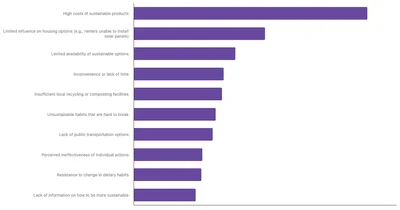
For many Swiss (44%), the main reason sustainable living feels out of reach is cost. Eco-friendly options are often too expensive.
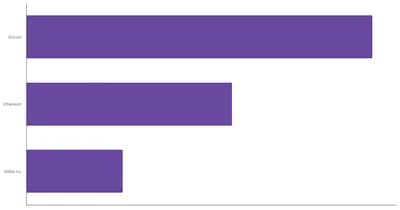
Bitcoin leads Swiss crypto trading, used by 9.4% of respondents, followed by Ethereum. Meme coins like Shiba Inu show niche but growing appeal.
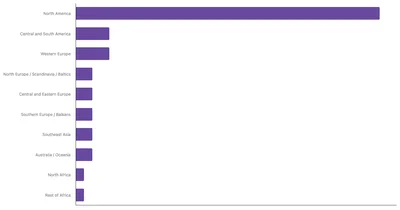
North America tops 2025 summer flight plans for U.S. travelers, with cost and global tensions steering choices closer to home. Full data on TGM StatBox.
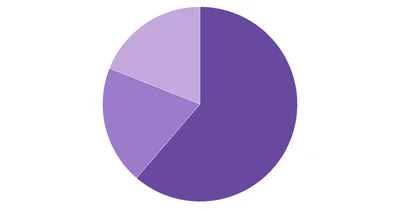
A significant portion of the Nigerian population, 61.3%, is familiar with cryptocurrency, indicating a potential for growth in the digital currency space.
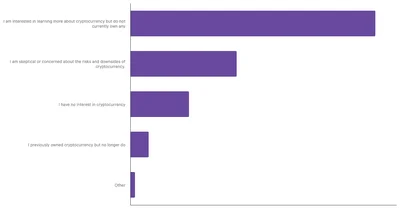
27.9% of Nigerian respondents are skeptical or concerned about the risks and downsides of cryptocurrency, highlighting a significant barrier that needs addressing.
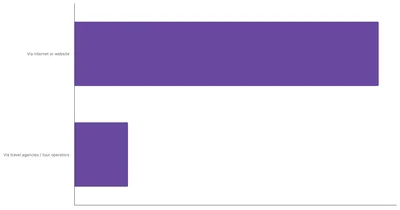
85% of Americans book travel online in 2025, reflecting a shift toward speed, personalization, and AI-driven planning tools. Full data on TGM StatBox.
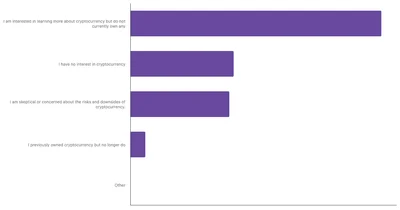
56.6% of respondents are interested in learning more about cryptocurrency but don’t own any, while a significant portion have no interest in it.
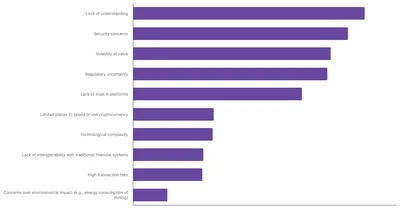
The most significant barrier to cryptocurrency adoption in Italy appears to be a lack of understanding, with 39.6% of respondents citing this as a concern.
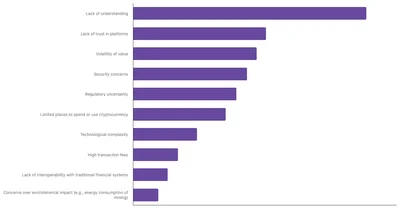
Lack of understanding (61.9%) is the biggest barrier to cryptocurrency adoption in Argentina, followed by trust, security concerns, volatility, and regulatory uncertainty
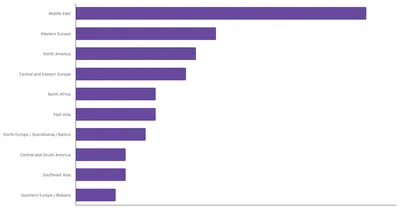
The Middle East stands out as the top air travel destination for Egyptian travelers in summer 2025, with 29% planning trips within the region.
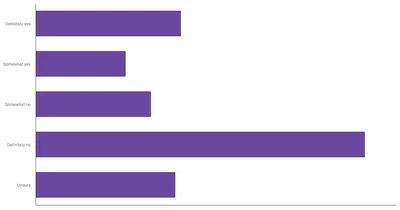
In Spain, awareness of the “3R” concept — Reduce, Reuse, Recycle — is mixed. About 40% say they definitely don’t know it, while fewer than 18% are sure they do.
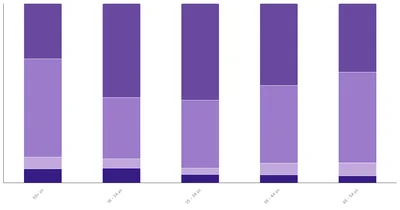
Spanish younger age groups, particularly those aged 18-24 and 25-34, show a higher inclination toward pets, with approximately 52.46% and 53.92% expressing a liking for all types.