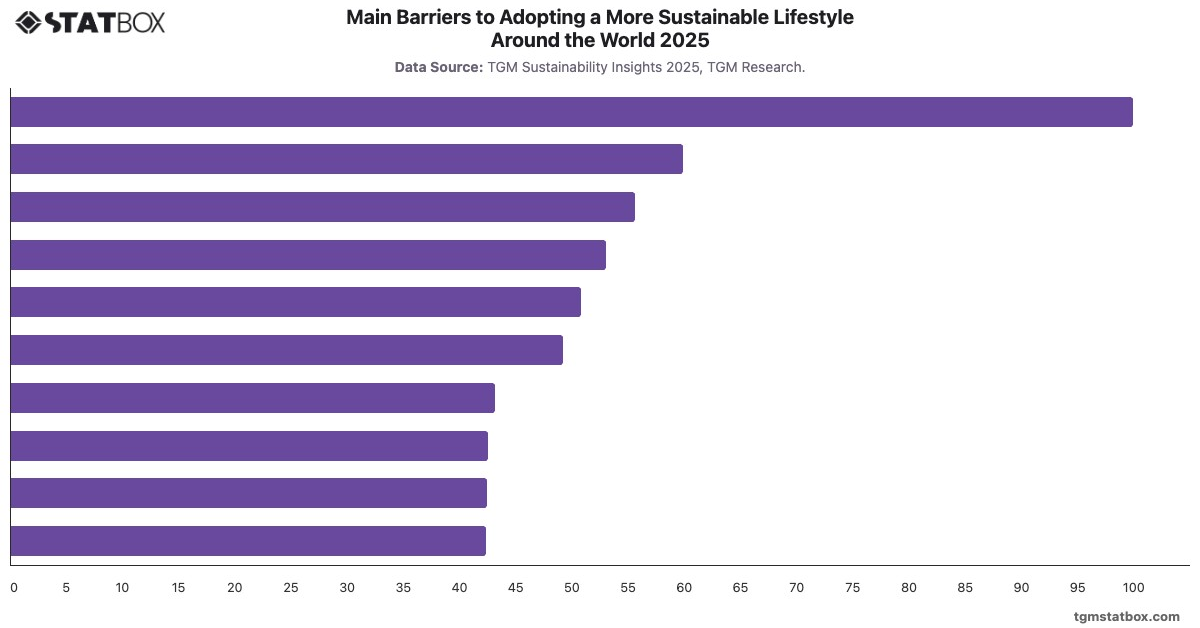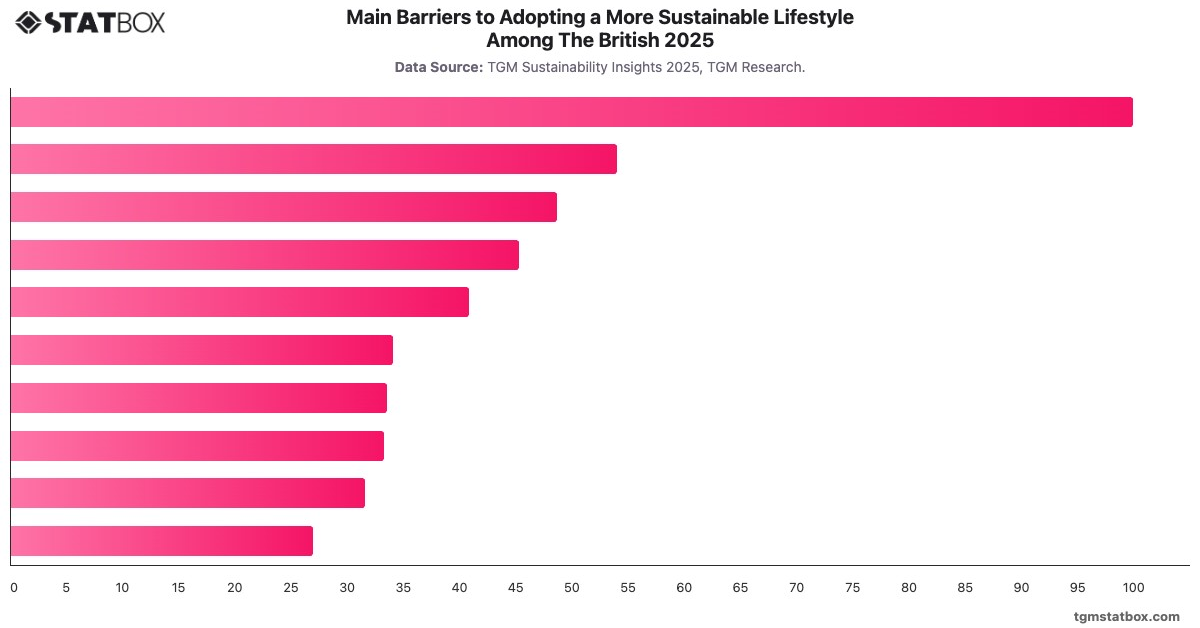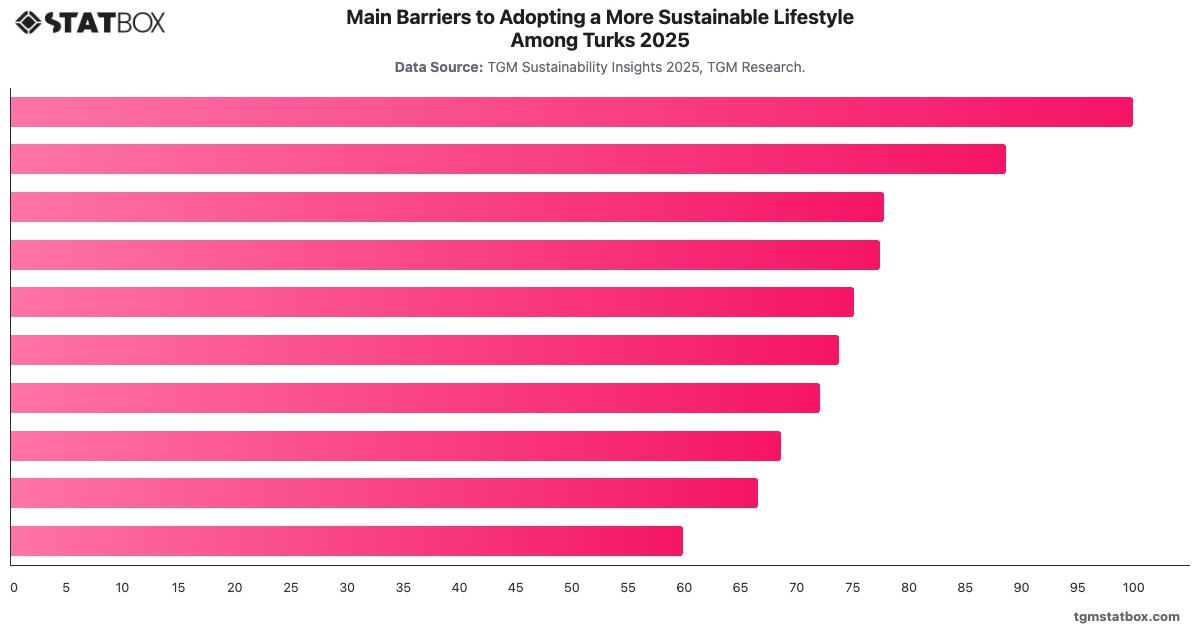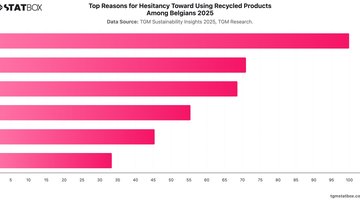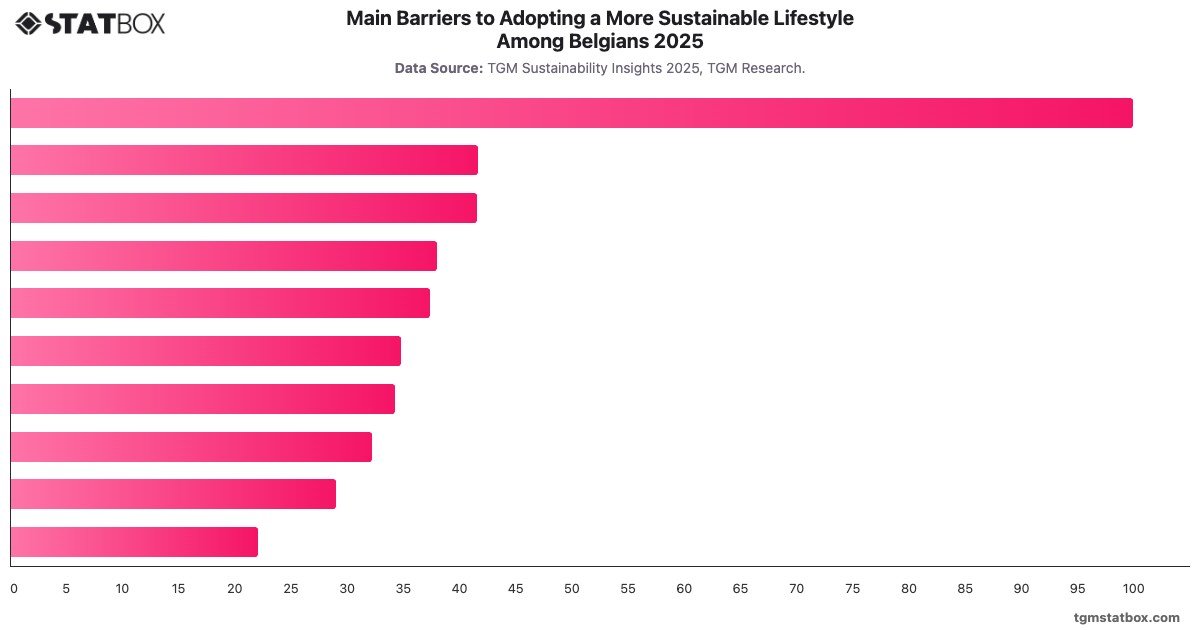
Cost leads the conversation. of Belgians say high prices for sustainable products block their path to greener living. Even with EU incentives and national subsidies, affordability remains a critical gap. Time and convenience come next, pointing to daily-life friction where sustainability often loses out to speed. Just behind, mention lack of public transport, not surprising given mobility challenges in rural Wallonia and delays in green transit upgrades. Interestingly, a range of psychological and systemic barriers follow close behind: from limited options () and weak recycling infrastructure () to knowledge gaps and habit inertia. It is not just about buying eco-friendly. It is about redesigning the ecosystem that supports it. Belgians want to change, but without systemic scaffolding, interest stalls at intent. Bridging this gap demands accessible pricing, stronger public infrastructure, and education that meets people where they are.
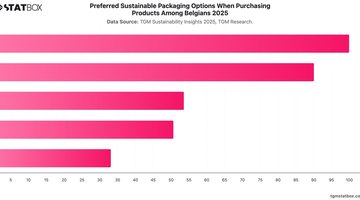
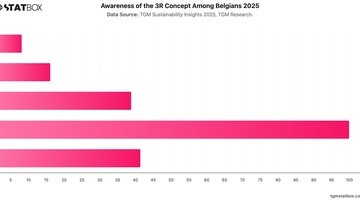
Gain a broader perspective by reviewing Belgians’ preferred eco-friendly packaging, Belgian awareness of 3R, most mainstream sustainable lifestyles in Belgium.