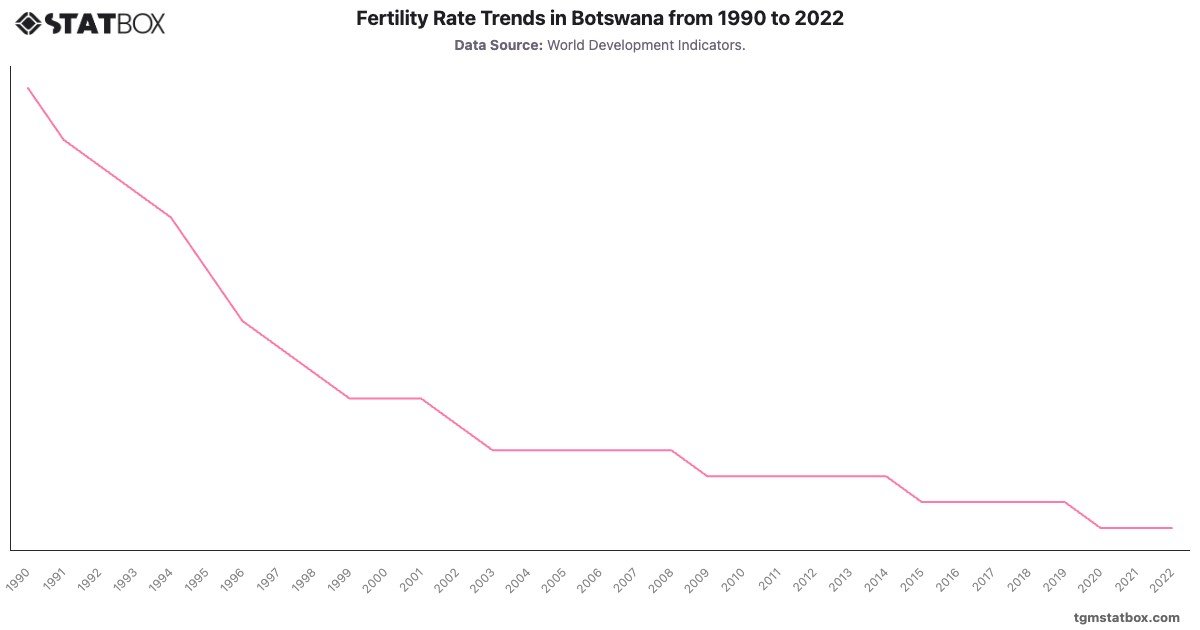
Botswana's fertility rate experienced a marked decline from 4.5 in 1990 to 2.8 in 2022, reflecting its demographic transition. The most significant reductions occurred in the early 1990s due to HIV/AIDS awareness programs and increased access to contraception. By the 2000s, the rate stabilized near 3.0, signaling a balance between declining fertility and improved healthcare systems.
The steady decline since 2015 aligns with economic development and urbanization trends. Investments in education and healthcare have empowered women to make informed reproductive choices, contributing to smaller family sizes. Botswana’s shift underscores the interplay between social advancements and fertility trends in sub-Saharan Africa.
The steady decline since 2015 aligns with economic development and urbanization trends. Investments in education and healthcare have empowered women to make informed reproductive choices, contributing to smaller family sizes. Botswana’s shift underscores the interplay between social advancements and fertility trends in sub-Saharan Africa.
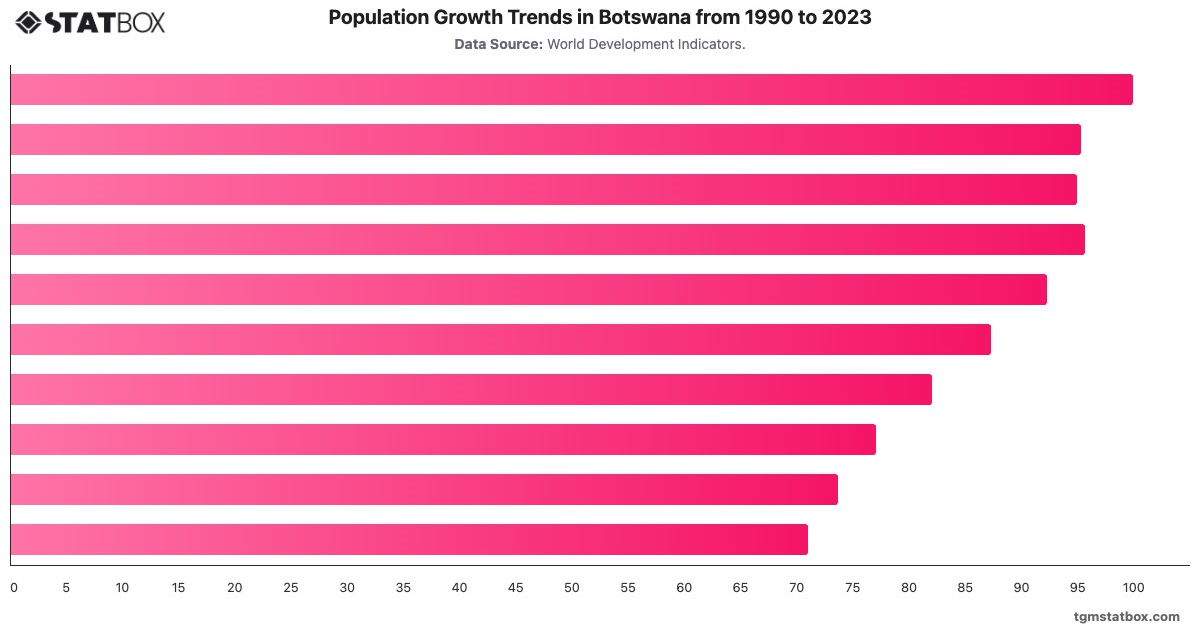
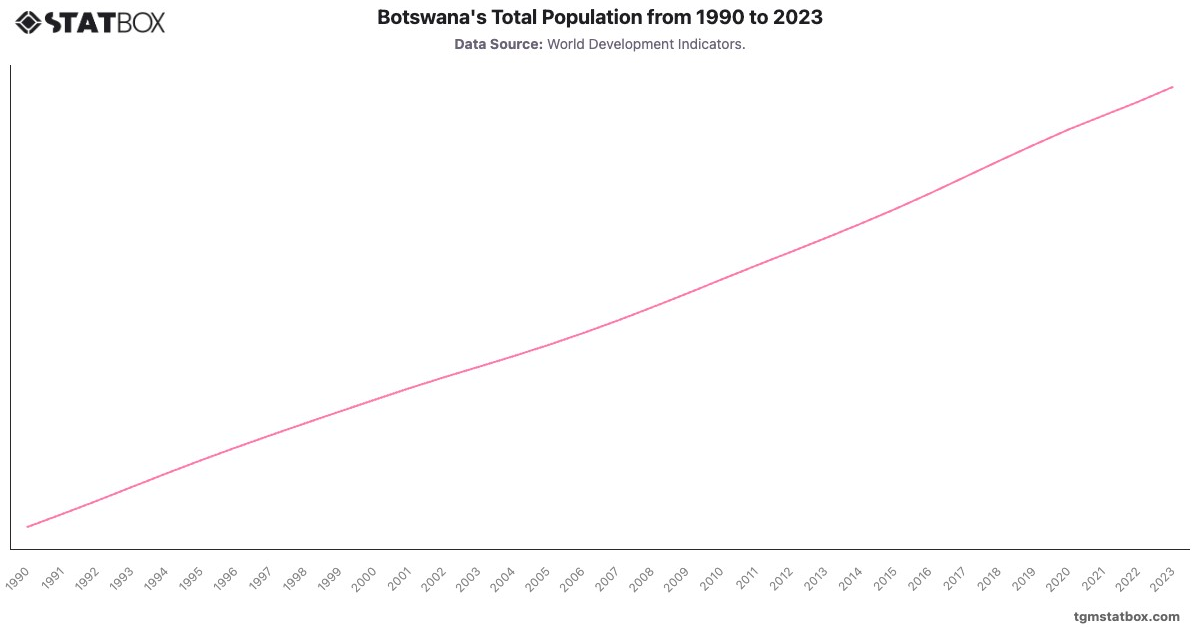
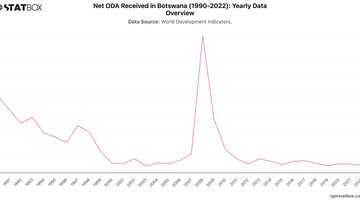
Find out more through related statistics on Botswana’s annual net ODA data, Botswana’s urbanization rate, Botswana’s population growth trend.