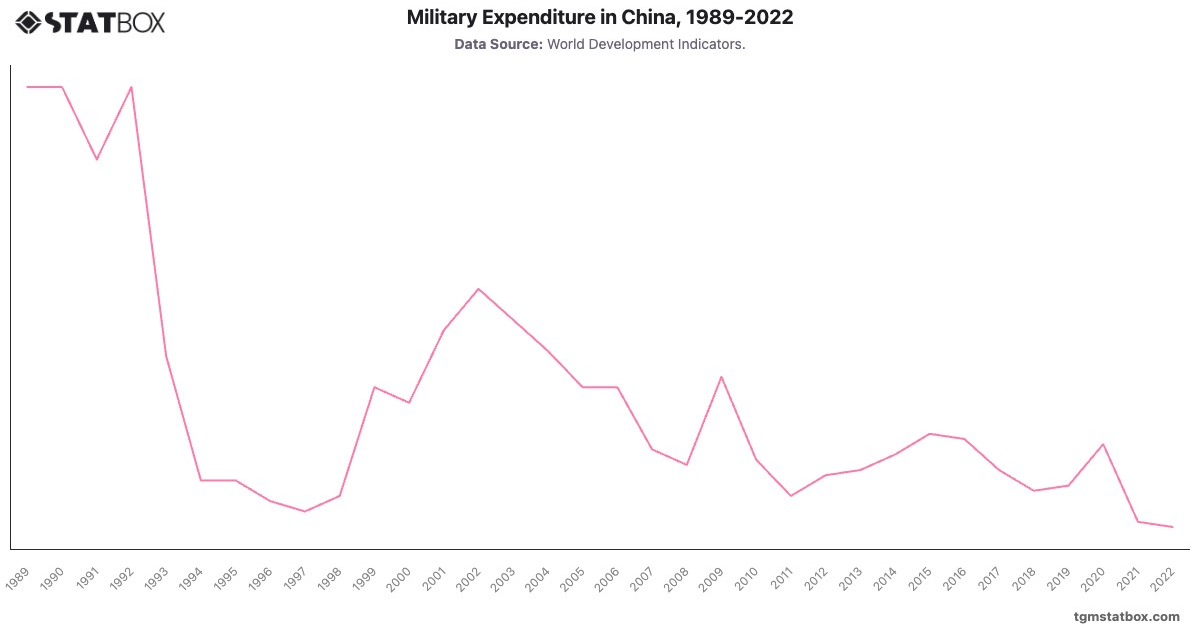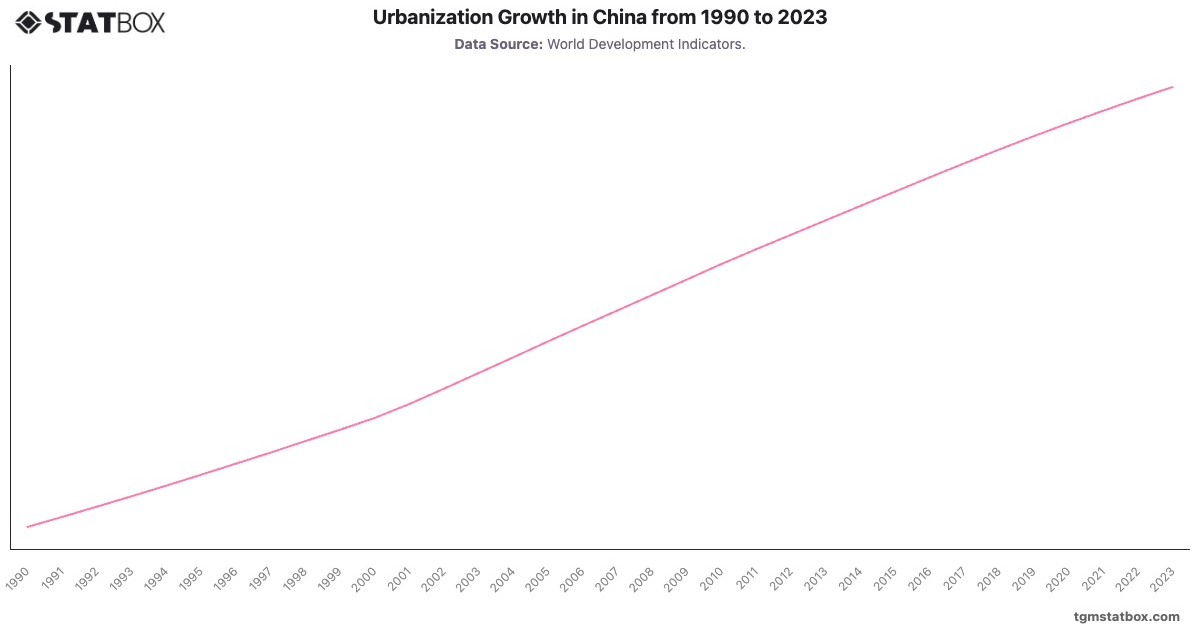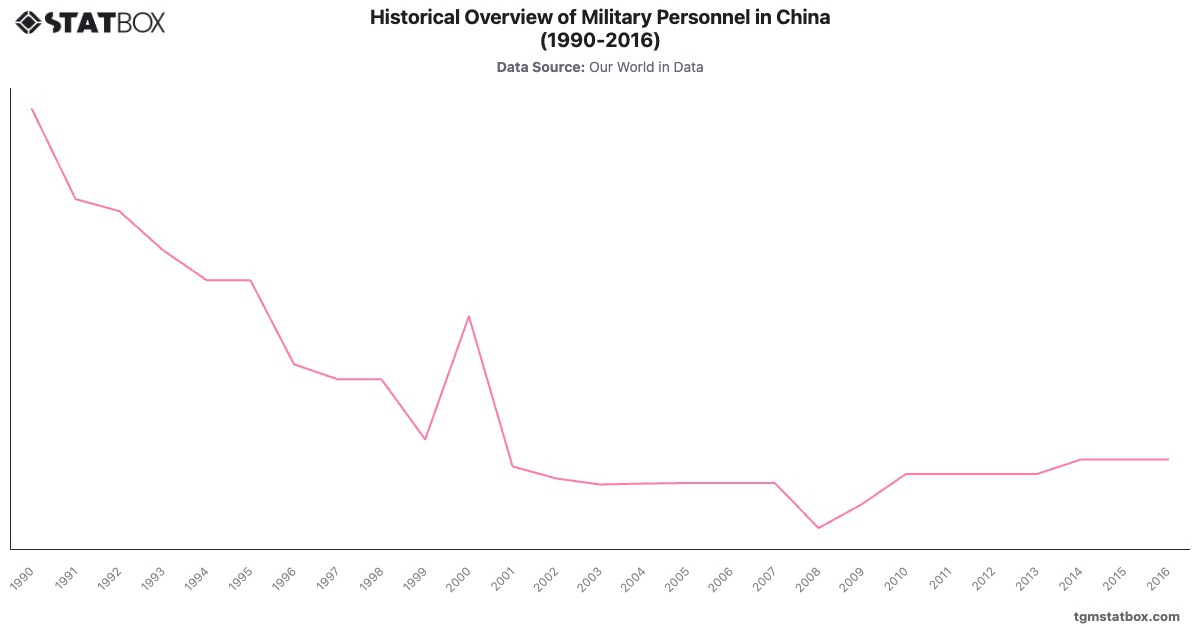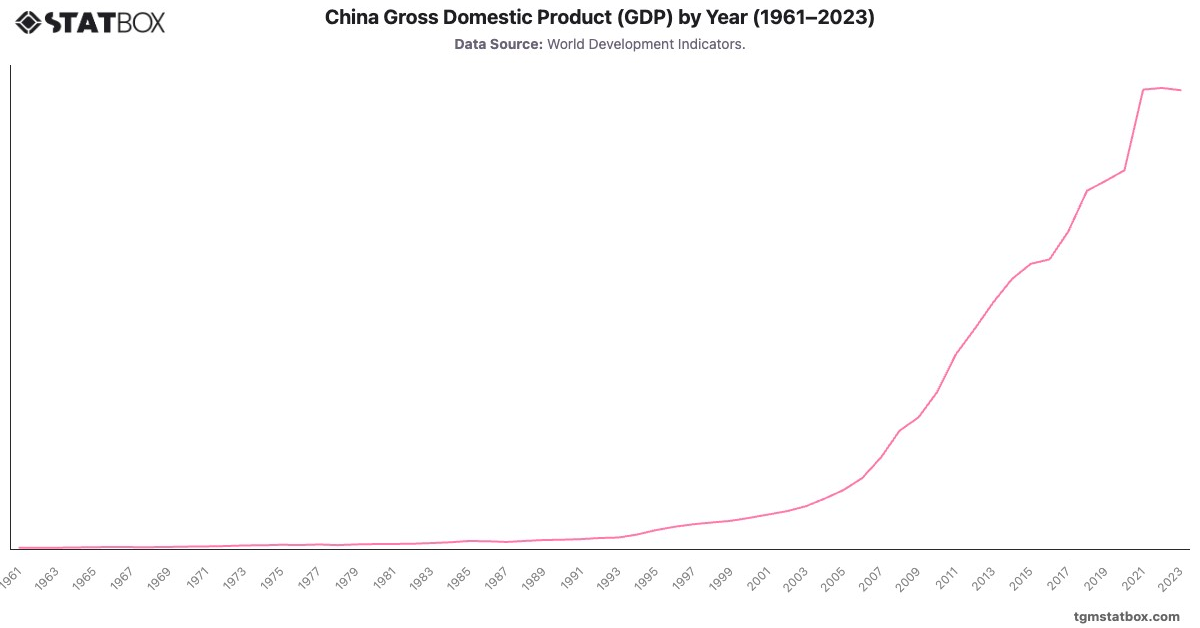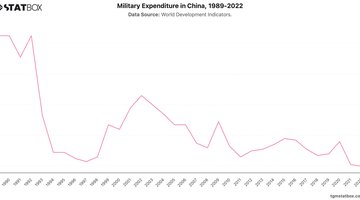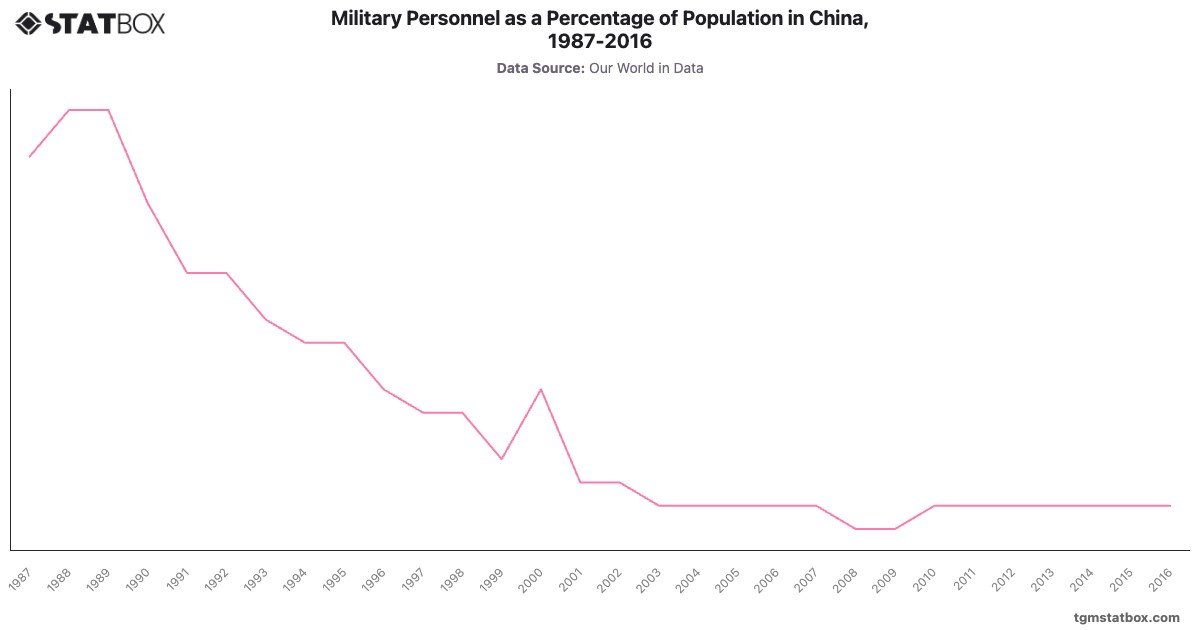
The chart illustrating military personnel as a percentage of the population in China from 1987 to 2016 shows a consistent trend of stability in military size relative to its vast population. Starting at in 1987, this percentage remained unchanged for several years, reflecting the country's focus on economic development rather than military expansion during this period.
In the mid-1990s, the percentage declined slightly to , likely due to the government's efforts to modernize and restructure the military, coupled with the burgeoning population. Throughout the 2000s and into the 2010s, the percentage stabilized at , indicating that while China has a large military force, it constitutes a smaller proportion of the total population, aligning with the nation’s shift toward technology and modernization in defense capabilities.
This stability suggests a strategic approach to maintaining military readiness without significantly increasing personnel numbers, thus reflecting broader socio-economic priorities and a focus on efficient military operations over sheer numbers.
In the mid-1990s, the percentage declined slightly to , likely due to the government's efforts to modernize and restructure the military, coupled with the burgeoning population. Throughout the 2000s and into the 2010s, the percentage stabilized at , indicating that while China has a large military force, it constitutes a smaller proportion of the total population, aligning with the nation’s shift toward technology and modernization in defense capabilities.
This stability suggests a strategic approach to maintaining military readiness without significantly increasing personnel numbers, thus reflecting broader socio-economic priorities and a focus on efficient military operations over sheer numbers.
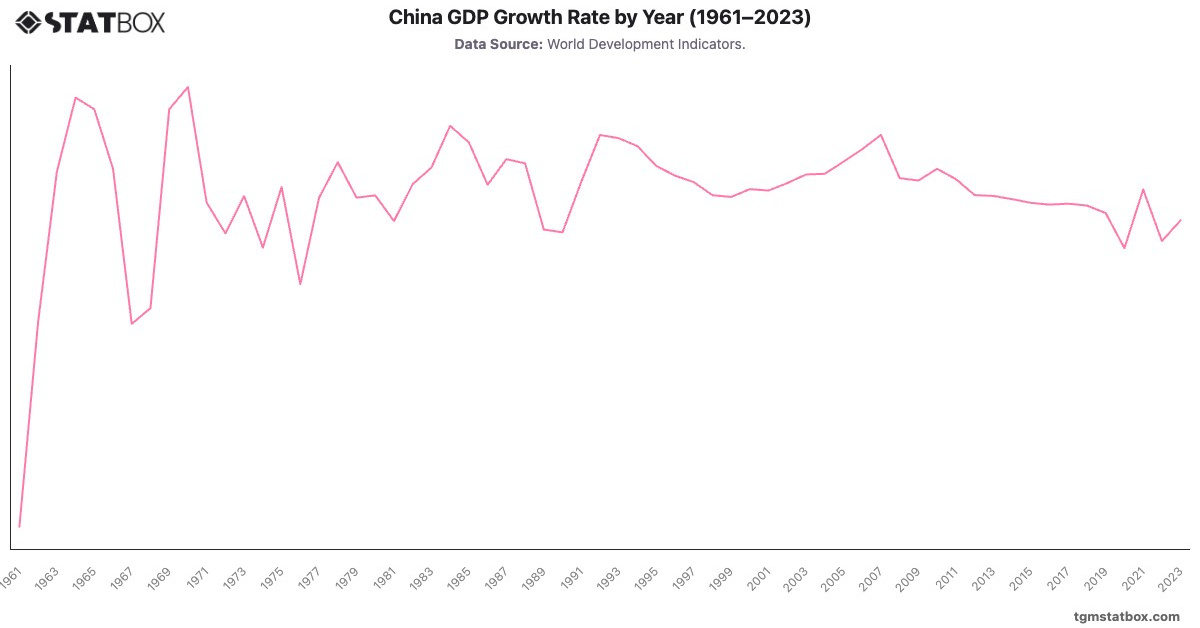
For a broader context, visit other statistics on China’s population density, China’s annual GDP growth rate, China’s net ODA figures.