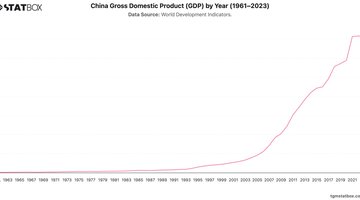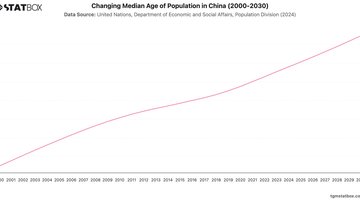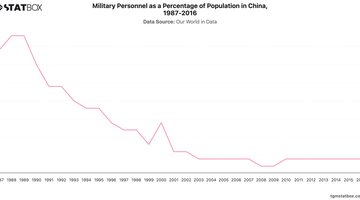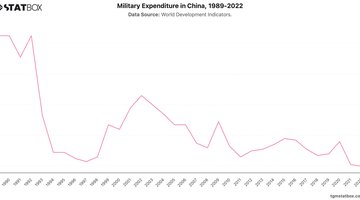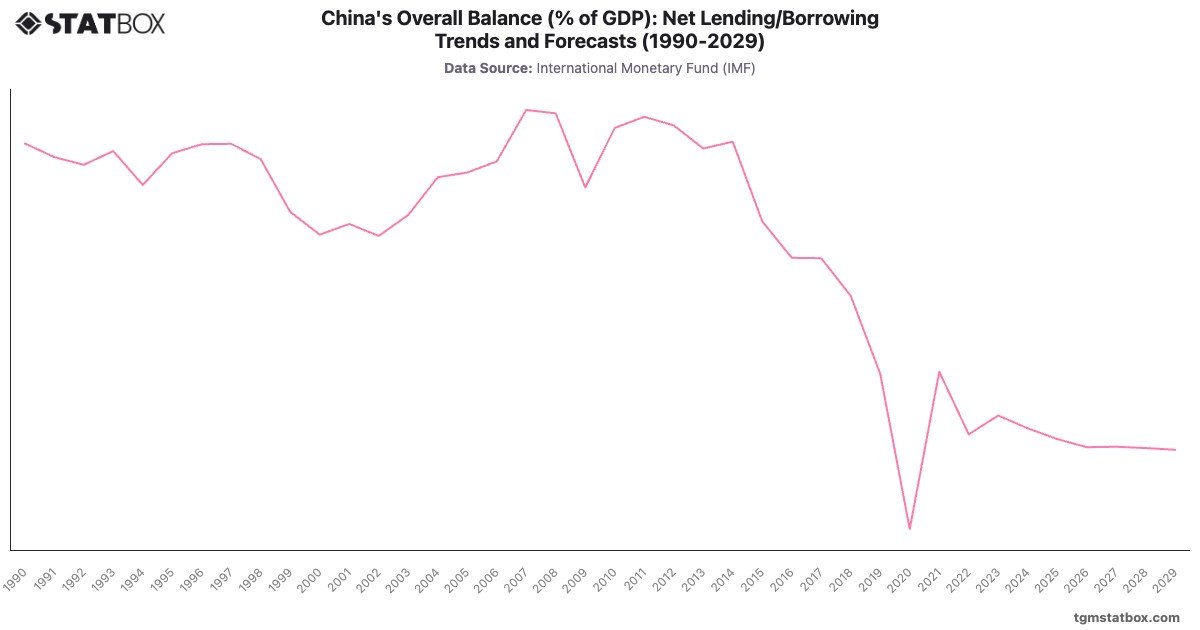
China’s net lending/borrowing trends highlight the balancing act between rapid economic growth and fiscal stability. During the 1990s and early 2000s, deficits were moderate, averaging around -, as government spending supported infrastructure development and industrial expansion. The 2008 global financial crisis led to stimulus measures that widened the deficit to - in 2009.
The post-2015 period saw deepening deficits, reaching - in 2020 due to the pandemic’s economic impact and fiscal interventions. Forecasts from 2023 to 2029 indicate persistent deficits around -, reflecting continued public investment to sustain growth. These trends underscore the challenges of managing fiscal health while supporting structural reforms and economic modernization.
The post-2015 period saw deepening deficits, reaching - in 2020 due to the pandemic’s economic impact and fiscal interventions. Forecasts from 2023 to 2029 indicate persistent deficits around -, reflecting continued public investment to sustain growth. These trends underscore the challenges of managing fiscal health while supporting structural reforms and economic modernization.
For additional information, visit statistics on China’s unemployment rate trend, China’s industry sector share in GDP, China’s government debt-to-GDP ratio.