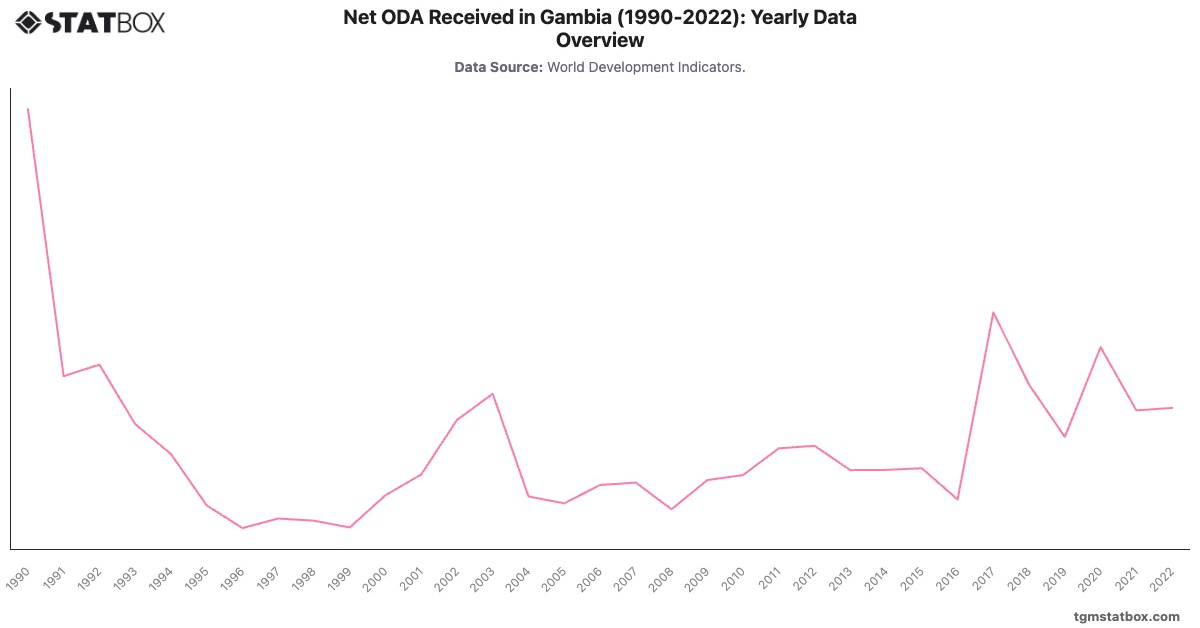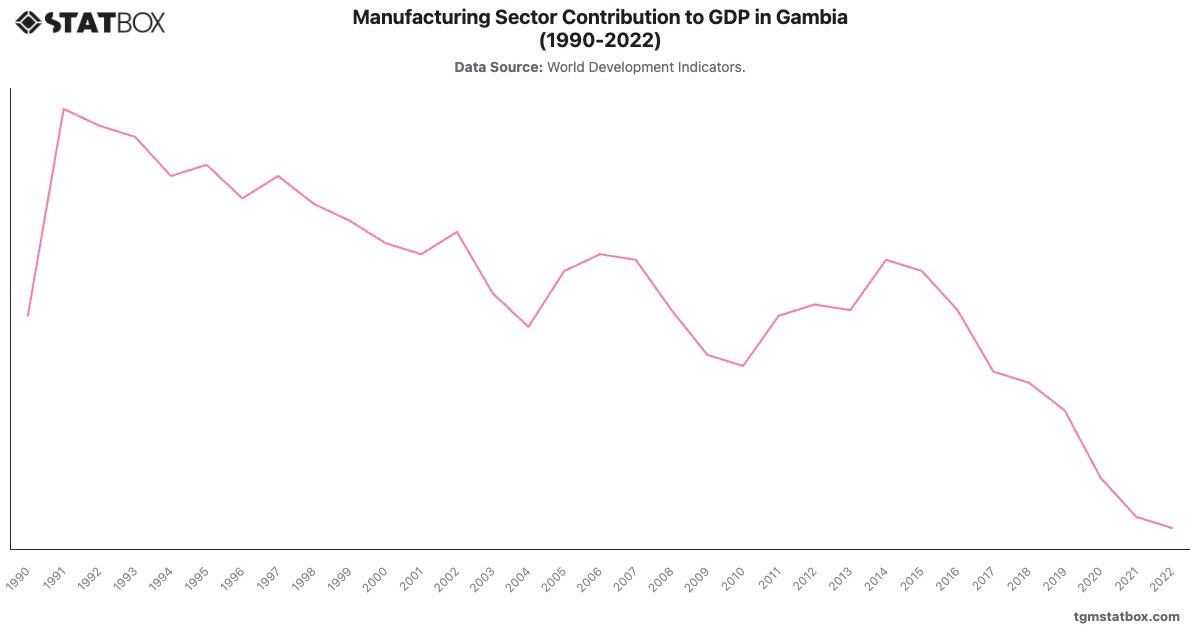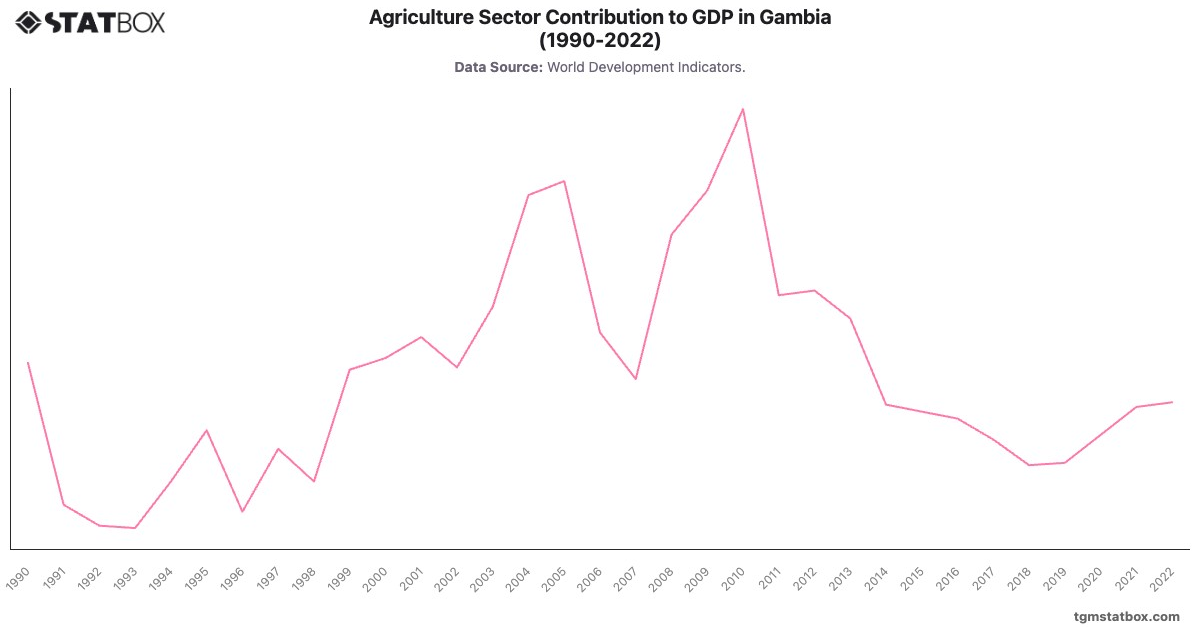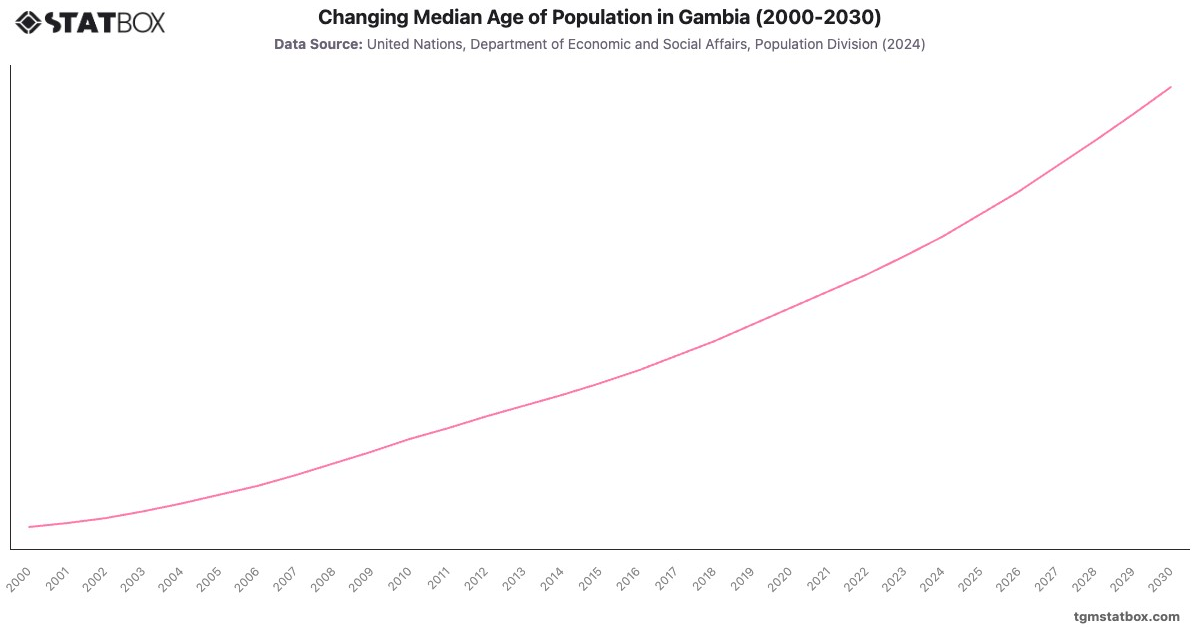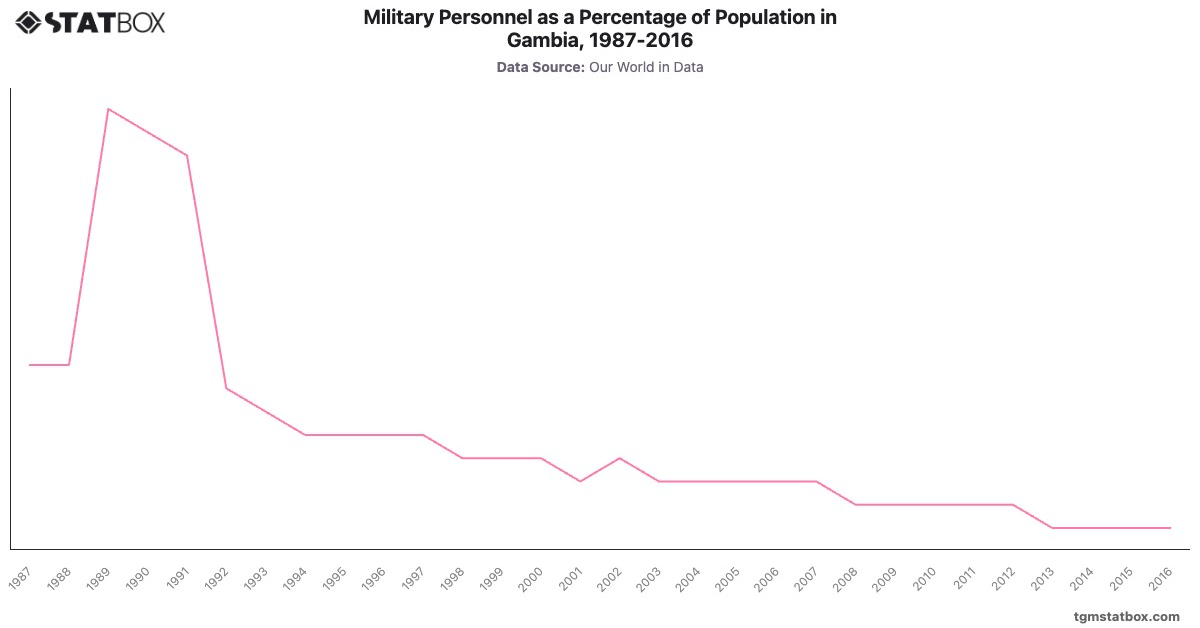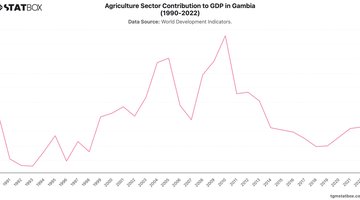
The Gambia, a small West African nation, has experienced a more volatile and generally slower economic growth trajectory compared to Ethiopia. The country's economy is heavily dependent on agriculture, tourism, and remittances, making it vulnerable to external shocks.
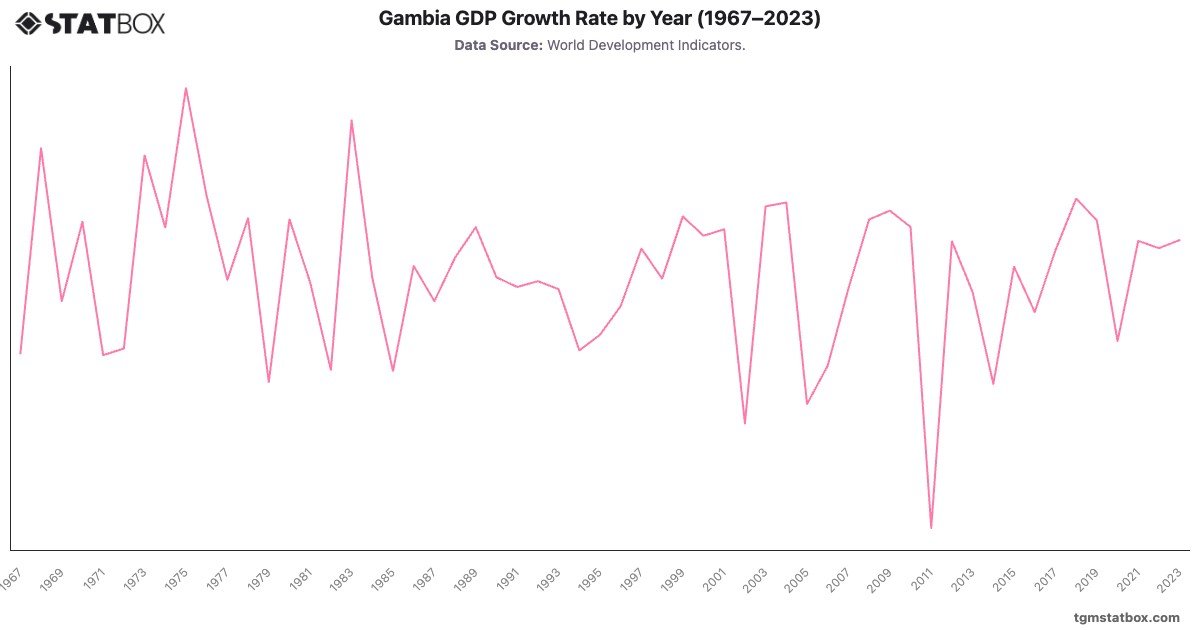
The late 1960s and 1970s demonstrate inconsistent growth, reaching in 1975, likely reflecting post-independence economic adjustments. The 1980s emerge as particularly volatile, with growth ranging from in 1983 to - in 1979, suggesting susceptibility to external factors and policy shifts.
The 1990s represent a period of comparative stability, with growth generally between 3- annually, potentially indicating more consistent economic management or diversification efforts. From 2000 to 2010, the economy shows mixed performance, with strong growth years ( in 2004) counterbalanced by contractions (- in 2002), underscoring ongoing economic vulnerabilities.
The 2011-2023 period begins with a sharp downturn (- in 2011) but is followed by recovery and more sustained positive growth, averaging 4- in recent years. This phase highlights The Gambia's economic resilience, including during the COVID-19 pandemic, where it maintained positive growth ( in 2020) before quickly rebounding.
Recent trends suggest increasing stability, with only one year of negative growth (- in 2014) since 2012. The growth for 2023 indicates continued recovery and potential for sustained development.
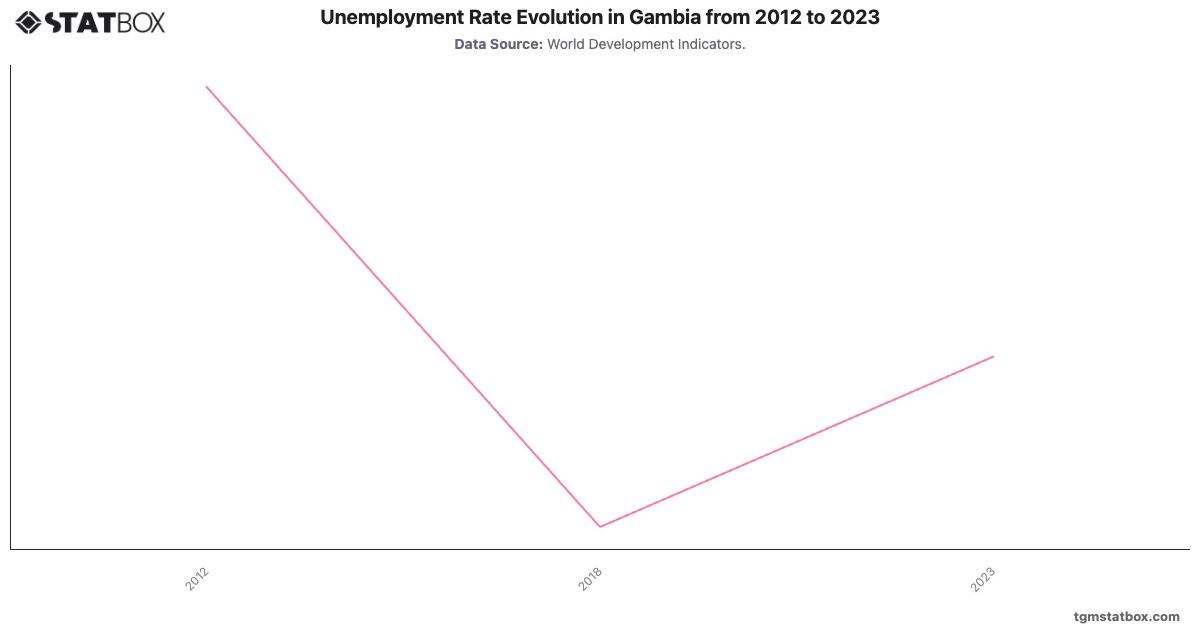
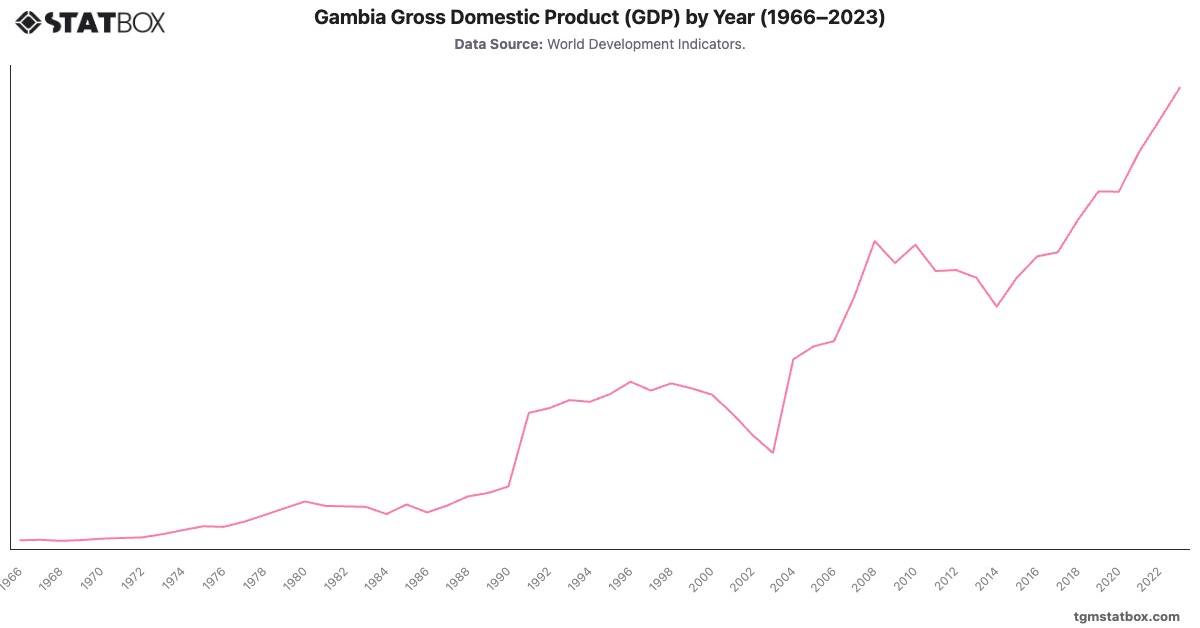
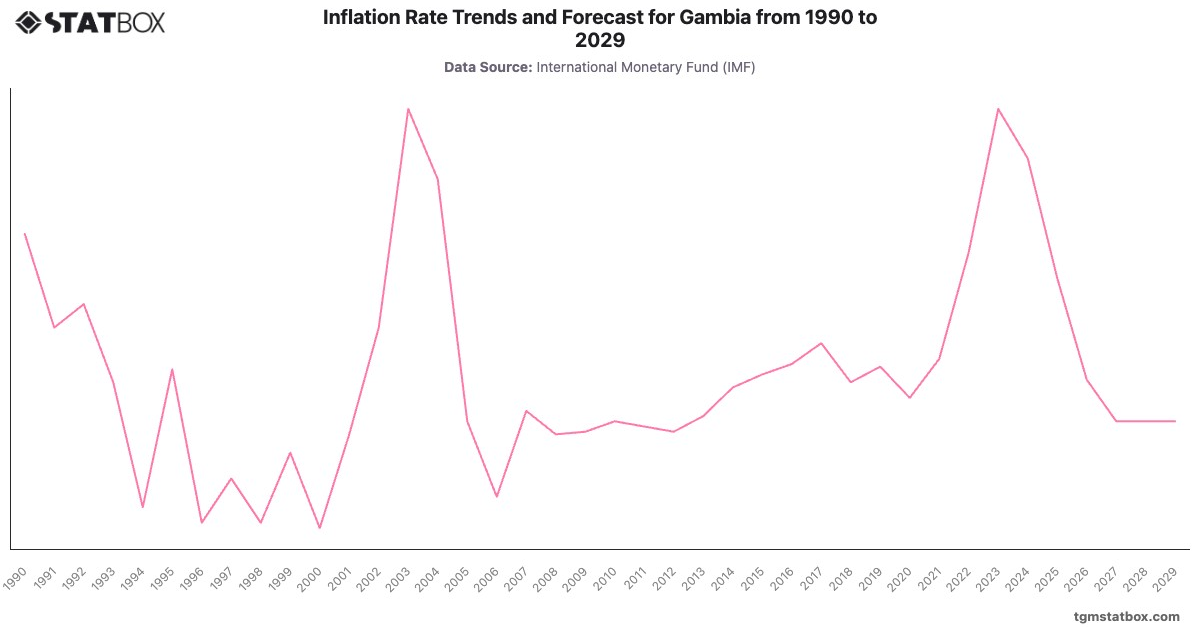
Discover additional trends and data on Gambia’s unemployment rate trend, Gambia’s inflation rate forecast, Gambia’s yearly GDP.