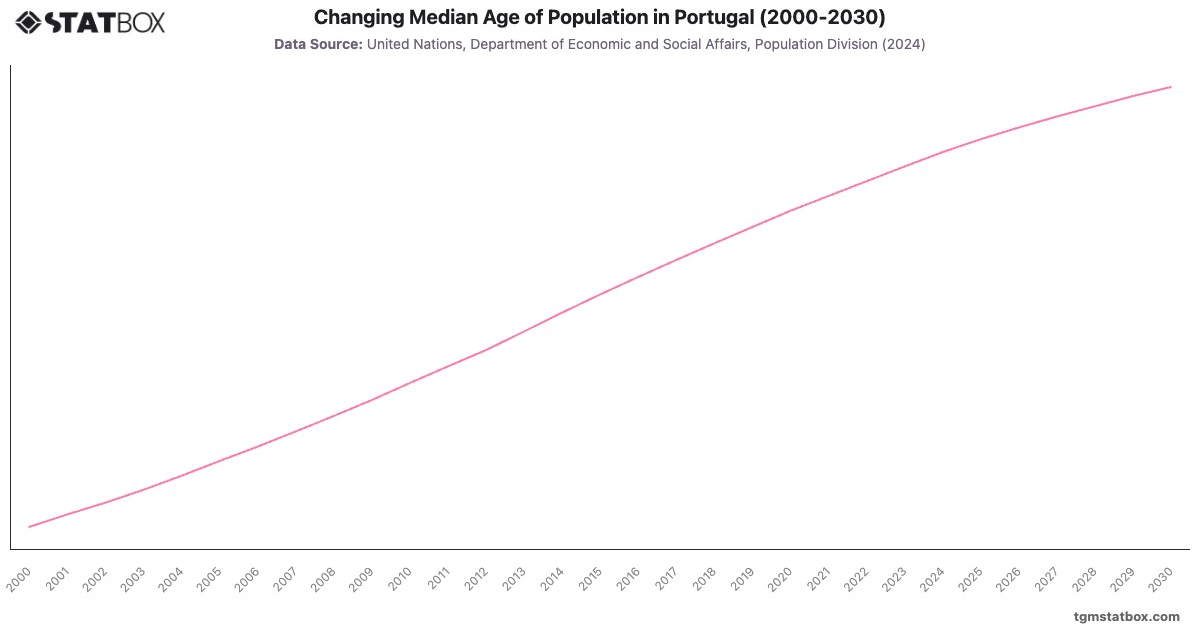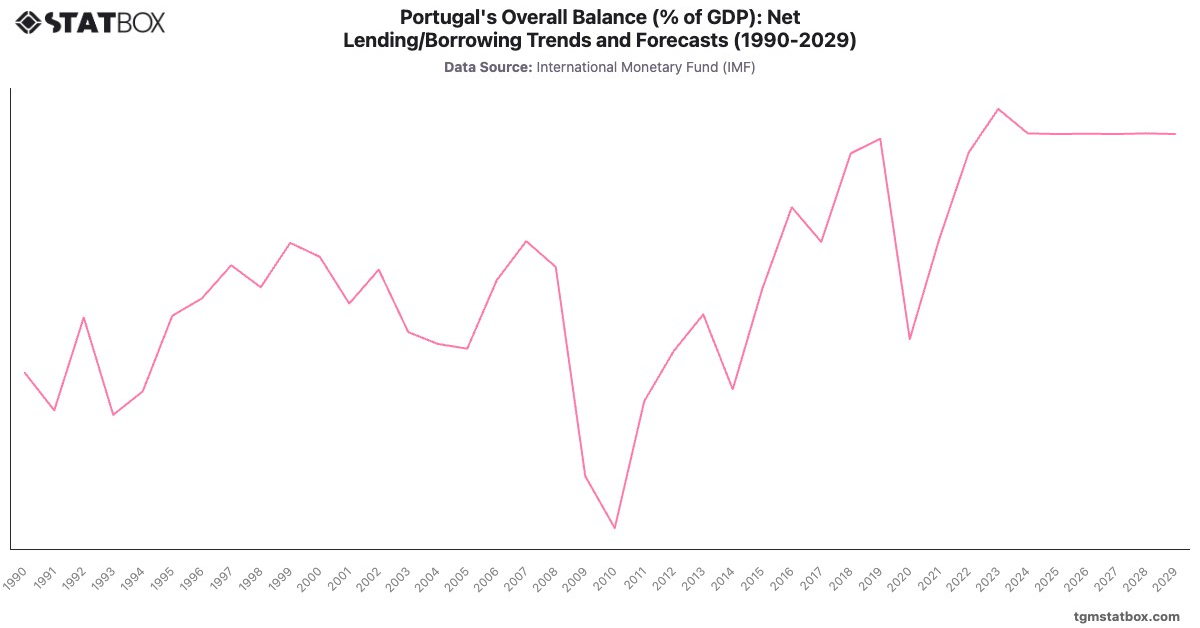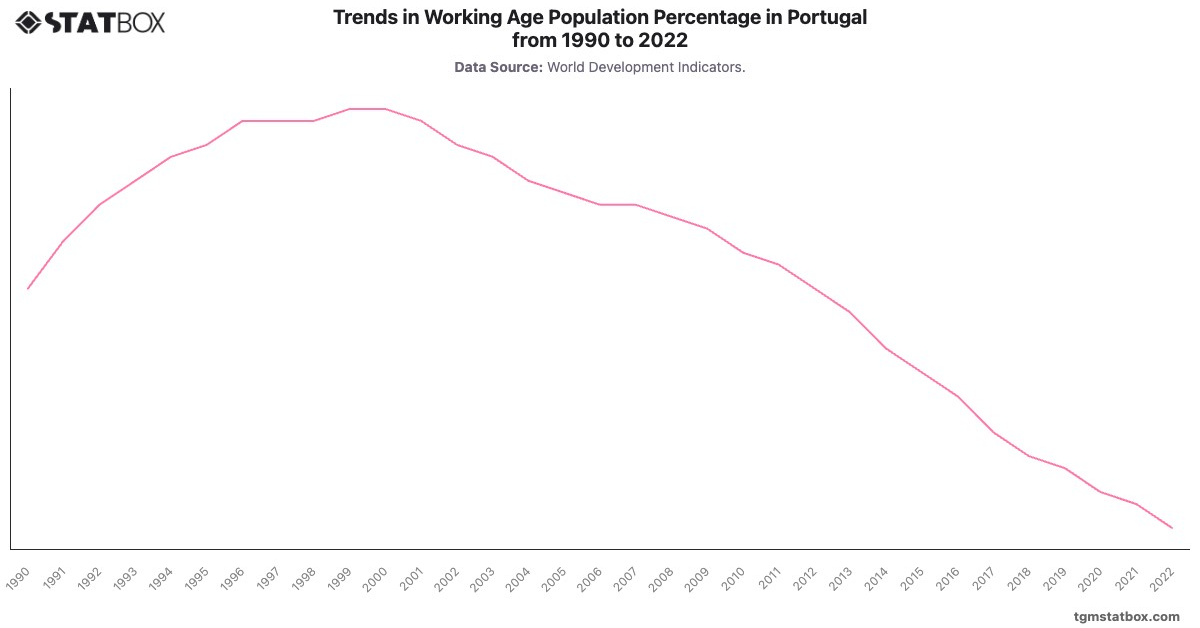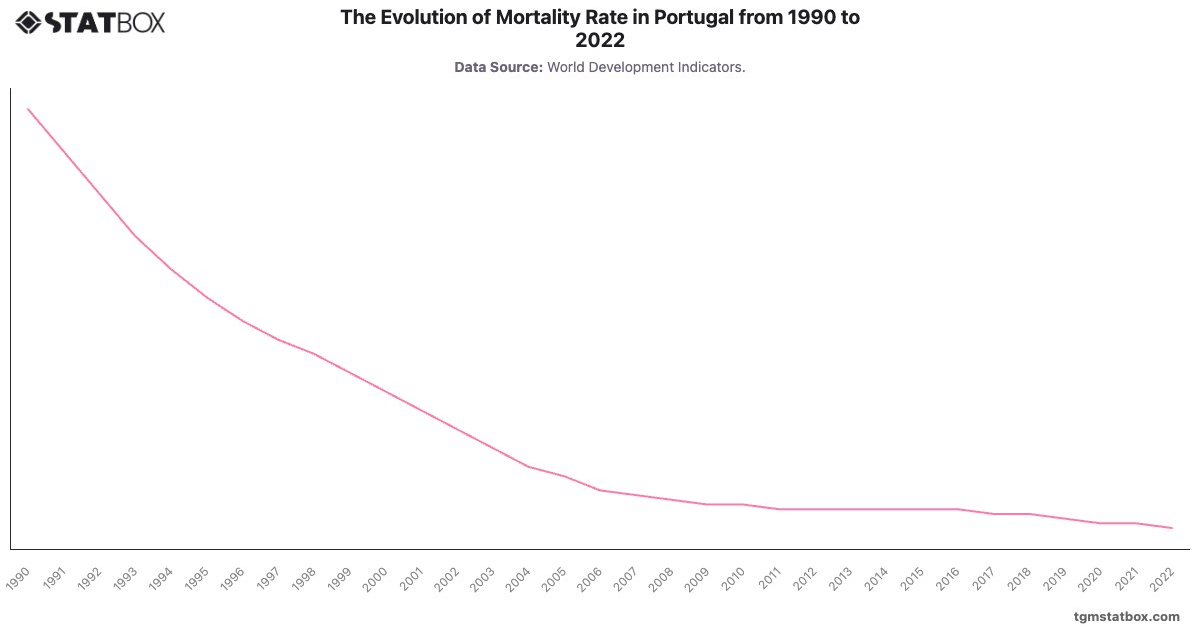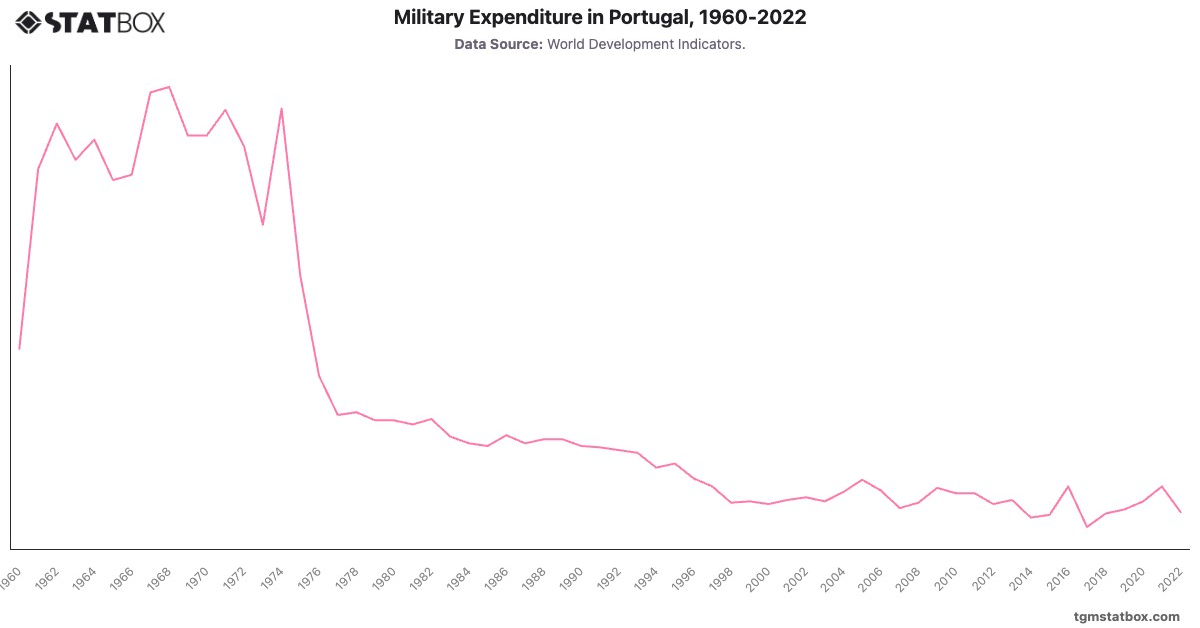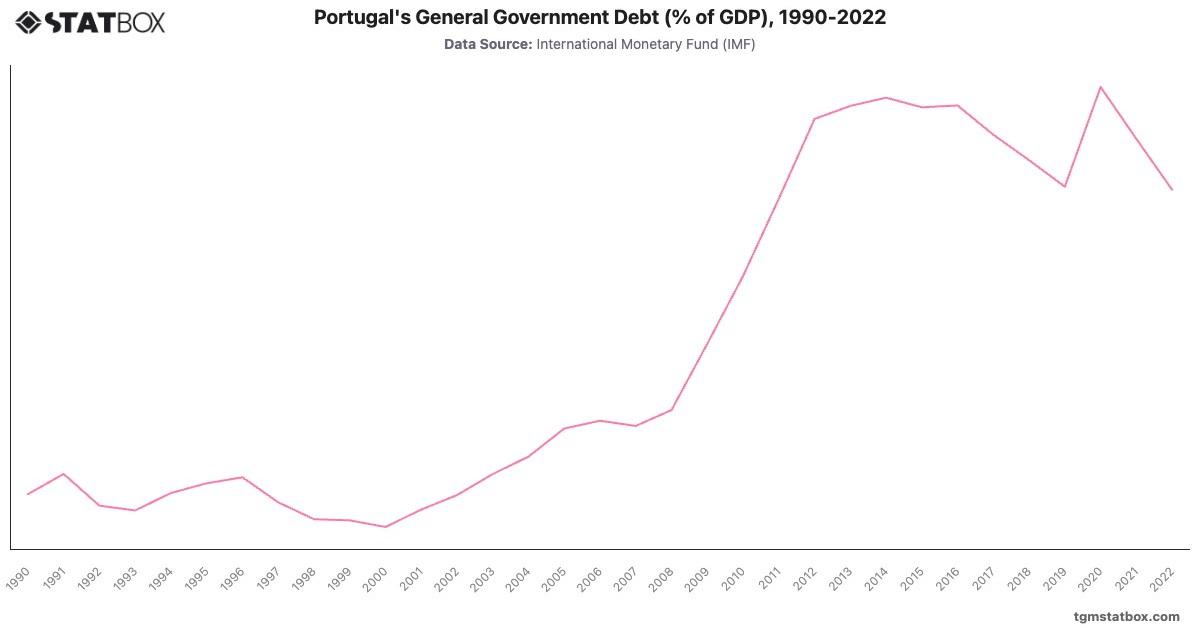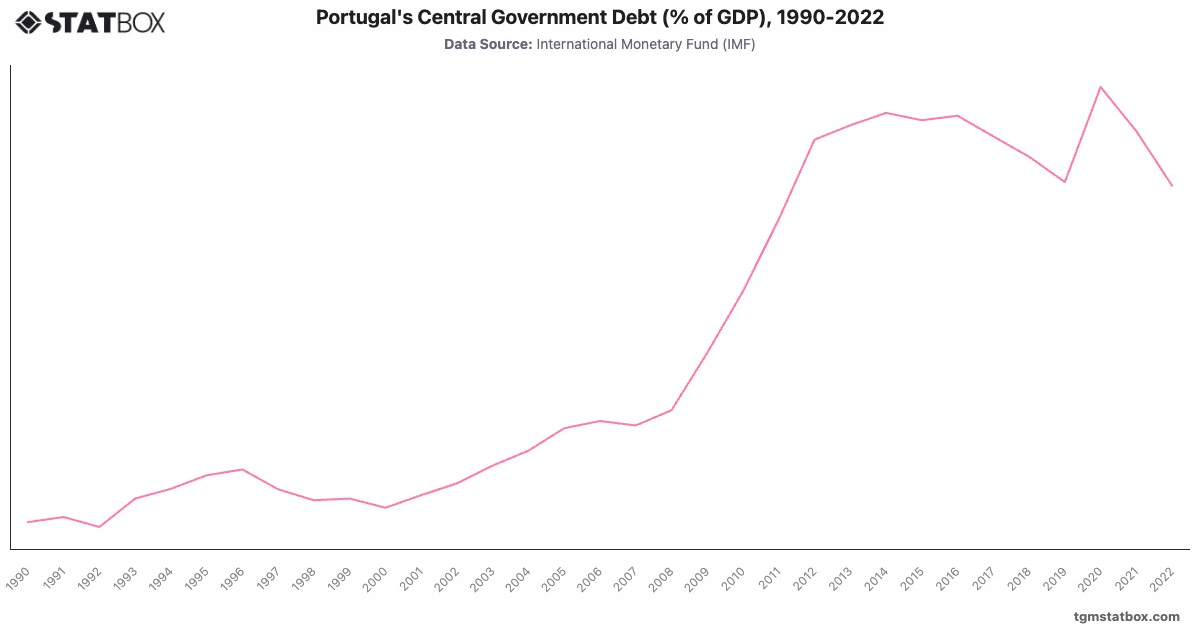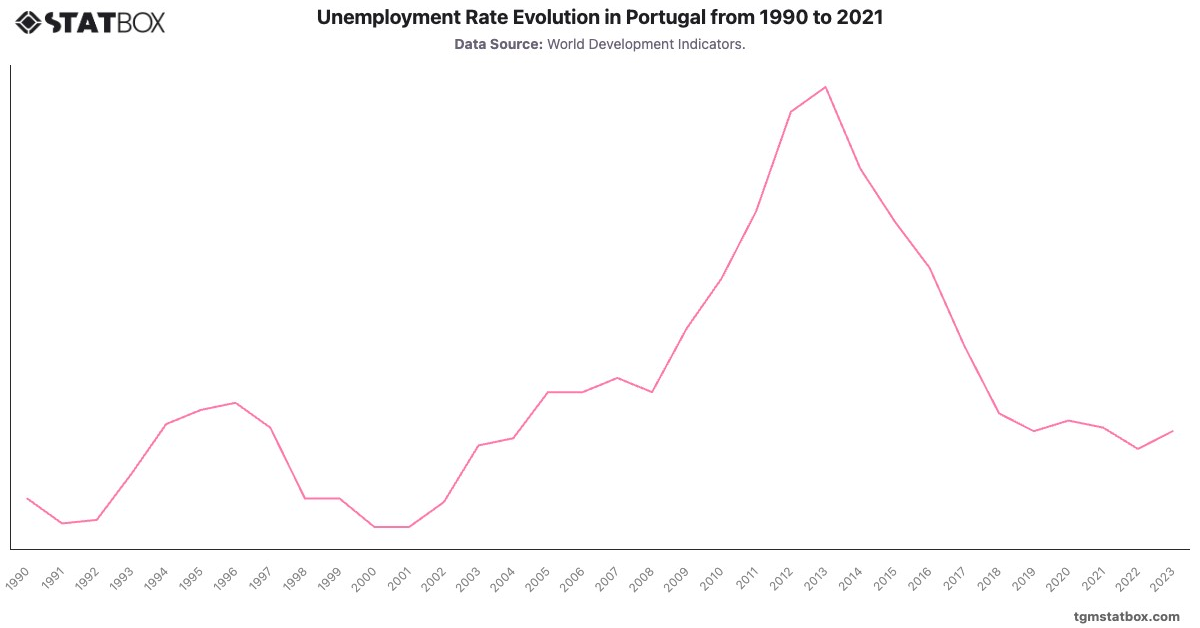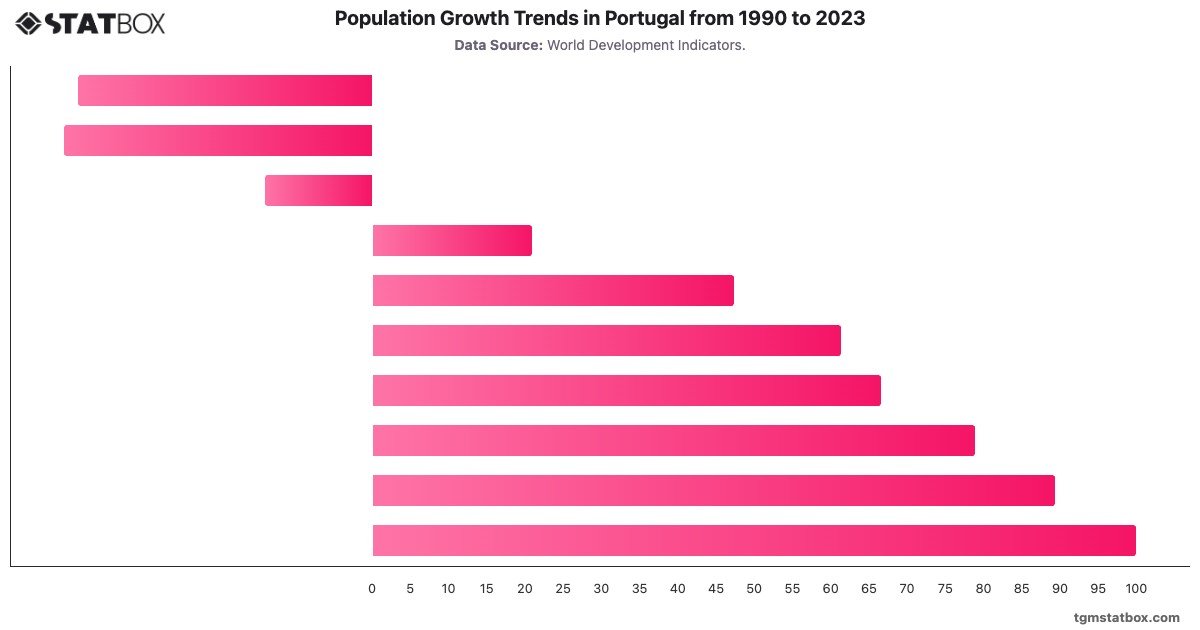
Portugal's population growth demonstrated periods of recovery interspersed with sustained declines. Early growth rates were negative but gradually improved in the 1990s, peaking at in 2000. This period of expansion coincided with economic growth, EU membership benefits, and increased immigration. However, from 2011 onward, population decline re-emerged due to economic recession and declining birth rates, with growth dipping to - by 2013.
A rebound occurred in the 2020s, partly driven by immigration and improved economic conditions. Notably, the population growth rate surged to in 2023, marking a significant recovery. Factors such as Portugal’s attractiveness as a destination for expatriates and returning citizens contributed to this positive trend, signaling a reversal of earlier demographic challenges.
A rebound occurred in the 2020s, partly driven by immigration and improved economic conditions. Notably, the population growth rate surged to in 2023, marking a significant recovery. Factors such as Portugal’s attractiveness as a destination for expatriates and returning citizens contributed to this positive trend, signaling a reversal of earlier demographic challenges.
Find out more through related statistics on Portugal’s unemployment rate trend, Portugal’s mortality rate trends, urban expansion in Portugal.