Insights library
Not sure where to start? Dive into a diverse selection of charts and data visualizations across topics, and find the information you need to drive your research and analysis.
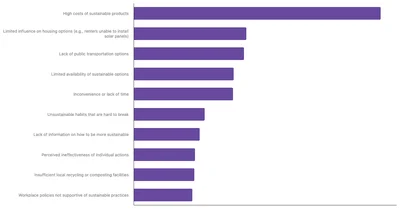

Cost remains the steepest hill on Austria’s path to sustainability: 51.7% of respondents flag high prices as their main barrier. Learn more on TGM StatBox.
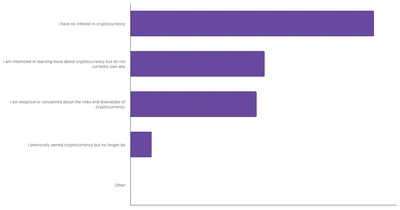
27.8% of respondents are interested in learning more about cryptocurrency but do not own any, while the majority remain uninterested, posing a challenge to wider adoption.
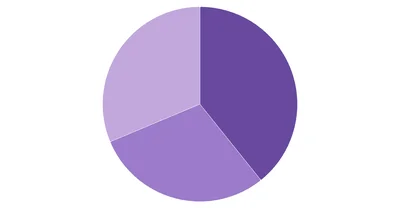
Digital currencies are gradually gaining traction and recognition in Italy, with a promising 39% of respondents familiar with cryptocurrencies like Bitcoin or Ethereum.
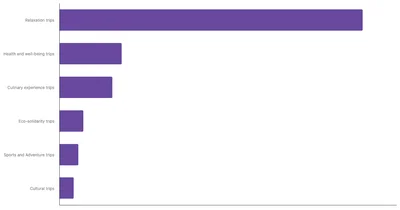
Chinese travelers overwhelmingly favor relaxation-focused trips (63%). Health and well-being and culinary experiences follow at a distance.
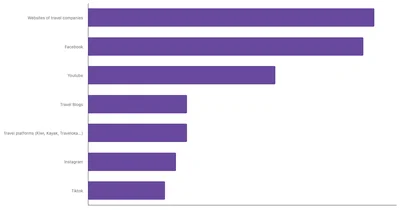
Europeans rely more on travel websites and Facebook than TikTok or Instagram, showing a preference for direct, reliable sources over influencer-driven content.
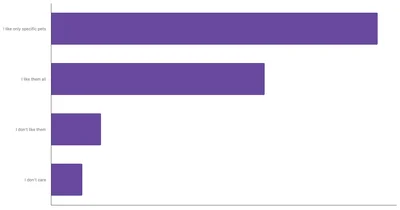
A significant proportion of respondents in Pakistan, 52%, prefer specific types of pets, indicating a selective attitude toward pet ownership in the country.
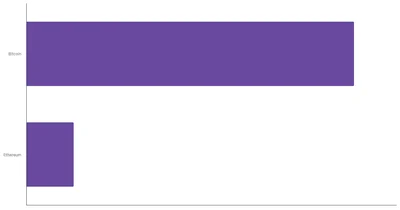
Bitcoin is the most widely traded cryptocurrency in Serbia, with 11.5% of respondents reporting that they have traded or used it.
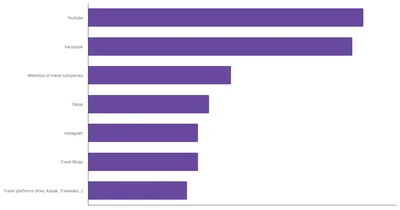
YouTube and Facebook lead travel inspiration for Singaporeans in 2025, with emotional, visual content shaping where wanderlust begins. Full data on TGM StatBox.
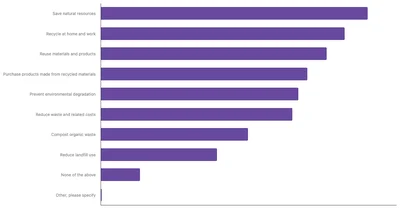
For many in Turkey, living the 3Rs means protecting what they already have. the most common 3R actions are saving natural resources and recycling at home or work.
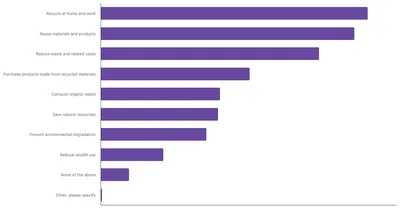
The most common aplication of 3Rs in Portugal are recycling at home or work (68%) and reusing materials and products (64%).
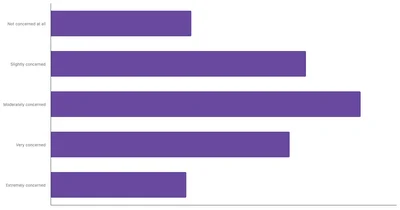
Climate concern in Austria simmers more than it blazes. Only 12.6% identify as extremely concerned, and a mere 22.1% are very concerned, surprising numbers in a country where climate impacts are increasingly visible.
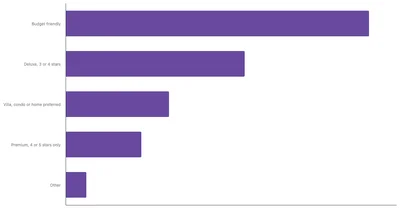
Chilean leisure travelers prioritize affordability, with 44% preferring budget-friendly accommodations and 26% opting for deluxe 3- or 4-star hotels.
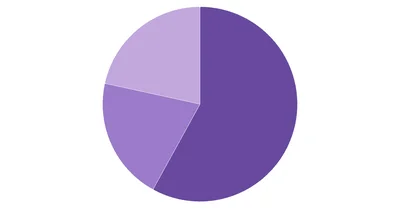
20.4% of respondents are not familiar with cryptocurrency at all. There is still room for further education and outreach to increase understanding.
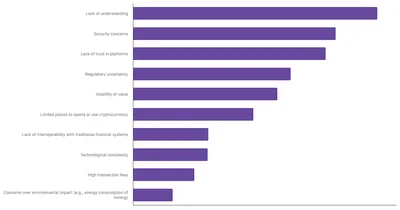
With 46% of respondents citing a lack of understanding as the biggest barrier, it’s clear that there is a significant gap in knowledge that needs to be addressed.
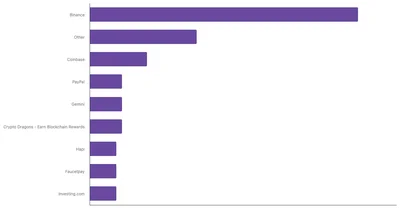
In Colombia, Binance is the clear favorite, with nearly half of crypto users saying they’ve used it. There’s a mix of smaller platforms and other exchanges in the mix.
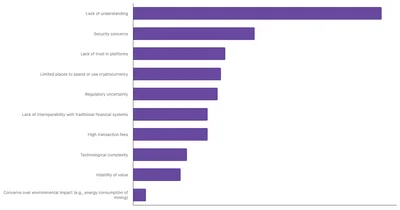
66% cite a lack of understanding as the biggest crypto adoption barrier, followed by security concerns, regulatory uncertainty, and high transaction fees.
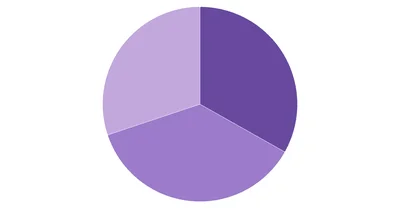
33% of Americans are familiar with cryptocurrency, representing a potential market that could be further engaged through targeted marketing and product offerings.
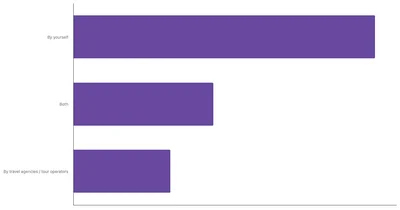
In 2025, over half of British travelers plan trips independently, driven by DIY tools, online access, and a growing demand for flexible travel. Full data on TGM StatBox.
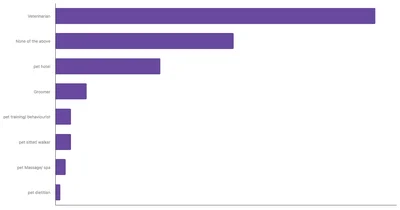
20% of Japanese respondents use pet hotels. This service provides flexibility for pet owners who travel or require temporary pet accommodation.
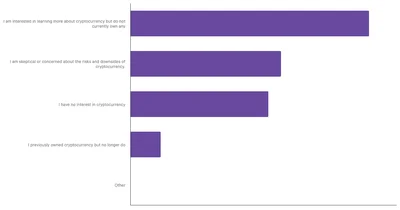
31% of Indonesian individuals are skeptical about the risks and downsides of cryptocurrency, highlighting a critical challenge—trust.
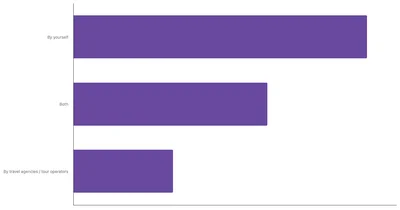
In 2025, most Qatari travelers plan trips on their own, valuing freedom and personalization, with some still blending expert help for complex journeys.
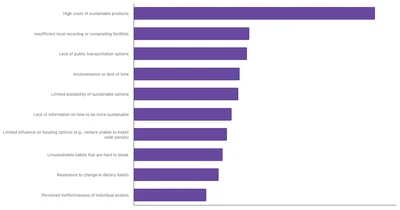
For many Europeans, the path to a more sustainable lifestyle is blocked by everyday challenges. The biggest barrier is cost, nearly half say sustainable products are simply too expensive.
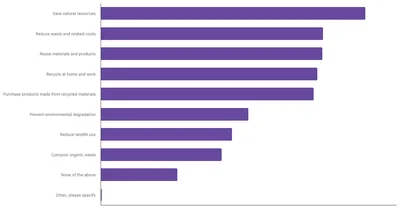
In Serbia, people apply the 3R concept in several practical ways that directly support sustainability. The most common approach is saving natural resources (45%).
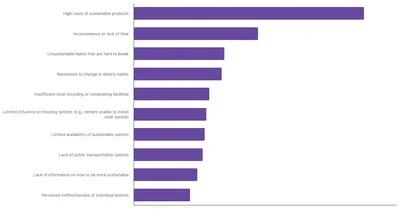
The high cost of sustainable products is the biggest obstacle to adopting a greener lifestyle, closely followed by the time and effort required to make such changes.
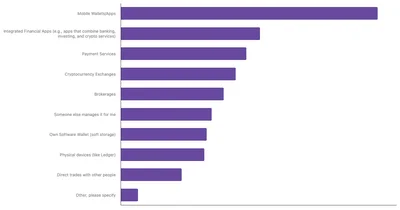
33.6% of Dutch respondents use mobile wallets for crypto storage, while exchanges and payment services remain popular despite security concerns.
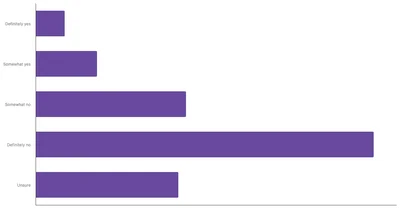
Despite Germany’s reputation for environmental leadership, the 3R concept Reduce, Reuse, Recycle remains largely unfamiliar to its citizens.
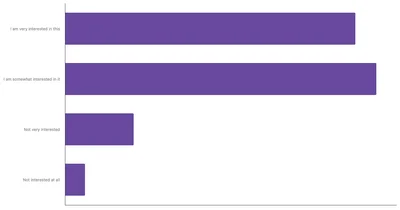
In Portugal, interest in sustainable living and climate action runs high. Nearly half of people describe themselves as “somewhat interested”.
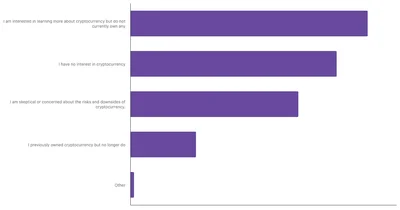
40.11% of Emiratis want to learn about crypto, but skepticism remains high, while a smaller group remains disinterested due to unclear benefits and perceived risks.
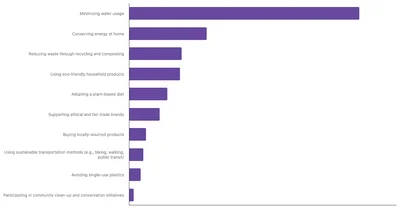
In Poland, the most common sustainable habit is minimizing water use, chosen by over 43% of people. Far fewer prioritize other eco-friendly actions such as energy conservation.
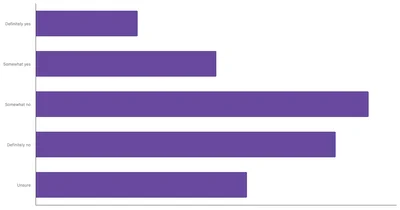
"The 3R concept has yet to gain widespread recognition in Turkey. Most people either don’t know it well or are unsure of its meaning, and fewer than 10% are fully familiar.