Insights library
Not sure where to start? Dive into a diverse selection of charts and data visualizations across topics, and find the information you need to drive your research and analysis.
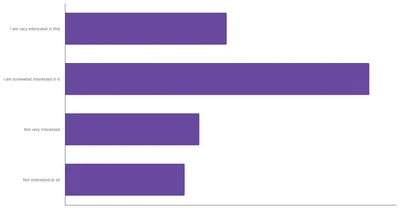

In Belgium, the momentum for climate-conscious living is growing but not without its hesitations. Only 22% of Belgians report being very interested in adopting sustainable practices.
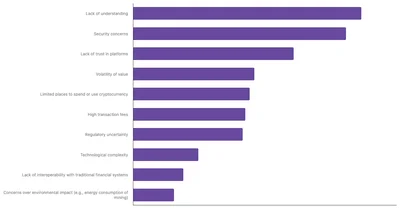
47.6% of Emiratis cite lack of understanding as the biggest barrier to crypto adoption, followed by security concerns and regulatory uncertainty.
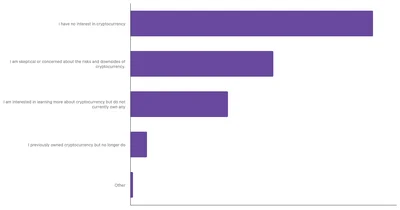
54.7% of Australians have no interest in cryptocurrency, while a sizable group is skeptical or concerned about the risks and downsides of cryptocurrency.
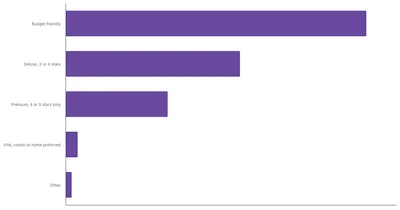
In summer 2025. most Indian travelers are choosing stays that are easy on the wallet, with half preferring budget-friendly accommodations. Full data on TGM StatBox.
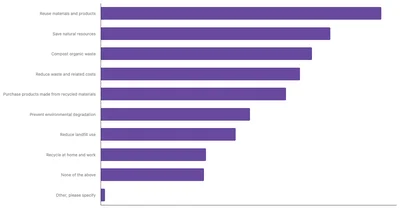
The “3R” principles — Reduce, Reuse, Recycle — are applied in different ways among Ukrianians, with reusing materials and products (43%) leading the way.
missing
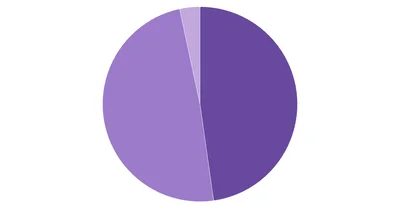
In Portugal, nearly 47.8% of the population has ventured into the world of digital currencies. However, just slightly more have never owned or used cryptocurrency.
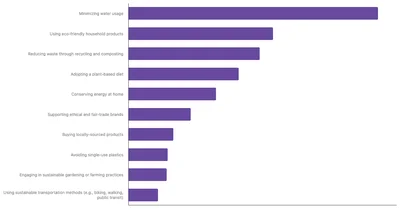
In Switzerland, the leading sustainable habits are minimizing water use (26%), using eco-friendly household products, and recycling or composting waste.
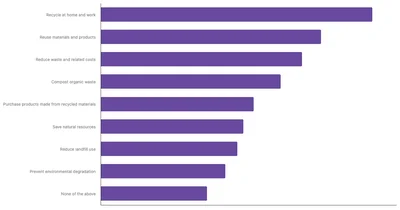
Recycling dominates Belgian 3R behavior. 45.9% report doing it both at home and at work, a clear reflection of widespread infrastructure and long-standing habits reinforced by regional waste collection systems.
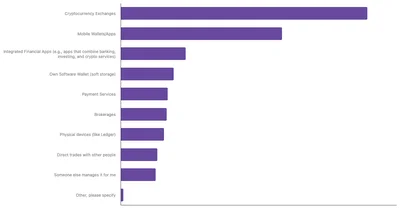
Cryptocurrency exchanges are the most popular storage option among Turks, followed by mobile wallets/apps as the second most preferred method.
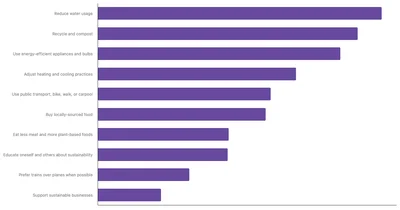
Italians are tackling their carbon footprint with a mix of practical home habits and selective lifestyle shifts. The most common action is reducing water usage (57%).
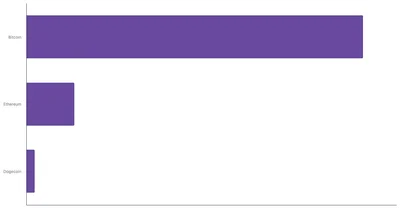
Bitcoin is the most traded cryptocurrency in South Africa, with 30.9% of respondents reporting usage, while Ethereum also maintains a strong, dedicated user base.
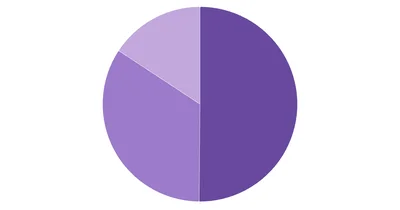
Cryptocurrency awareness in Thailand is relatively high, with 50% of respondents reporting familiarity with popular cryptocurrencies such as Bitcoin and Ethereum.
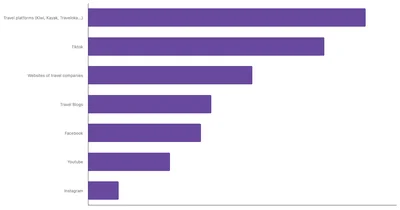
In 2025, Chinese tourists primarily turn to travel platforms like Kiwi, Kayak, and Traveloka for destination ideas. TikTok follows closely at 23%.
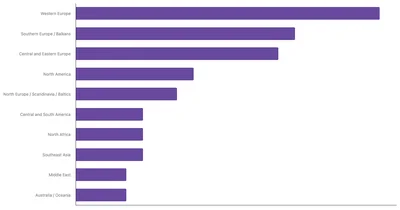
In 2025, European travelers prioritize nearby destinations within the continent, favoring sustainable and cost-conscious trips in Western, Southern, and Central Europe.
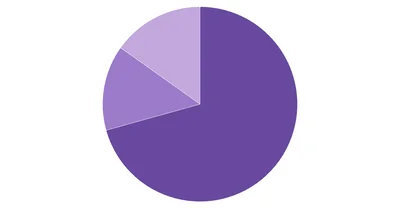
With 70.7% of respondents reporting familiarity with cryptocurrencies like Bitcoin and Ethereum, this indicates a strong foundation of awareness among the population.
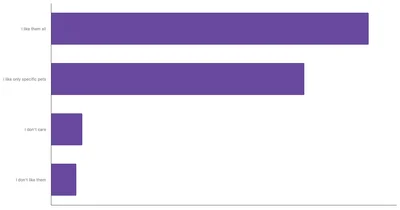
Worldwide, pet ownership reveals varied preferences, with 50.58% of respondents expressing a fondness for all pets, while 40.34% prefer specific species.
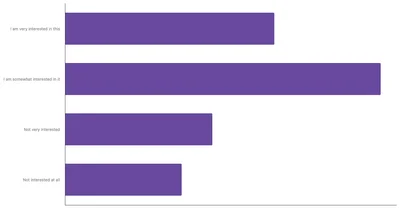
"In the UK, most people show at least some interest in living more sustainably and tackling climate change. The largest share, 40%, are somewhat interested.
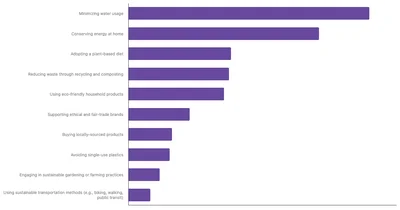
In the Netherlands, sustainable living often starts with everyday habits like minimizing water use (25%) and saving energy at home.
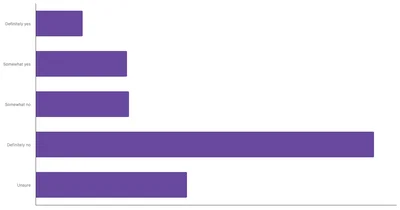
"In the UK, awareness of the “3R” concept — Reduce, Reuse, Recycle — remains low. Nearly half (47%) say they are definitely not familiar with it, and one in five are unsure.
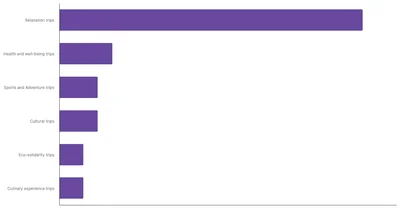
Relaxation dominates 2025 U.S. travel preferences, as Americans seek balance and mental reset over adventure or cultural trips. Full data on TGM StatBox.
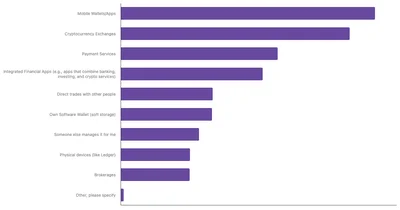
The most popular method for storing cryptocurrency among Saudis is mobile wallets/apps, with 41.5% of respondents opting for this option.
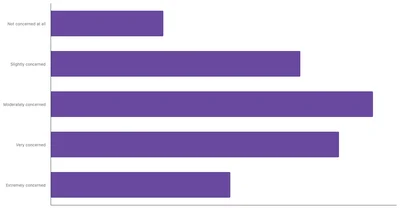
In Ireland, 28% of respondents say they are moderately concerned about climate change, with a close 25% identifying as very concerned.
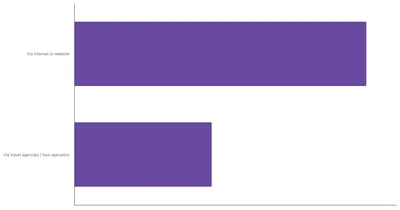
68% of Indonesians book travel online in 2025, showing strong preference for digital convenience while agencies remain relevant for curated trips.
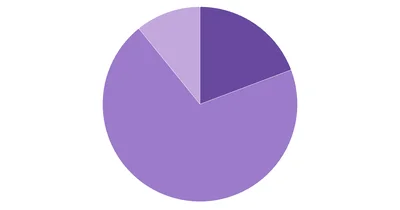
Only 19.3% of respondents in New Zealand have owned or used cryptocurrency, while a larger portion has not engaged with it.
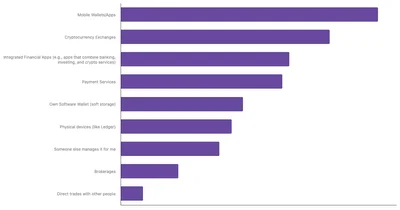
A prominent trend is the use of mobile wallets/apps, with 37.3% of Singaporean respondents relying on them for storing their cryptocurrency.
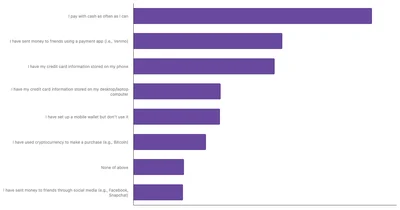
Cash remains a dominant payment method for 49.9% of South Africans, likely due to factors such as familiarity and limited access to digital banking solutions in some regions.
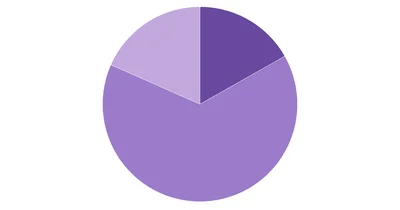
18.4% are somewhat familiar with cryptocurrency, indicating a moderate level of understanding, but there is still potential for deeper engagement.
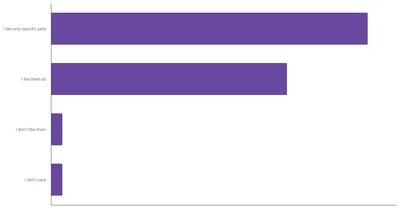
A majority of Filipinos (55%) prefer specific types of pets. This suggests a selective approach towards pet ownership, where certain animals are favored over others.
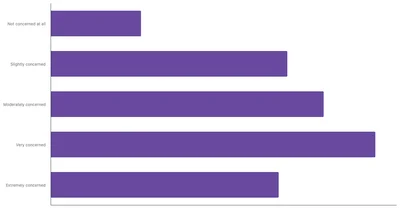
Climate concern runs high in Spain, with more than half in the “very” or “extremely concerned” groups. The small share of unconcerned respondents shows broad awareness.