Insights library
Not sure where to start? Dive into a diverse selection of charts and data visualizations across topics, and find the information you need to drive your research and analysis.
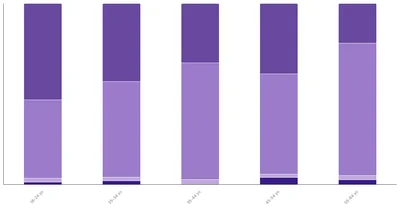

53% of Filipinos aged 18-24 like all pets, while 73% of those aged 55-64 prefer specific pets. Overall, interest in pets is high across all ages.
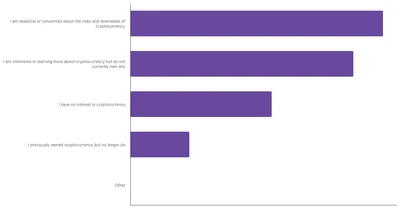
The largest group of respondents expresses skepticism or concern about the risks and downsides of cryptocurrency, such as security issues, regulatory challenges, or volatility.
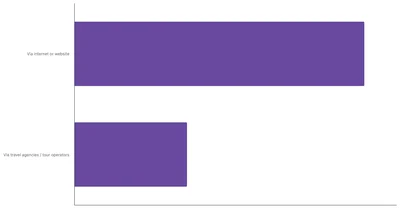
In 2025, 72% of Saudis book travel online, but agencies still play a role for premium, complex, or guided trips. Full data on TGM StatBox.
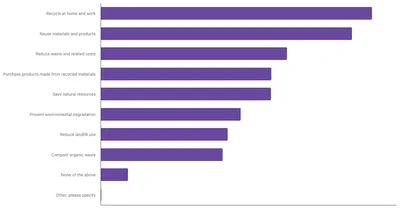
In Romania, nearly 60% say they recycle at home or work, and over half reuse items to give them a second life. A slightly smaller group focuses on reducing waste.
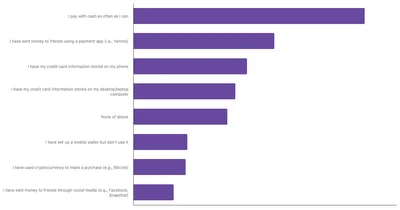
Cash remains preferred in Switzerland, with 39.5% favoring it. While mobile payments are growing, cryptocurrency transactions remain limited.
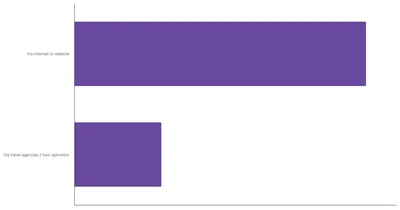
In 2025, 77% of Poles book travel online, reflecting digital confidence and a growing move away from offline travel services. Full data on TGM StatBox.
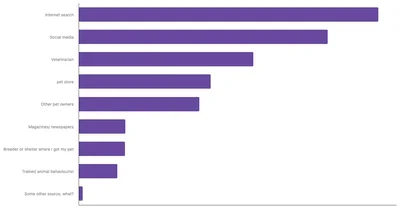
Indonesian pet owners primarily rely on internet searches, with 70.75% utilizing online resources to learn about best care practices for their pets.
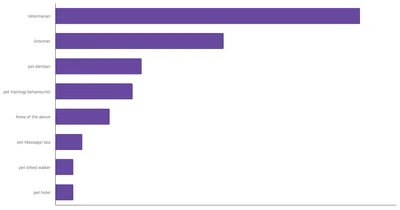
In Egypt, the most commonly used pet service is veterinary care, with 67% of pet owners utilizing this essential health service.
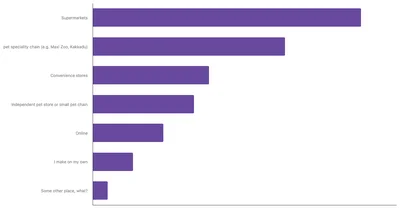
In Croatia, supermarkets dominate as the preferred choice for purchasing pet food, with 53% of respondents opting for this convenient option.
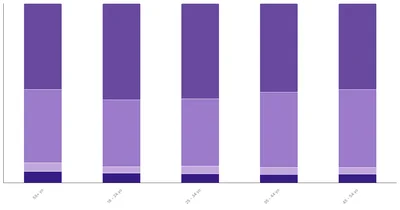
52.12% of females and 49.07% of males expressed a positive sentiment toward pets, with younger adults (18-24 years) showing the highest appreciation at 53.85%.
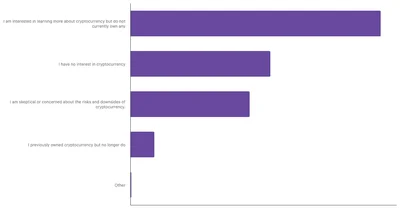
28.9% of Serbians report having no interest in cryptocurrency, possibly viewing it as unnecessary, risky, or outside their financial priorities.
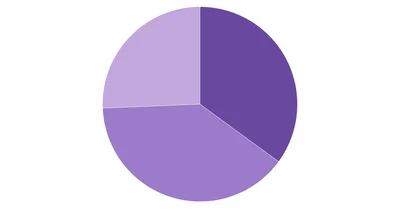
Despite growing awareness, nearly two-thirds of Australians lack full familiarity with crypto, signaling a need for education, clearer regulations, and secure platforms.
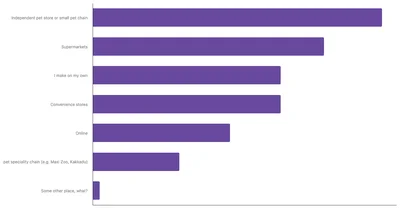
Both convenience stores and homemade pet food are significant sources. The high percentage of homemade pet food is notably above the global average.
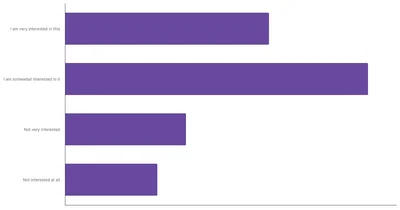
In Europe, many people show interest in living more sustainably and addressing climate change, but the level of commitment varies. About 28% say they are very interested.
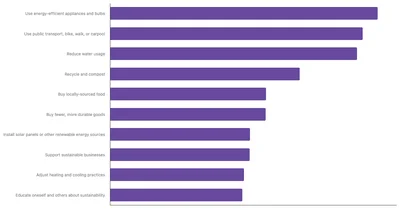
In Turkey, the most common actions to cut carbon emissions include using energy-efficient appliances and bulbs (51%), choosing public transport, biking, walking, or carpooling.
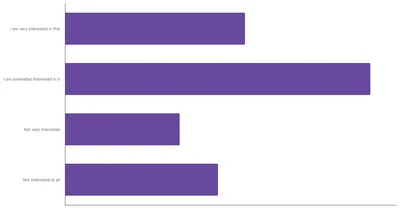
Many Swiss show an openness to sustainability, with the largest share (40.5%) describing themselves as “somewhat interested.” A smaller but notable group are highly engaged.
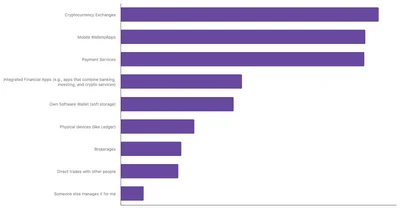
Around 36% of Poles use cryptocurrency exchanges and about 34% use digital payment services, highlighting a strong preference for convenient, app-based financial tools.
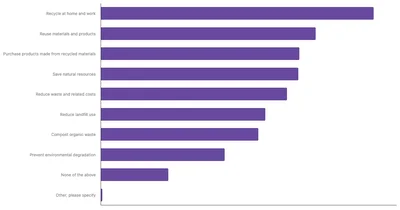
For many people in Poland, the “3R” principles show up most in everyday recycling, just over 50% say they recycle at home or work. A smaller group makes an effort to reuse items.
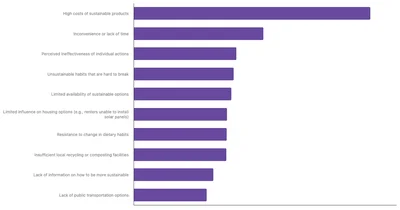
For many people in Poland, the biggest obstacle to living more sustainably is cost. Nearly 45% say eco-friendly products are simply too expensive.
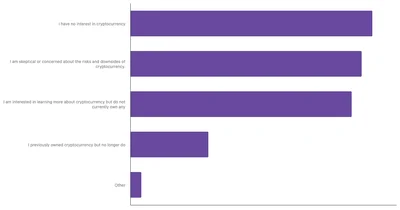
A significant portion of Saudis remains uninterested in cryptocurrency, with some expressing skepticism or concerns about the risks and downsides associated with it.
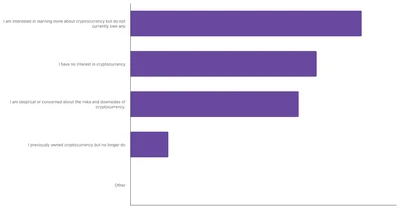
Nearly 43% of Chileans want to learn more about cryptocurrency, while others are uninterested or concerned about its risks and volatility.
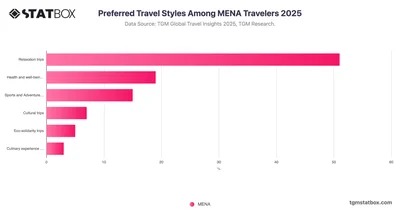
51% of MENA travelers favor relaxation trips, while wellness travel thrives thanks to luxury desert retreats and halal-focused experiences across the region.
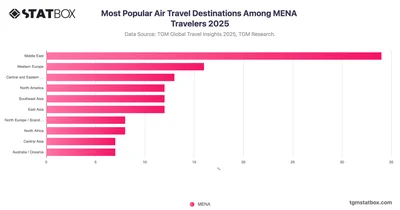
34% of MENA travelers stay within the region, driven by domestic campaigns and religious travel—while affluent segments branch into Europe, Asia, and North America.
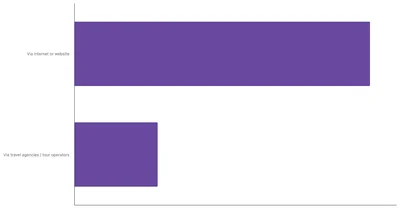
78% of Chilean travelers book their trips online via websites. This strong digital preference reflects growing confidence in self-service tools and mobile booking convenience.
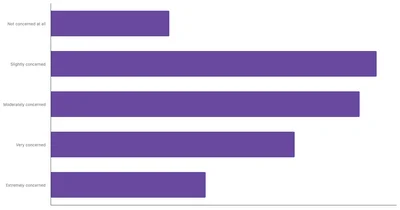
Most Serbians acknowledge climate change as an issue, though for many it’s not yet a top priority. A combined 55% express slight or moderate concern.
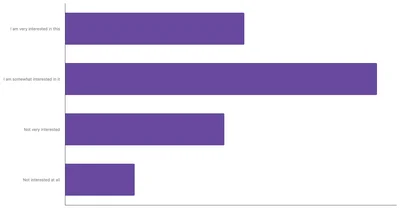
In Serbia, most people show at least some interest in sustainability and climate issues. About 43% are somewhat interested and roughly half of that are very interested
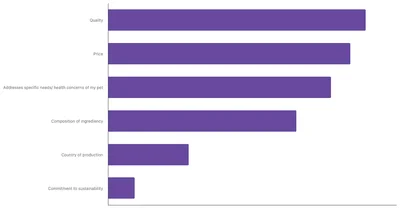
For Japanese pet owners, 67% prioritize quality when buying pet food, while 63% consider price an important factor.
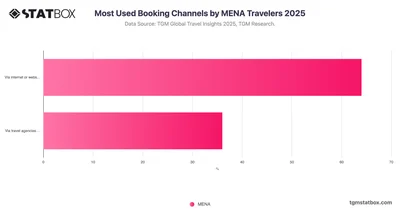
With only 64% booking online, MENA has the lowest digital adoption, highlighting a sustained reliance on agencies, especially for tailored and luxury trips.
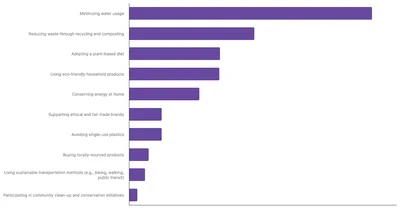
Minimizing water usage stands out as the top sustainable lifestyle choice among Italians at 33%. Recycling and composting follow second.
missing