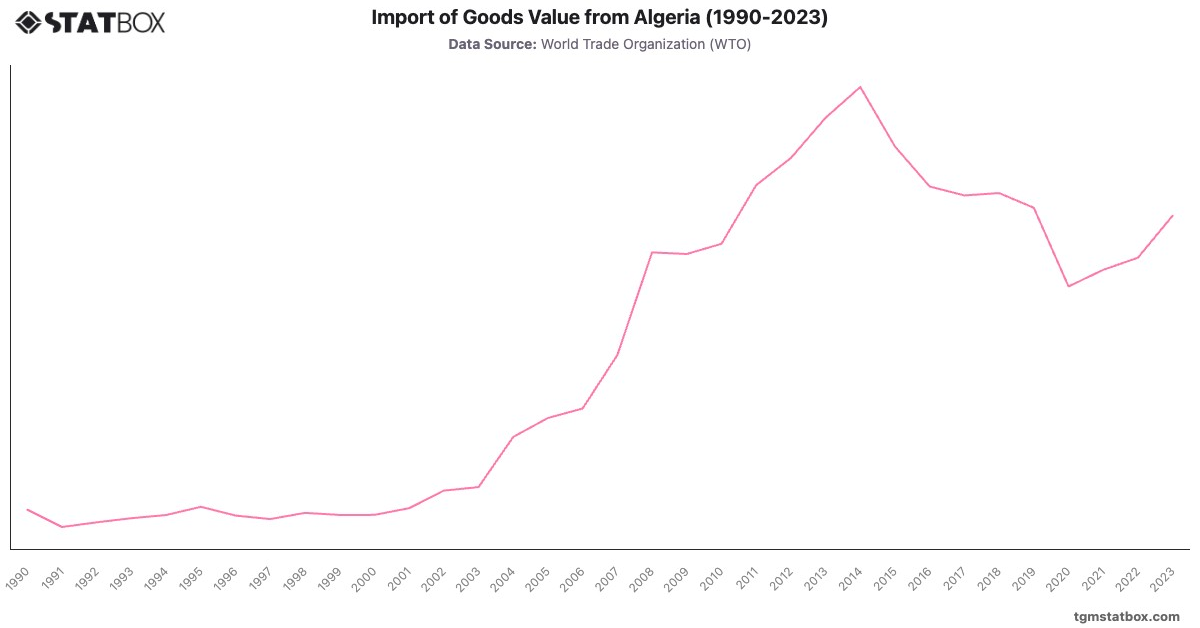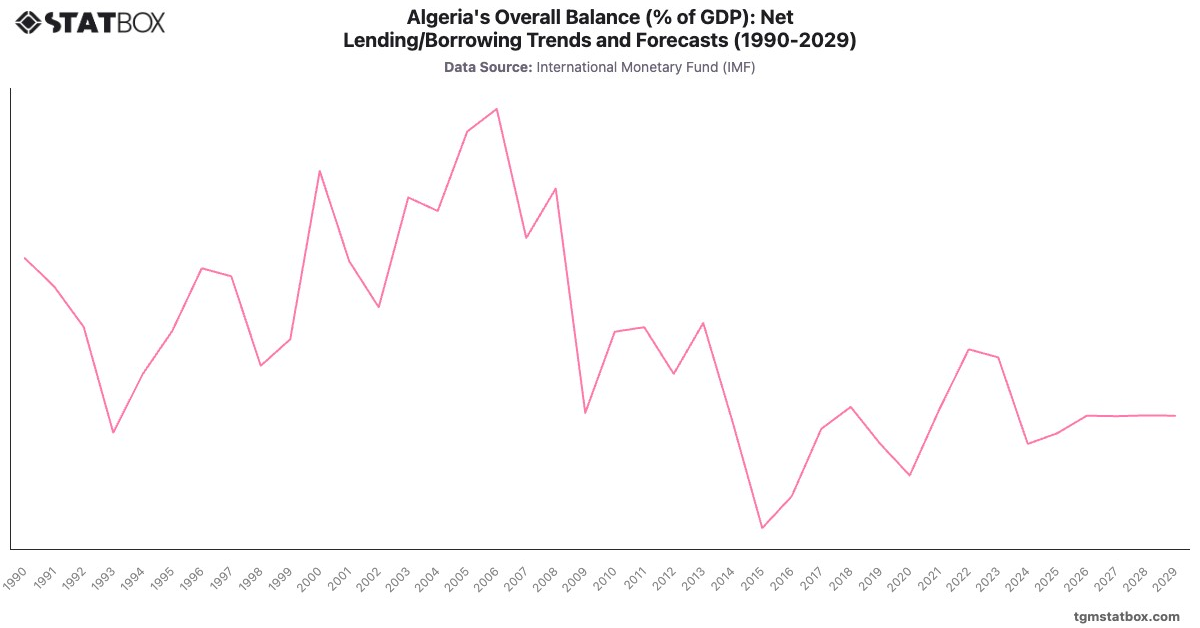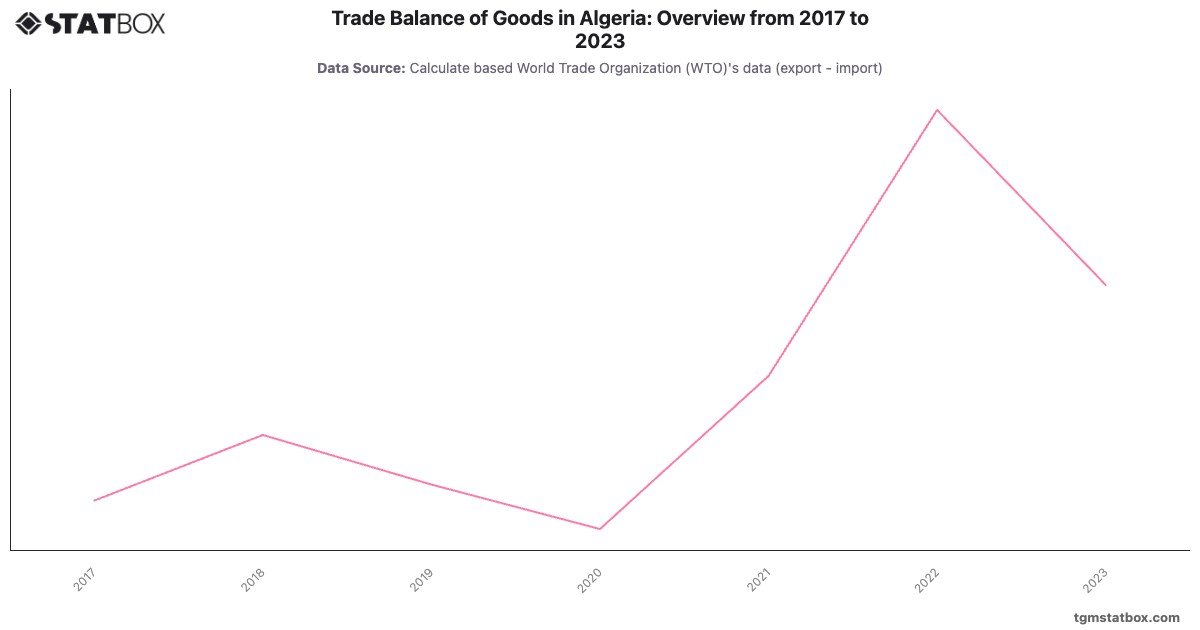
Algeria’s trade balance of goods shifted dramatically from a deficit of -10,868 million USD in 2017 to a surplus of 26,849.7 million USD in 2022, driven largely by fluctuations in global oil and gas prices. After a peak deficit of -13,615 million USD in 2020, linked to declining energy demand during the pandemic, the country’s trade balance recovered sharply as hydrocarbon exports surged in 2021 and 2022, fueled by rising global energy prices and increased demand.
By 2023, the surplus moderated to 9,950.1 million USD, reflecting potential adjustments in global energy markets and domestic export capacities. Algeria's trade balance trends underscore its dependence on hydrocarbons, with oil and gas accounting for the vast majority of export revenues, while imports of manufactured goods remain steady.
By 2023, the surplus moderated to 9,950.1 million USD, reflecting potential adjustments in global energy markets and domestic export capacities. Algeria's trade balance trends underscore its dependence on hydrocarbons, with oil and gas accounting for the vast majority of export revenues, while imports of manufactured goods remain steady.
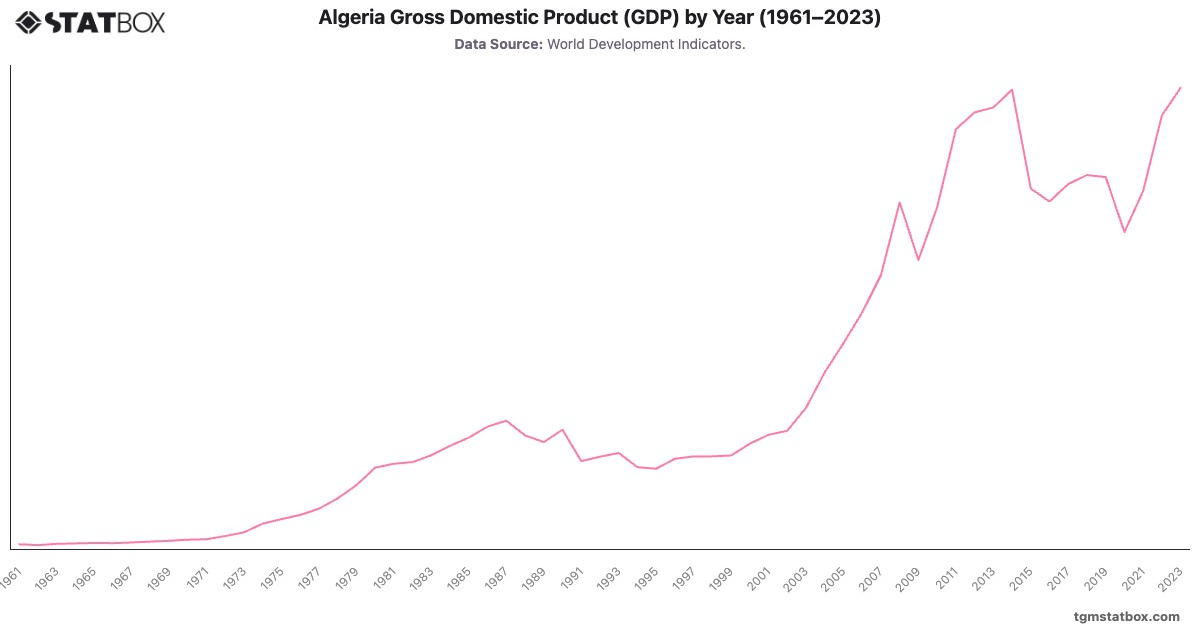
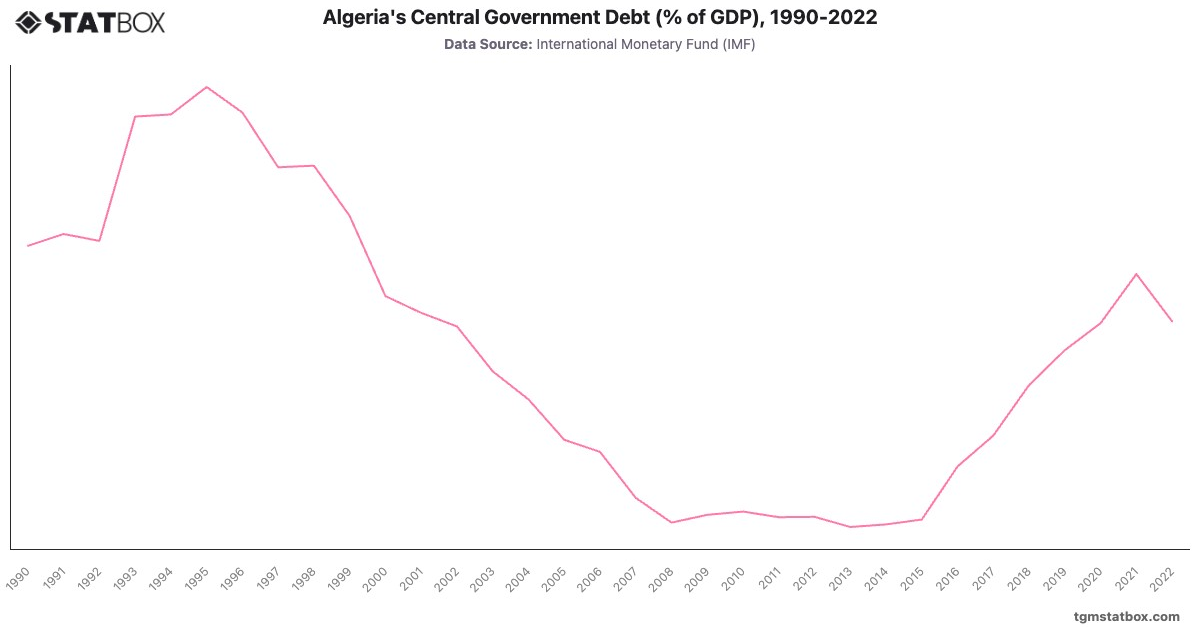
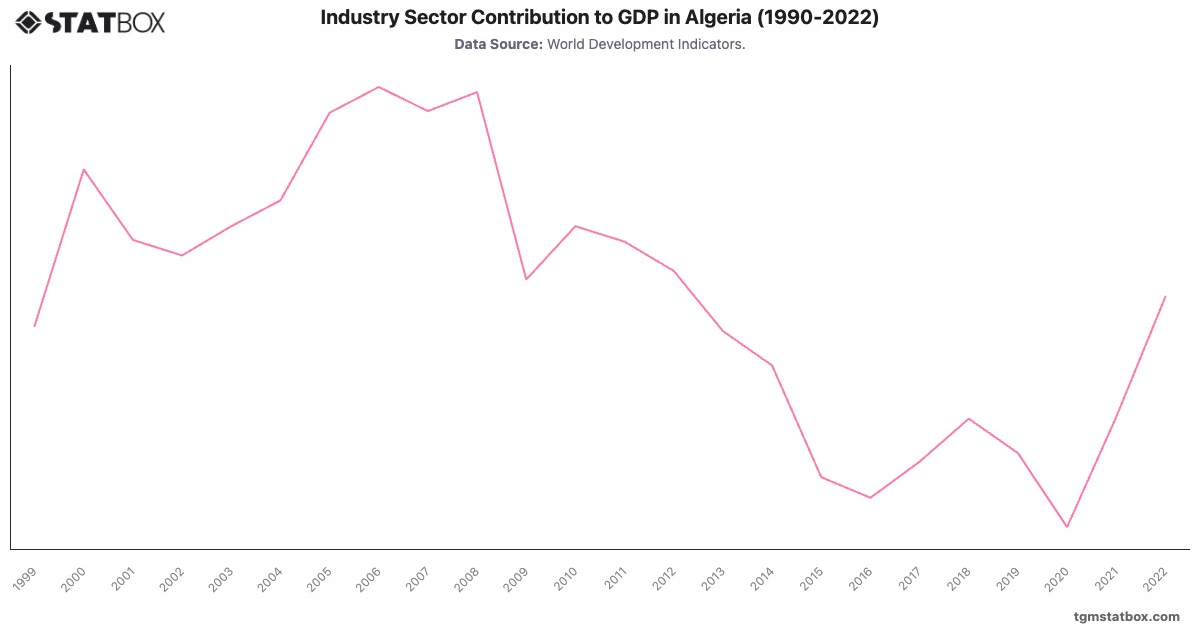
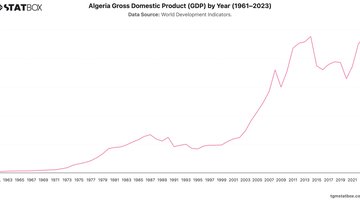
Gain a broader perspective by reviewing Algeria’s annual GDP estimates, industry sector’s share in Algeria’s GDP, Algeria’s central government debt ratio.