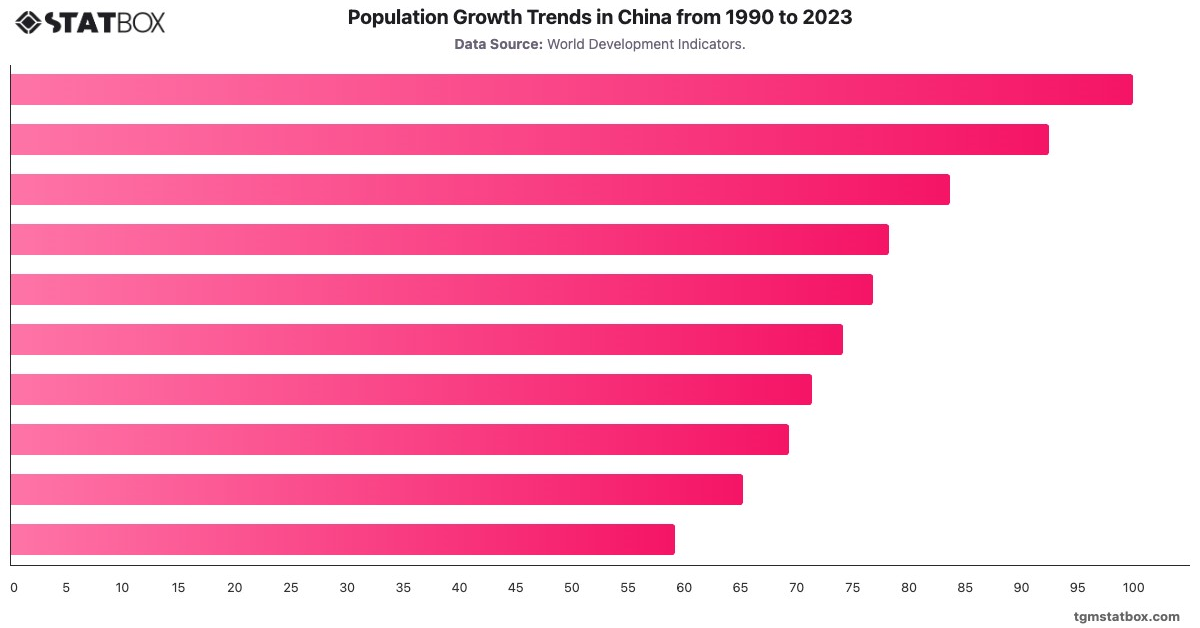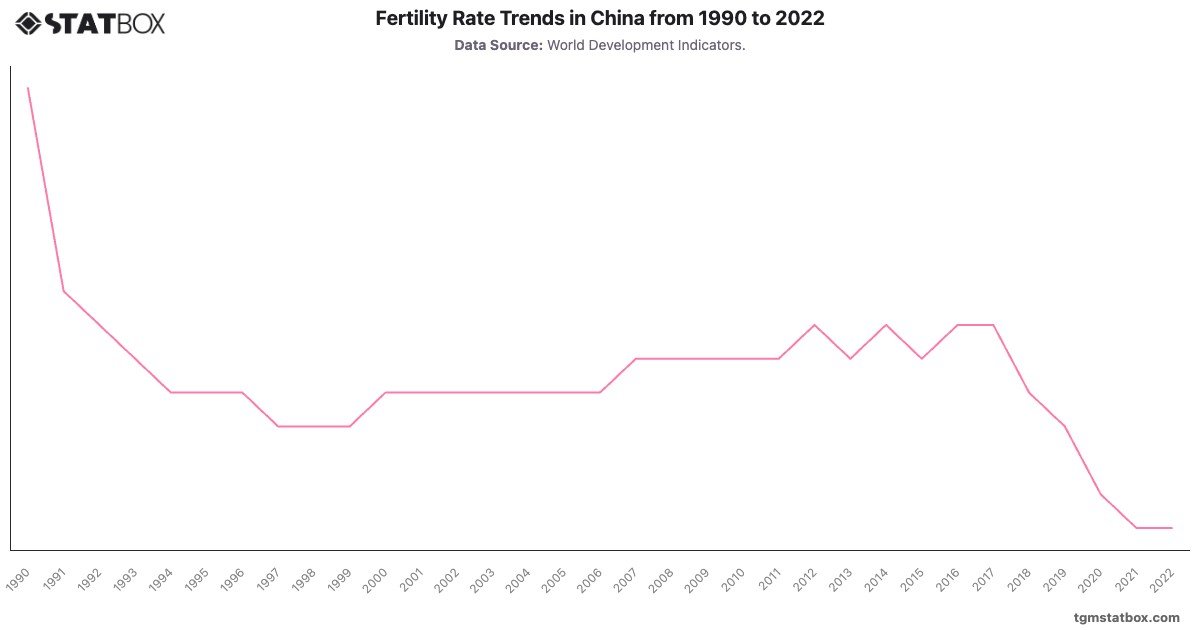
China's fertility rate fell dramatically from 2.5 in 1990 to 1.2 in 2022, shaped by strict family planning policies and economic transformations. The one-child policy implemented in the late 20th century significantly reduced rates to 1.5 by 1997. While slight increases occurred around 2012–2017 due to policy relaxations, including the introduction of the two-child policy, these changes failed to reverse the downward trend.
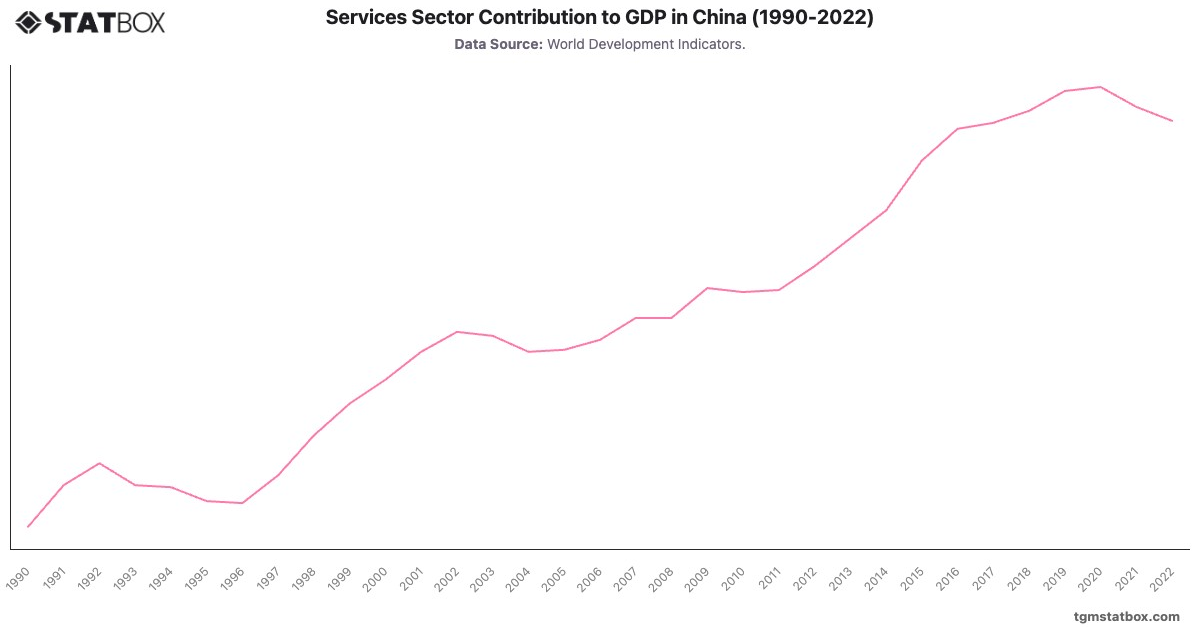
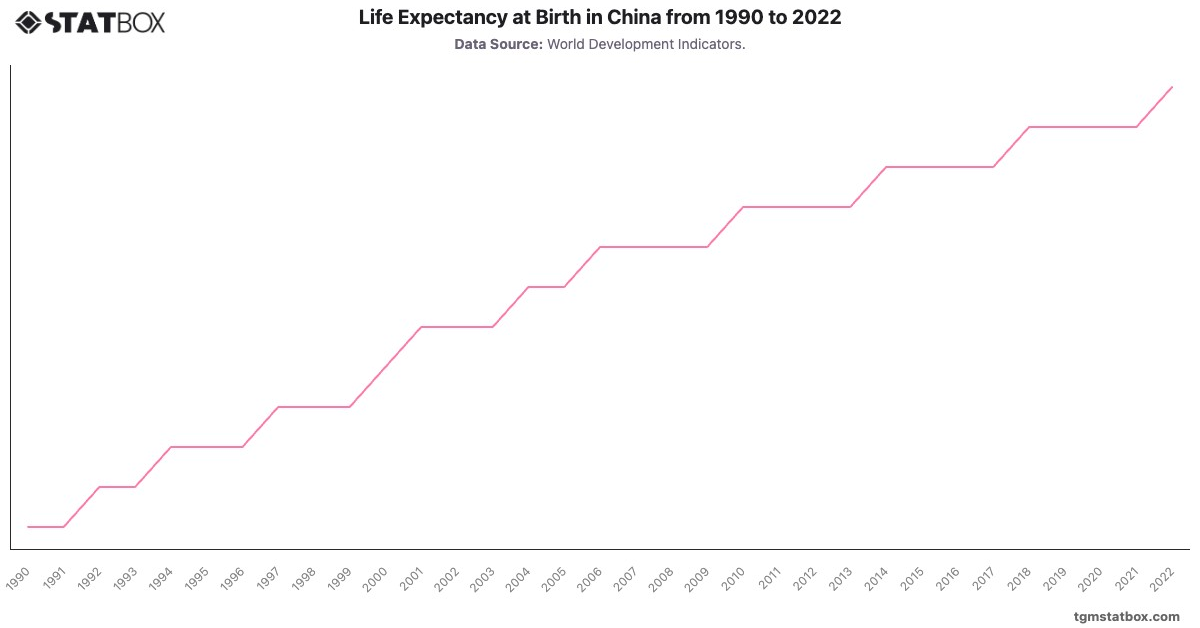
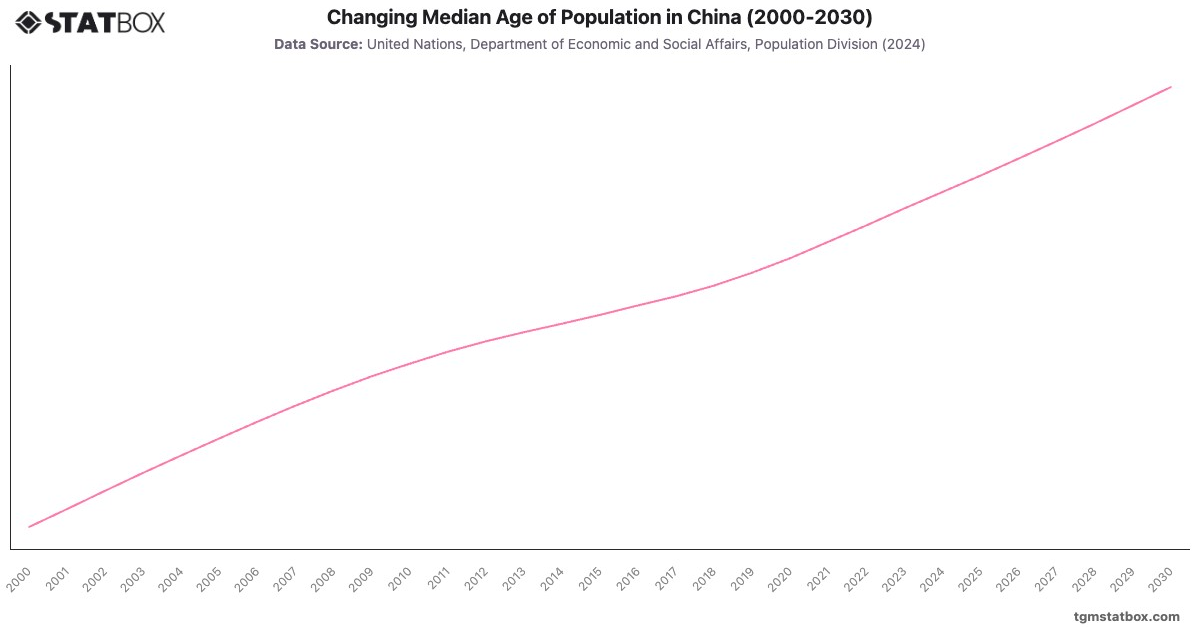
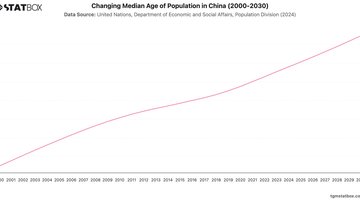
The rapid economic growth, rising costs of living, and cultural shifts contributed to declining fertility, with the COVID-19 pandemic accelerating the drop to 1.2 in 2022. The aging population and shrinking workforce pose significant challenges for the country's long-term economic sustainability.
The rapid economic growth, rising costs of living, and cultural shifts contributed to declining fertility, with the COVID-19 pandemic accelerating the drop to 1.2 in 2022. The aging population and shrinking workforce pose significant challenges for the country's long-term economic sustainability.
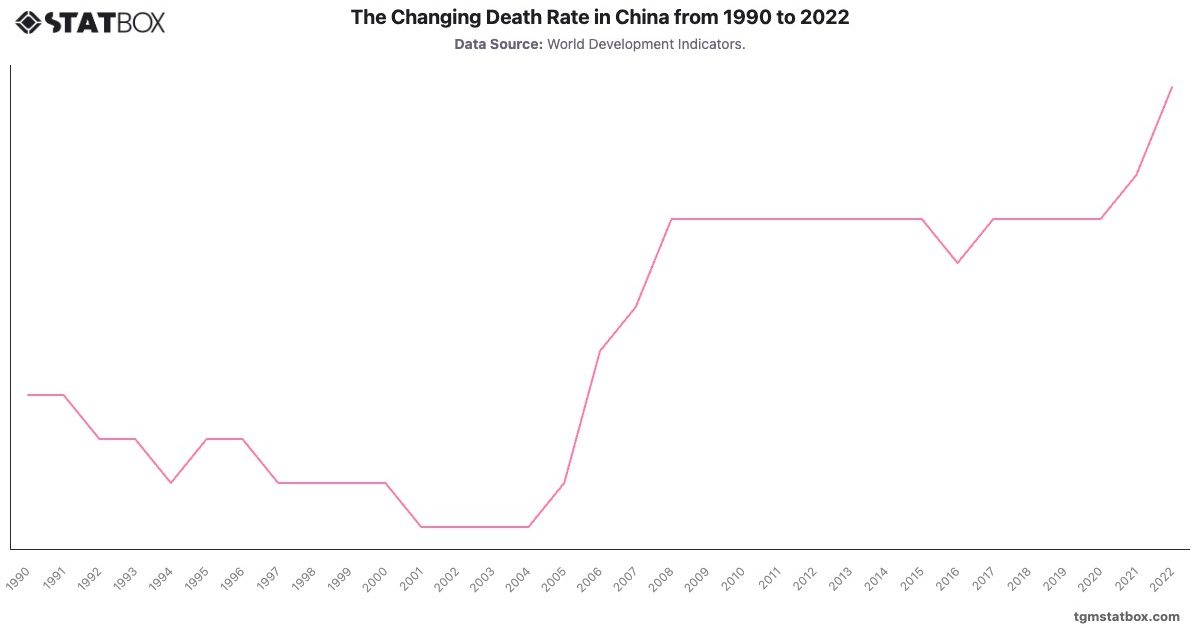
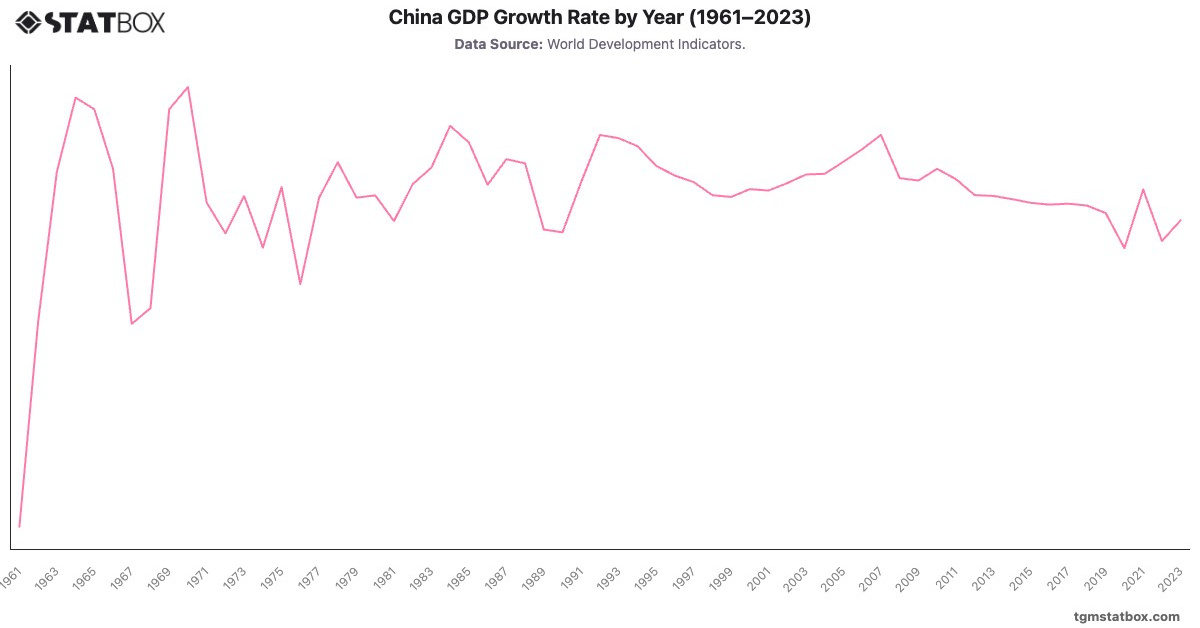
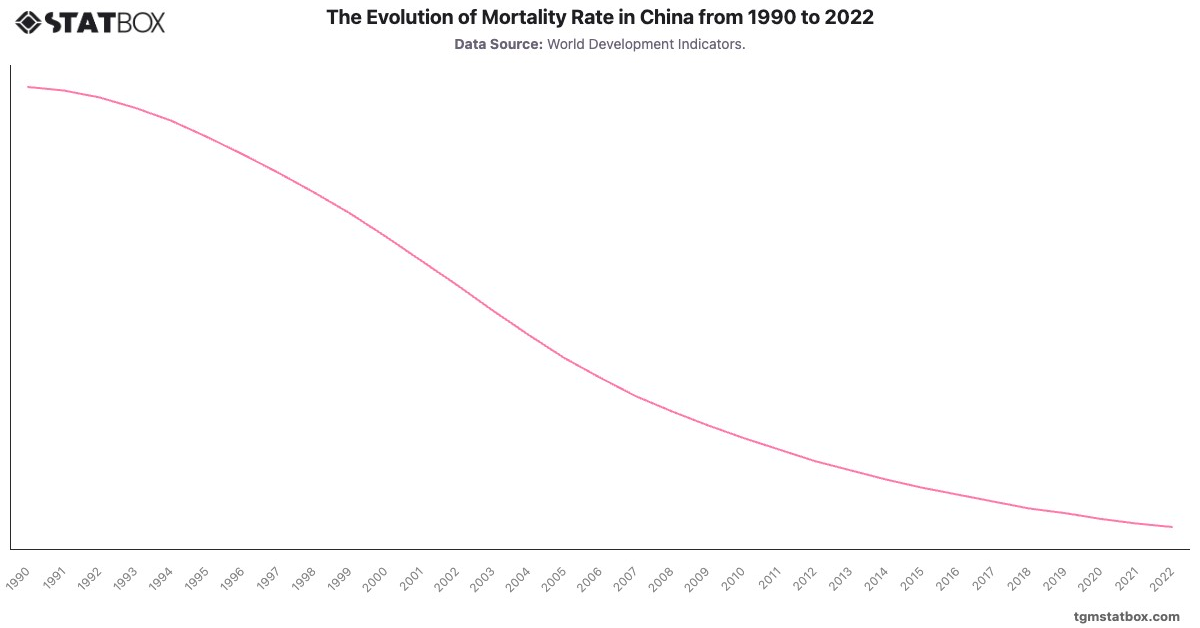
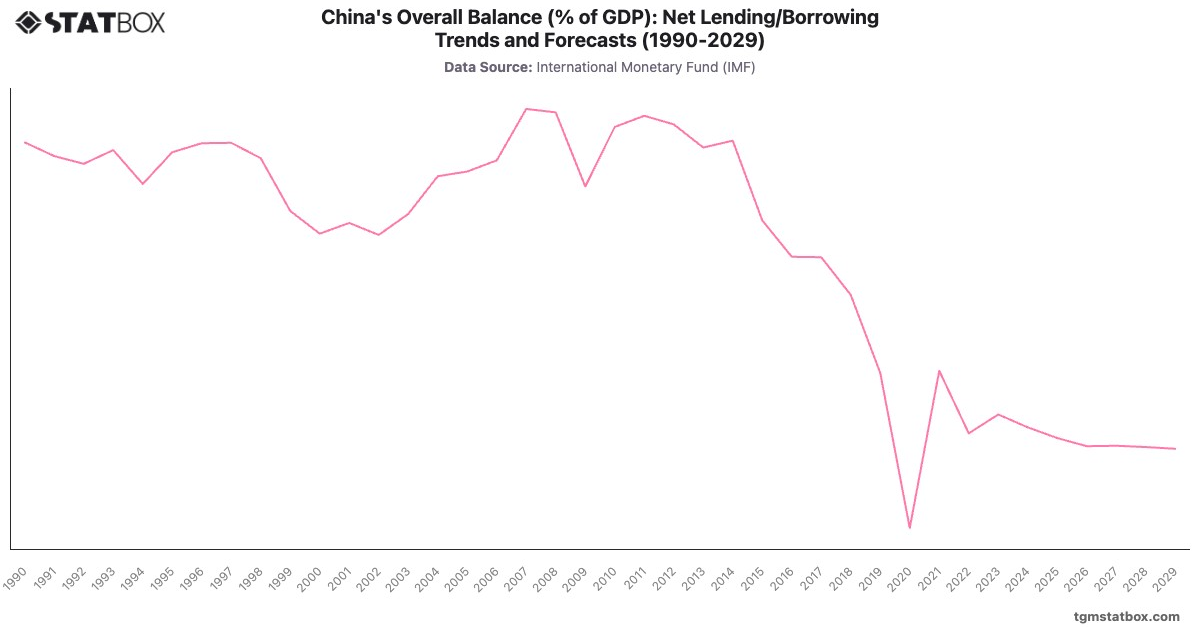
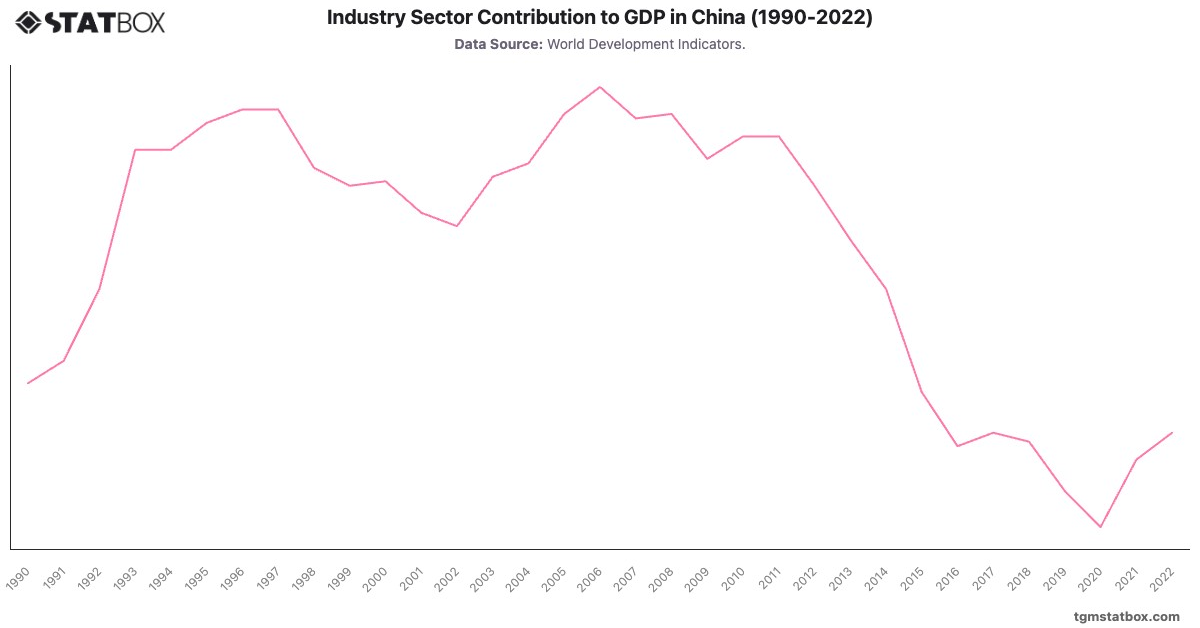
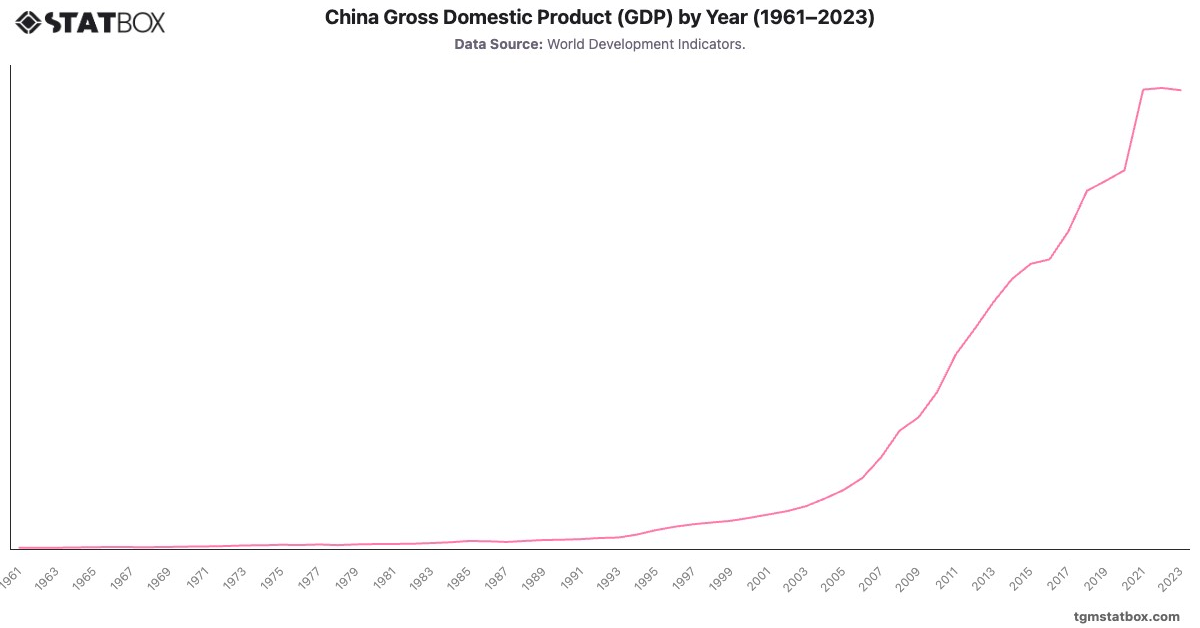
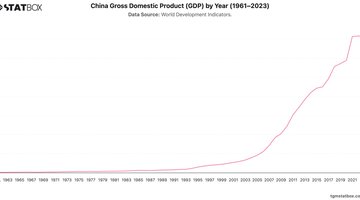
Explore related charts to gain a better understanding of China’s annual GDP growth rate, China’s annual GDP figures, China’s death rate changes.