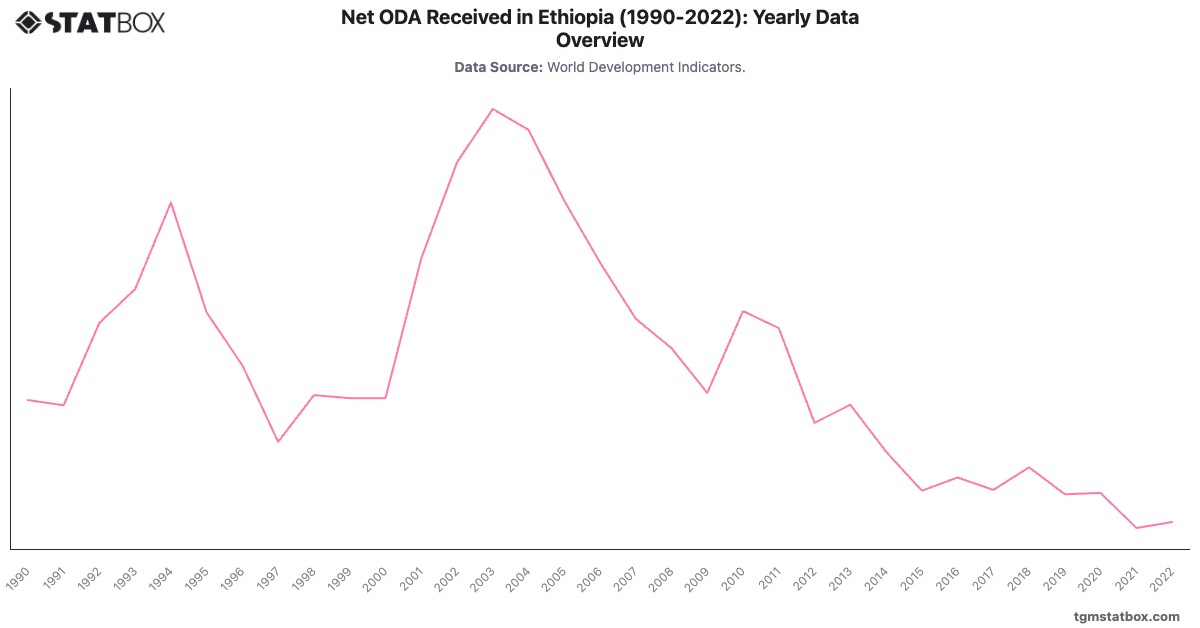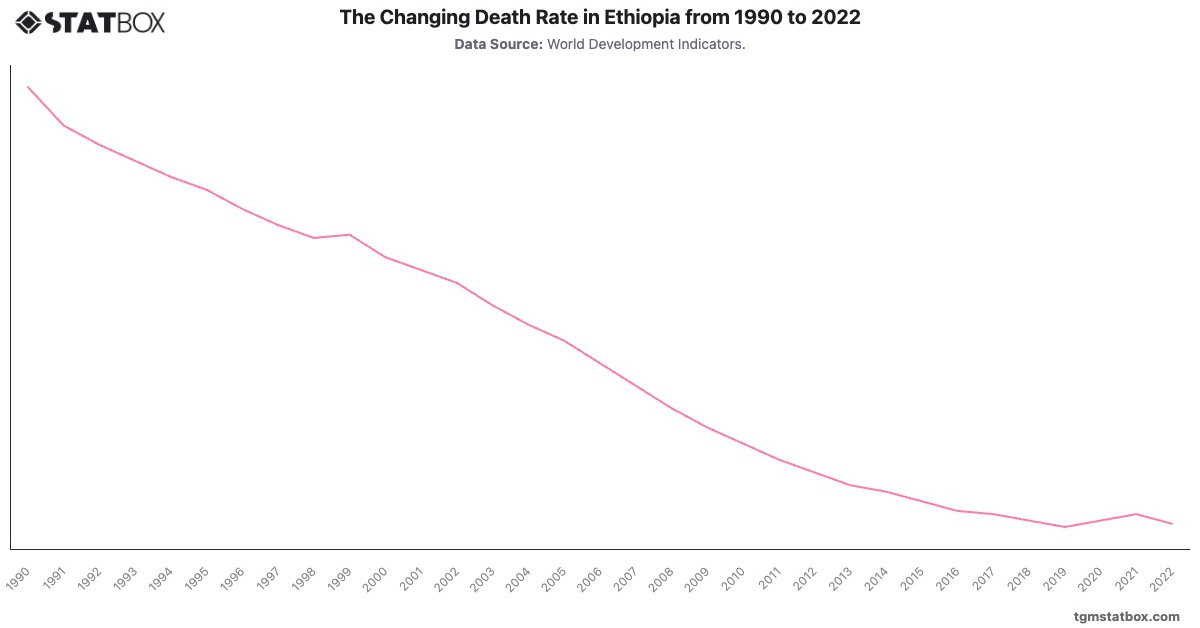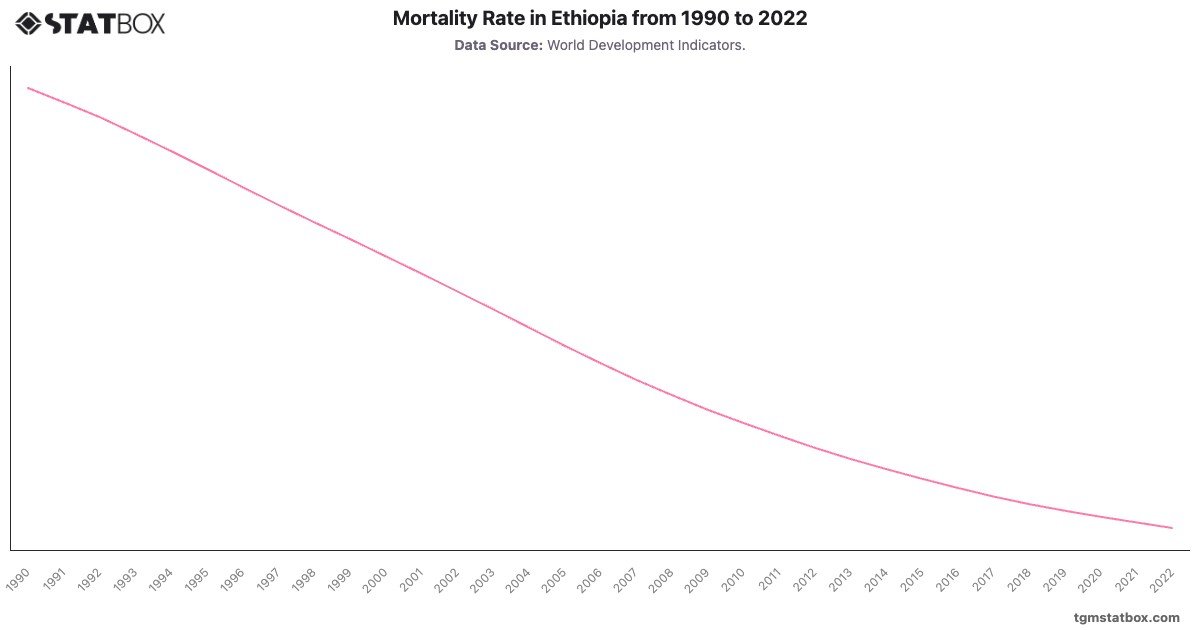
Ethiopia's mortality rate dropped significantly from 120.5 in 1990 to 33.9 in 2022, reflecting the country’s commitment to improving public health. During the 1990s, the mortality rate declined modestly to 87.4 by 2000, as immunization programs and international aid began addressing infectious diseases like malaria and tuberculosis.
After 2000, the decline accelerated, reaching 54.6 by 2010. This period saw increased investments in healthcare infrastructure and community health workers. By 2022, the mortality rate had fallen to 33.9, driven by improvements in maternal and child health services and expanded access to clean water. Despite these gains, Ethiopia still faces challenges related to poverty and rural healthcare access.
After 2000, the decline accelerated, reaching 54.6 by 2010. This period saw increased investments in healthcare infrastructure and community health workers. By 2022, the mortality rate had fallen to 33.9, driven by improvements in maternal and child health services and expanded access to clean water. Despite these gains, Ethiopia still faces challenges related to poverty and rural healthcare access.
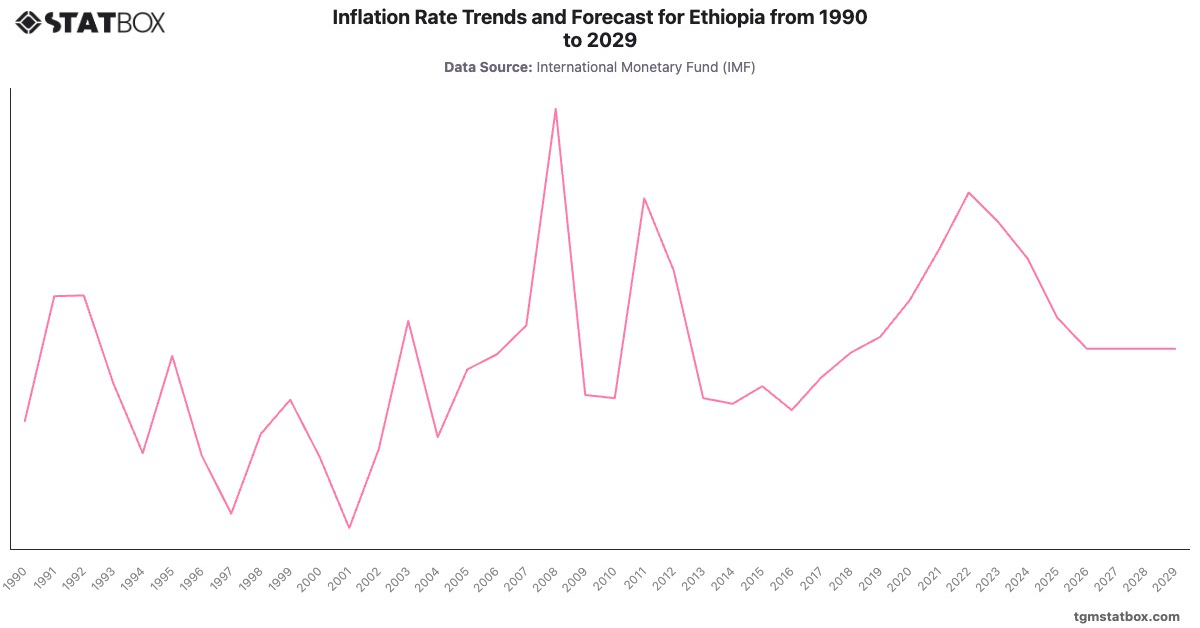
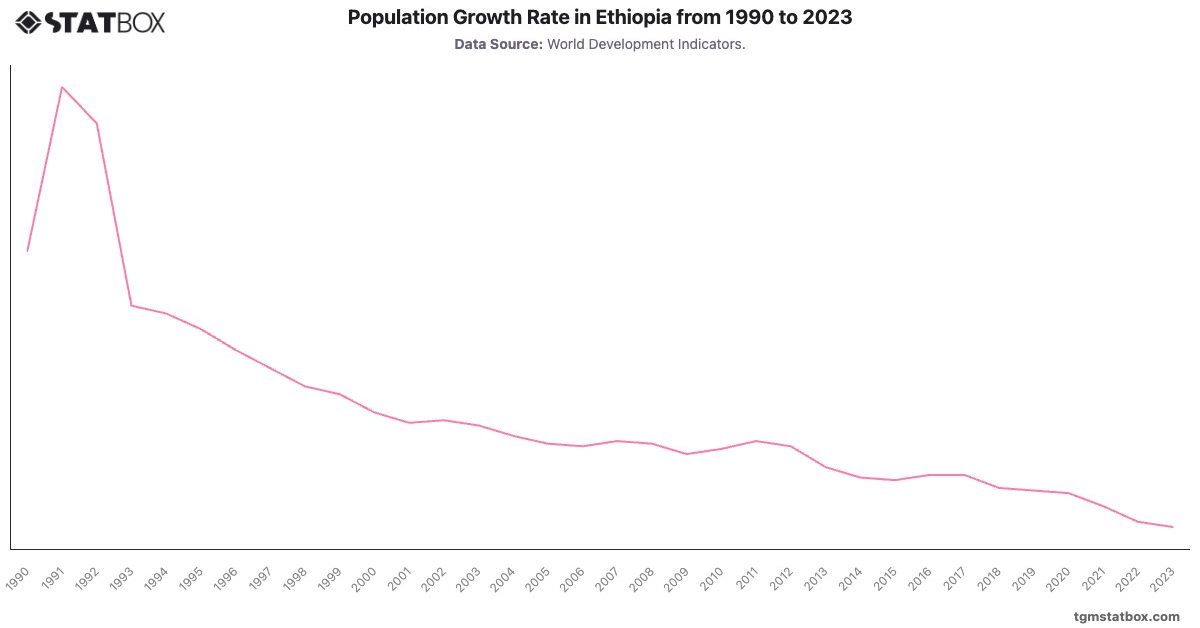
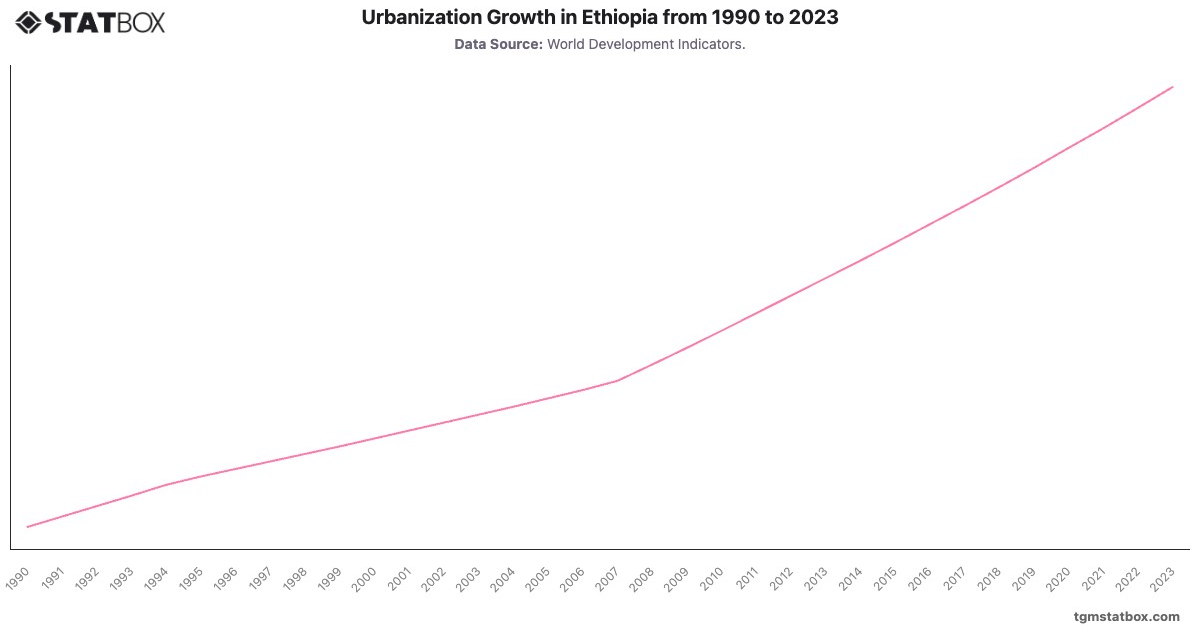
Discover additional trends and data on Ethiopia’s inflation rate trajectory, Ethiopia’s urban growth, Ethiopia’s population numbers.