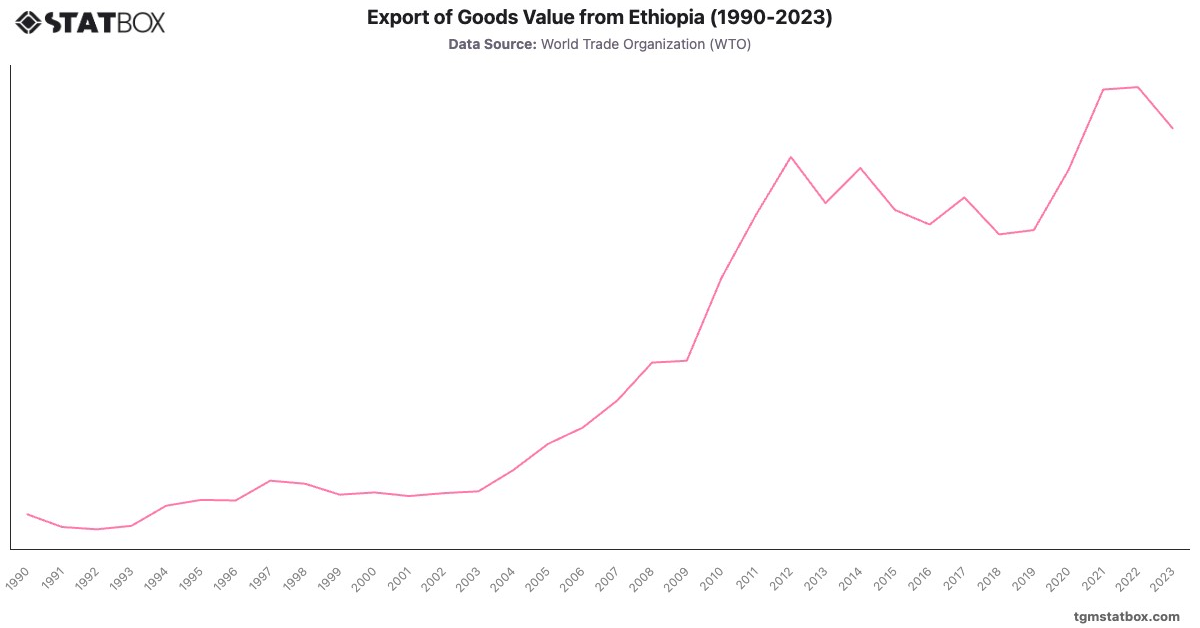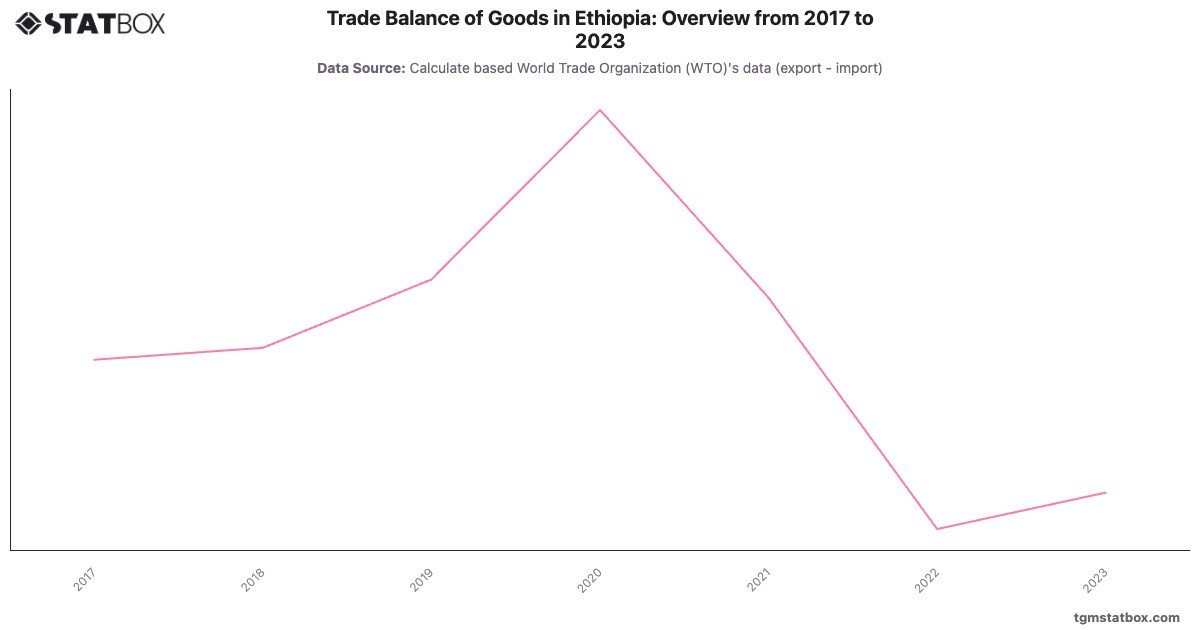
Ethiopia’s trade balance showed consistent deficits from 2017 to 2023, with the deficit narrowing slightly from -12,738.9 million USD in 2017 to -9,856.5 million USD in 2020, likely due to reduced import demand during the pandemic. However, the deficit widened again to -14,692.7 million USD in 2022, driven by increasing imports of machinery, fuel, and industrial goods to support infrastructure and industrialization.
In 2023, the deficit decreased marginally to -14,272.4 million USD, reflecting efforts to enhance export revenues from coffee and agricultural products. Despite these efforts, Ethiopia’s trade imbalance highlights the challenges of a developing economy with a growing reliance on imports for development projects.
In 2023, the deficit decreased marginally to -14,272.4 million USD, reflecting efforts to enhance export revenues from coffee and agricultural products. Despite these efforts, Ethiopia’s trade imbalance highlights the challenges of a developing economy with a growing reliance on imports for development projects.
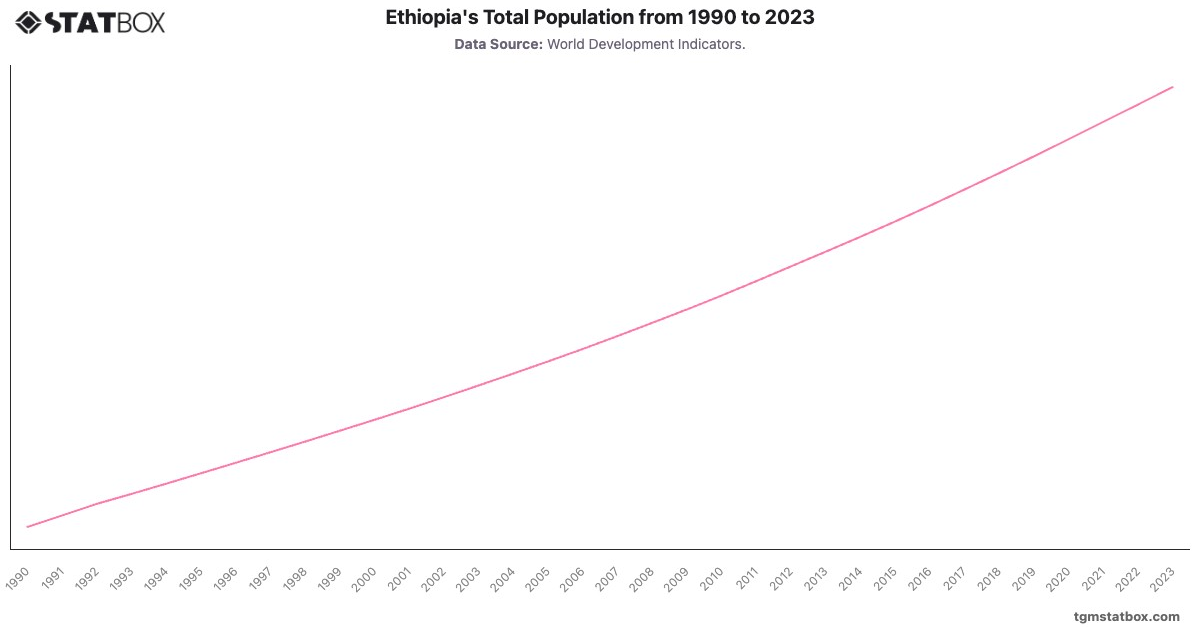
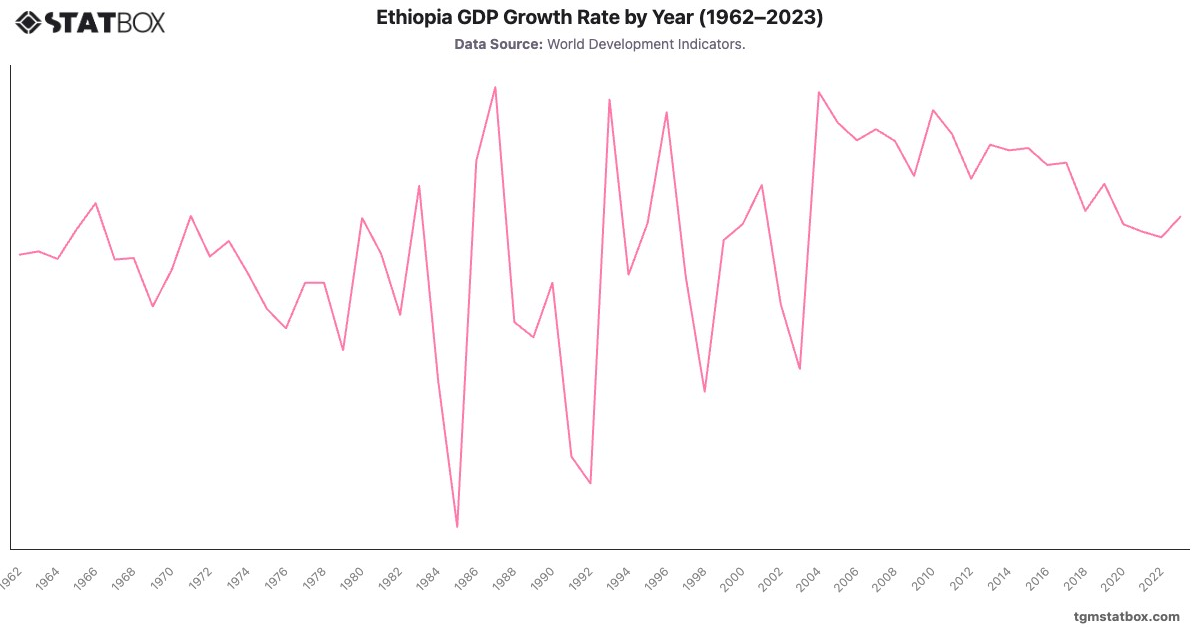
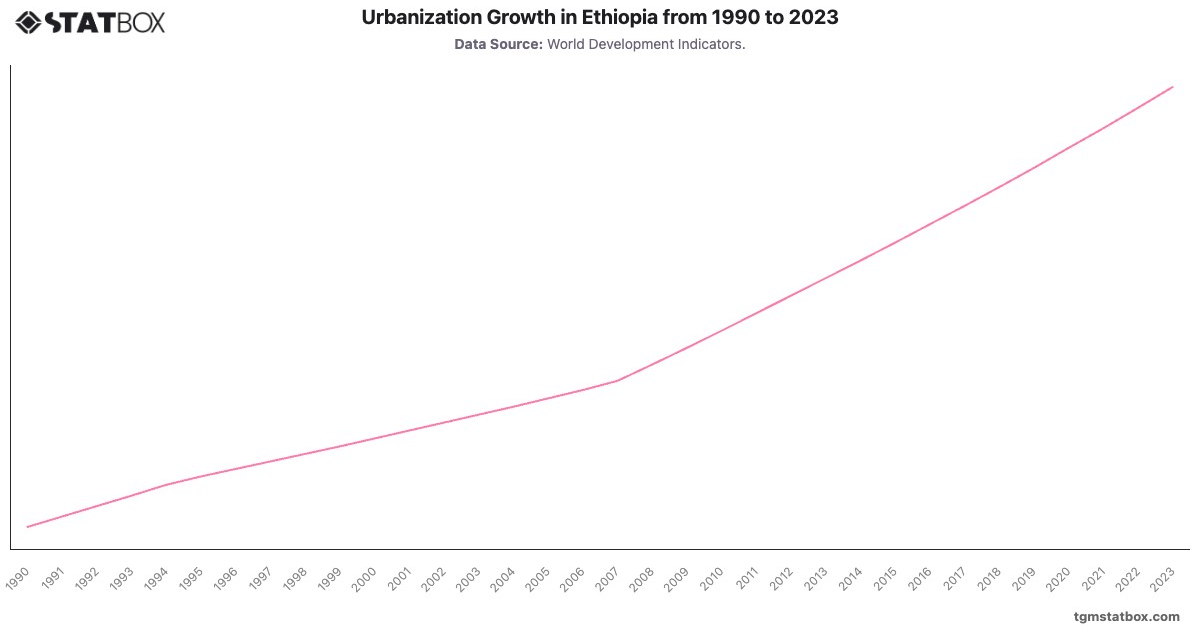
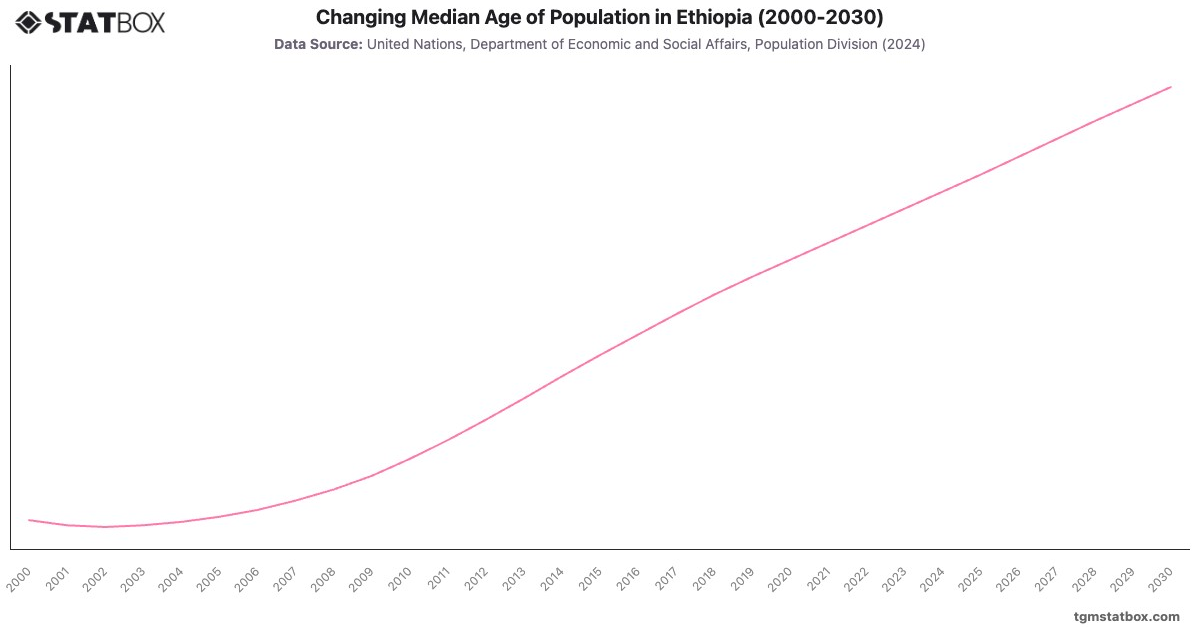
Explore related charts to gain a better understanding of Ethiopia’s urban growth, Ethiopia’s population numbers, Ethiopia’s annual GDP growth rate.