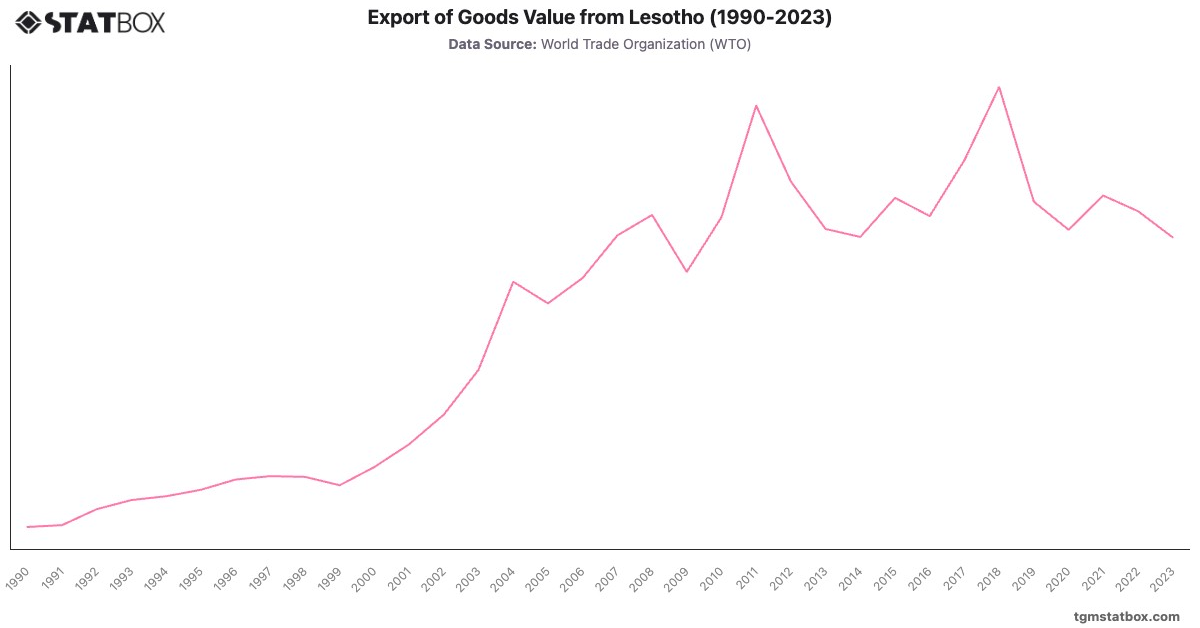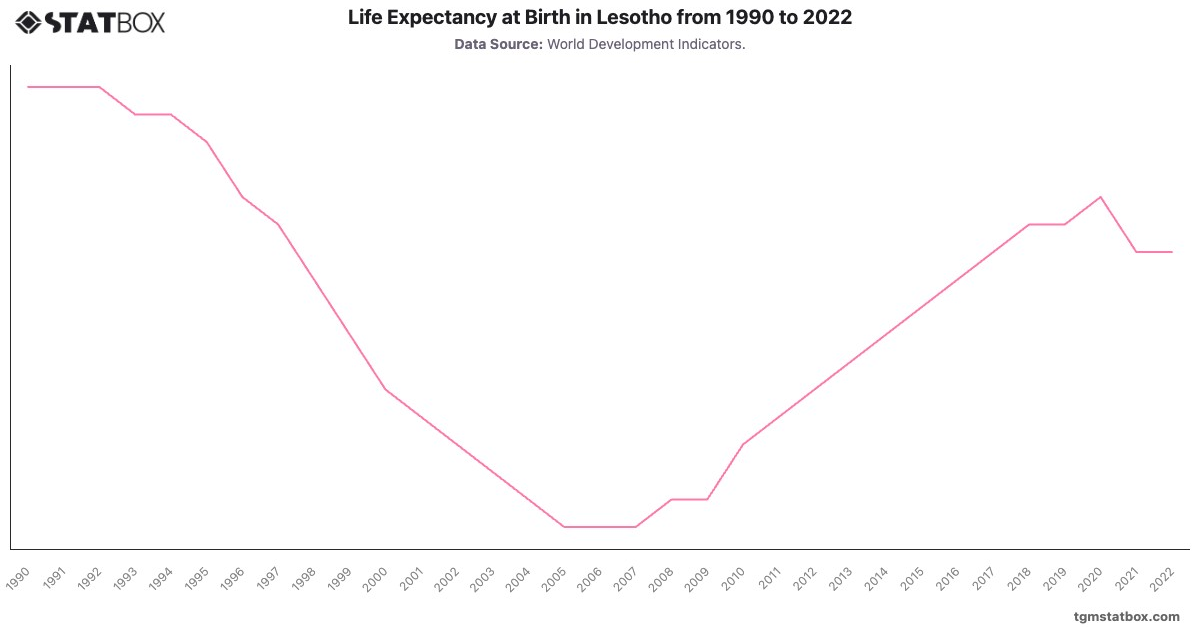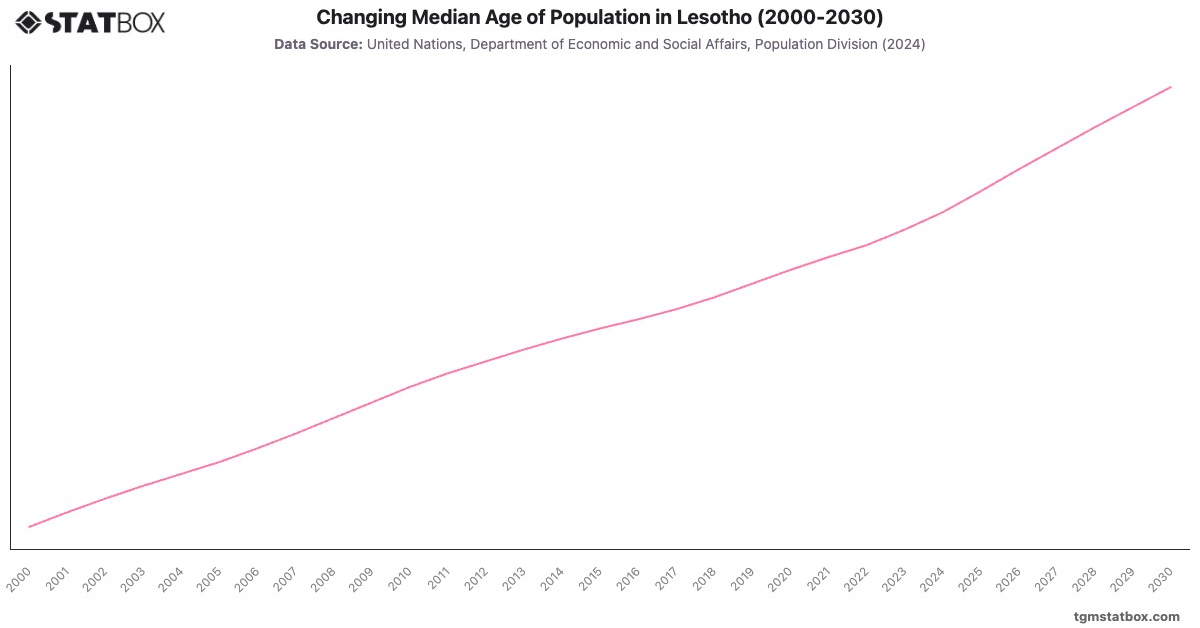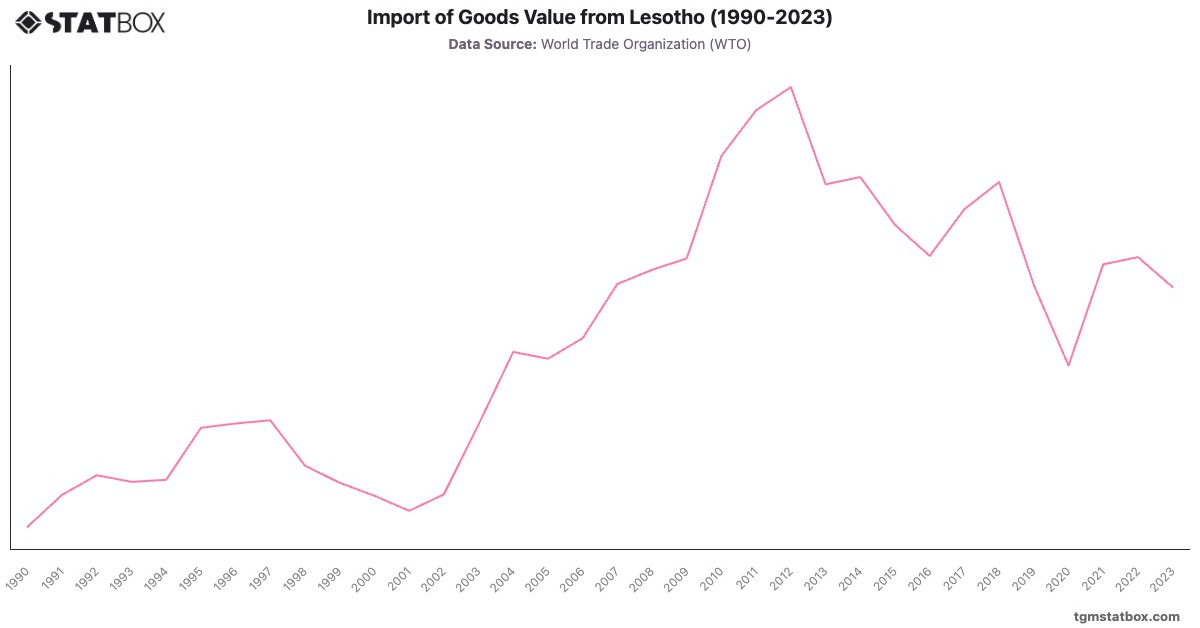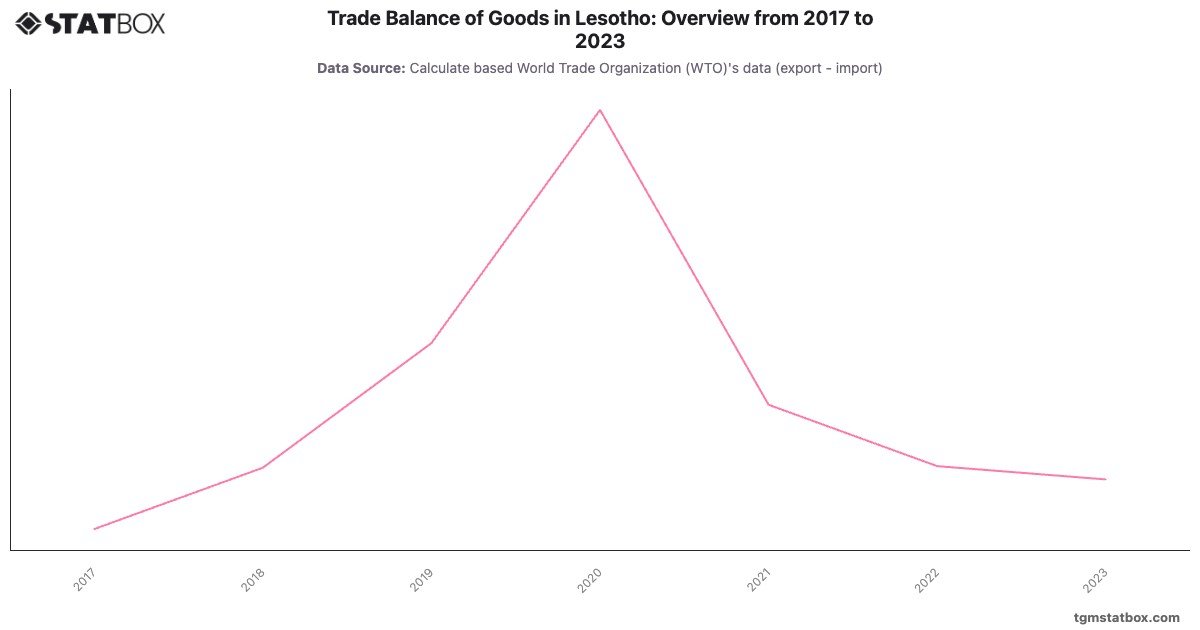
Lesotho’s trade balance of goods consistently recorded deficits during the 2017–2023 period, though the magnitude remained relatively stable. The deficit narrowed from -1,037.6 million USD in 2017 to -535.0 million USD in 2020, reflecting reduced imports during the pandemic. However, by 2023, the deficit widened slightly to -978.1 million USD, driven by higher imports of machinery, fuel, and consumer goods.
Lesotho’s trade balance reflects its reliance on imported goods to meet domestic needs, with limited export revenues from textiles and agricultural products. The trends suggest that enhancing local production and export diversification could help address the persistent trade imbalance.
Lesotho’s trade balance reflects its reliance on imported goods to meet domestic needs, with limited export revenues from textiles and agricultural products. The trends suggest that enhancing local production and export diversification could help address the persistent trade imbalance.
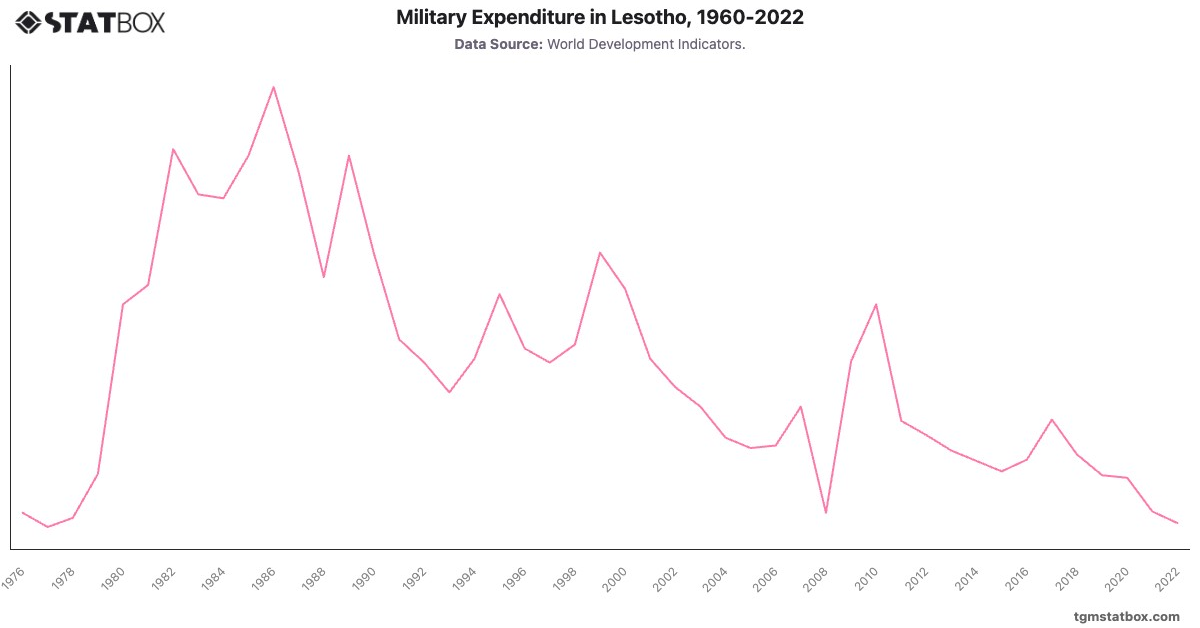
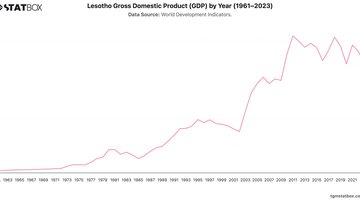
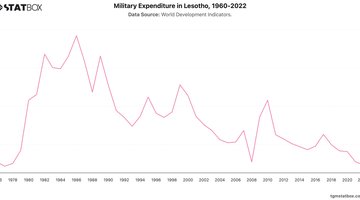
Discover additional trends and data on Lesotho’s annual GDP figures, Lesotho’s military spending, Urbanization trend in Lesotho.