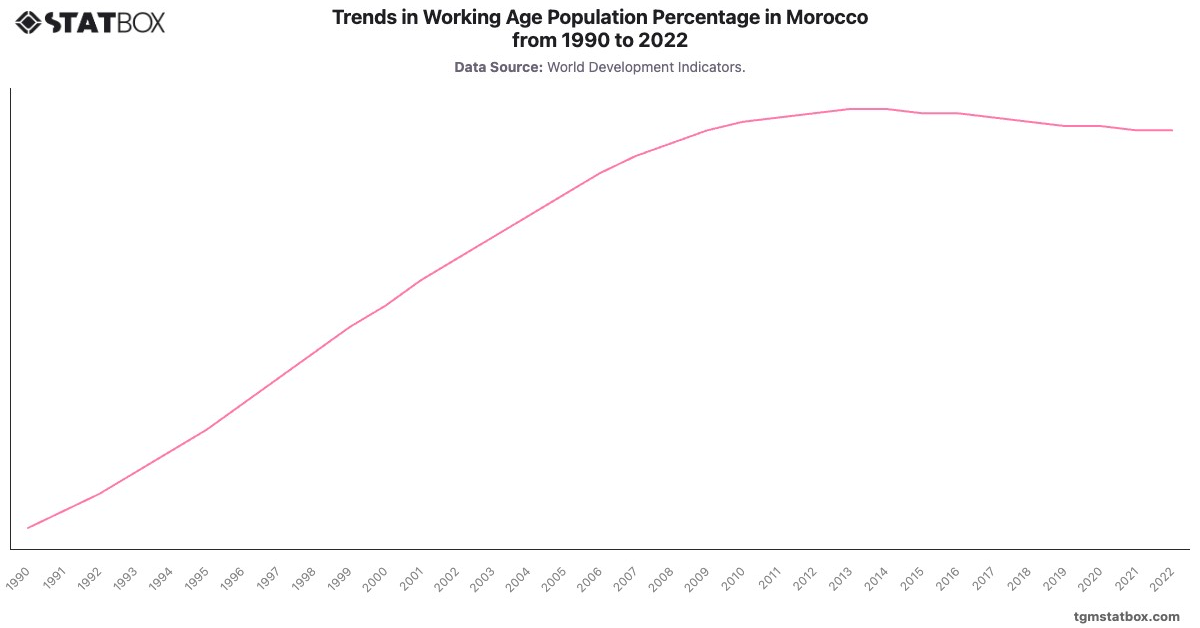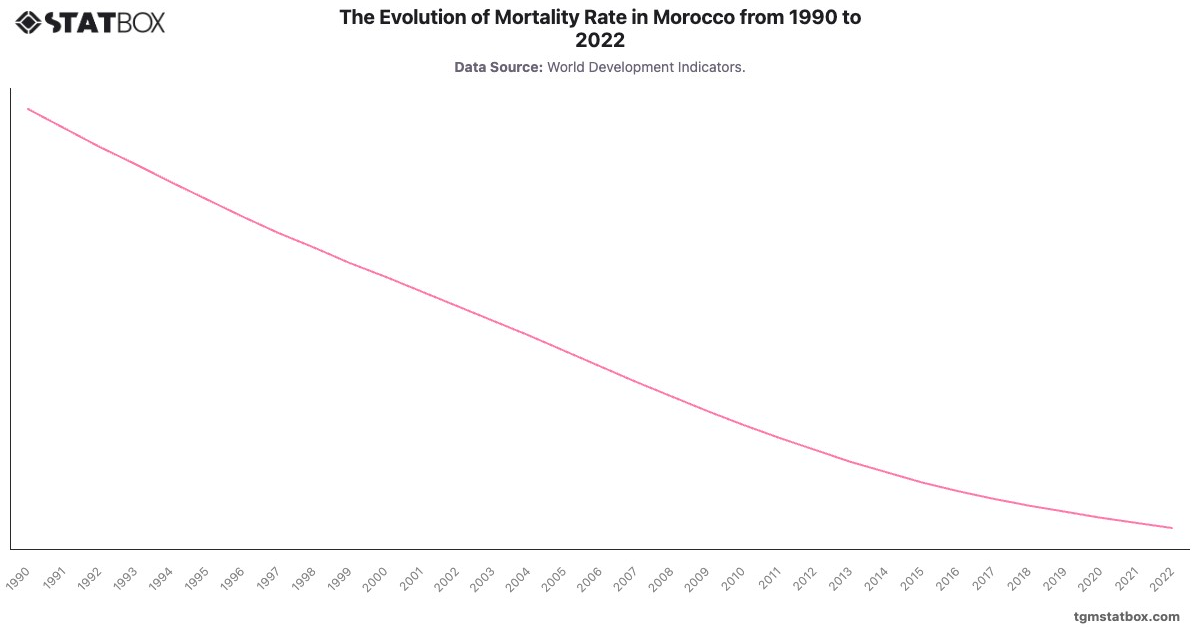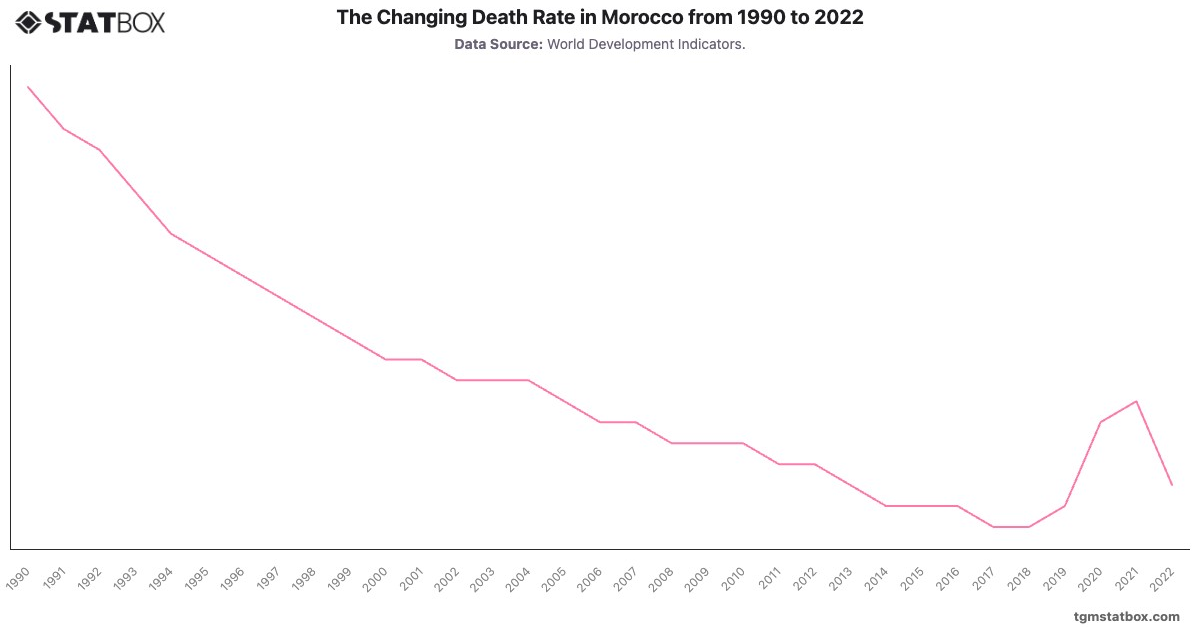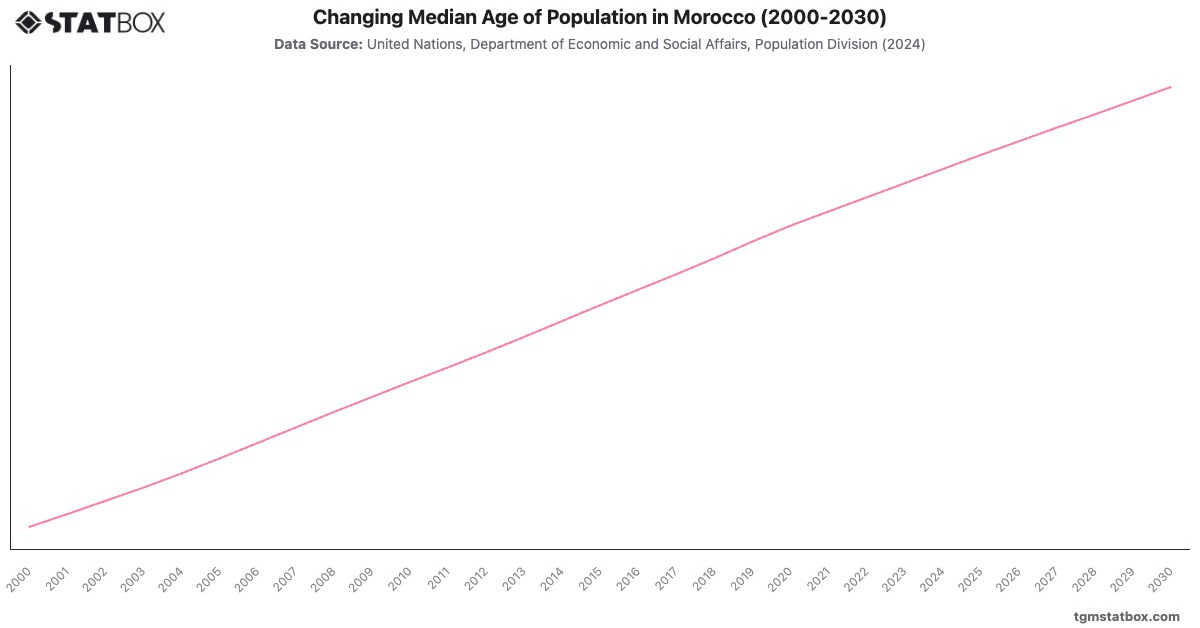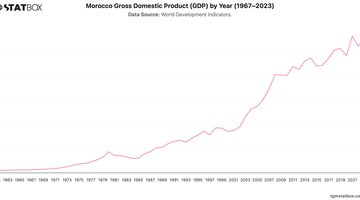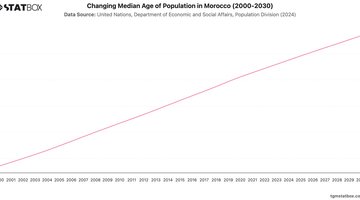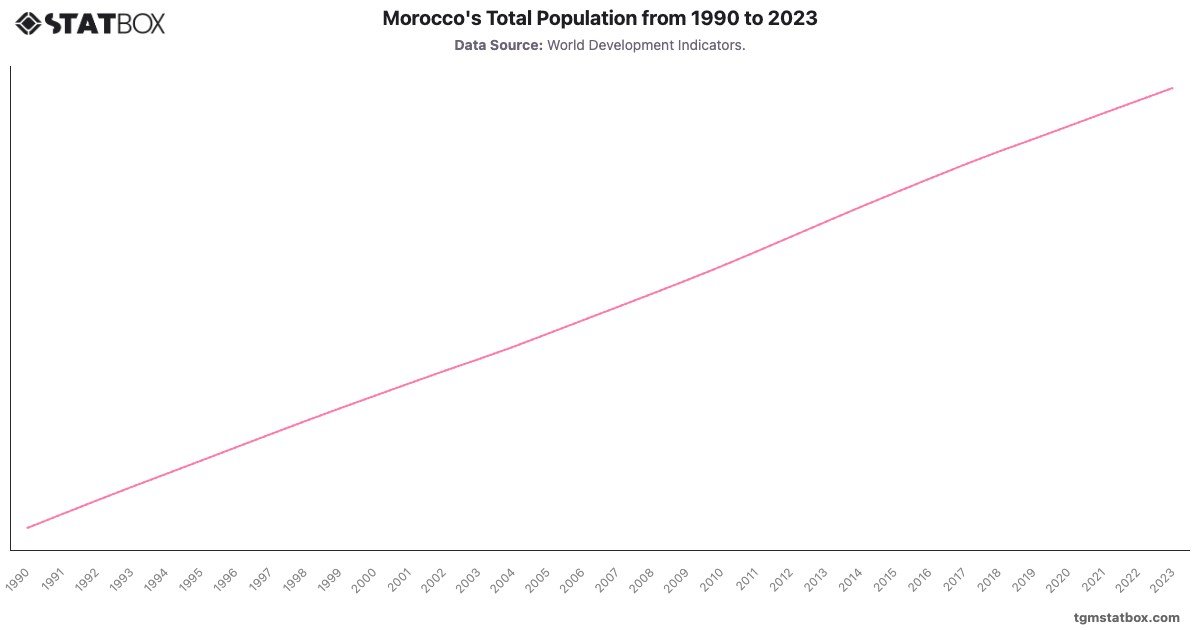
The population growth trends in Morocco from 1990 to 2023 reveal a steady increase, rising from approximately 24.6 million to around 37.8 million. This growth has been influenced by several socio-economic factors, including improved healthcare and education, which have contributed to reduced mortality rates and increased life expectancy.
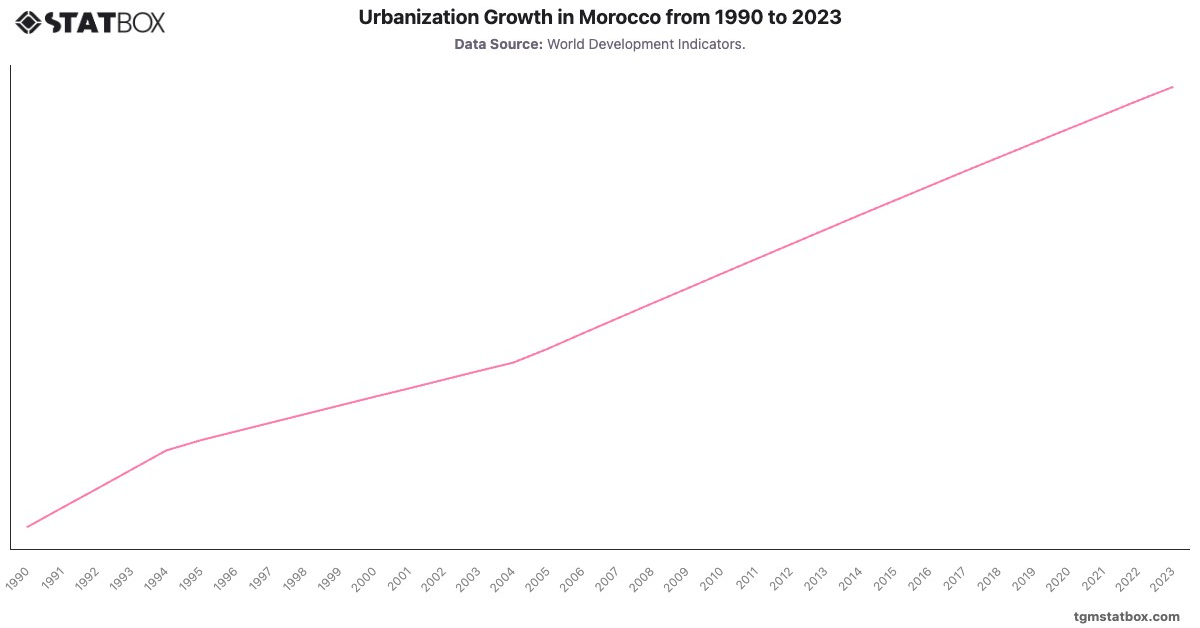
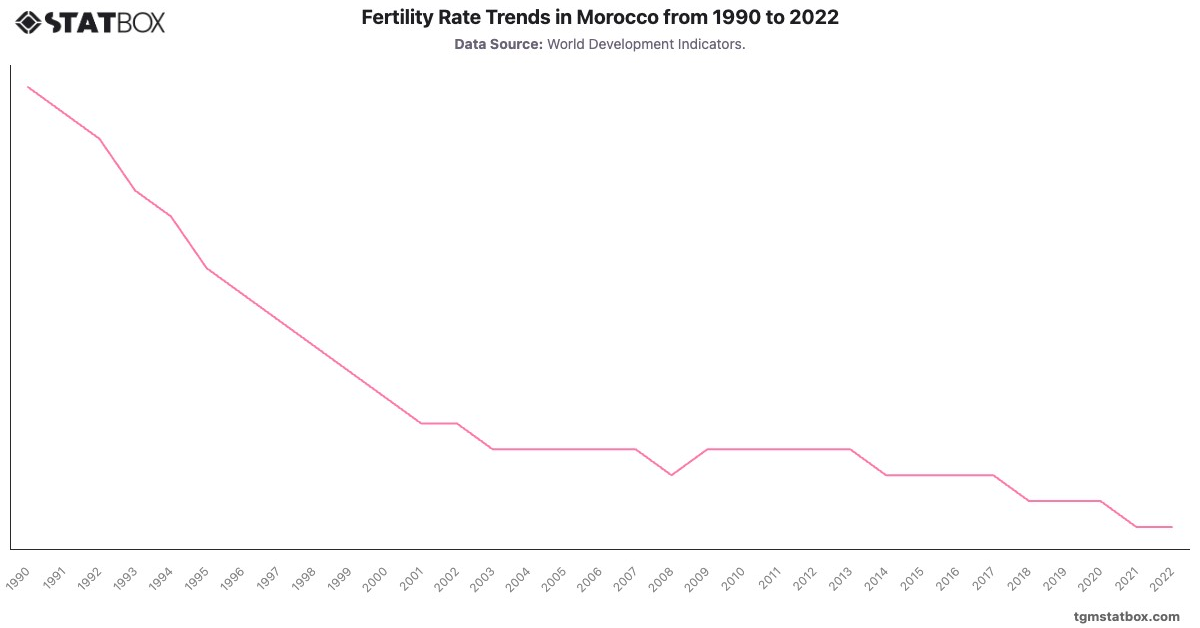
A significant decline in fertility rates, due to effective family planning and greater access to education for women, has transformed population dynamics, with rates decreasing from 3.5 children per woman in the 1990s to about 2.3 by 2023. Rapid urbanization has also played a crucial role, as individuals migrate to cities like Casablanca and Rabat for better economic opportunities.
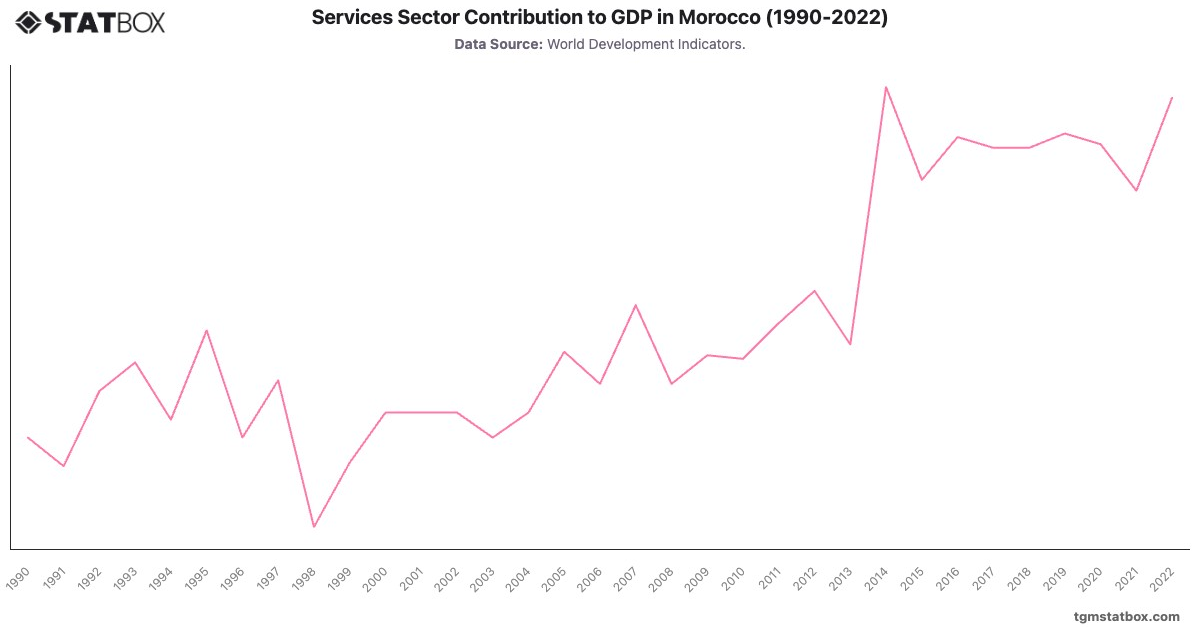
By 2023, improved health services and economic reforms have further enhanced living standards, allowing Morocco to capitalize on its youthful demographic.
A significant decline in fertility rates, due to effective family planning and greater access to education for women, has transformed population dynamics, with rates decreasing from 3.5 children per woman in the 1990s to about 2.3 by 2023. Rapid urbanization has also played a crucial role, as individuals migrate to cities like Casablanca and Rabat for better economic opportunities.
By 2023, improved health services and economic reforms have further enhanced living standards, allowing Morocco to capitalize on its youthful demographic.
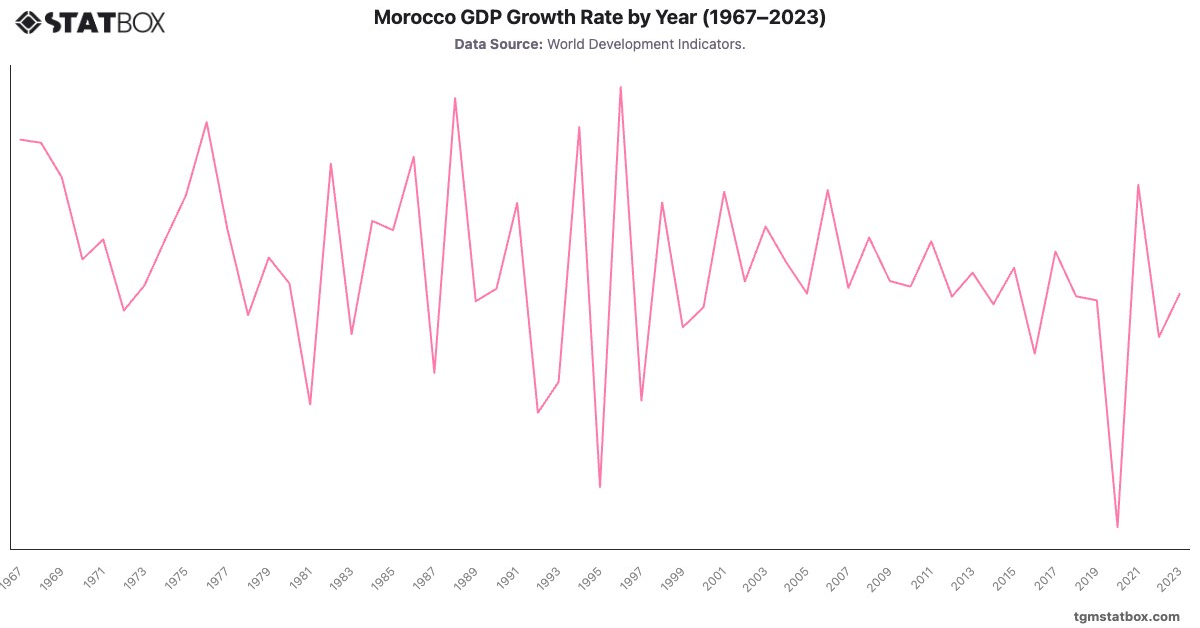
For a broader context, visit other statistics on Morocco’s shifting mortality rate, Morocco’s working-age population percentage, Morocco’s yearly GDP.