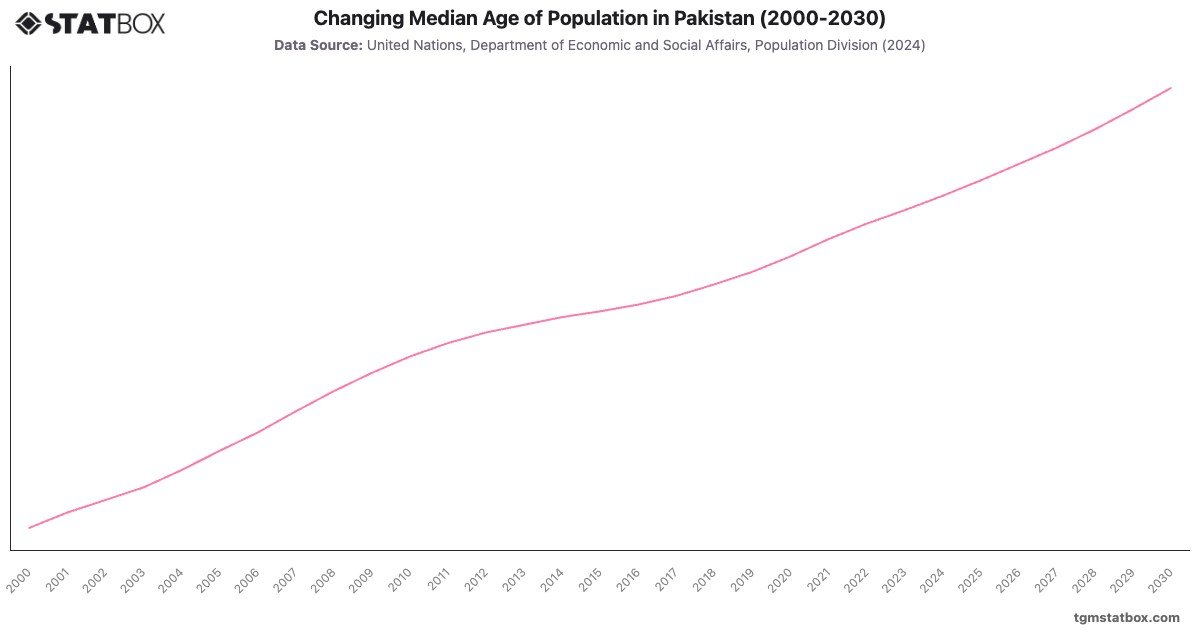
Pakistan’s median age gradually rises from 17.0 in 2000 to 21.6 by 2030, reflecting a youthful population that is only beginning to experience aging effects. By 2010, the median age reaches 18.8, driven by improvements in healthcare and urban development, though the country remains relatively young due to high birth rates.
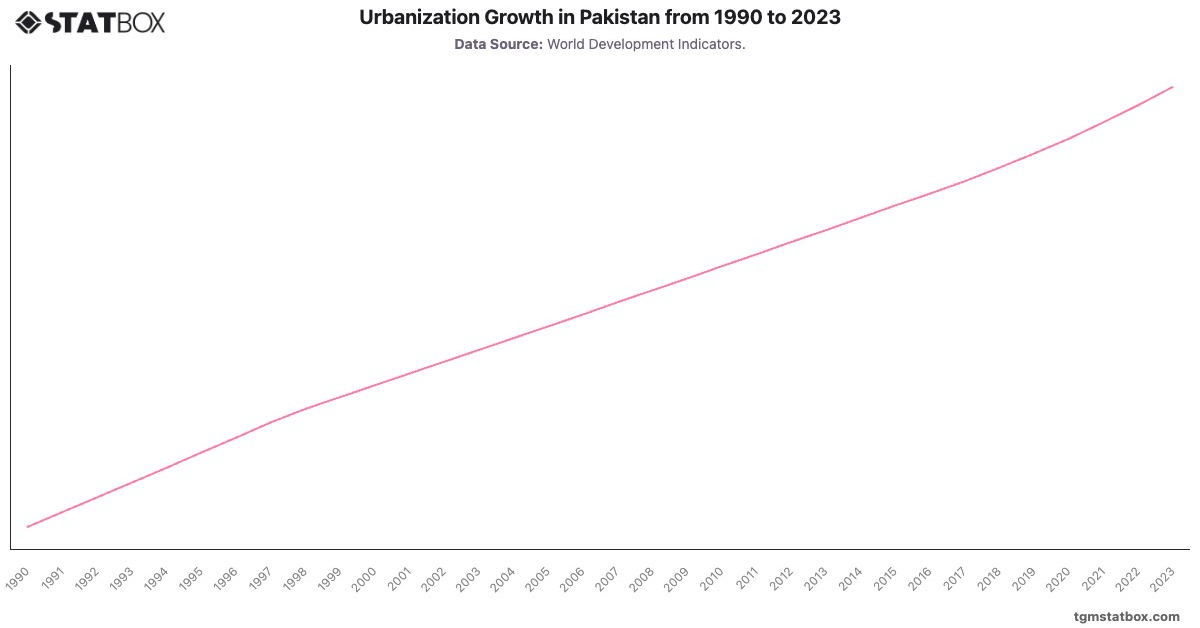
In the next two decades, Pakistan’s median age rises moderately to 20.1 by 2022 and is projected to reach 21.6 by 2030. While urbanization and economic growth contribute to this gradual increase, Pakistan’s high birth rates in rural areas prevent a rapid aging process, keeping the overall median age lower than many other countries.
In the next two decades, Pakistan’s median age rises moderately to 20.1 by 2022 and is projected to reach 21.6 by 2030. While urbanization and economic growth contribute to this gradual increase, Pakistan’s high birth rates in rural areas prevent a rapid aging process, keeping the overall median age lower than many other countries.
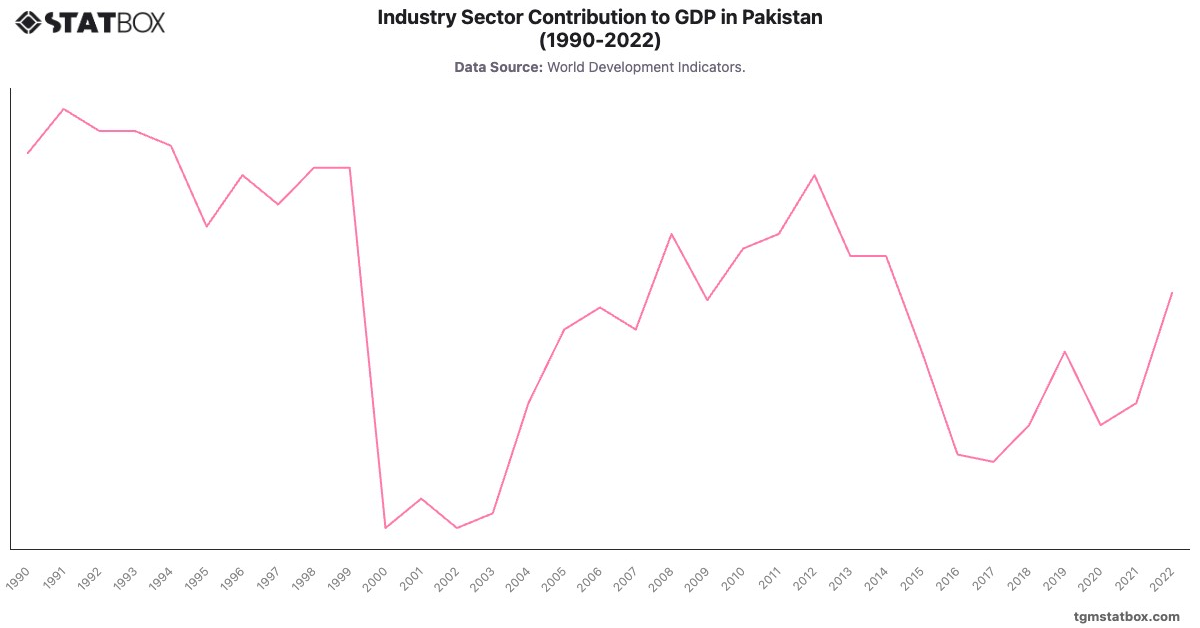
For additional information, visit statistics on urbanization rate in Pakistan, Pakistan’s military spending, Pakistan’s industry share in GDP.