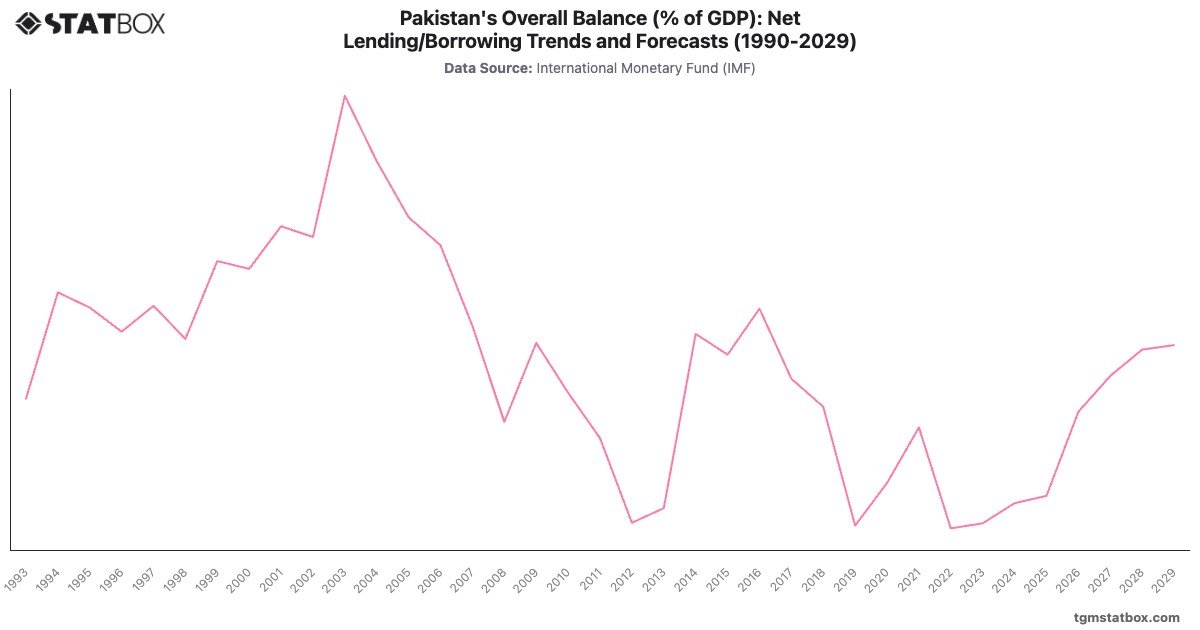
Pakistan’s fiscal trends highlight persistent deficits driven by structural challenges and economic shocks. The 1990s saw deficits stabilize around -, but the 2008 global financial crisis and subsequent political instability increased fiscal pressures, with the deficit reaching - in 2008. By 2019, rising public expenditures and limited revenue growth pushed the deficit to -.
The COVID-19 pandemic exacerbated fiscal strain, maintaining the deficit at - through 2023. Projections indicate gradual improvement, narrowing to - by 2029, contingent on structural reforms, improved revenue collection, and controlled expenditures to stabilize fiscal imbalances.
The COVID-19 pandemic exacerbated fiscal strain, maintaining the deficit at - through 2023. Projections indicate gradual improvement, narrowing to - by 2029, contingent on structural reforms, improved revenue collection, and controlled expenditures to stabilize fiscal imbalances.
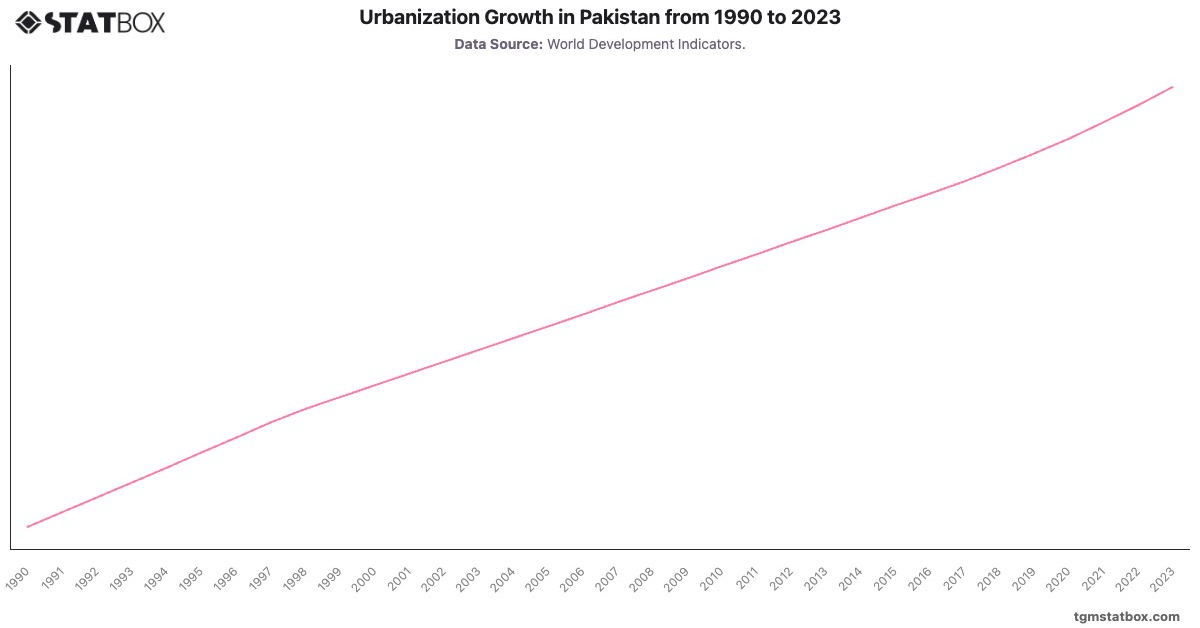
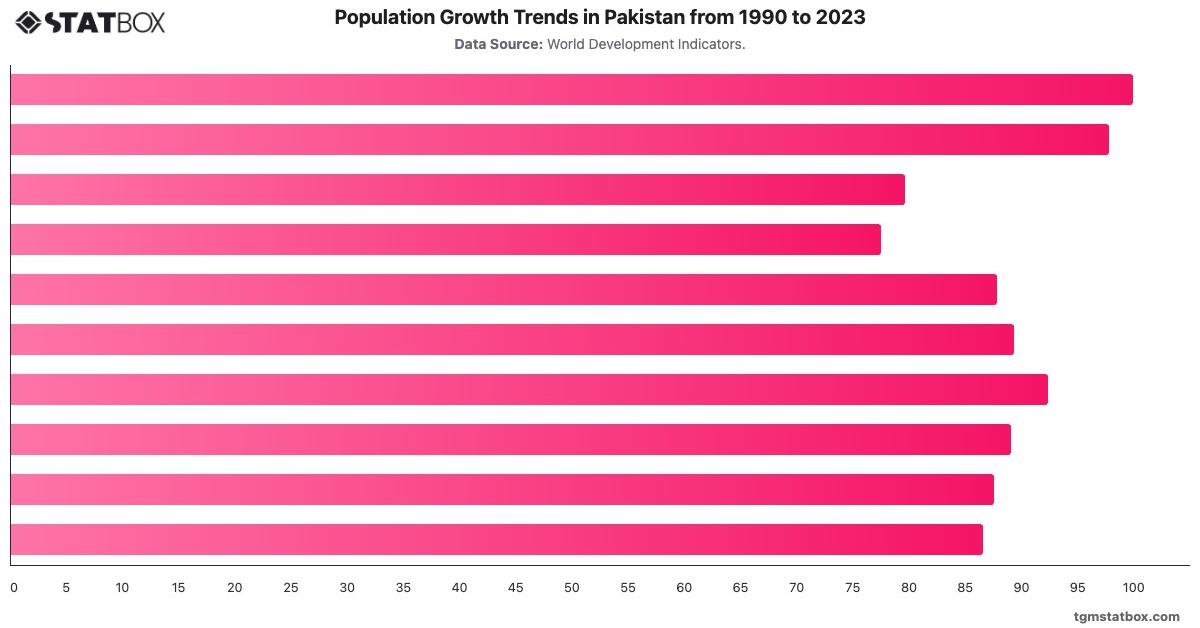
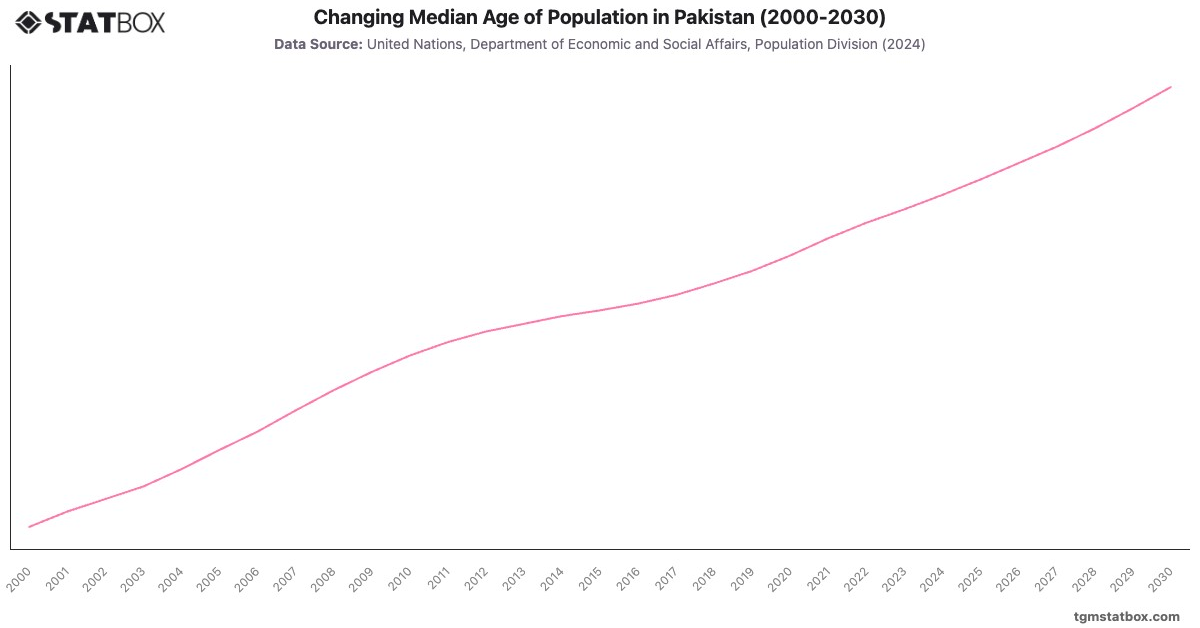
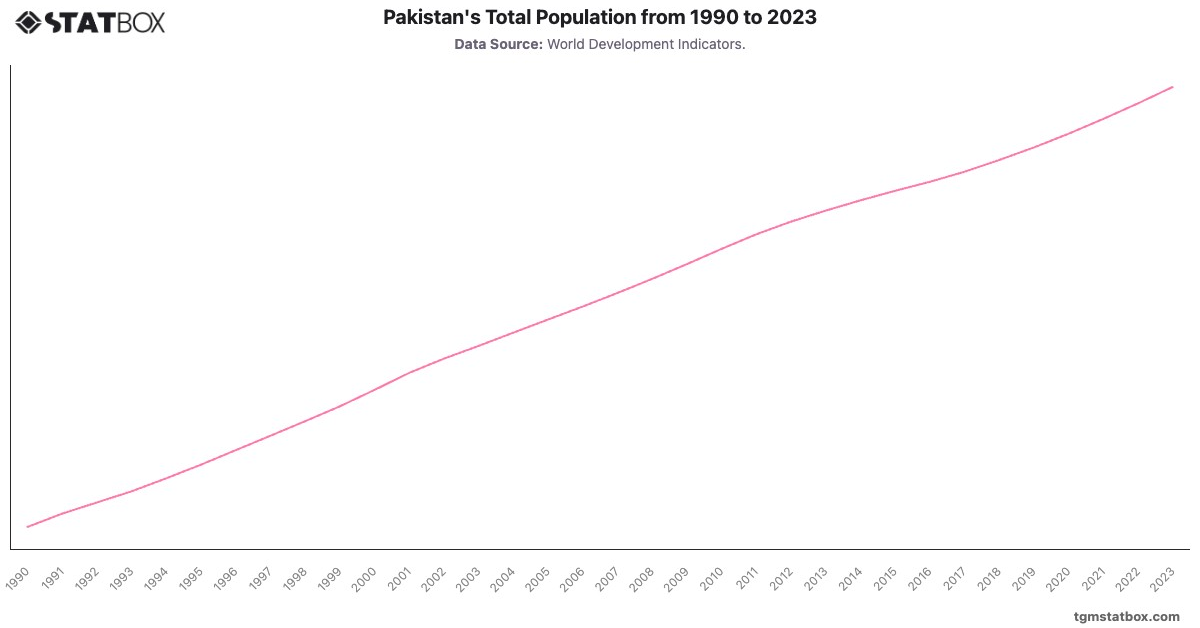
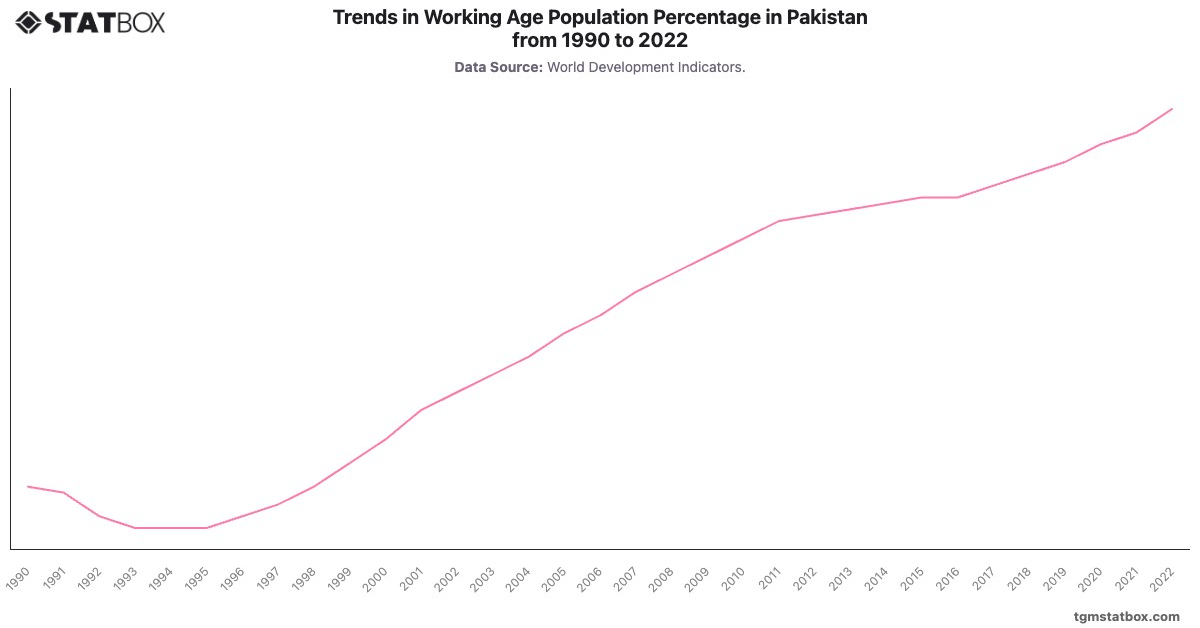
Explore related charts to gain a better understanding of Pakistan’s central government debt as a percentage of its GDP, Pakistan’s working age population ratio, Pakistan’s population count.