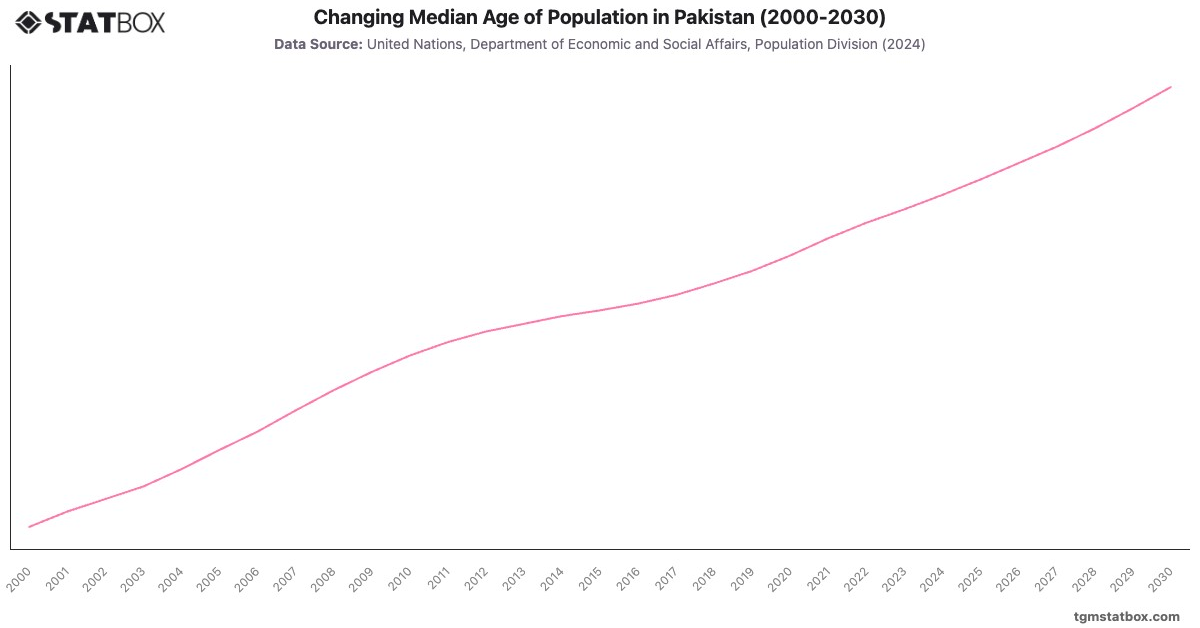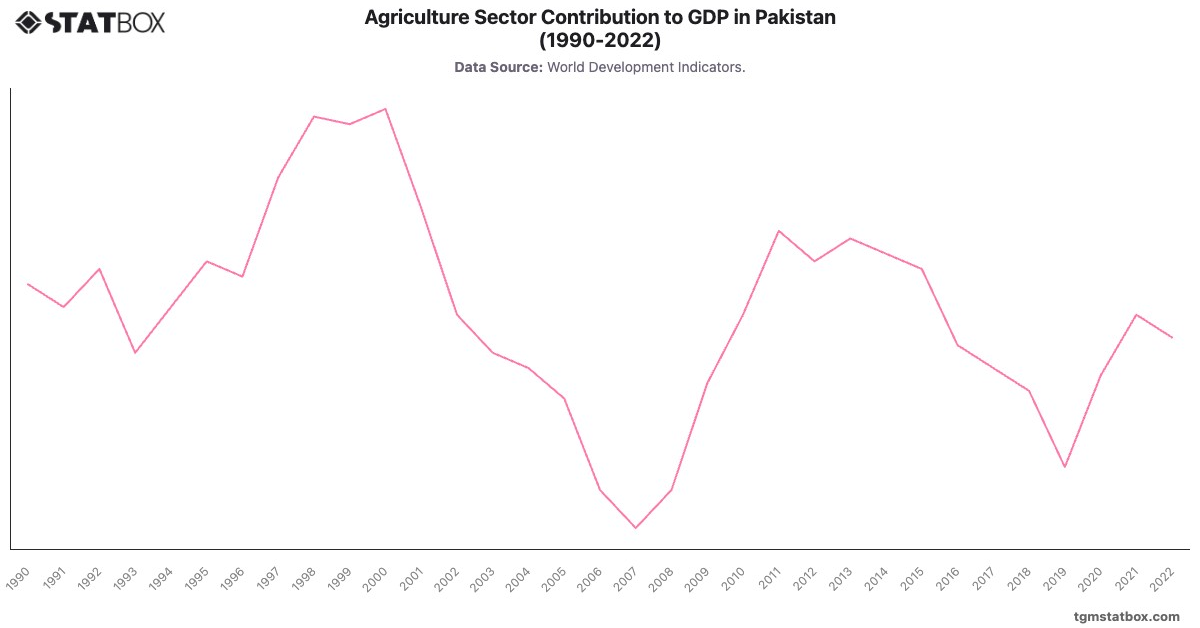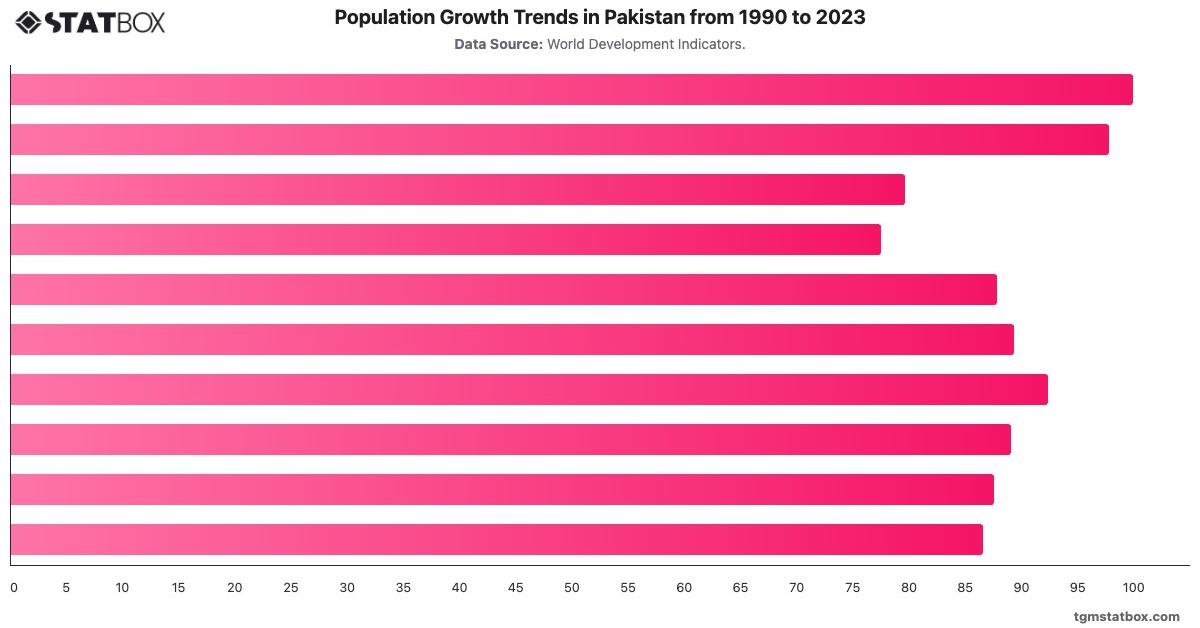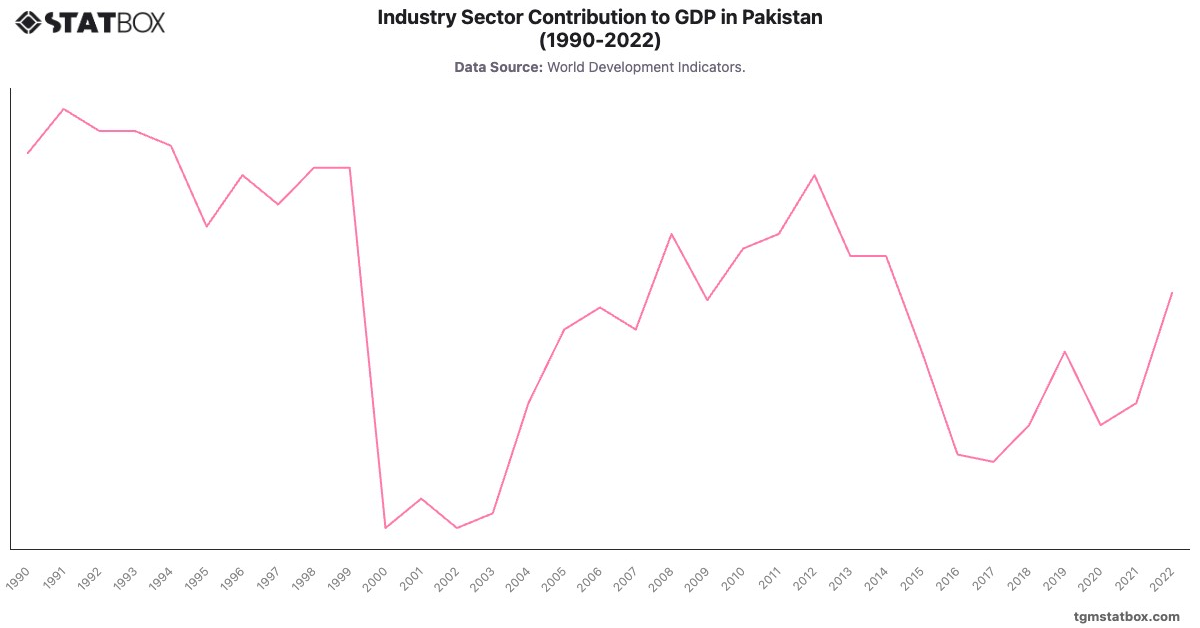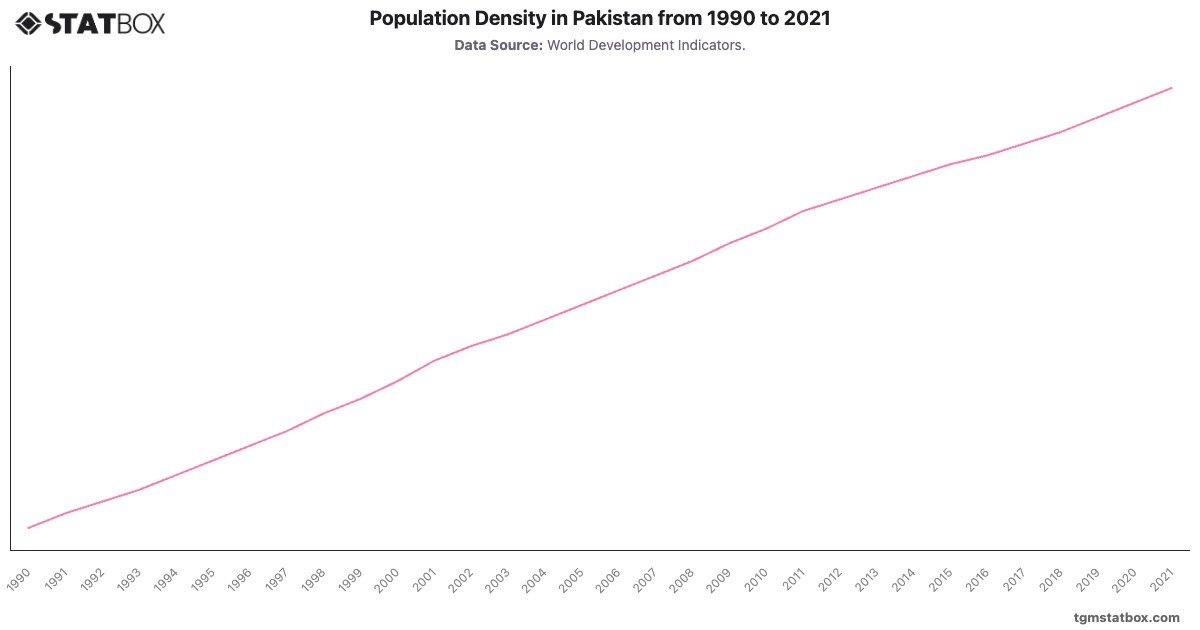
Pakistan’s population density surged from 150 people per square kilometer in 1990 to 300 in 2021, doubling within three decades. This sharp rise is due to a high birth rate, limited emigration, and increased urbanization in cities like Karachi, Lahore, and Islamabad. Urban areas have seen rapid growth due to economic opportunities and improved infrastructure, though rural-to-urban migration strains city resources.
While Pakistan’s urban centers drive its density growth, challenges such as resource allocation and infrastructure strain accompany the rise. Pakistan’s young population and continued urban migration suggest this trend will persist, reflecting both demographic pressure and urban development.
While Pakistan’s urban centers drive its density growth, challenges such as resource allocation and infrastructure strain accompany the rise. Pakistan’s young population and continued urban migration suggest this trend will persist, reflecting both demographic pressure and urban development.
Explore related charts to gain a better understanding of Pakistan’s population count, Pakistan’s working age population ratio, Pakistan’s shifting demographic age.