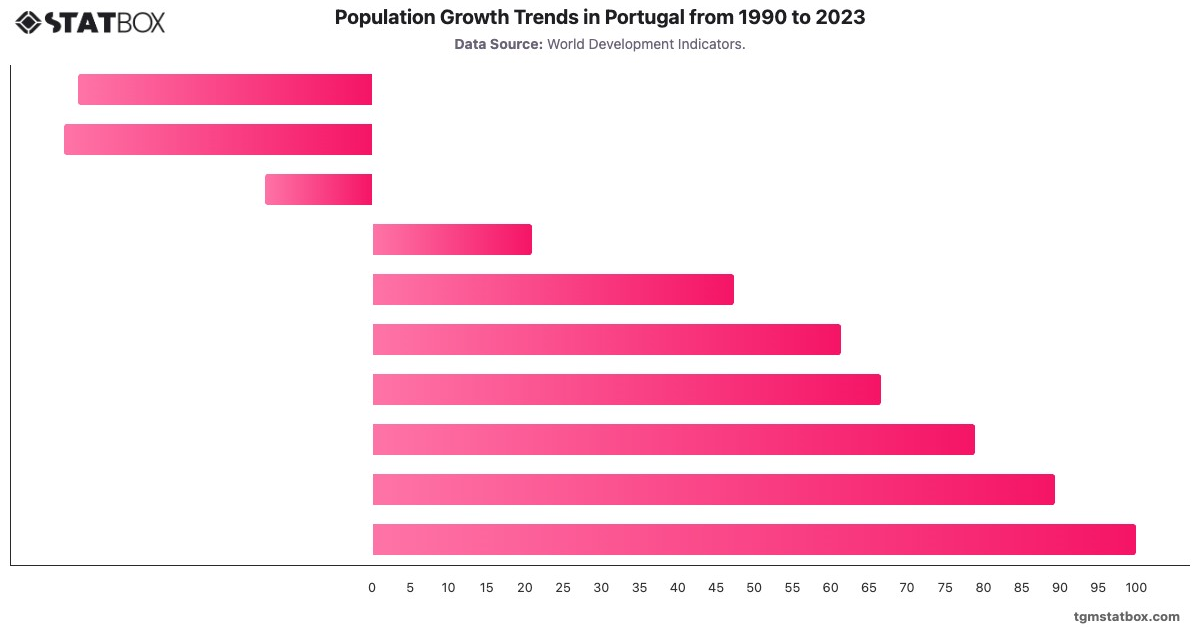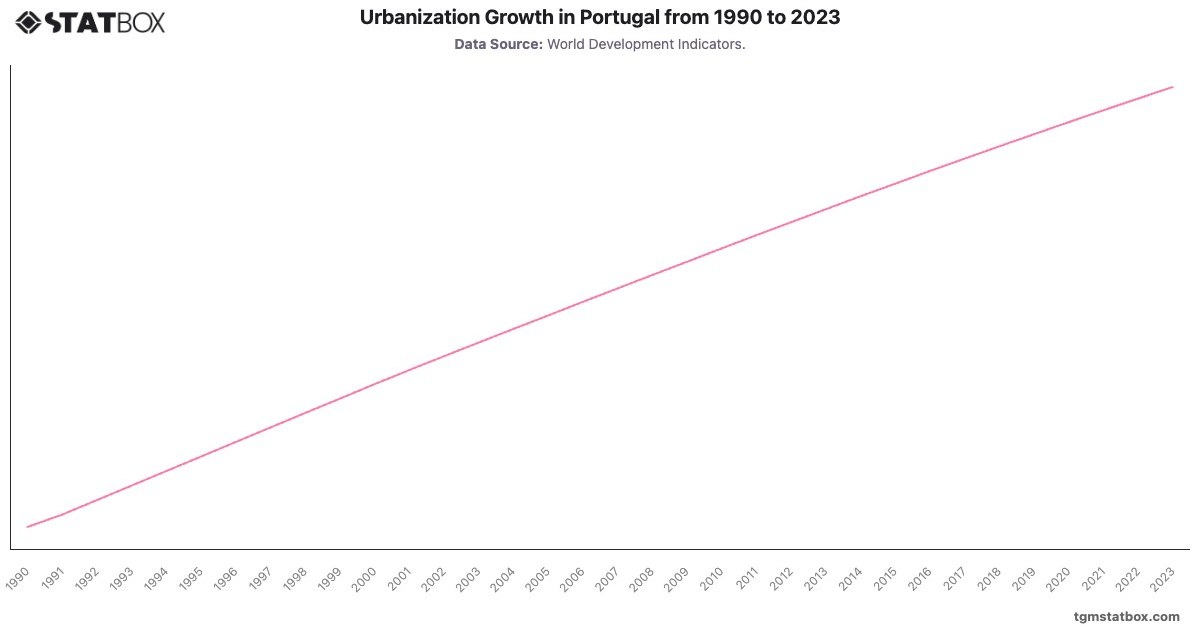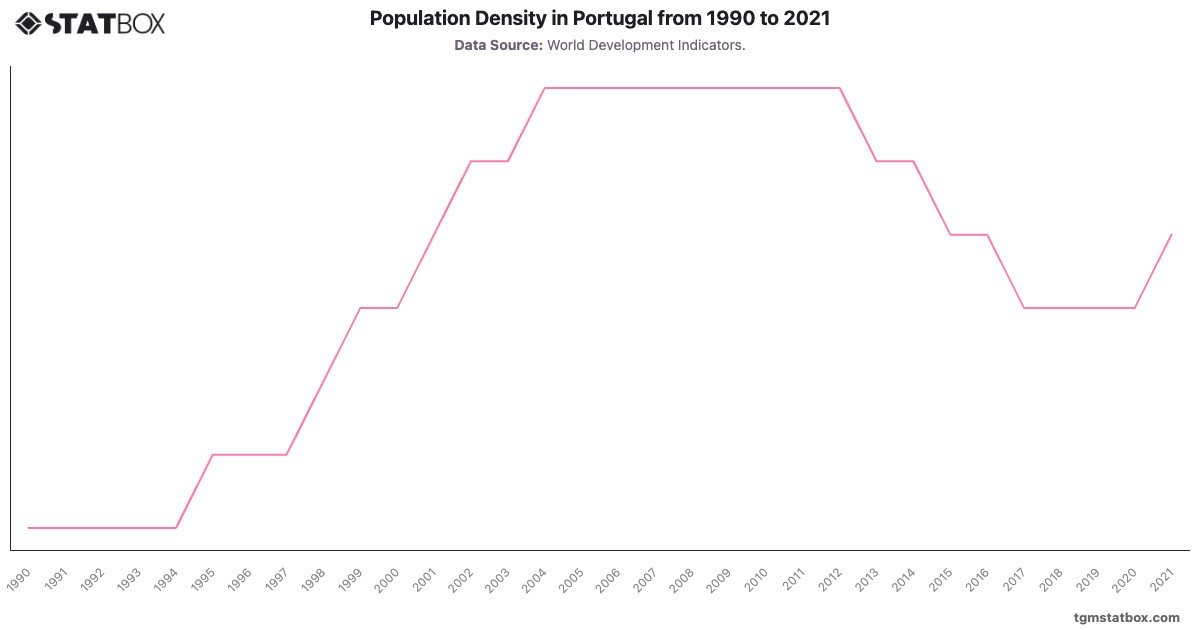
Portugal’s population density grew modestly from 109 people per square kilometer in 1990 to 113 in 2021. Urban areas like Lisbon and Porto attract high density, while rural regions remain sparsely populated. Portugal’s low birth rate and gradual urban migration balance the national density, resulting in minimal fluctuation over the period.
Immigration in recent years has somewhat offset low birth rates, keeping density stable. Portugal’s aging population suggests that future density may stay balanced, reflecting demographic stability.
Immigration in recent years has somewhat offset low birth rates, keeping density stable. Portugal’s aging population suggests that future density may stay balanced, reflecting demographic stability.
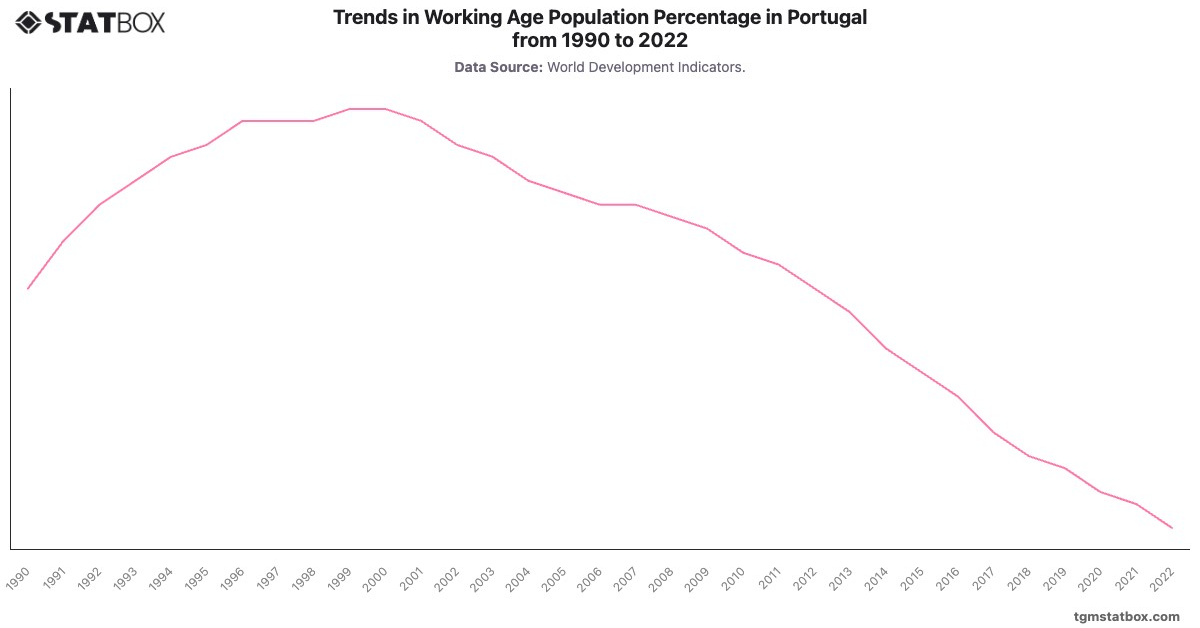
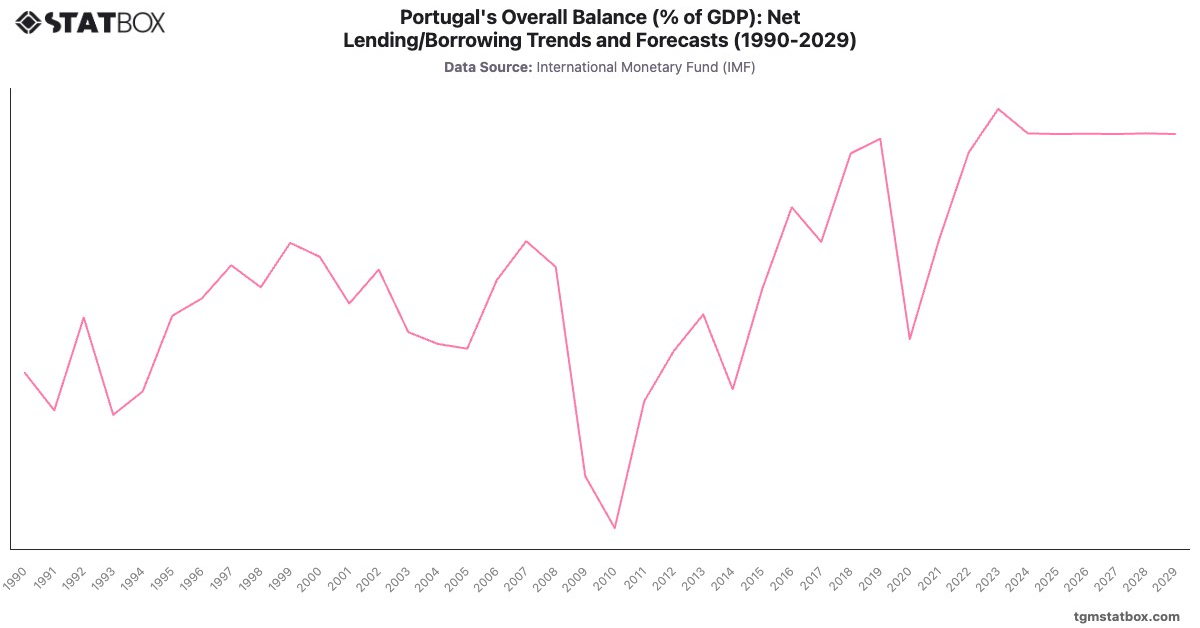
For additional information, visit statistics on Portugal’s working-age population share, Portugal’s net lending/borrowing as a share of GDP, Portugal’s population trends.