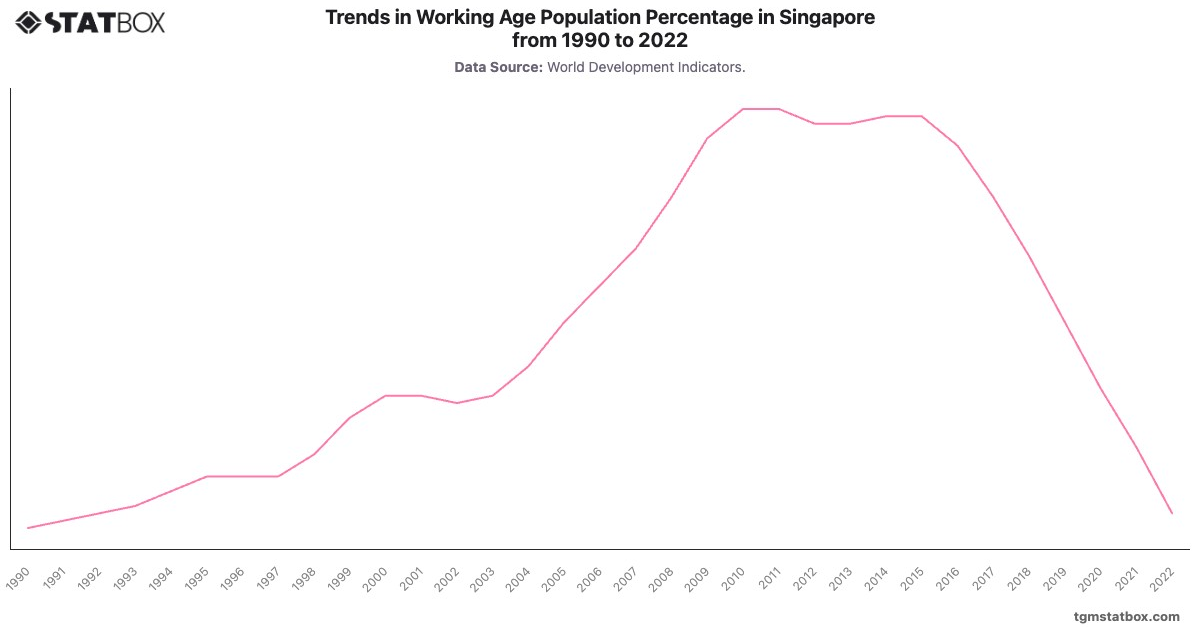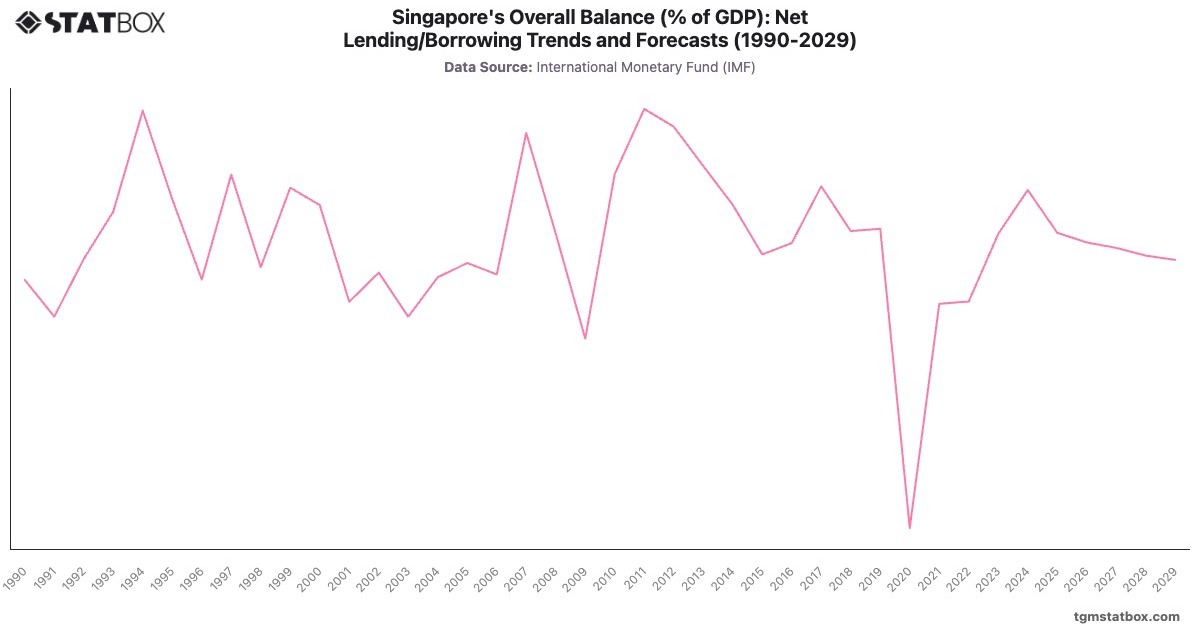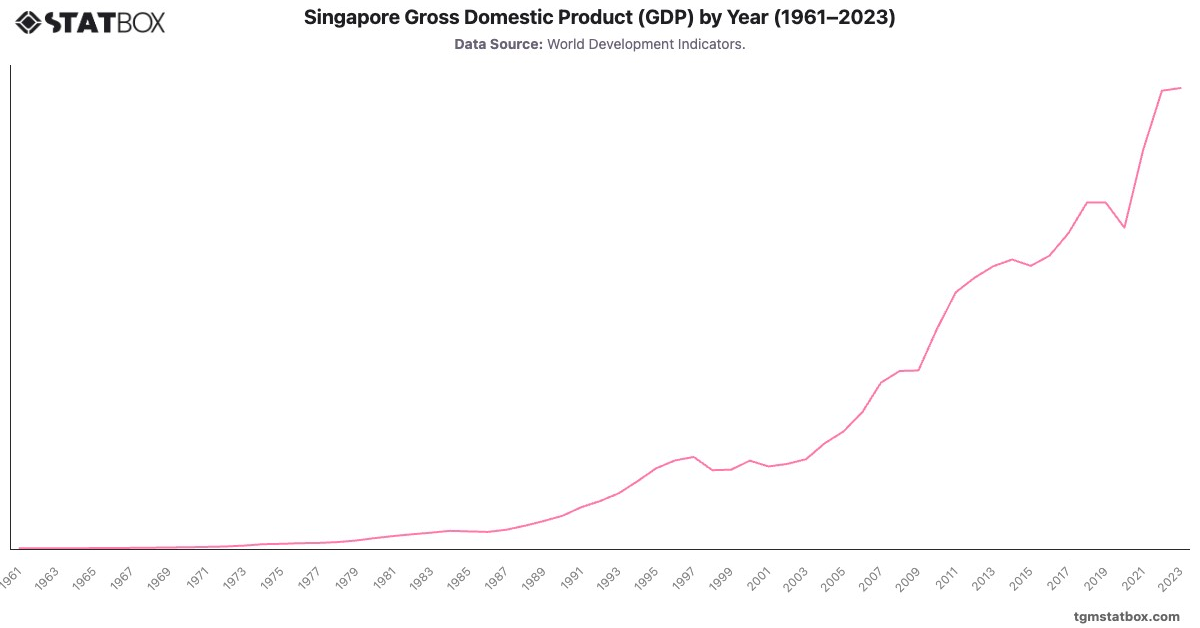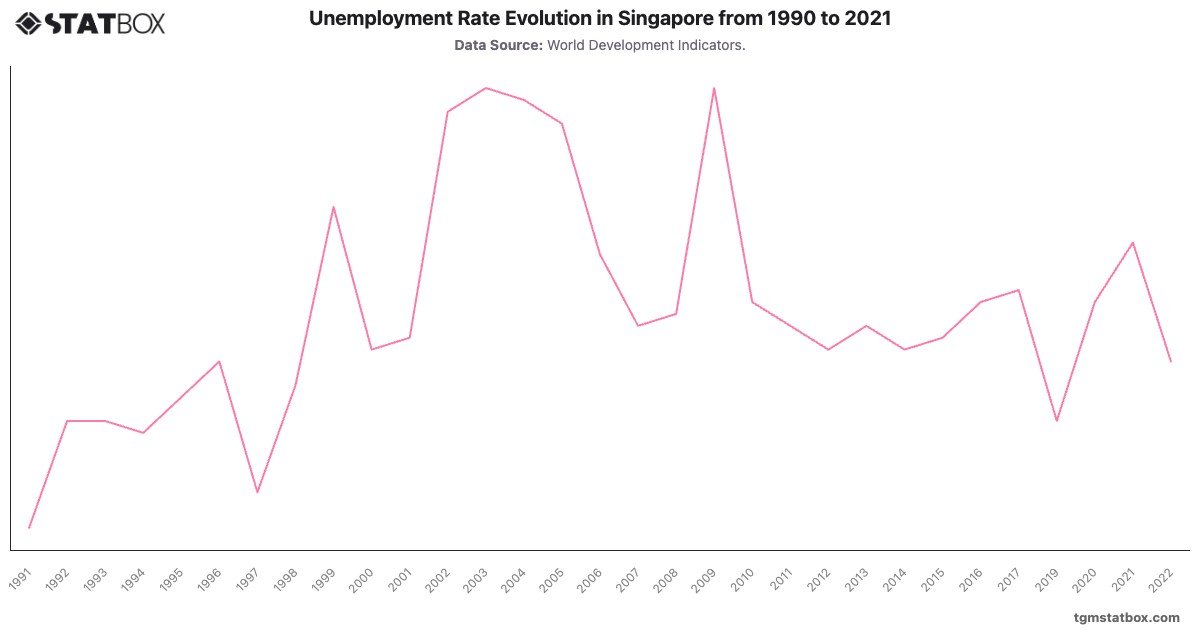
Singapore’s unemployment rate has remained relatively low over the decades, reflecting the city-state’s strong economic growth and strategic investments in education and workforce development. Unemployment rose slightly in the early 2000s, reaching in 2003 due to the SARS outbreak. However, the rate dropped significantly thereafter, stabilizing around from 2006 to 2016 as the economy expanded.
The rate spiked to in 2021 amid the COVID-19 pandemic, which heavily impacted Singapore’s trade-dependent economy. Government interventions, including subsidies and upskilling initiatives, helped mitigate long-term unemployment, allowing the economy to bounce back as global demand resumed, resulting in a decrease to by 2022.
The rate spiked to in 2021 amid the COVID-19 pandemic, which heavily impacted Singapore’s trade-dependent economy. Government interventions, including subsidies and upskilling initiatives, helped mitigate long-term unemployment, allowing the economy to bounce back as global demand resumed, resulting in a decrease to by 2022.
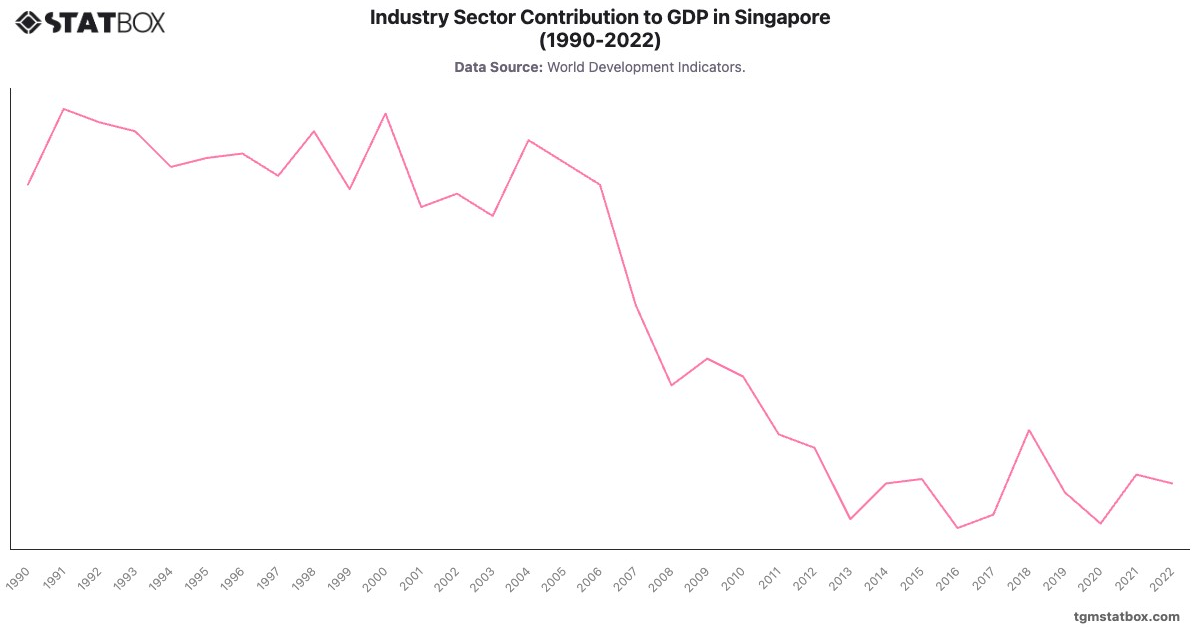
For additional information, visit statistics on Singapore’s annual GDP growth rate, Singapore’s death rate trends, Singapore’s manufacturing sector share in GDP.