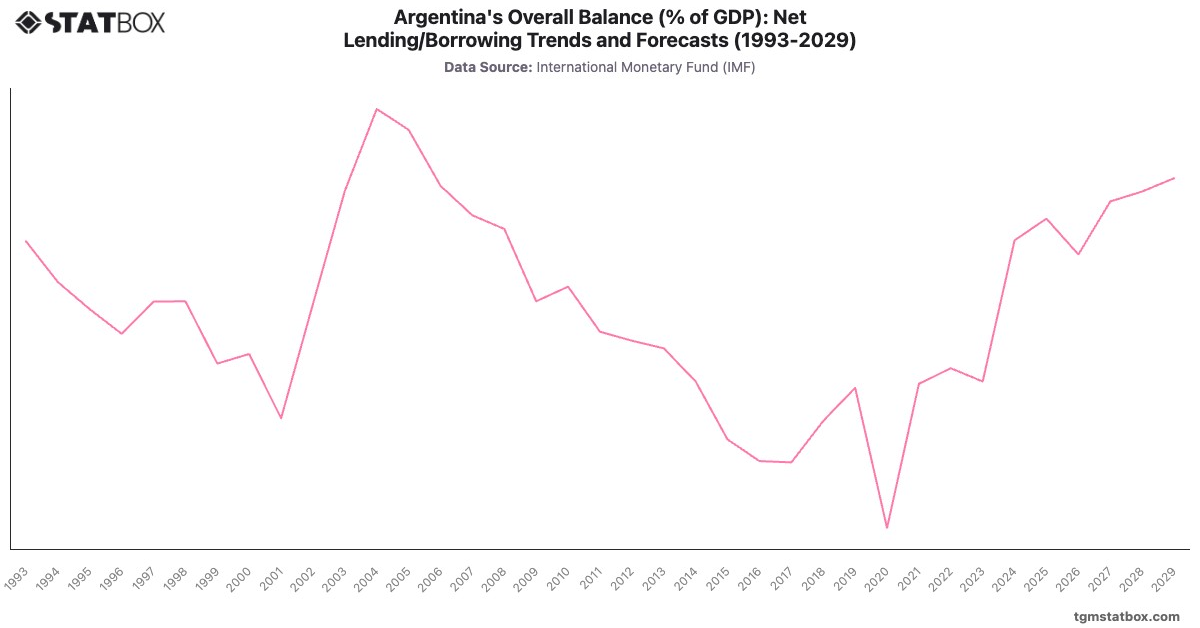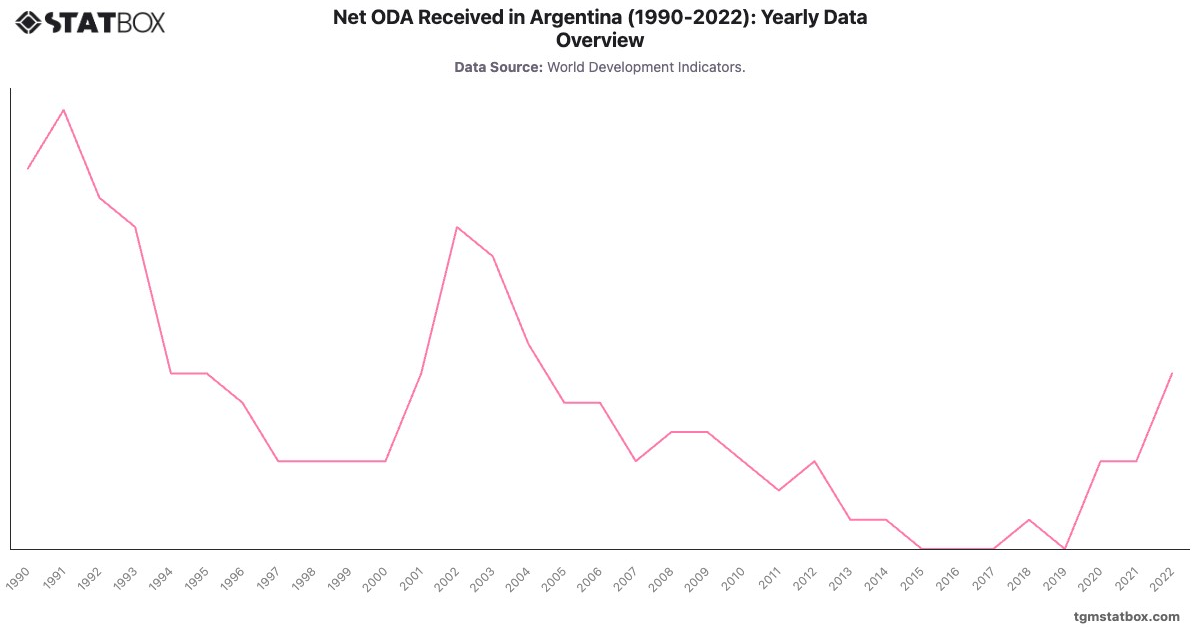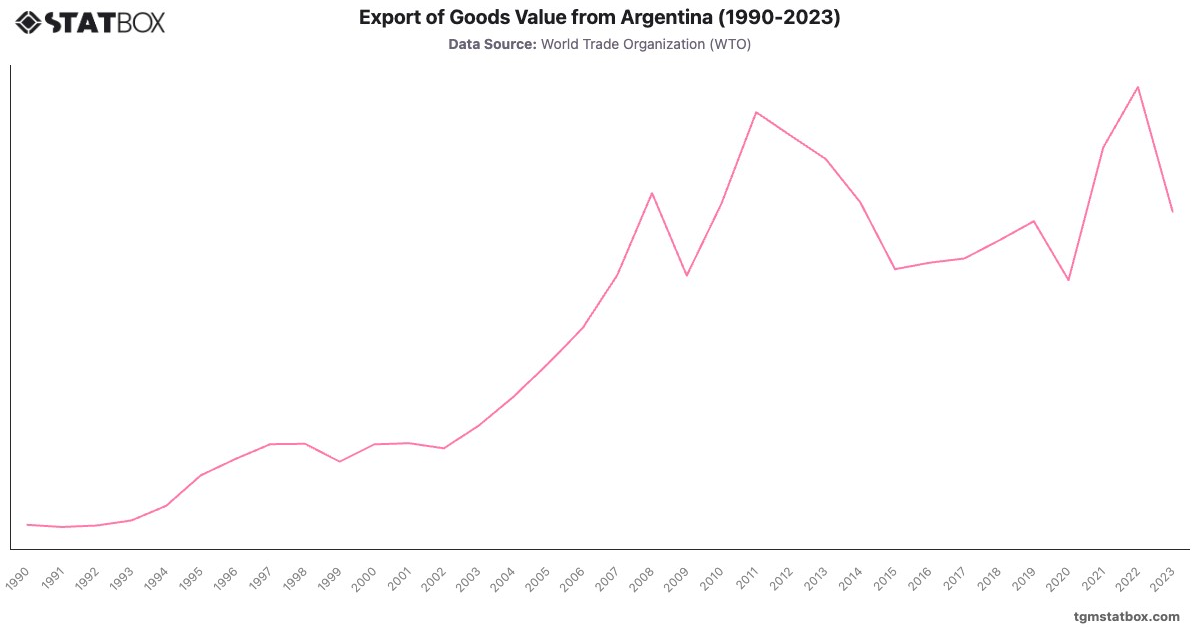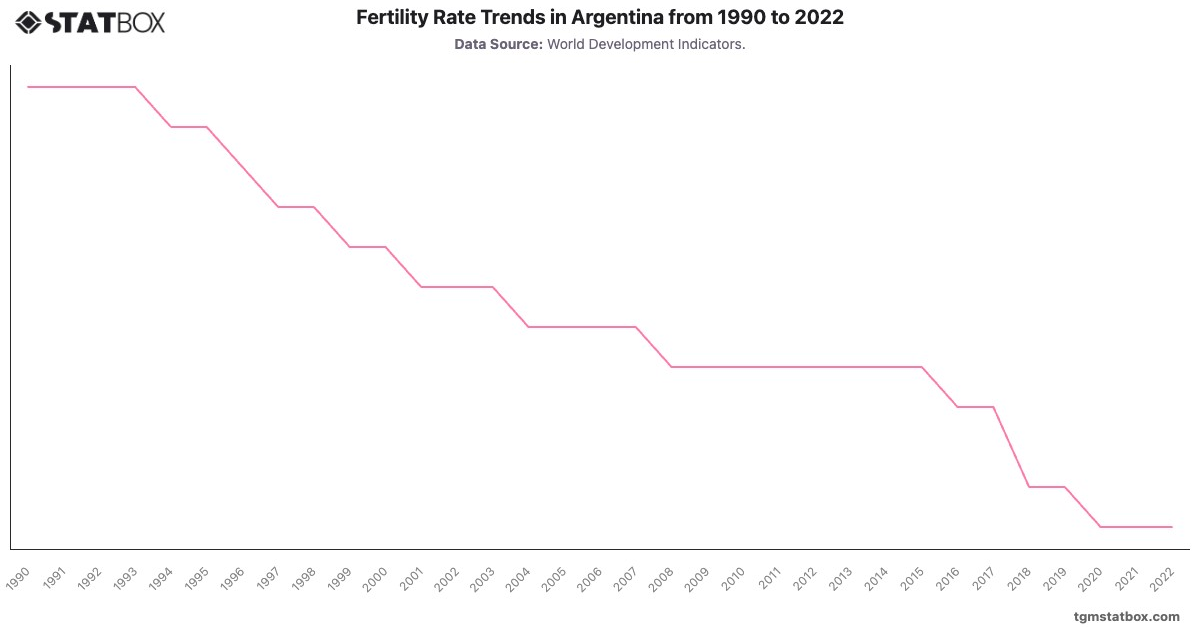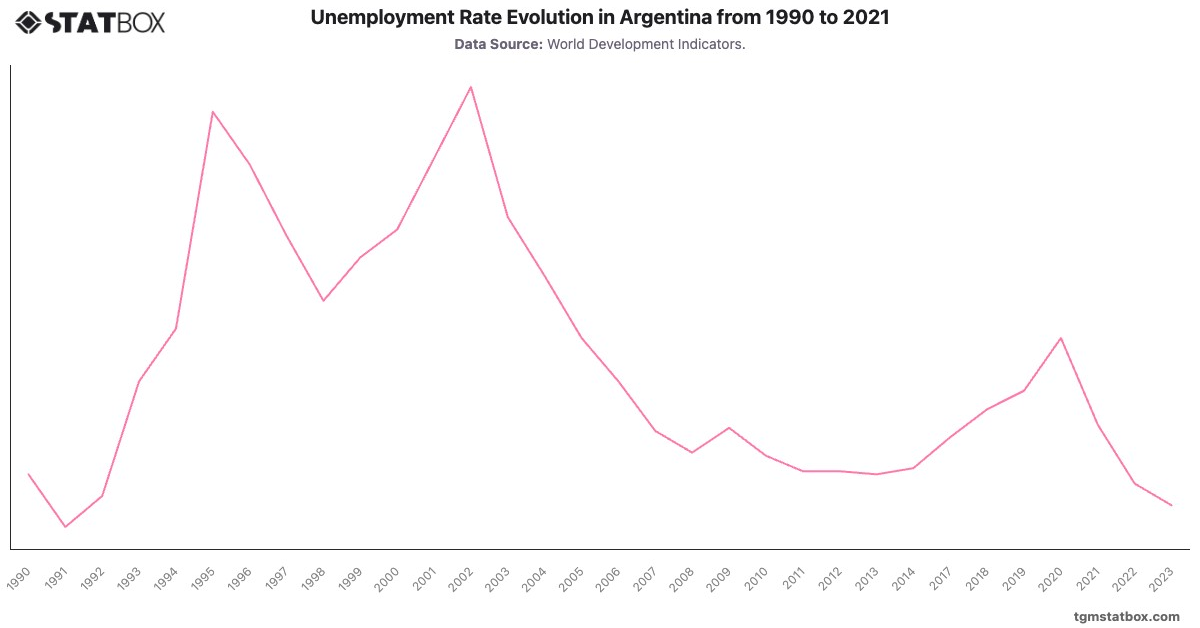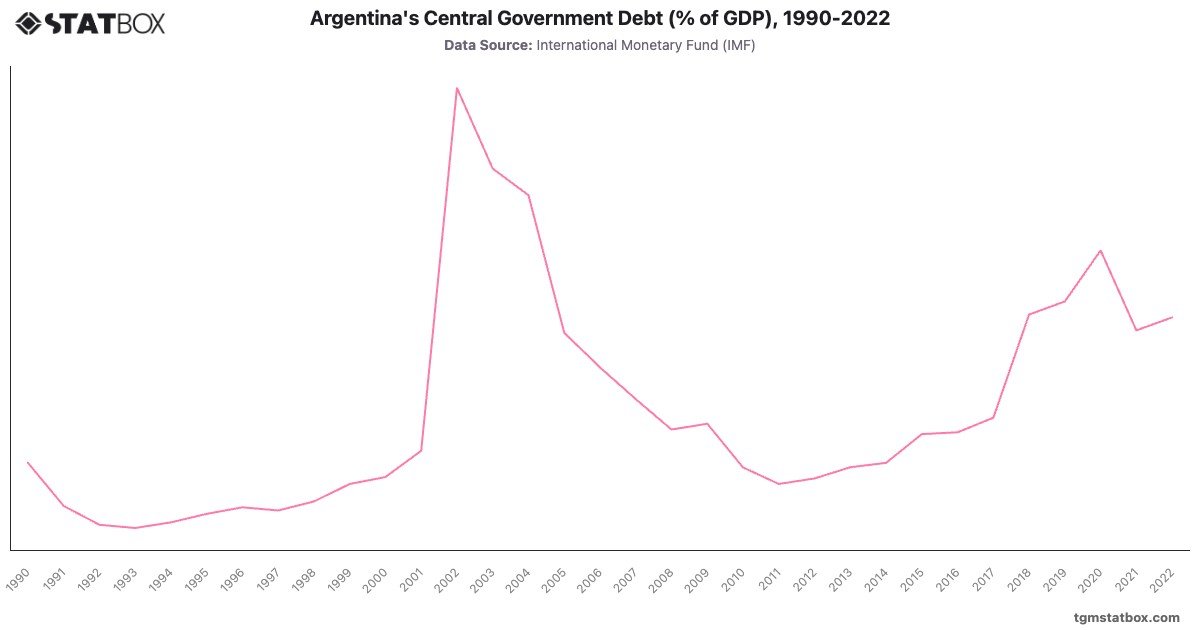
Argentina's debt history is marked by episodes of crisis and recovery. Debt fell from in 1990 to in 1993 amid structural reforms, but rose again to in 2001, culminating in the 2002 economic collapse, when debt skyrocketed to . Subsequent debt restructuring and economic stabilization reduced it to by 2008.
The 2018 currency crisis and fiscal challenges drove debt to , followed by a spike to in 2020 due to the pandemic. Although it eased to by 2022, persistent fiscal imbalances remain a significant challenge.
The 2018 currency crisis and fiscal challenges drove debt to , followed by a spike to in 2020 due to the pandemic. Although it eased to by 2022, persistent fiscal imbalances remain a significant challenge.
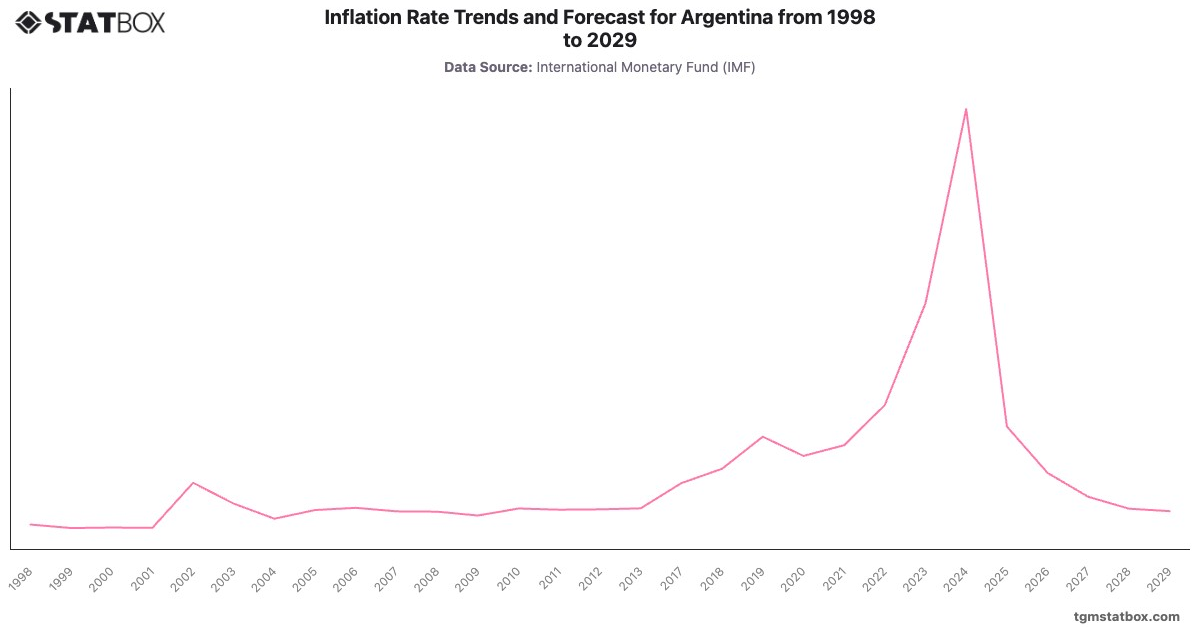
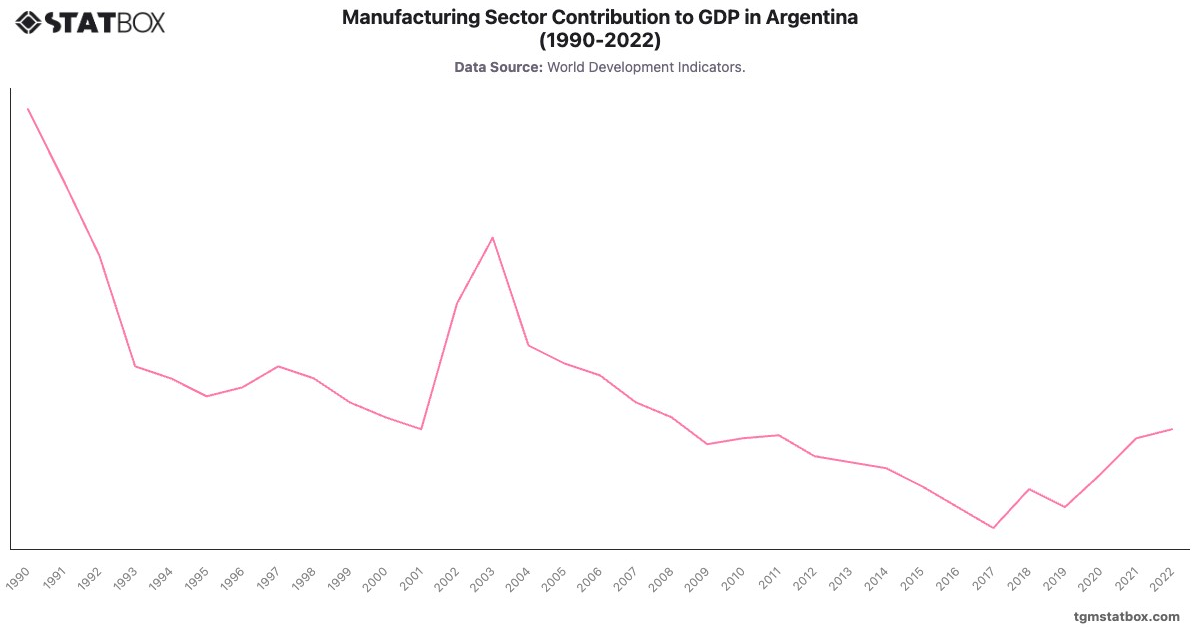
For a broader context, visit other statistics on Argentina’s yearly GDP growth rate, Argentina’s inflation rate forecast, Argentina’s manufacturing industry share in GDP.