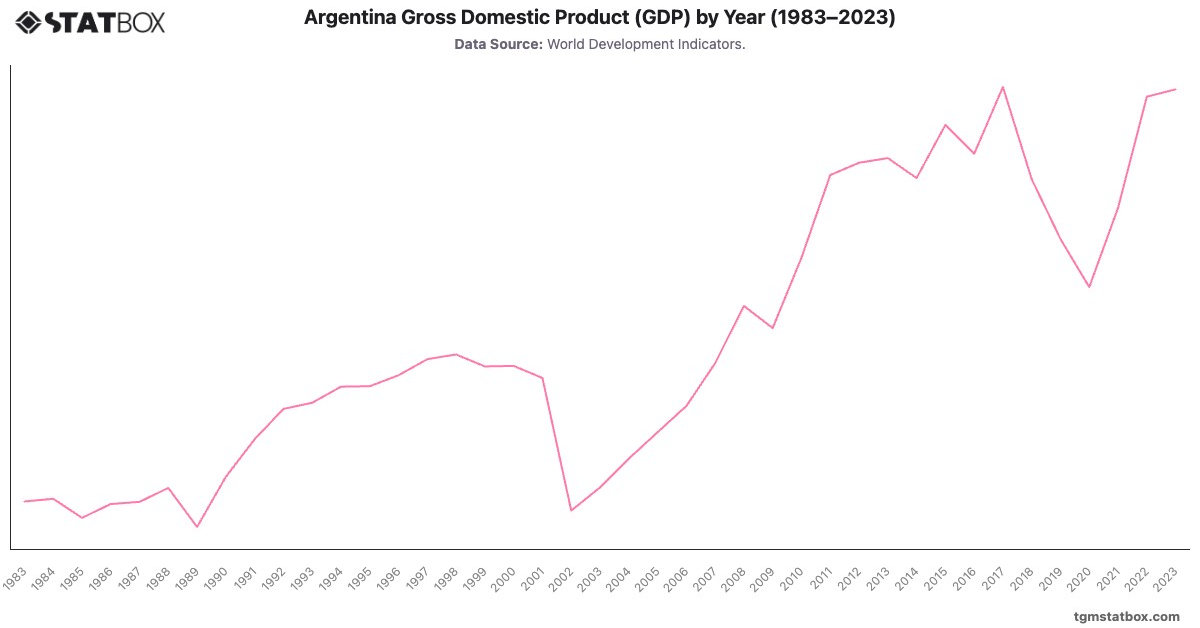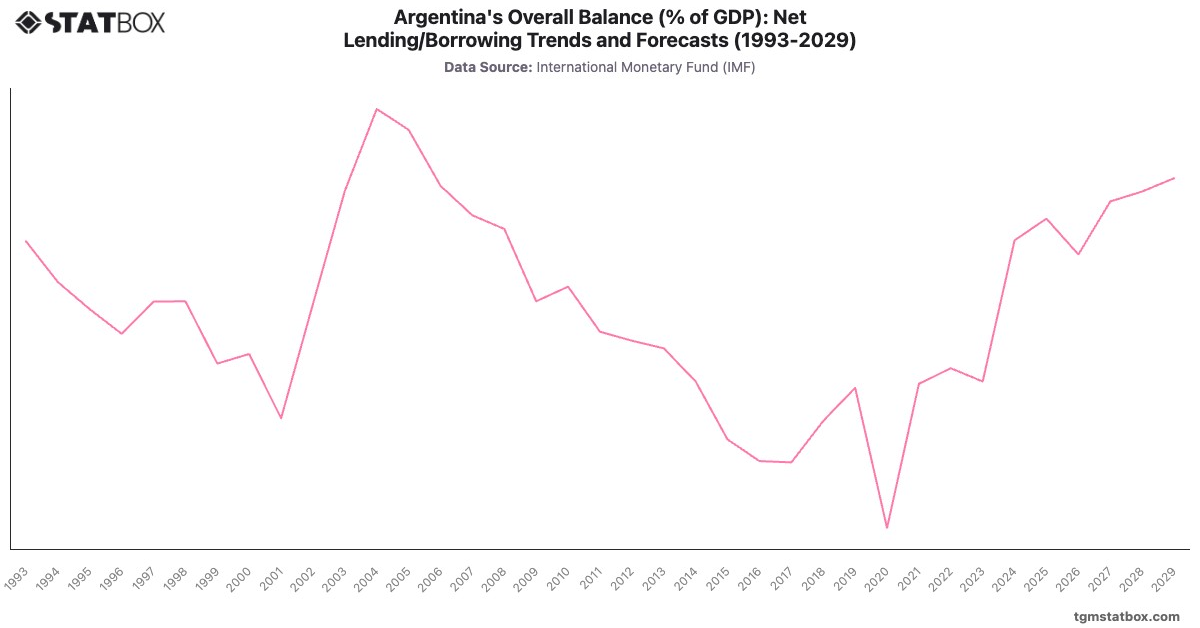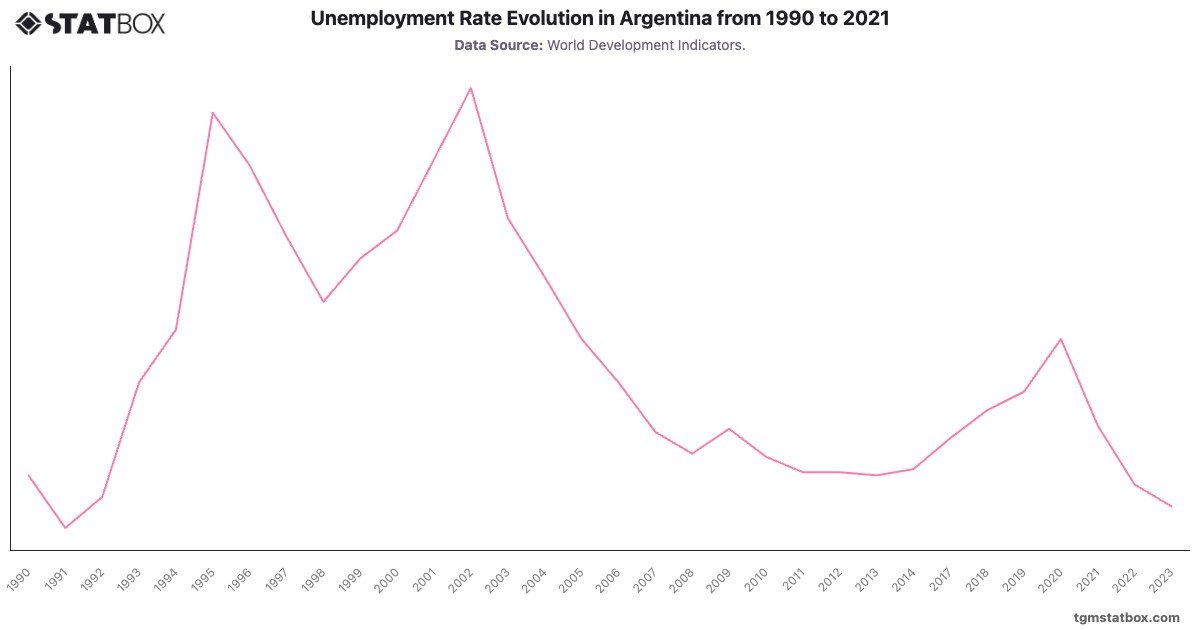
Argentina's unemployment rate exhibited notable fluctuations from 1990 to 2021, reflecting the nation's turbulent economic landscape. In the early 1990s, Argentina's unemployment was relatively low, starting at in 1990. This period was characterized by attempts to stabilize the economy after the hyperinflation of the late 1980s, which initially seemed promising. However, the mid-1990s brought about a significant rise in unemployment, reaching in 1995. This increase was largely due to economic stagnation and a series of financial crises that deeply affected job availability.
Entering the 2000s, the unemployment rate gradually declined as the government implemented various economic reforms. Despite a brief spike during the 2001–2002 crisis, when unemployment climbed to , the economy began to stabilize, and unemployment rates trended downward, reaching by 2011. The following years showed stability, with only minor fluctuations, indicating a recovery phase. However, recent economic challenges pushed the unemployment rate up again, peaking at in 2020 during the COVID-19 pandemic, before showing signs of recovery in 2021.
Entering the 2000s, the unemployment rate gradually declined as the government implemented various economic reforms. Despite a brief spike during the 2001–2002 crisis, when unemployment climbed to , the economy began to stabilize, and unemployment rates trended downward, reaching by 2011. The following years showed stability, with only minor fluctuations, indicating a recovery phase. However, recent economic challenges pushed the unemployment rate up again, peaking at in 2020 during the COVID-19 pandemic, before showing signs of recovery in 2021.
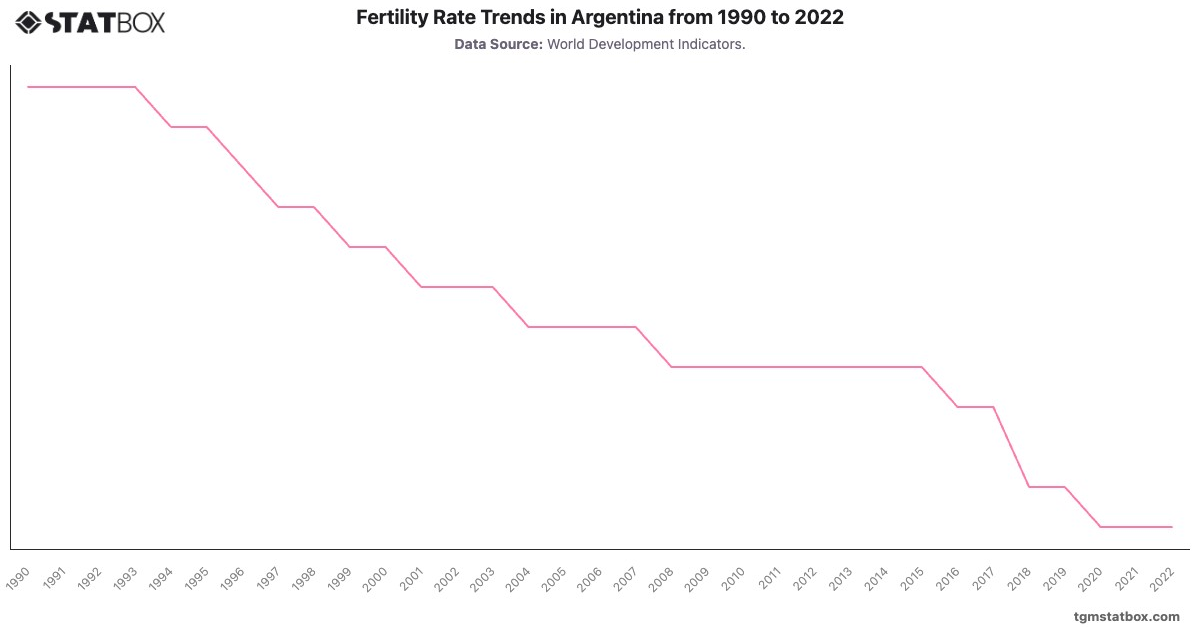
For a deeper dive into the topic, explore Argentina’s fertility rate trends, Argentina’s population figures, Argentina’s urbanization rate.