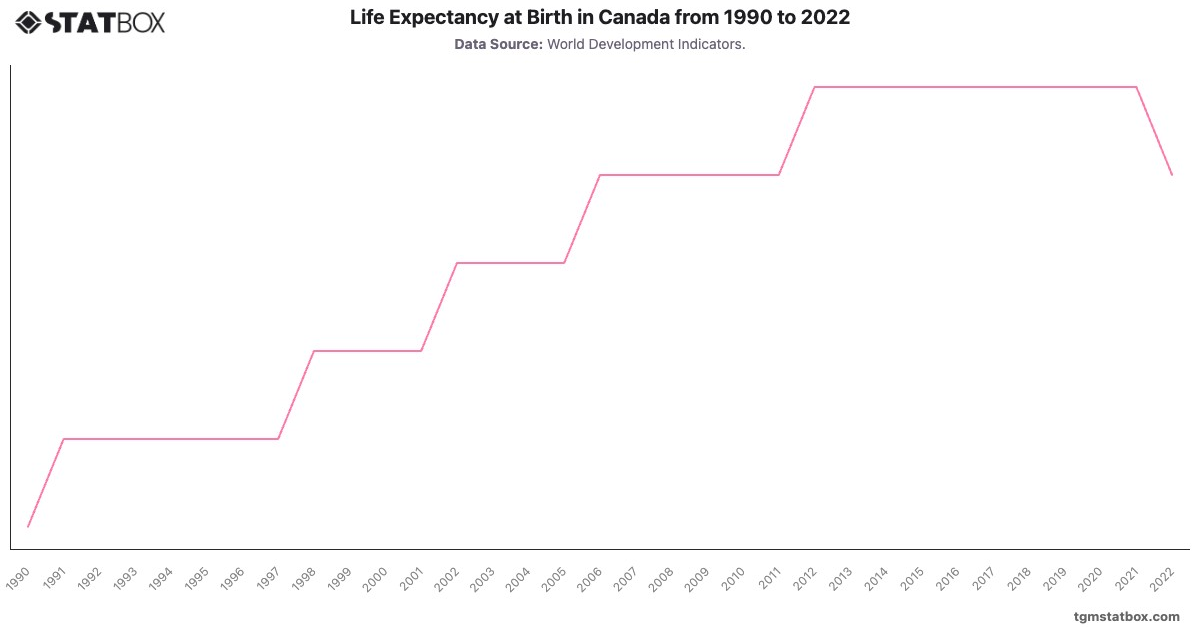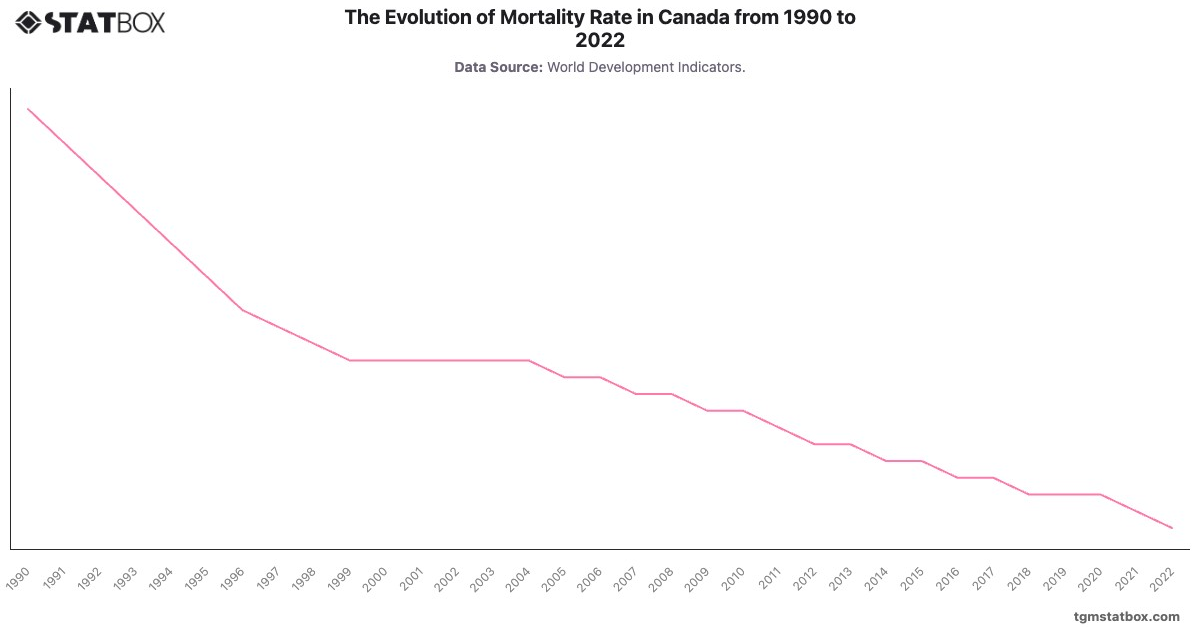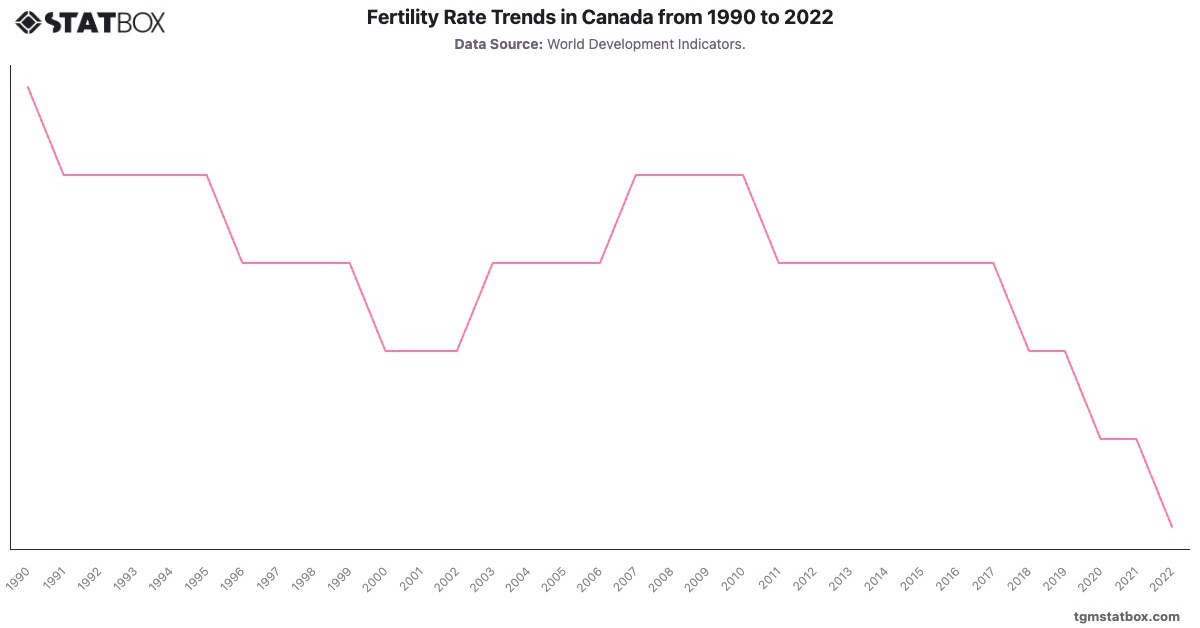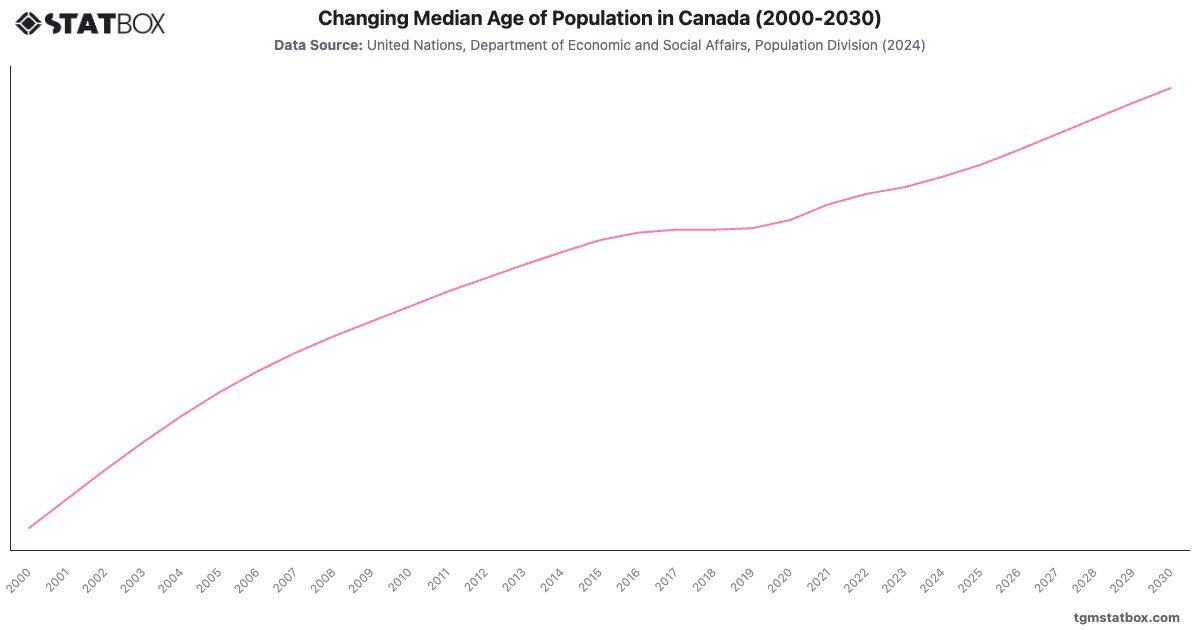
Canada’s median age increased from 35.8 in 2000 to 39.9 in 2020, reflecting the effects of an aging baby boomer generation. This growth has been supported by improvements in healthcare, which have led to increased life expectancy, while birth rates have remained relatively stable but low. From 2010 onwards, the median age stabilized slightly as immigration contributed a younger demographic into the population mix.
By 2030, Canada’s median age is expected to rise further to 41.7. This gradual increase underscores the need for immigration to sustain the workforce and manage the economic impacts of an aging population. Canada’s strategic policies around immigration and healthcare will play a crucial role in mitigating the effects of an older demographic, helping maintain economic stability and workforce productivity.
By 2030, Canada’s median age is expected to rise further to 41.7. This gradual increase underscores the need for immigration to sustain the workforce and manage the economic impacts of an aging population. Canada’s strategic policies around immigration and healthcare will play a crucial role in mitigating the effects of an older demographic, helping maintain economic stability and workforce productivity.
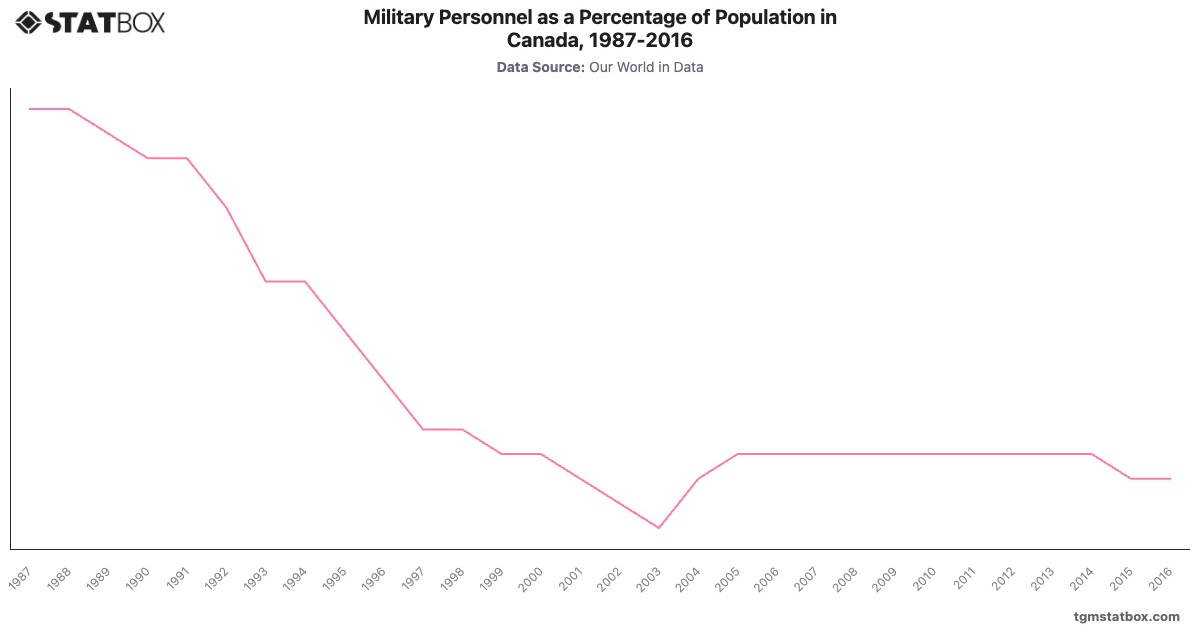
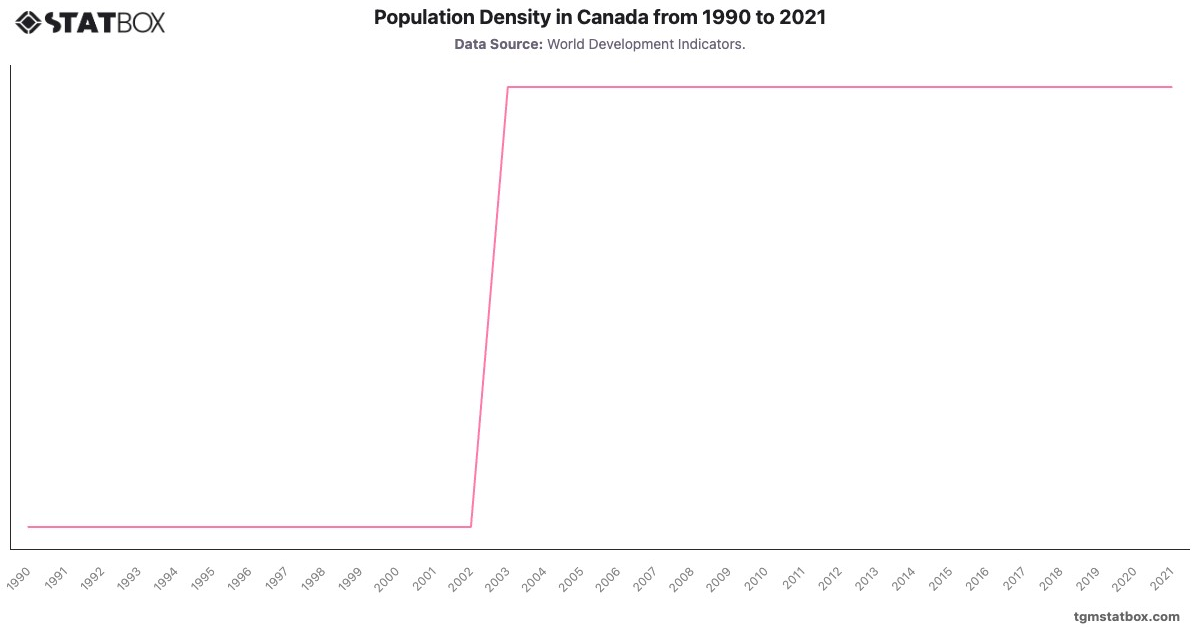
For a deeper dive into the topic, explore Canada’s military share of population, Canada population growth trends, Canada’s population density.