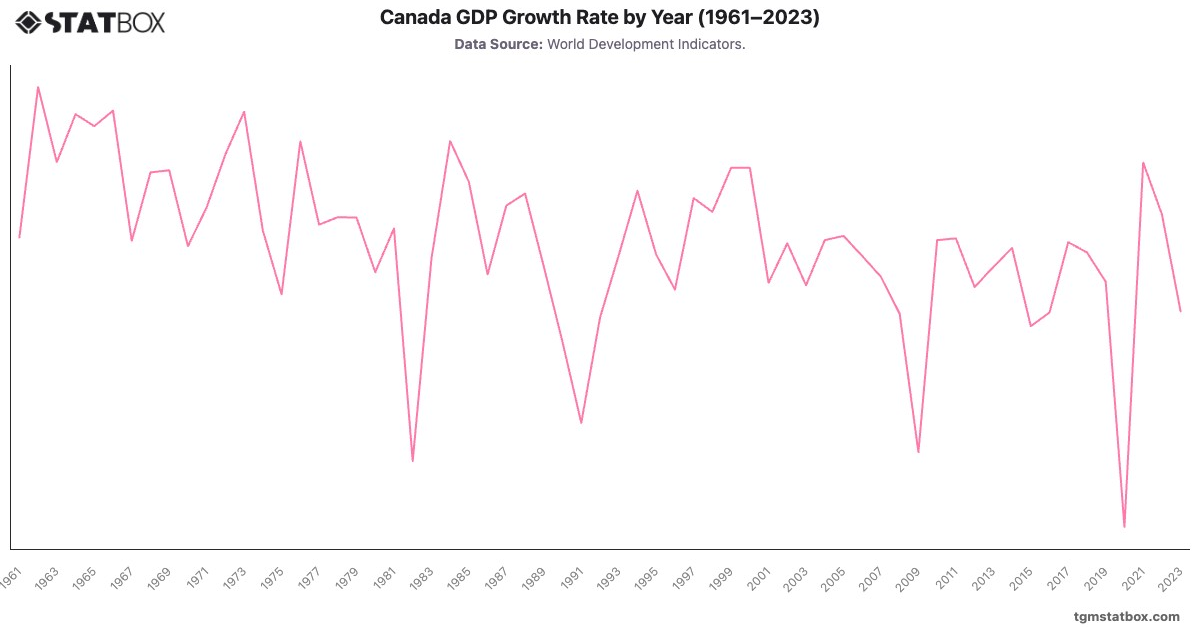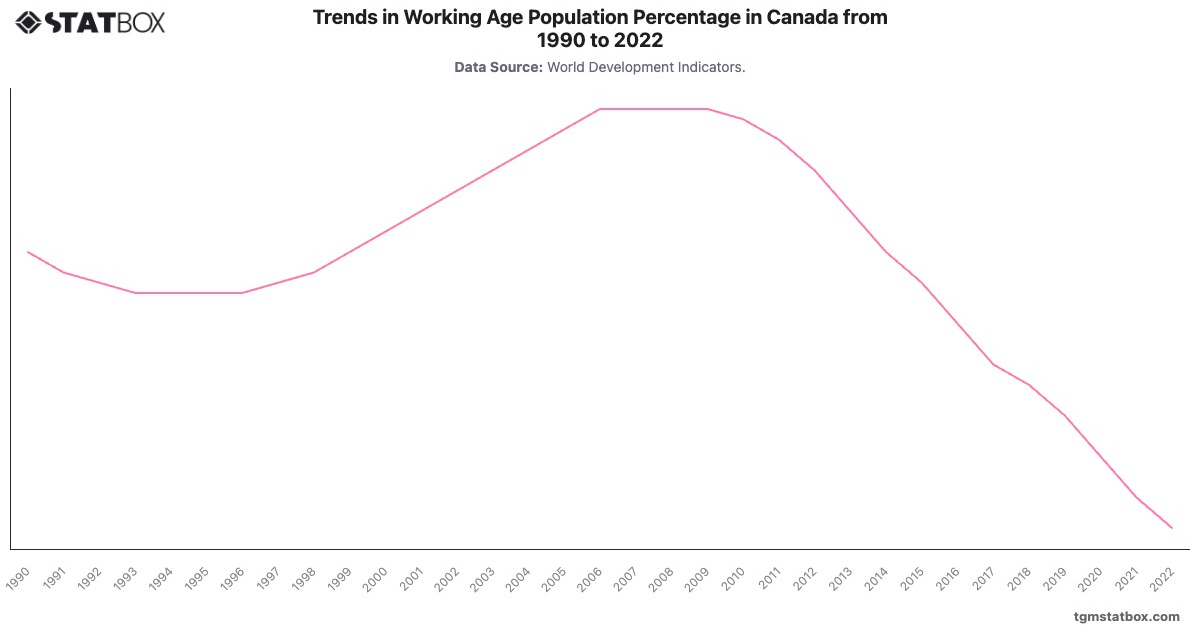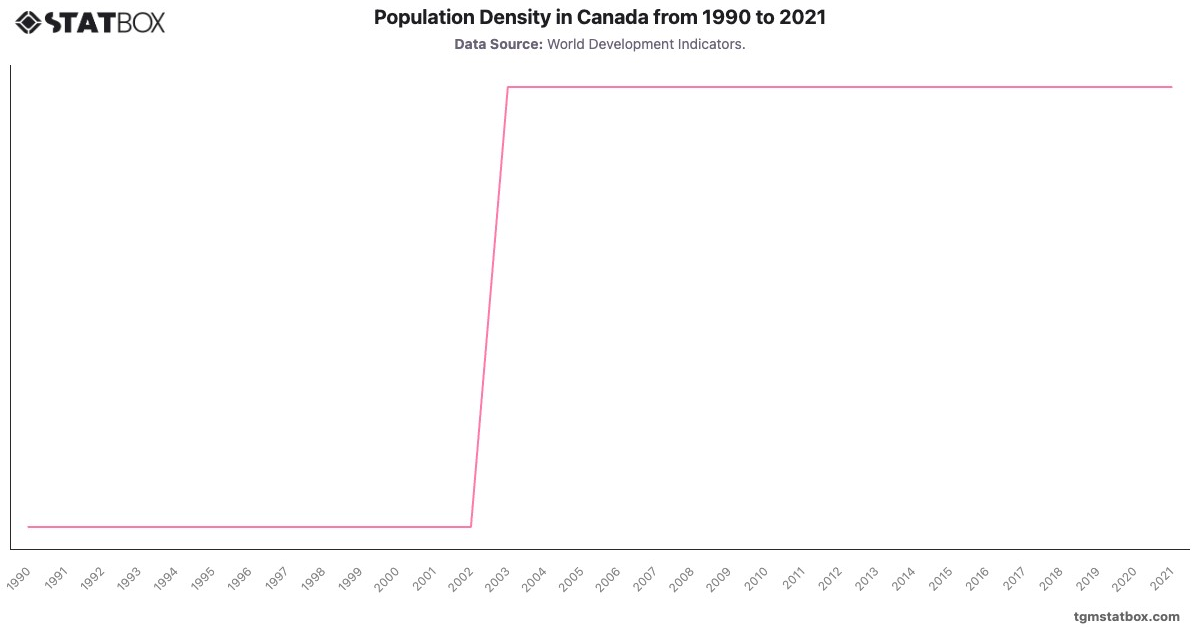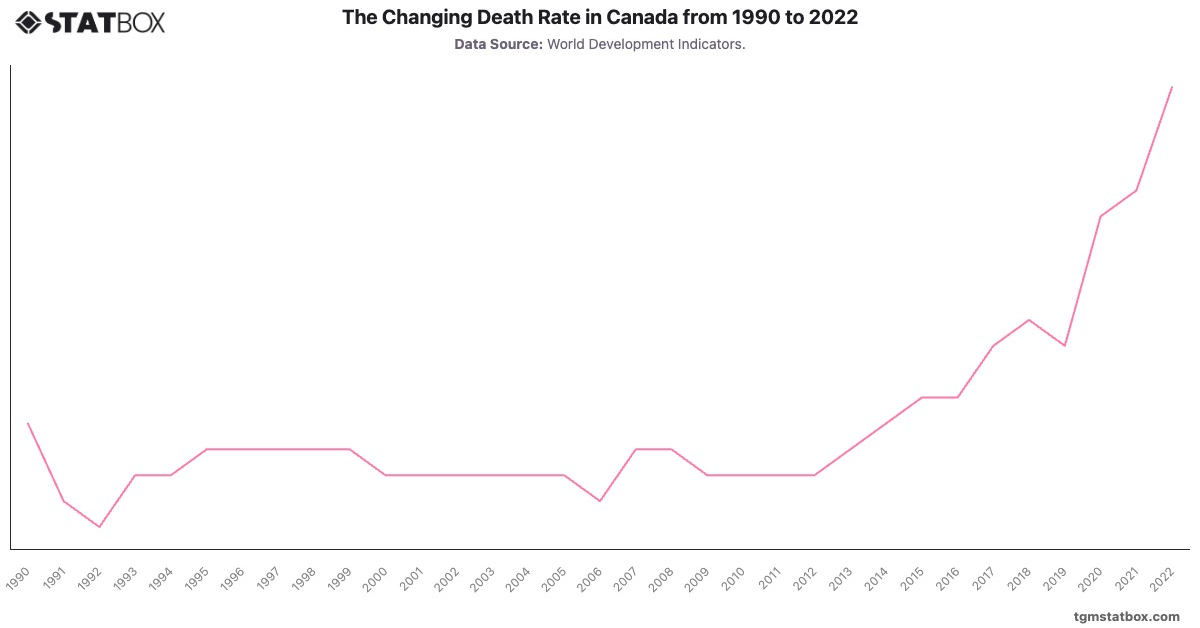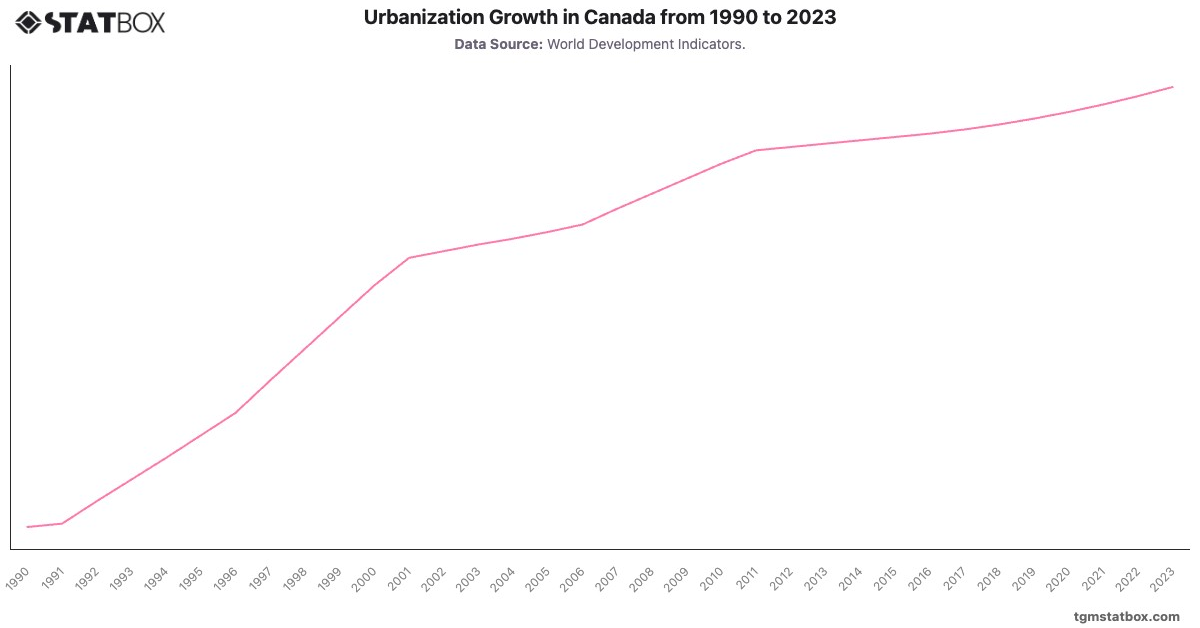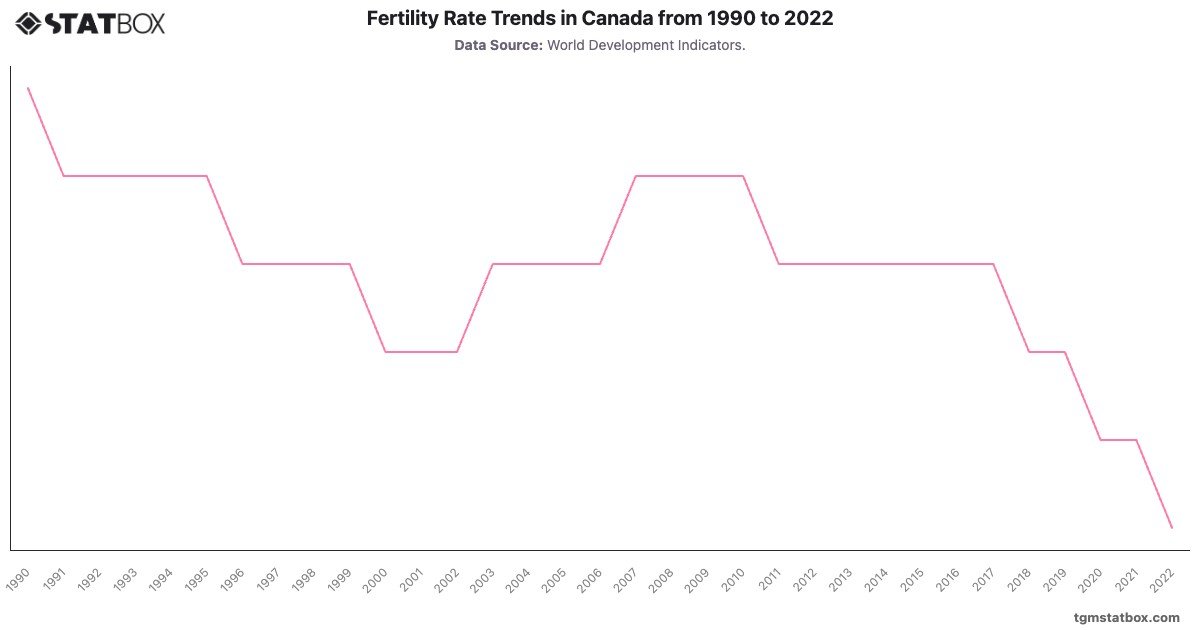
Canada's fertility rate saw a gradual decline from 1.8 in 1990 to 1.3 in 2022, reflecting broader global patterns in developed nations. In the 1990s, rates stabilized around 1.7, influenced by favorable economic conditions and immigration policies supporting family expansion. However, the 2000s marked a gradual reduction, with rates dropping to 1.5 by the mid-decade, likely driven by urbanization, delayed parenthood, and increasing education levels among women.
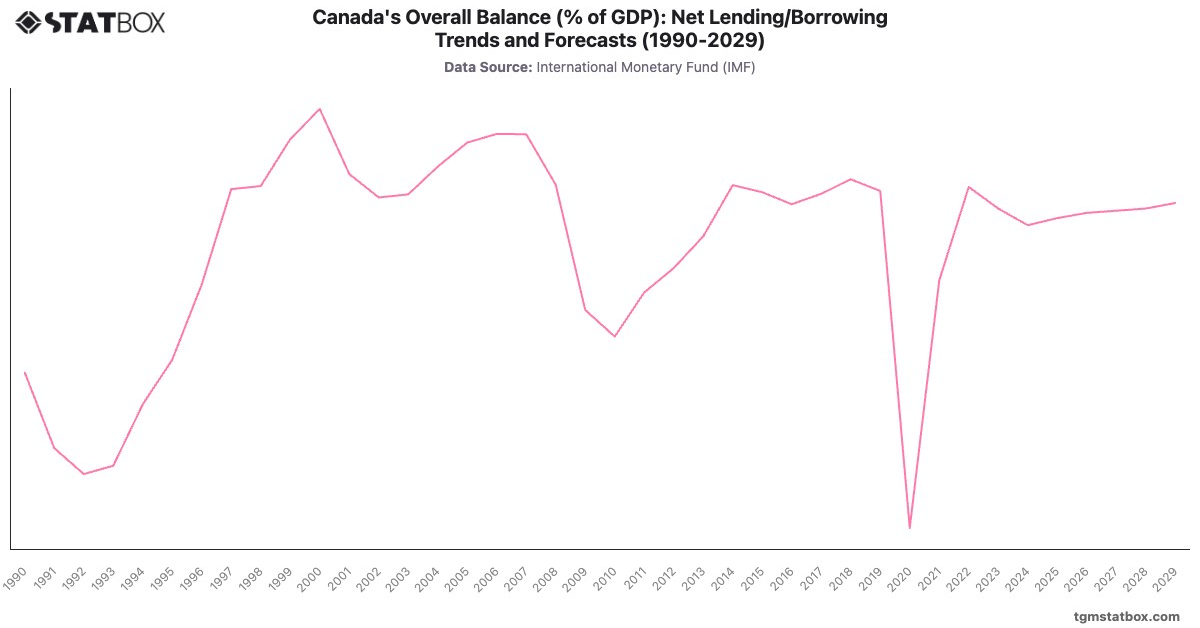
From 2018 onwards, the rate declined further, reaching 1.3 in 2022, partly due to economic uncertainties and social changes, including shifts in family structures and preferences for smaller households. The COVID-19 pandemic also contributed, amplifying concerns about financial stability and healthcare access, resulting in a notable dip by 2020.
From 2018 onwards, the rate declined further, reaching 1.3 in 2022, partly due to economic uncertainties and social changes, including shifts in family structures and preferences for smaller households. The COVID-19 pandemic also contributed, amplifying concerns about financial stability and healthcare access, resulting in a notable dip by 2020.
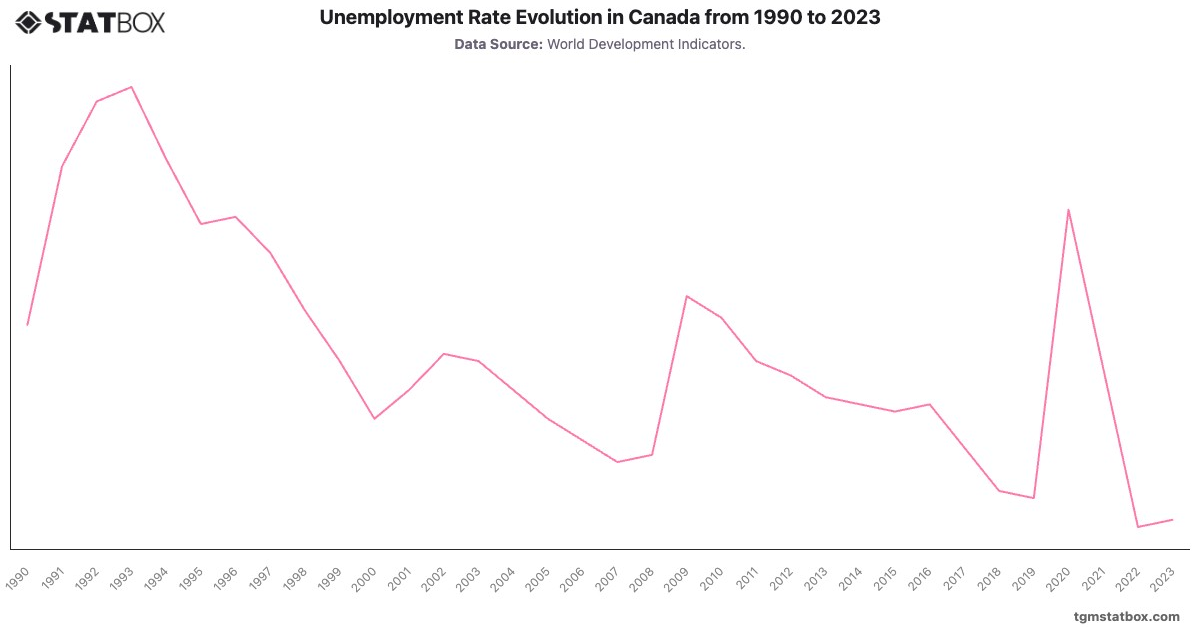
For additional information, visit statistics on Canada’s population count, Canada’s military share of population, Canada’s unemployment rate trend.