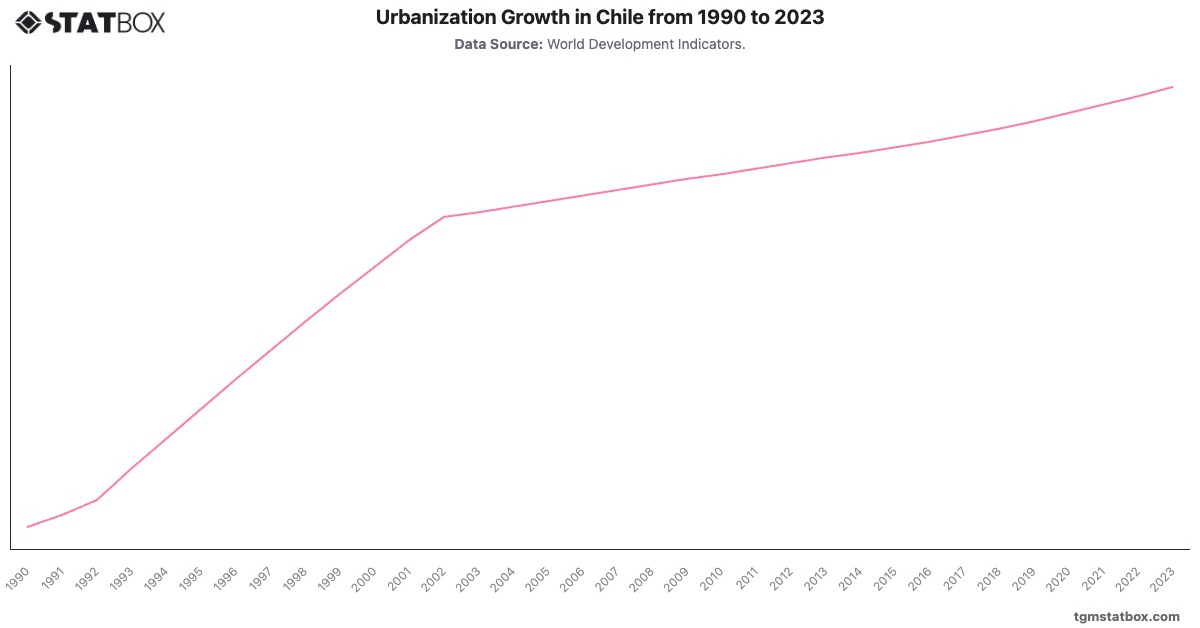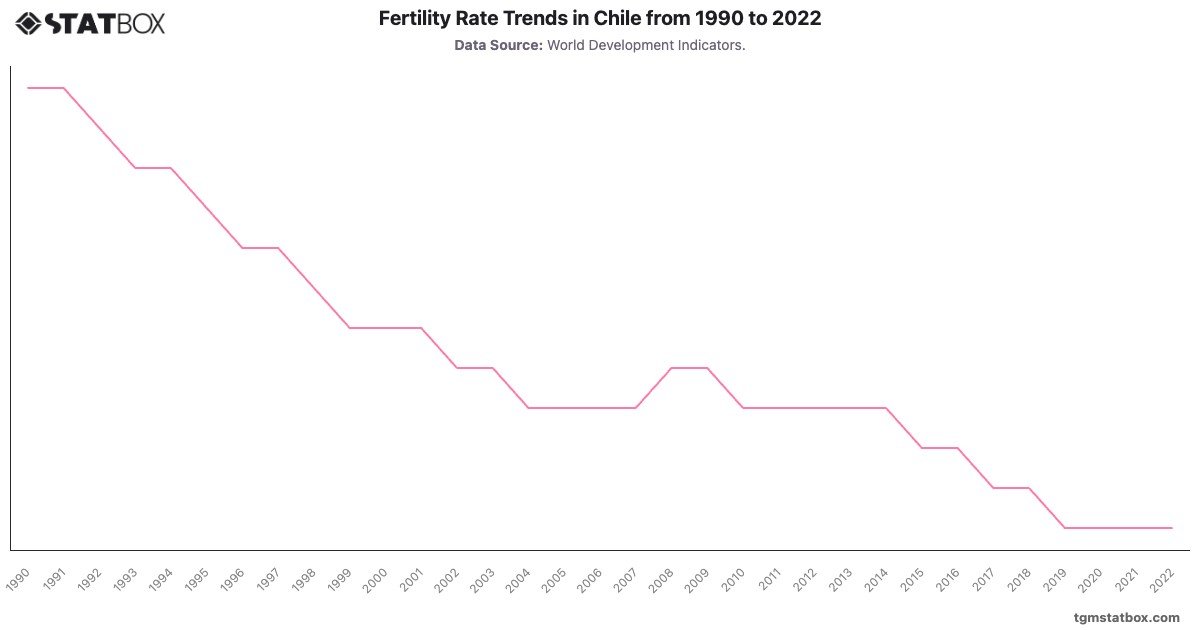
Chile experienced a significant decline in fertility rates from 2.6 in 1990 to 1.5 in 2022, reflecting a transition from a developing to a more developed demographic profile. The drop during the 1990s, from 2.6 to 2.0 by 2000, was influenced by expanding access to education and healthcare, particularly among women, alongside widespread urbanization.
In the 2000s and 2010s, fertility rates stabilized briefly around 1.8, before resuming their decline due to increasing workforce participation by women, delayed family planning, and economic modernization. By 2020, the rate reached 1.5, illustrating Chile’s shift toward smaller family norms common in high-income nations.
In the 2000s and 2010s, fertility rates stabilized briefly around 1.8, before resuming their decline due to increasing workforce participation by women, delayed family planning, and economic modernization. By 2020, the rate reached 1.5, illustrating Chile’s shift toward smaller family norms common in high-income nations.
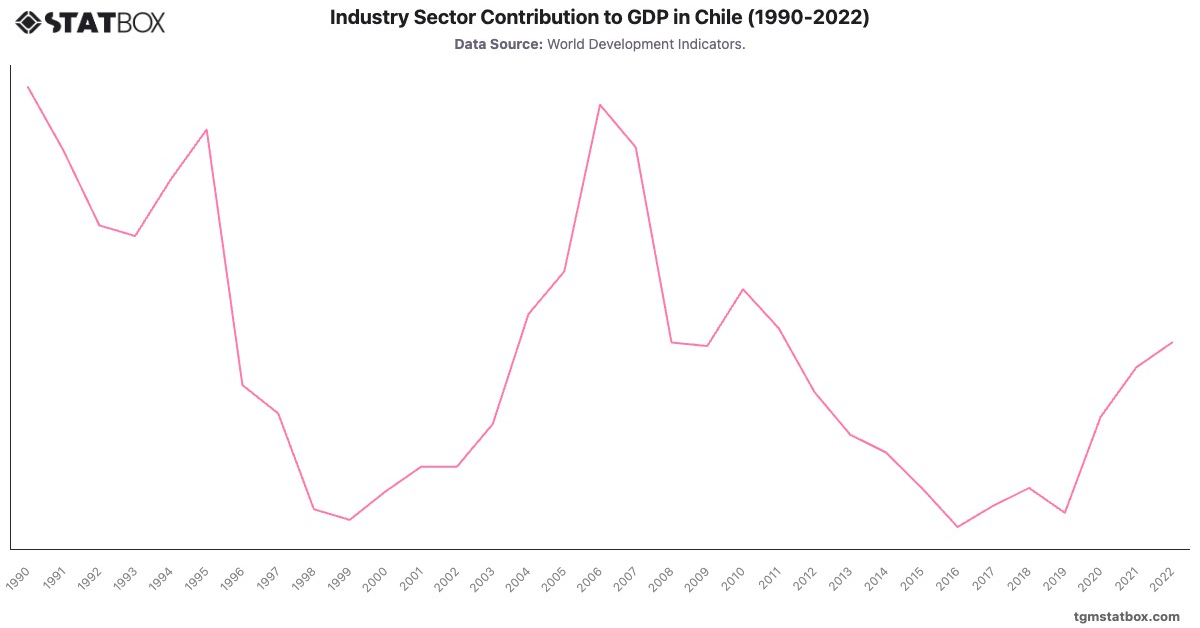
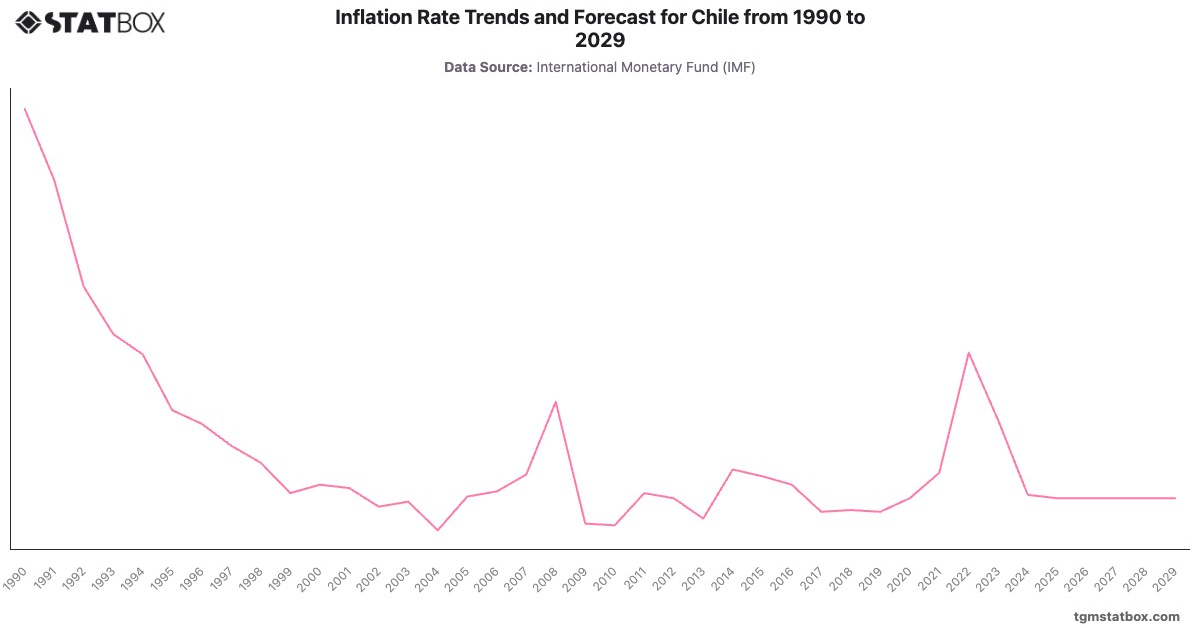
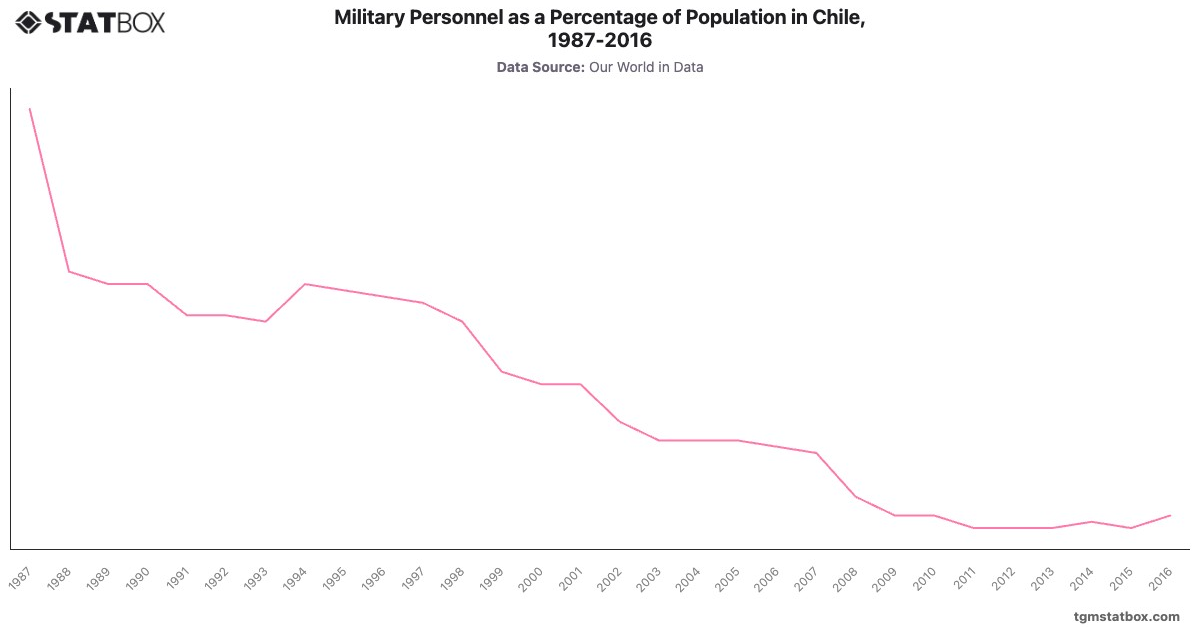
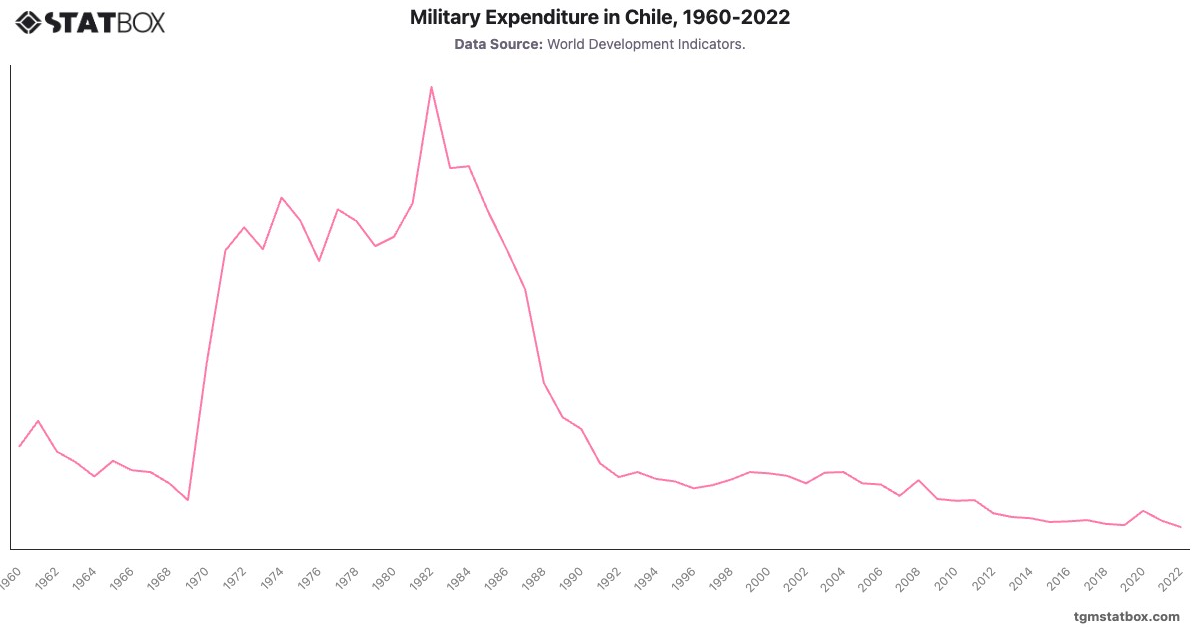
Explore related charts to gain a better understanding of Chile’s manufacturing contribution to GDP, Chile’s agriculture share in GDP, Chile’s working-age population trends.