Trends in Working Age Population Percentage in Chile from 1990 to 2022
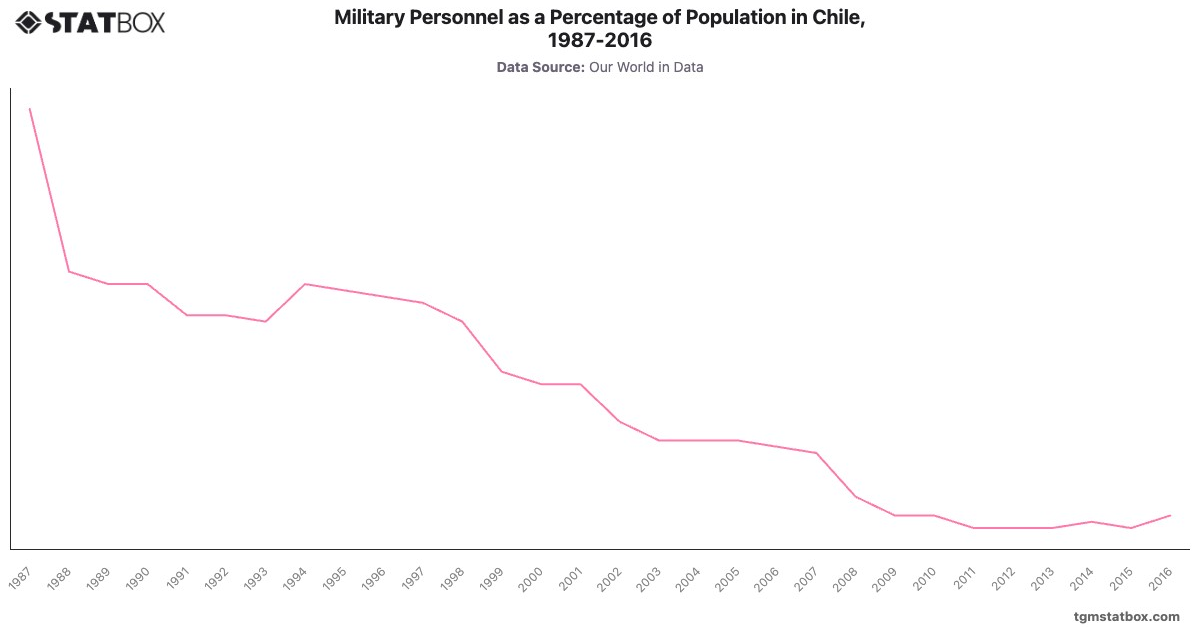
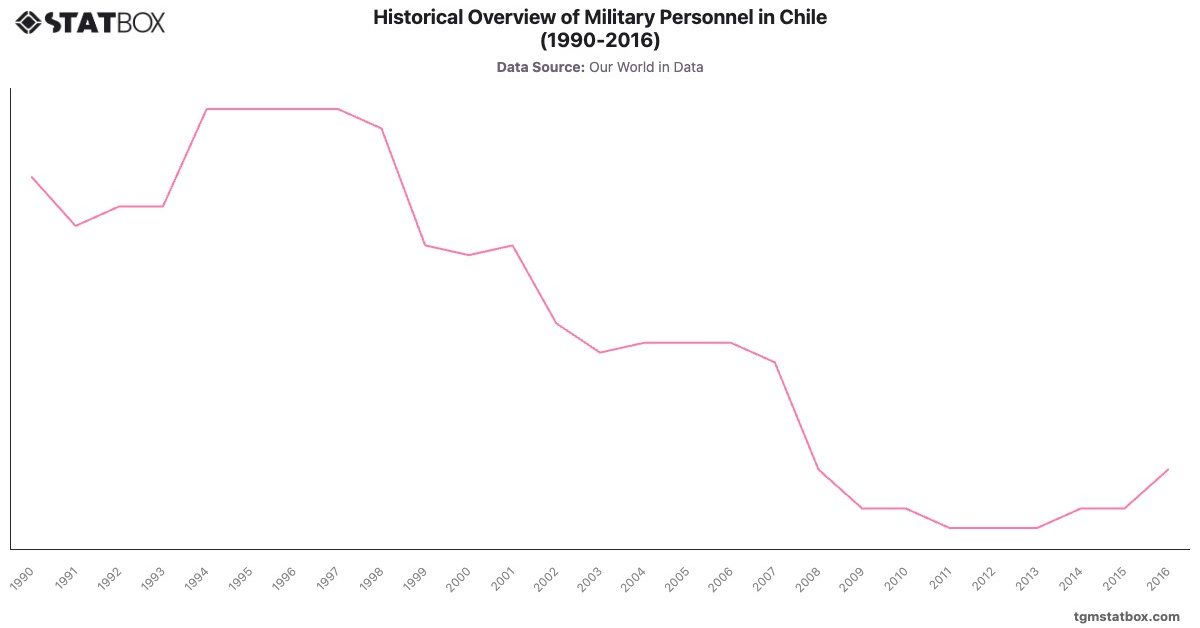
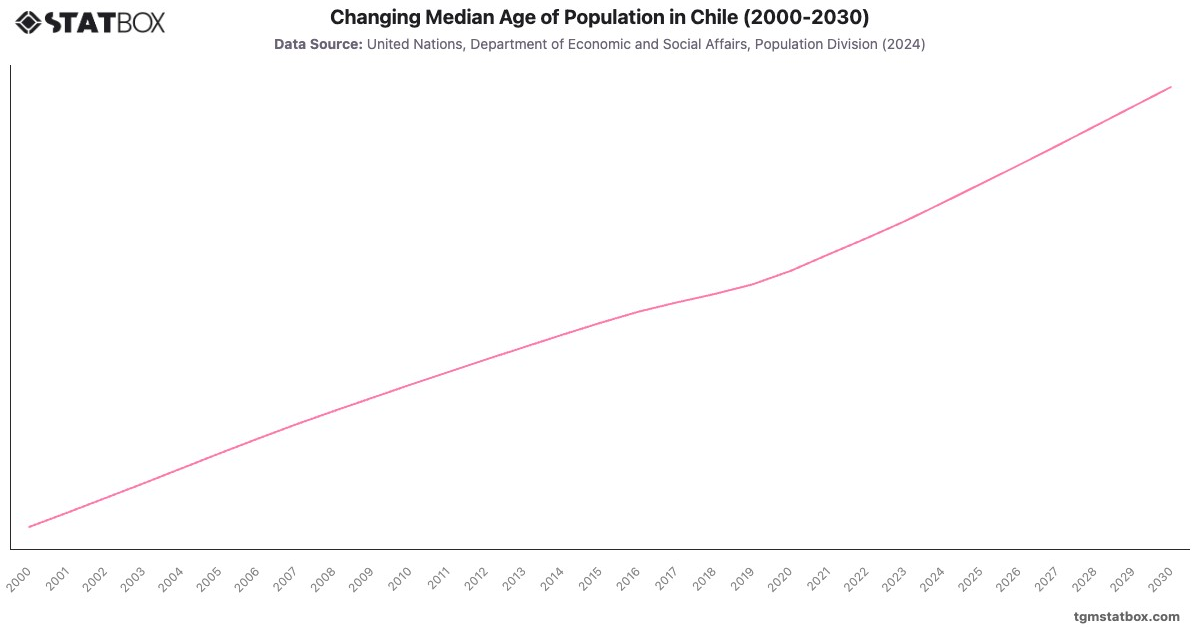
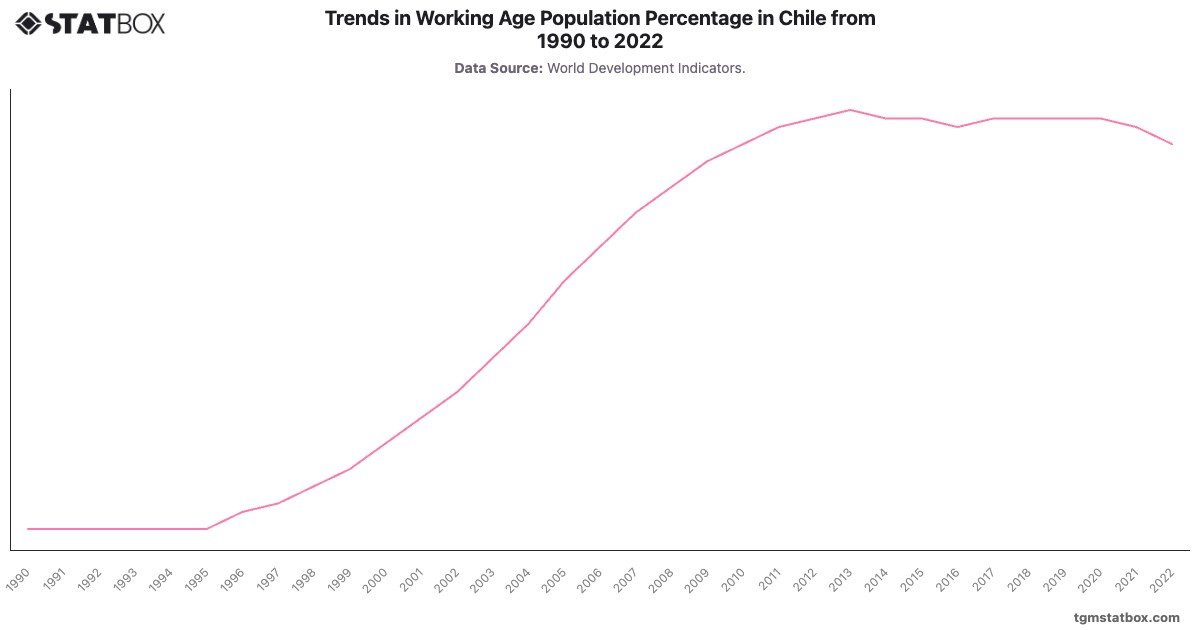
The working-age population in Chile has steadily increased from in 1990 to in 2020, maintaining a stable percentage throughout the decades. Notable peaks occurred in the early 2000s, with slight fluctuations from 2016 onwards, reflecting the impacts of economic growth and demographic trends. The rise in the working-age population aligns with Chile's progressive economic reforms, improved healthcare, and growing workforce participation, particularly among women. From 2016 to 2022, a slight dip to suggests the influence of an aging population and labor market shifts.
The working-age population in Chile has steadily increased from in 1990 to in 2020, maintaining a stable percentage throughout the decades. Notable peaks occurred in the early 2000s, with slight fluctuations from 2016 onwards, reflecting the impacts of economic growth and demographic trends. The rise in the working-age population aligns with Chile's progressive economic reforms, improved healthcare, and growing workforce participation, particularly among women. From 2016 to 2022, a slight dip to suggests the influence of an aging population and labor market shifts.
Discover additional trends and data on Chile’s agriculture share in GDP, Chile’s population total, Chile’s population density.