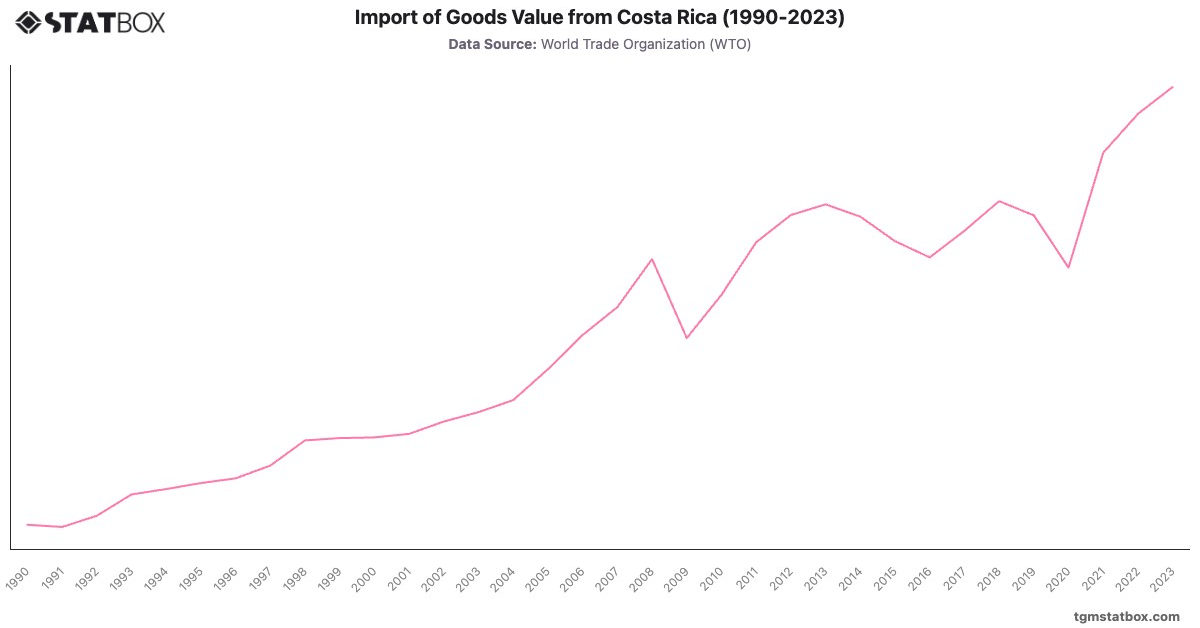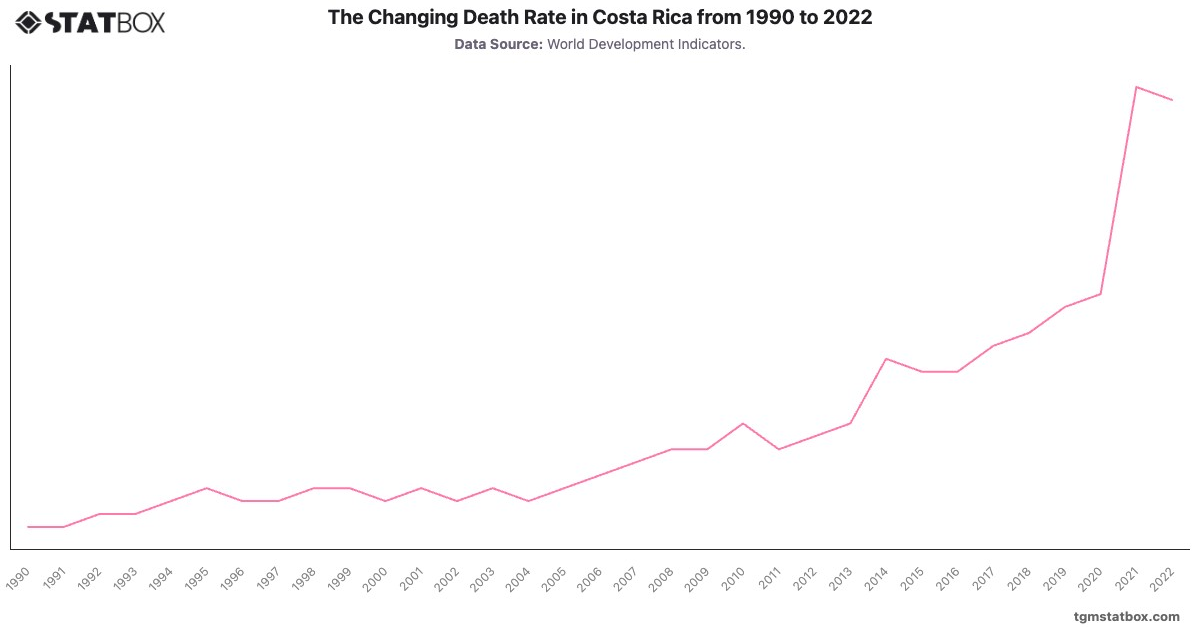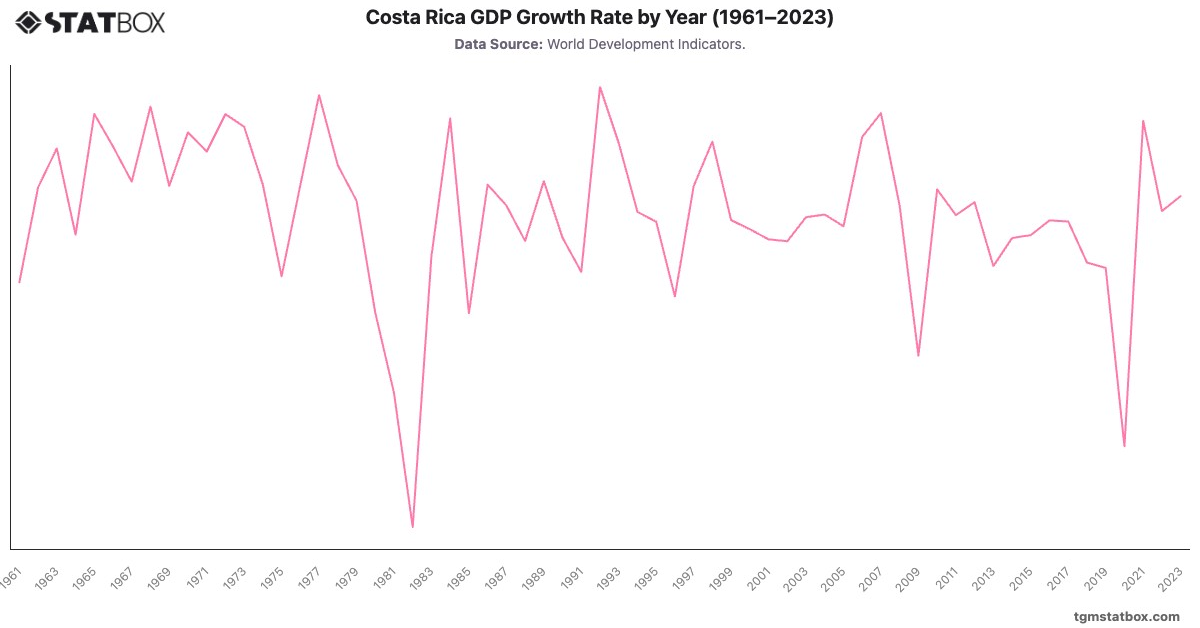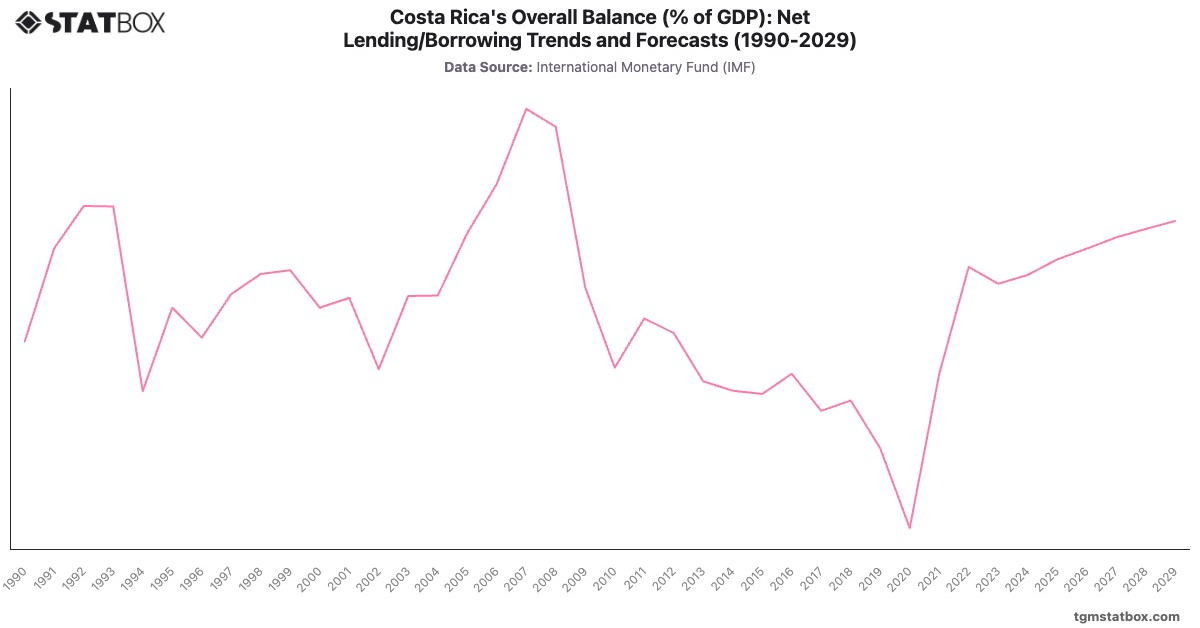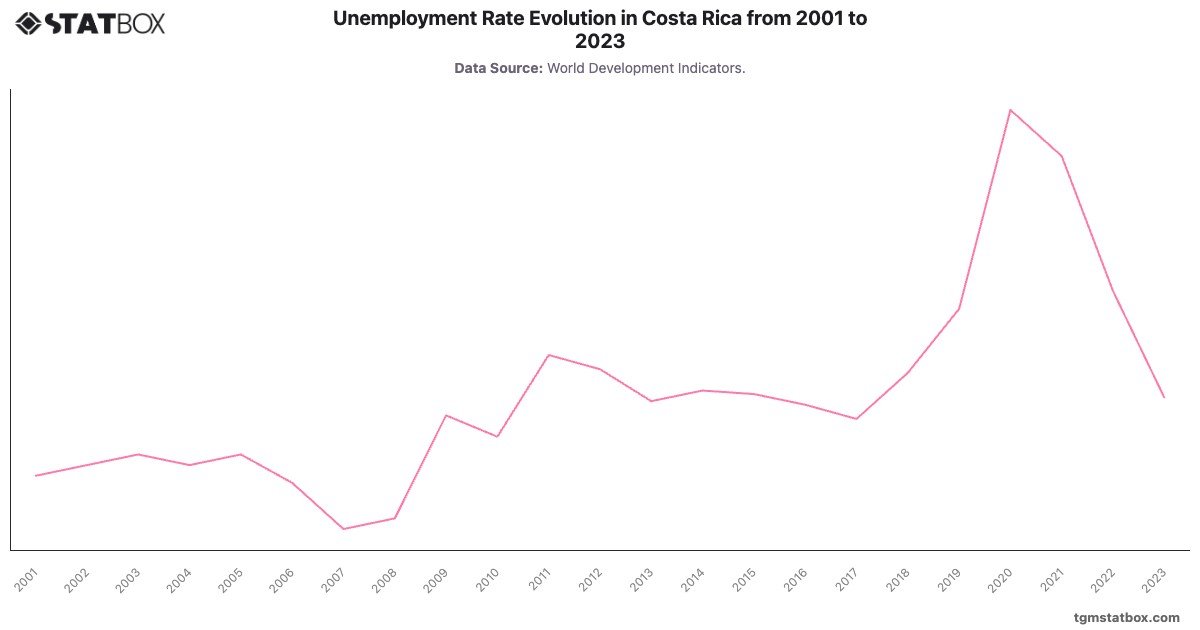
Costa Rica's unemployment rate has reflected the nation’s mixed economic fortunes and structural shifts since 2001. Starting at , the early 2000s were relatively stable, with only minor fluctuations. However, the 2008 global financial crisis resulted in an increase, with unemployment reaching in 2009, demonstrating Costa Rica’s exposure to global economic cycles. Following a brief period of recovery, the rate surged again in the early 2010s, peaking at in 2019, as economic growth slowed.
The COVID-19 pandemic caused a substantial rise, pushing the rate to in 2020, one of the highest recorded. Costa Rica’s economy faced challenges in sectors such as tourism, a major contributor to employment, which were severely affected. By 2023, unemployment had reduced to , indicative of the nation's gradual recovery and adaptation to post-pandemic economic conditions.
The COVID-19 pandemic caused a substantial rise, pushing the rate to in 2020, one of the highest recorded. Costa Rica’s economy faced challenges in sectors such as tourism, a major contributor to employment, which were severely affected. By 2023, unemployment had reduced to , indicative of the nation's gradual recovery and adaptation to post-pandemic economic conditions.
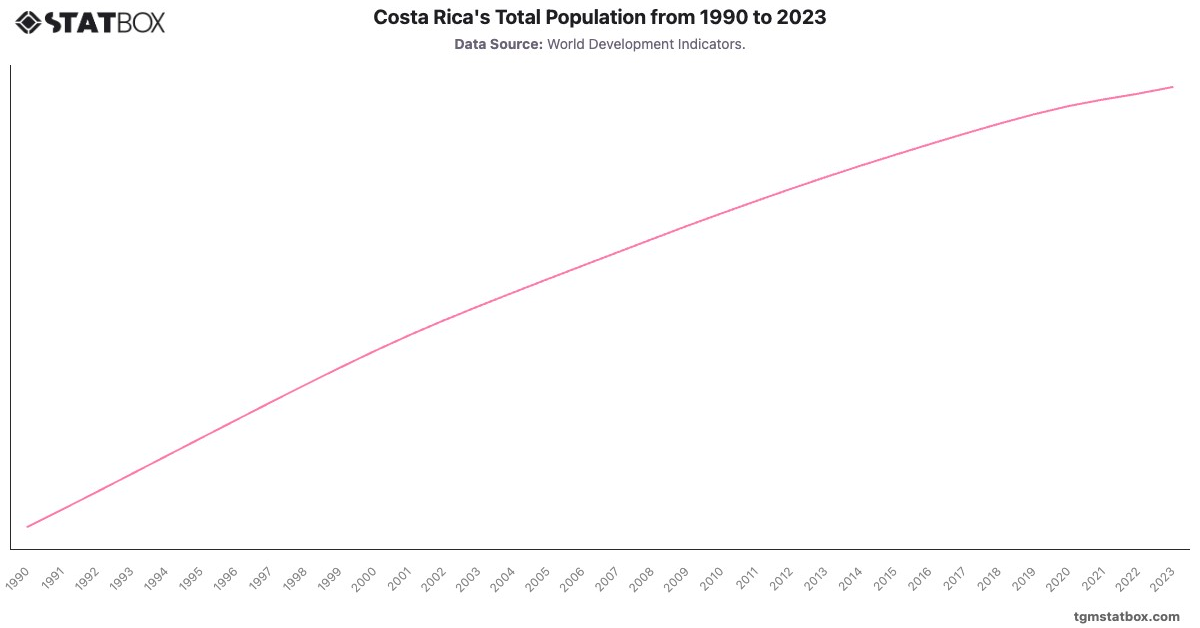
Explore related charts to gain a better understanding of Costa Rica’s population count, Costa Rica’s population growth rate, Costa Rica’s industrial sector GDP share.