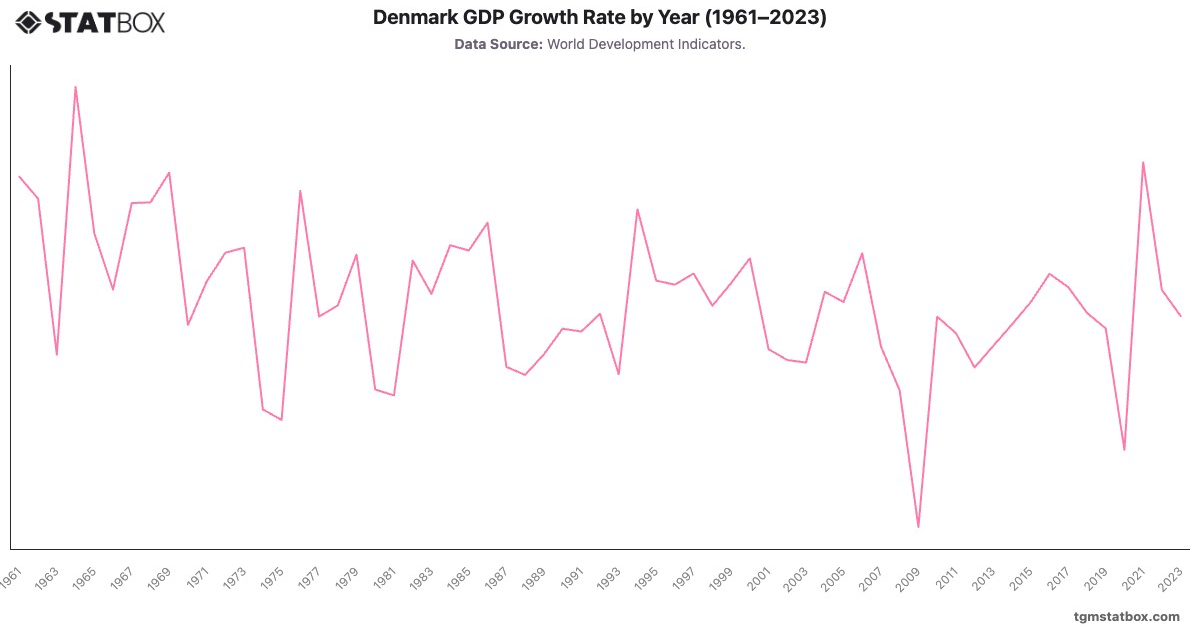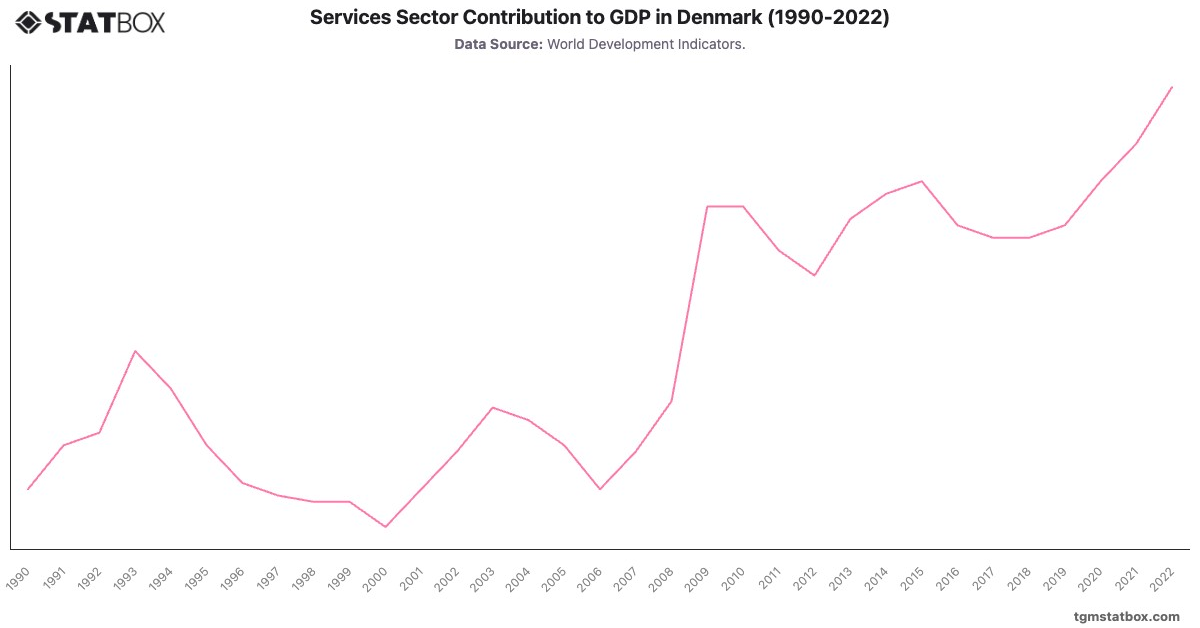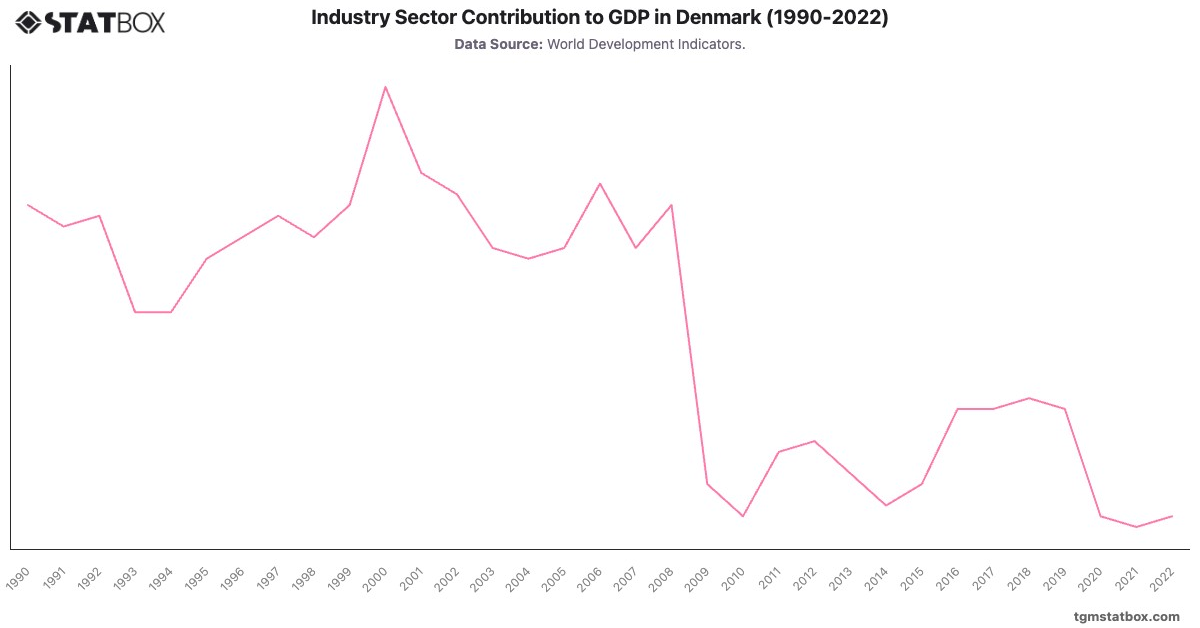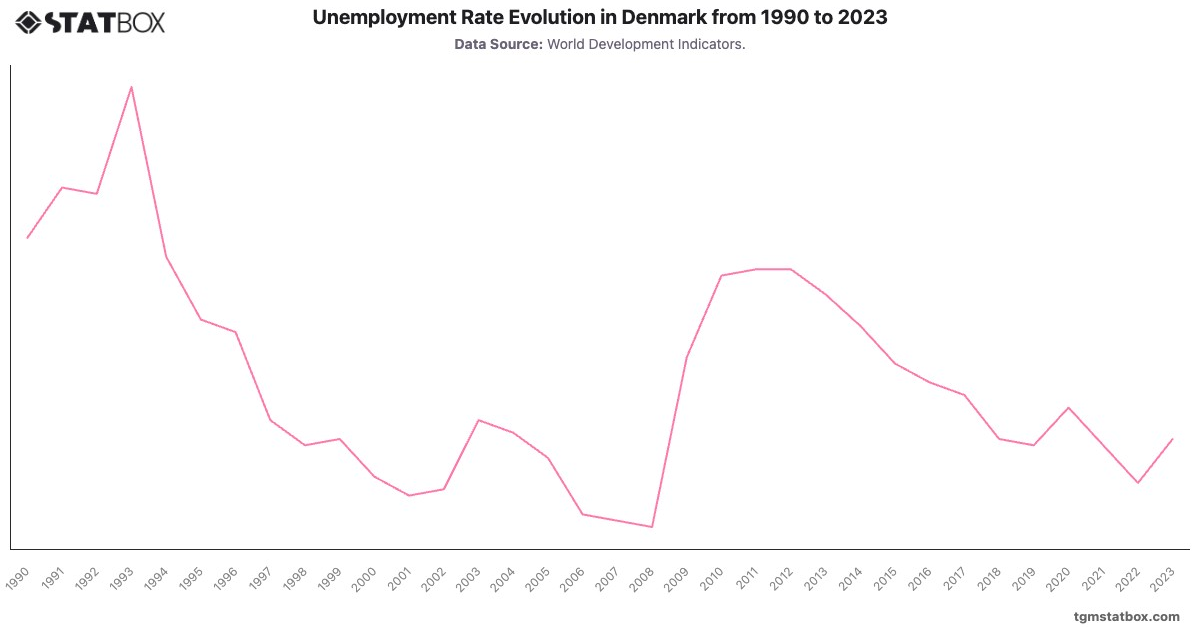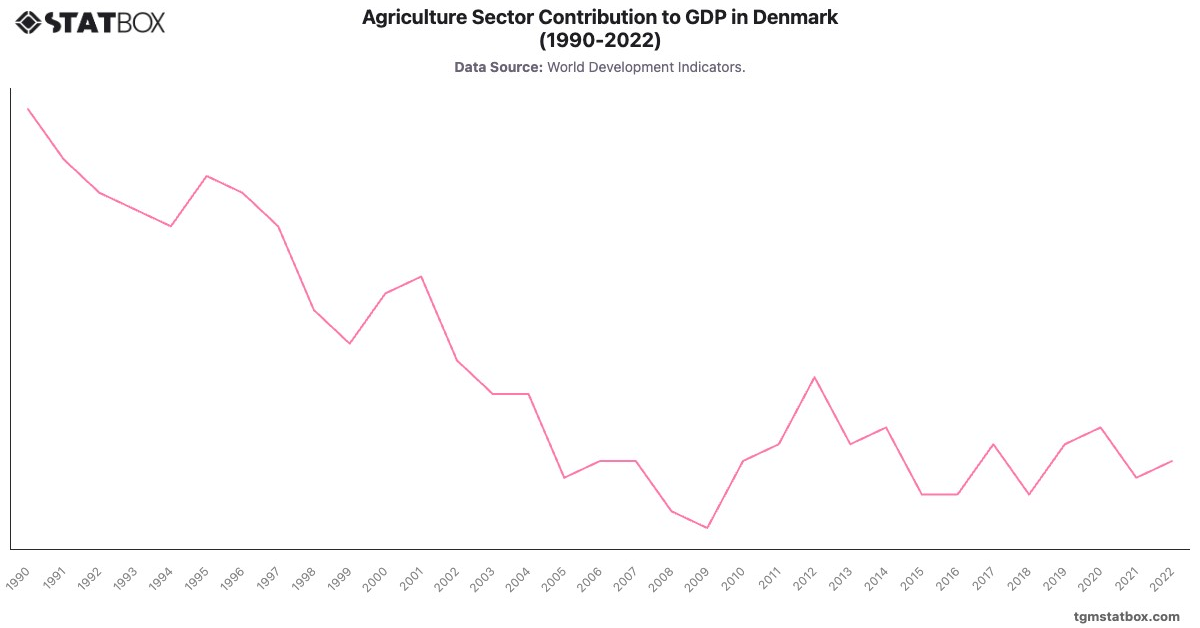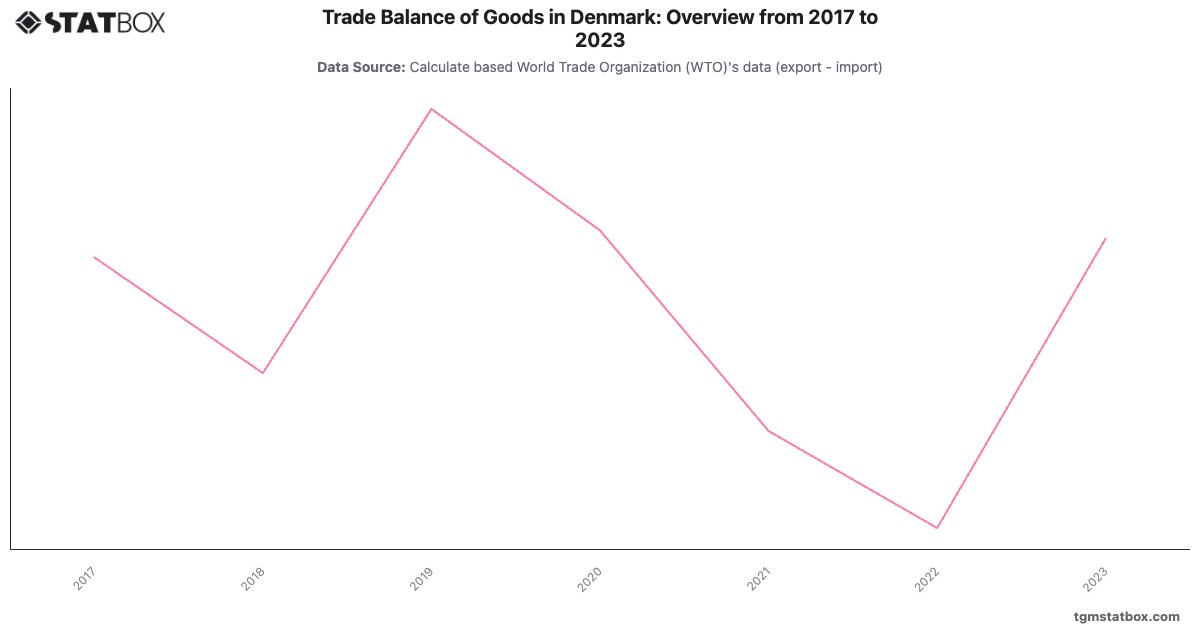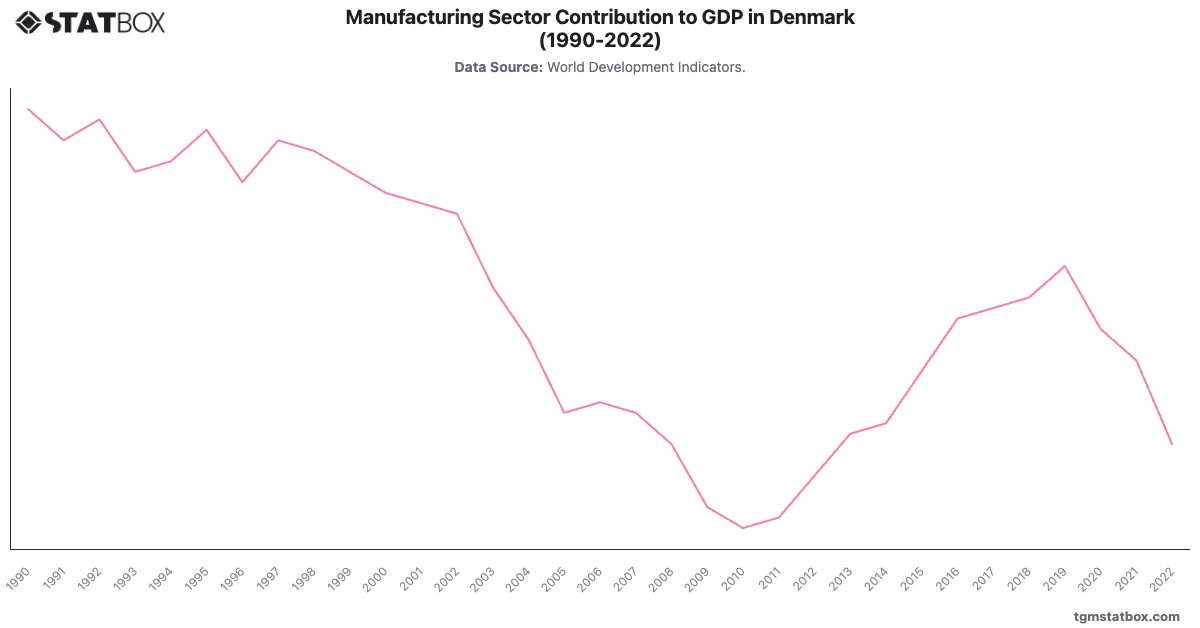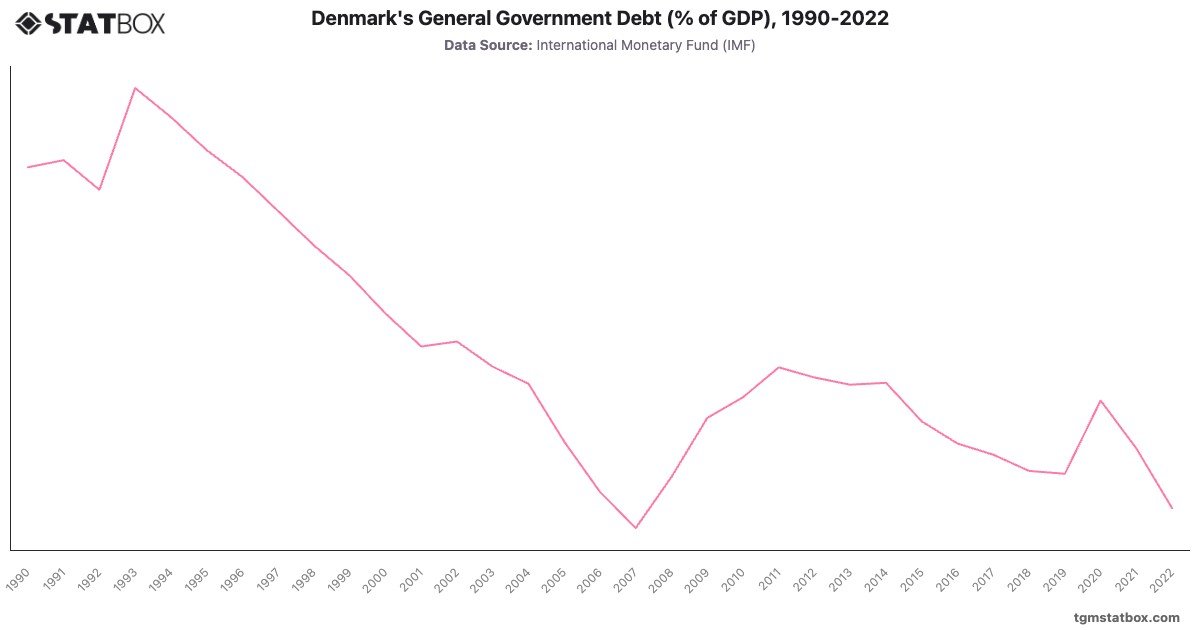
Denmark saw a notable decrease in its government debt-to-GDP ratio from the early 1990s to the early 2000s. In 1990, the debt ratio stood at and rose slightly to by 1993, driven largely by economic stagnation and high social spending. By the late 1990s, Denmark’s commitment to fiscal discipline led to gradual reductions in the debt ratio, falling to in 2000, as economic reforms and a stronger economy supported a reduction in borrowing needs.
The 2008 financial crisis saw Denmark’s debt rise again, reaching in 2009, as the government enacted stimulus measures to support the economy. However, disciplined fiscal management helped reduce the debt ratio through the 2010s, with debt as low as in 2019. The COVID-19 pandemic caused a temporary spike in 2020 to , but by 2022, Denmark had reduced this to amid strong post-pandemic economic recovery and prudent fiscal policies.
The 2008 financial crisis saw Denmark’s debt rise again, reaching in 2009, as the government enacted stimulus measures to support the economy. However, disciplined fiscal management helped reduce the debt ratio through the 2010s, with debt as low as in 2019. The COVID-19 pandemic caused a temporary spike in 2020 to , but by 2022, Denmark had reduced this to amid strong post-pandemic economic recovery and prudent fiscal policies.
For a broader context, visit other statistics on Denmark’s annual GDP growth, Denmark’s industry sector share of GDP, Denmark’s annual GDP data.