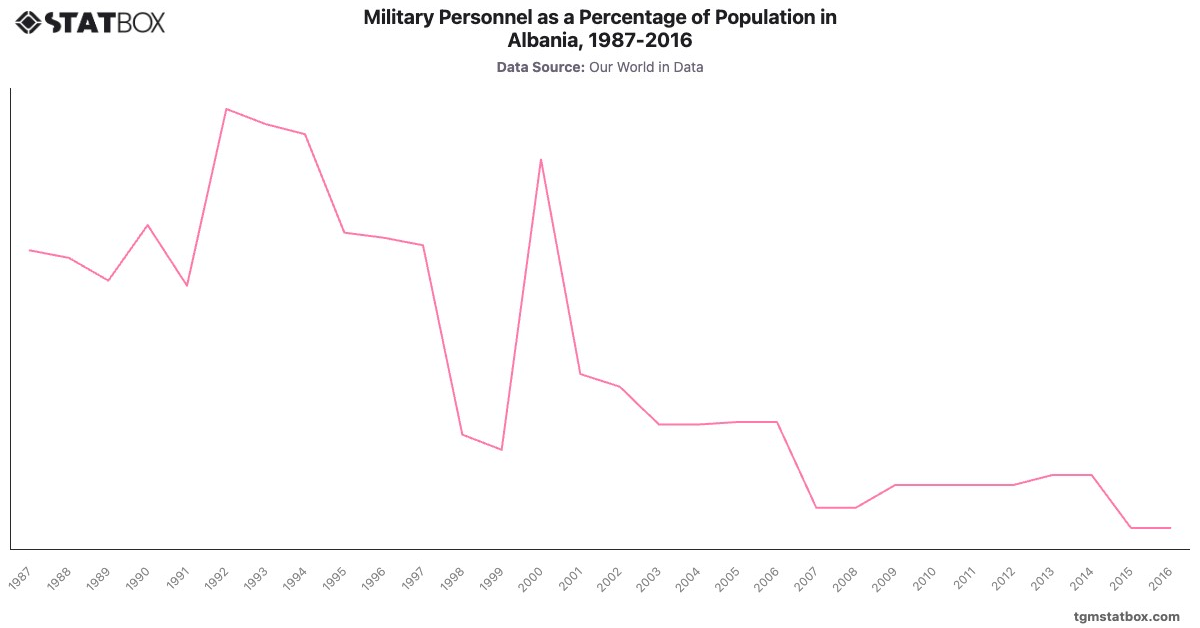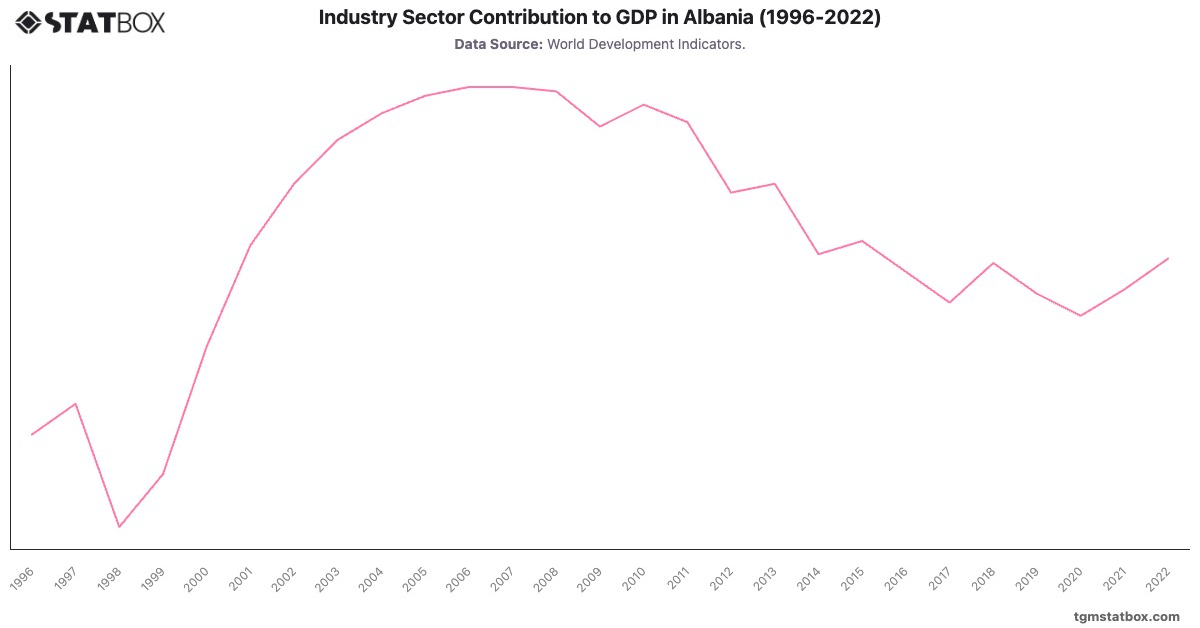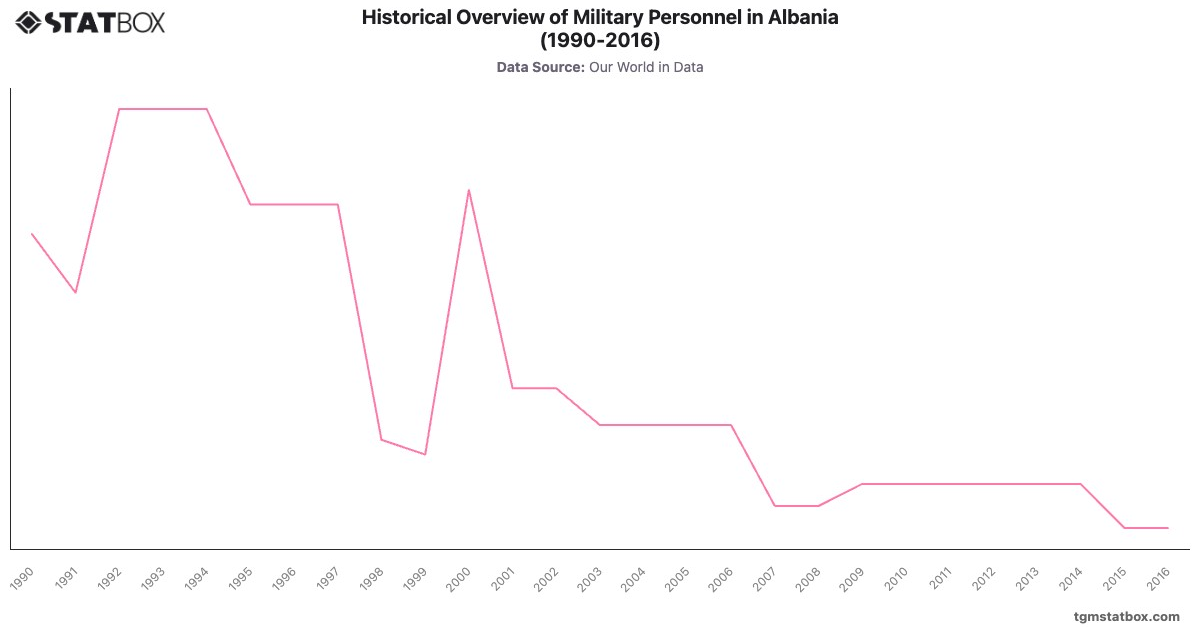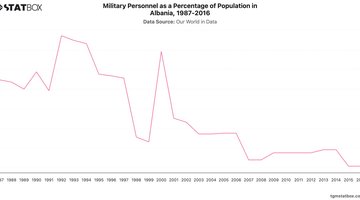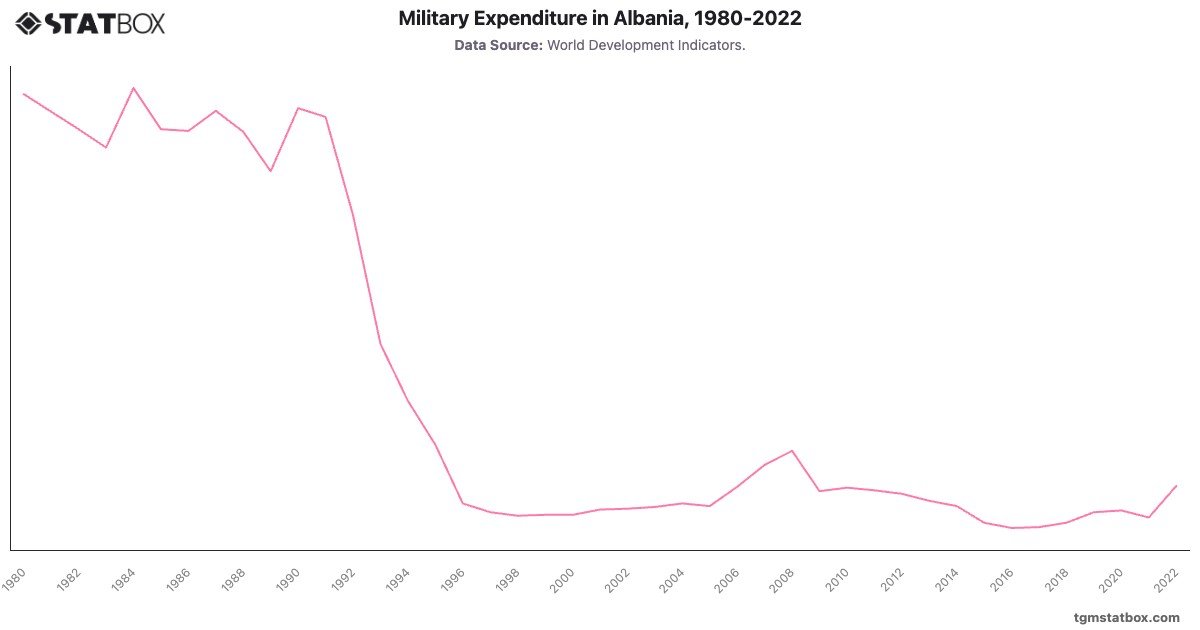
Albania's military expenditure as a percentage of GDP witnessed significant fluctuations between 1980 and 2022. During the early 1980s, spending remained relatively high, averaging around . This period reflected the country’s focus on self-reliance and defense under a communist regime. However, by the early 1990s, expenditure fell sharply, reaching in 1992 and continuing its decline to by 1997, correlating with the economic and political instability following the fall of communism and the 1997 pyramid scheme crisis.
From the late 1990s onwards, spending stabilized at lower levels, averaging around of GDP for nearly two decades. A gradual increase to in 2008 coincided with Albania's NATO membership ambitions. However, subsequent financial pressures led to a reduction, with spending hovering around – in the 2010s. A notable rise to in 2022 may indicate renewed commitments to NATO defense goals amid heightened geopolitical tensions.
From the late 1990s onwards, spending stabilized at lower levels, averaging around of GDP for nearly two decades. A gradual increase to in 2008 coincided with Albania's NATO membership ambitions. However, subsequent financial pressures led to a reduction, with spending hovering around – in the 2010s. A notable rise to in 2022 may indicate renewed commitments to NATO defense goals amid heightened geopolitical tensions.
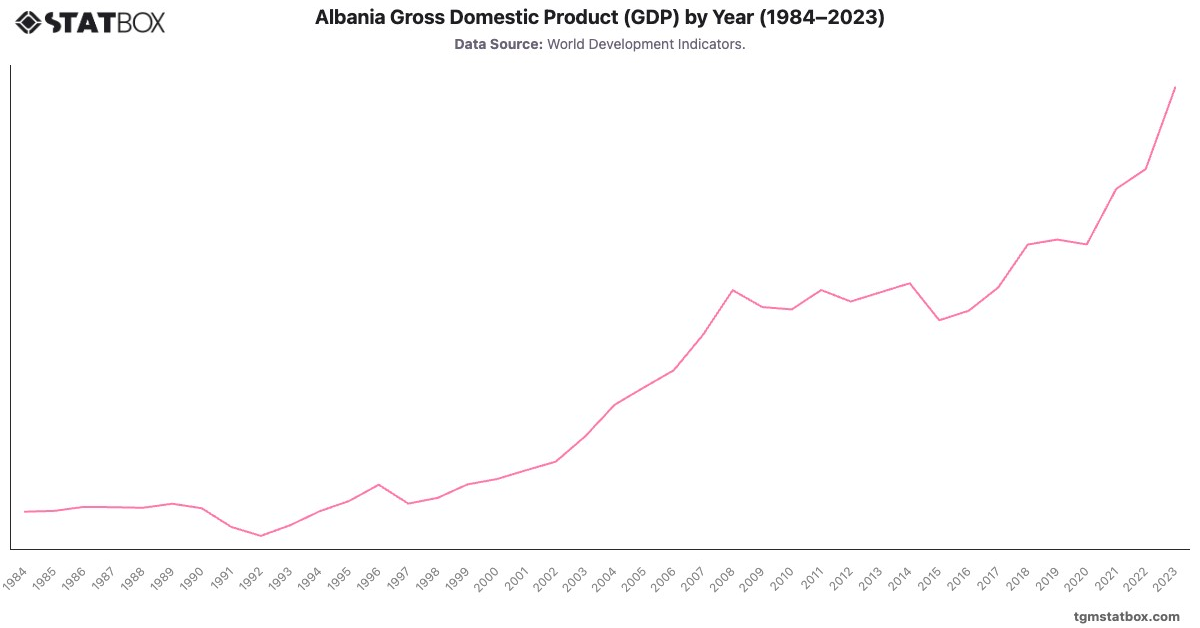
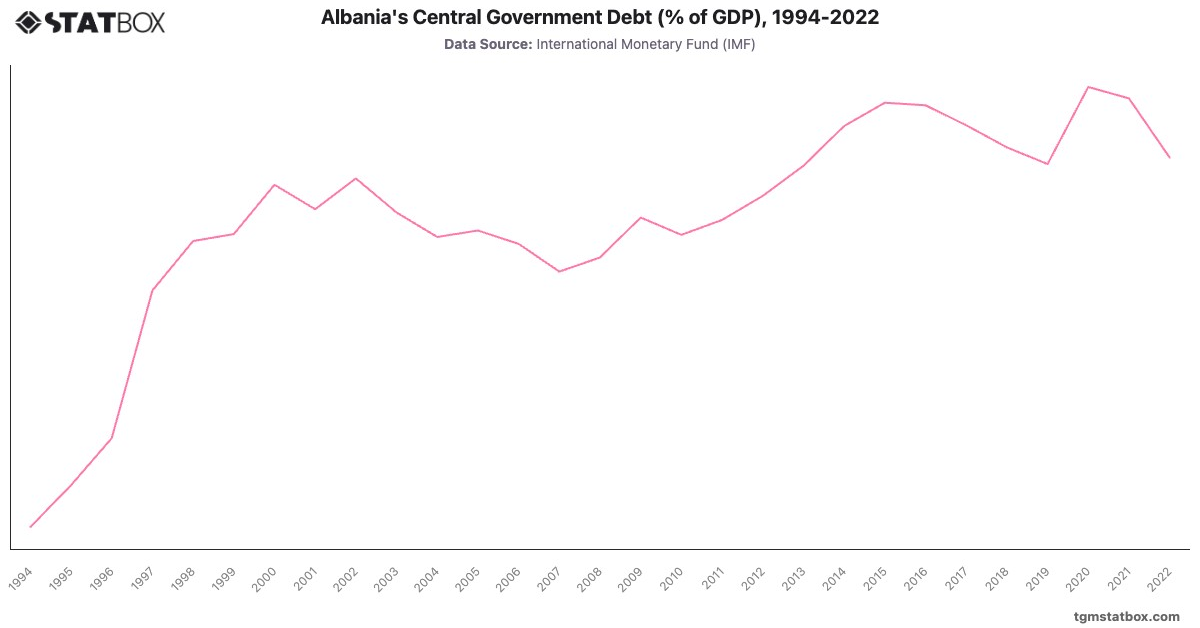
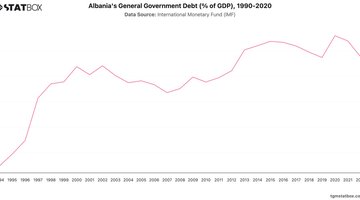
Discover additional trends and data on Albania’s government debt ratio, Albania’s population figures, Albania’s annual GDP data.