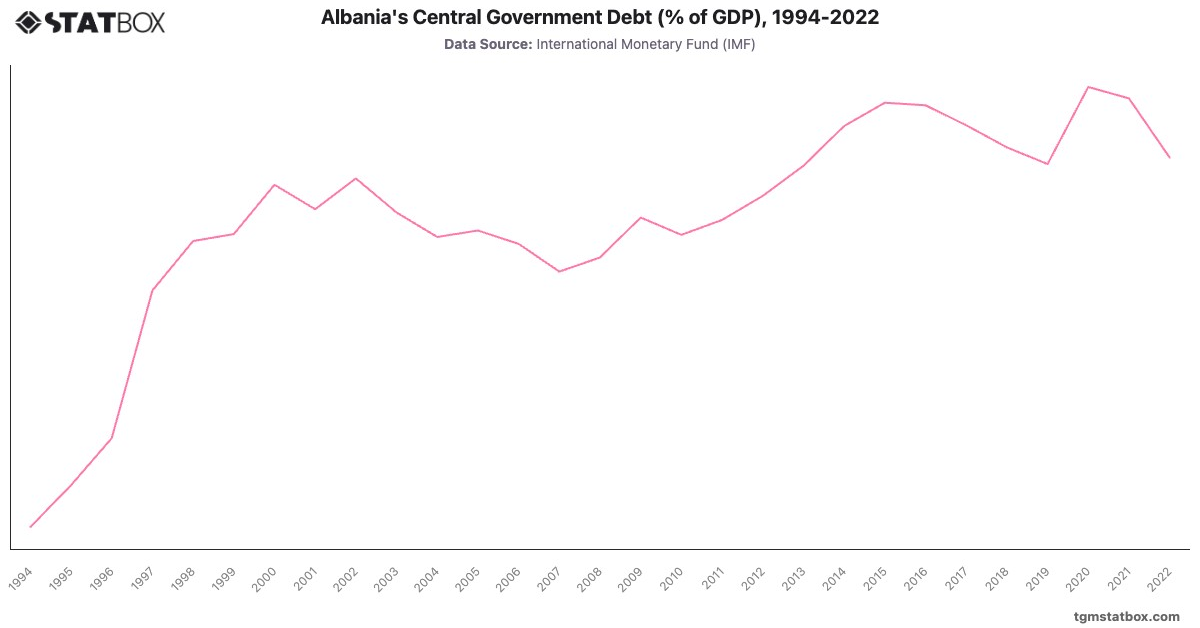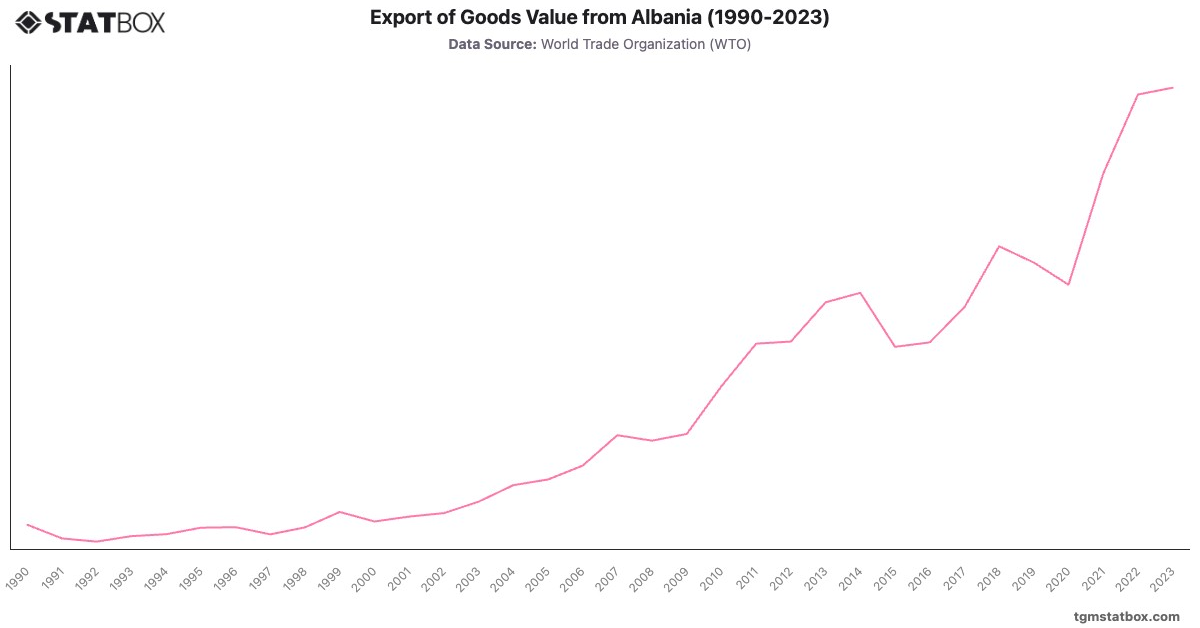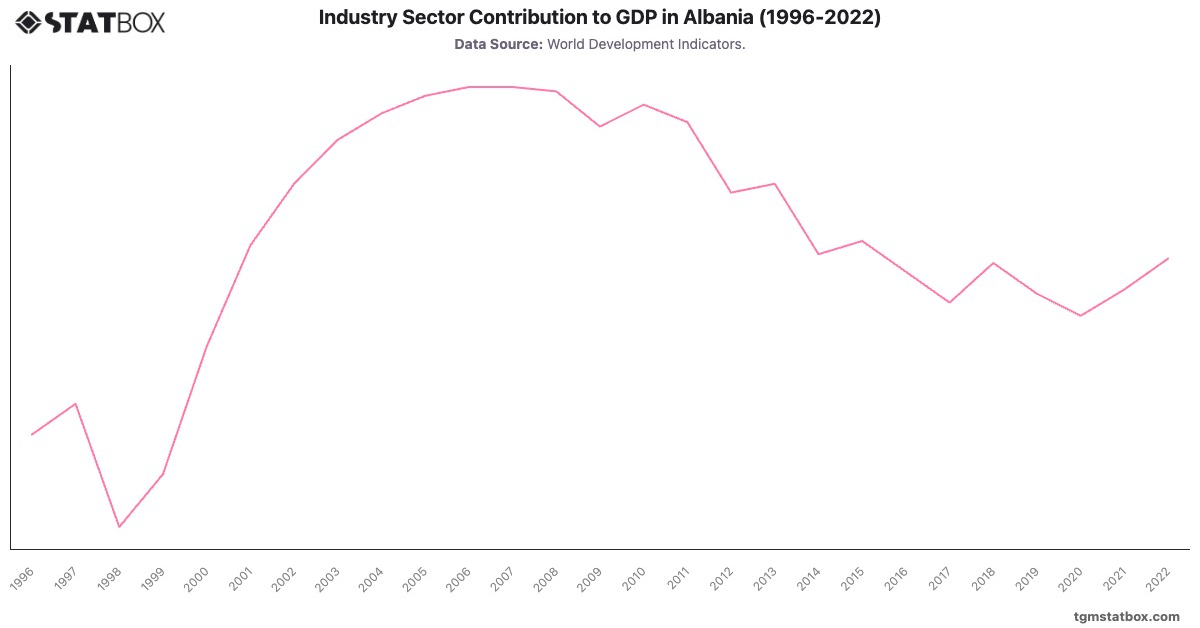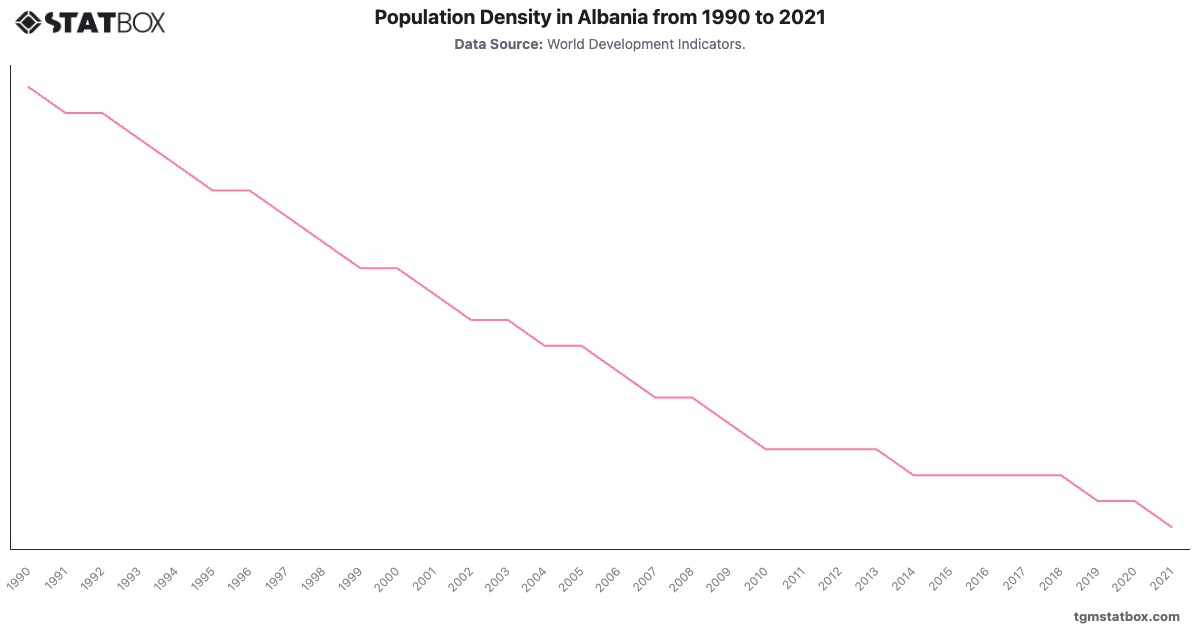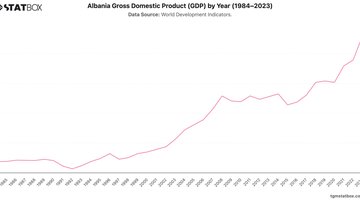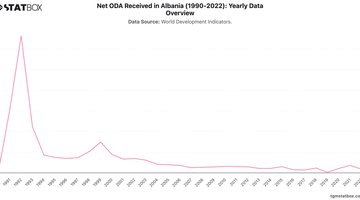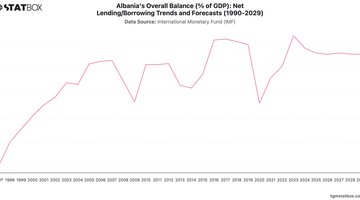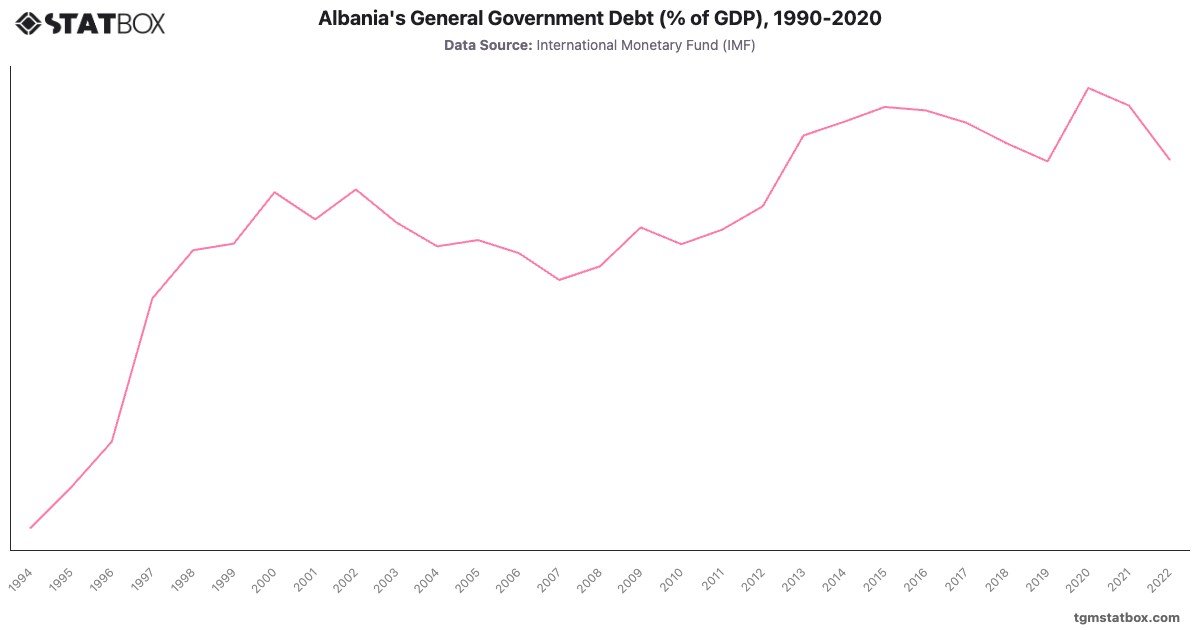
Albania’s general government debt surged from the mid-1990s, rising from of GDP in 1994 to over by 1997, driven primarily by economic instability and the collapse of numerous pyramid schemes that deeply impacted the country’s finances. This period marked a dramatic increase in debt, as Albania sought international aid to stabilize its economy. Debt levels remained elevated, peaking in the early 2000s at in 2002, reflecting the country's efforts to invest in economic restructuring and public sector reform.
From 2004 onward, Albania made strides to stabilize its debt-to-GDP ratio, with debt hovering around 55- until 2012. However, by 2013, debt levels increased significantly to , as government spending intensified to address infrastructure needs and economic reforms. The COVID-19 pandemic in 2020 pushed debt to a peak of , reflecting the economic downturn and increased government spending on health and social programs. Albania’s debt declined post-pandemic, reaching by 2022, as the economy gradually recovered.
From 2004 onward, Albania made strides to stabilize its debt-to-GDP ratio, with debt hovering around 55- until 2012. However, by 2013, debt levels increased significantly to , as government spending intensified to address infrastructure needs and economic reforms. The COVID-19 pandemic in 2020 pushed debt to a peak of , reflecting the economic downturn and increased government spending on health and social programs. Albania’s debt declined post-pandemic, reaching by 2022, as the economy gradually recovered.
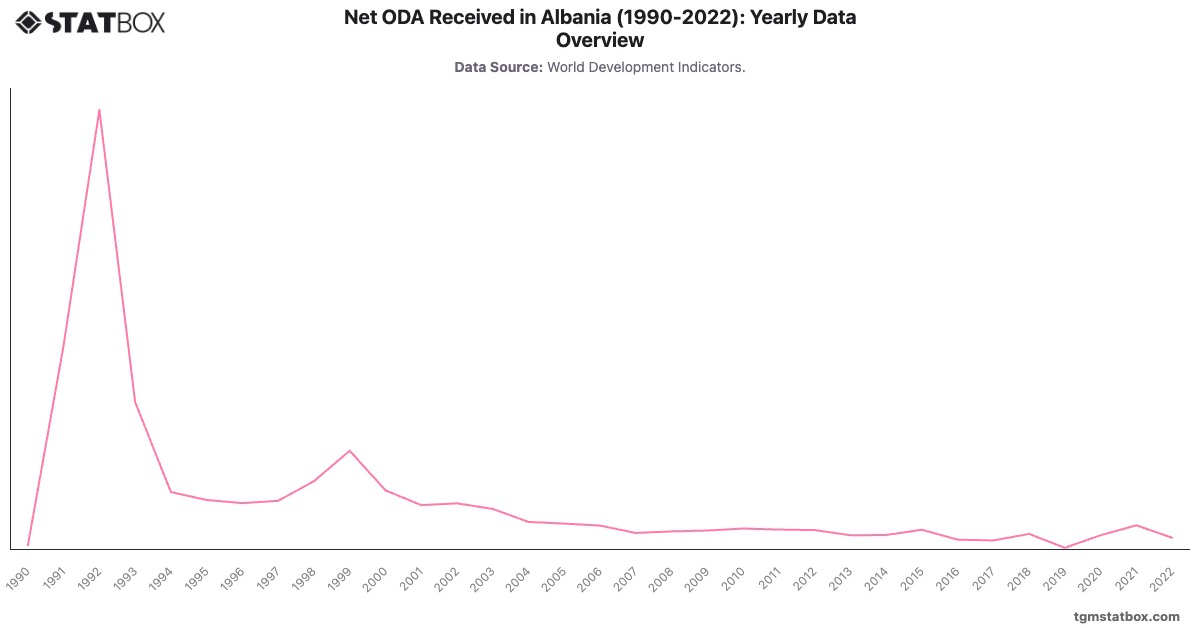
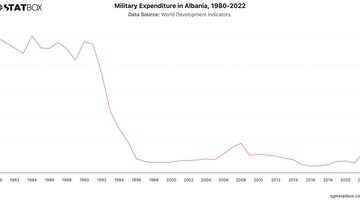
For a deeper dive into the topic, explore Albania’s goods import value, Albania’s net ODA received, Albania’s military spending.