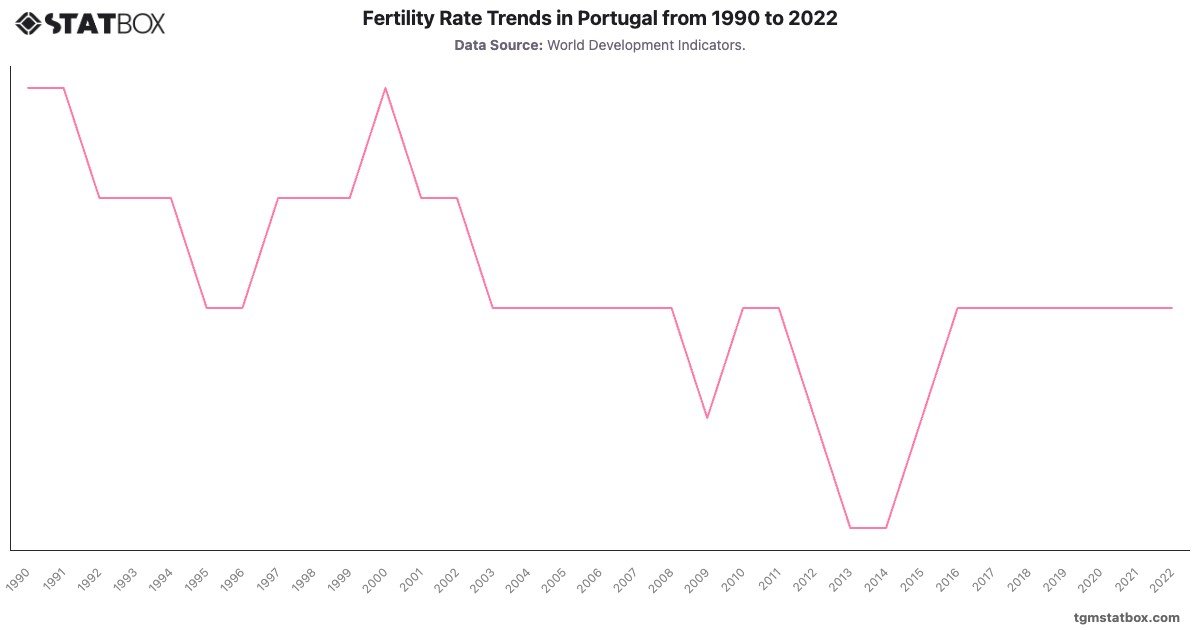
Portugal's fertility rate remained relatively low, starting at 1.6 in 1990 and fluctuating slightly before stabilizing at 1.4 after 2010. The early 1990s marked gradual declines, reflecting economic modernization and shifts in gender roles, with more women prioritizing careers over traditional family structures.
Efforts to reverse these trends through financial incentives and parental leave policies have seen limited success. The persistent low rates highlight structural challenges, including economic pressures and housing costs that deter larger families.
Efforts to reverse these trends through financial incentives and parental leave policies have seen limited success. The persistent low rates highlight structural challenges, including economic pressures and housing costs that deter larger families.
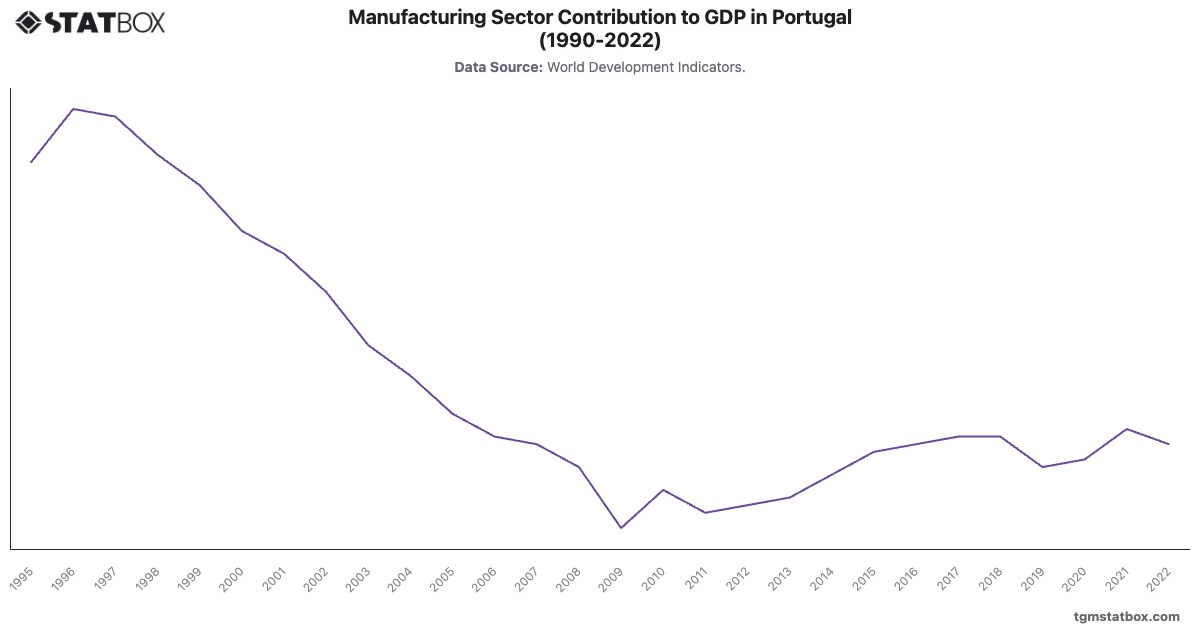
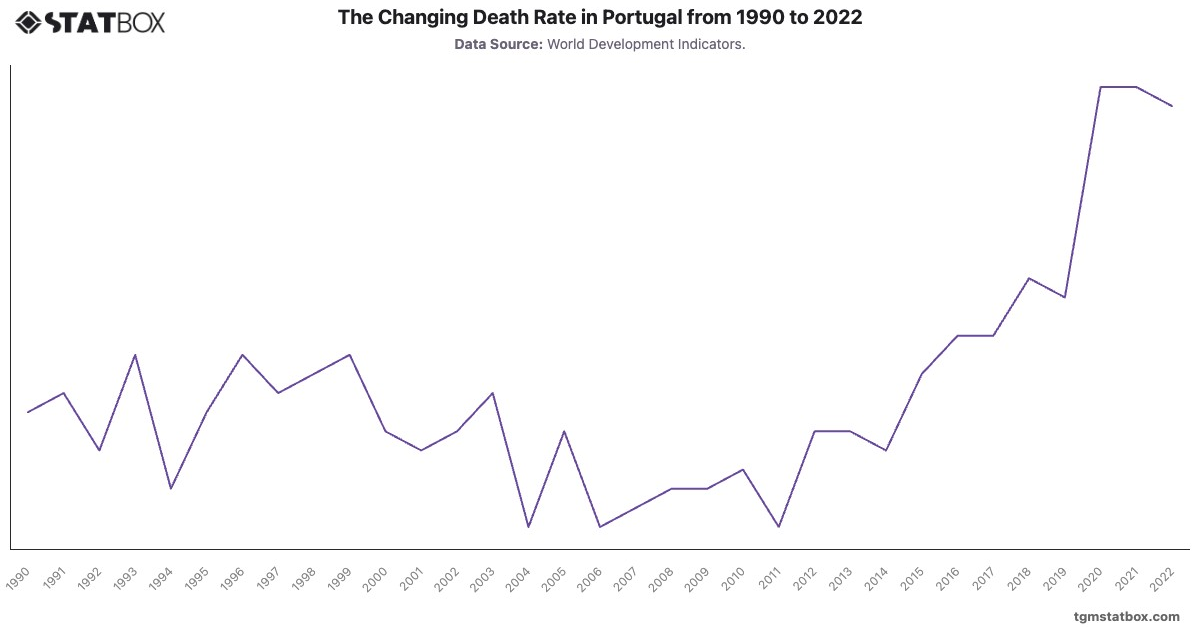
Discover additional trends and data on Portugal’s unemployment rate trend, Portugal’s manufacturing sector share in GDP, Portugal’s evolving mortality rate.