Population Growth Trends in Portugal (1990-2023)
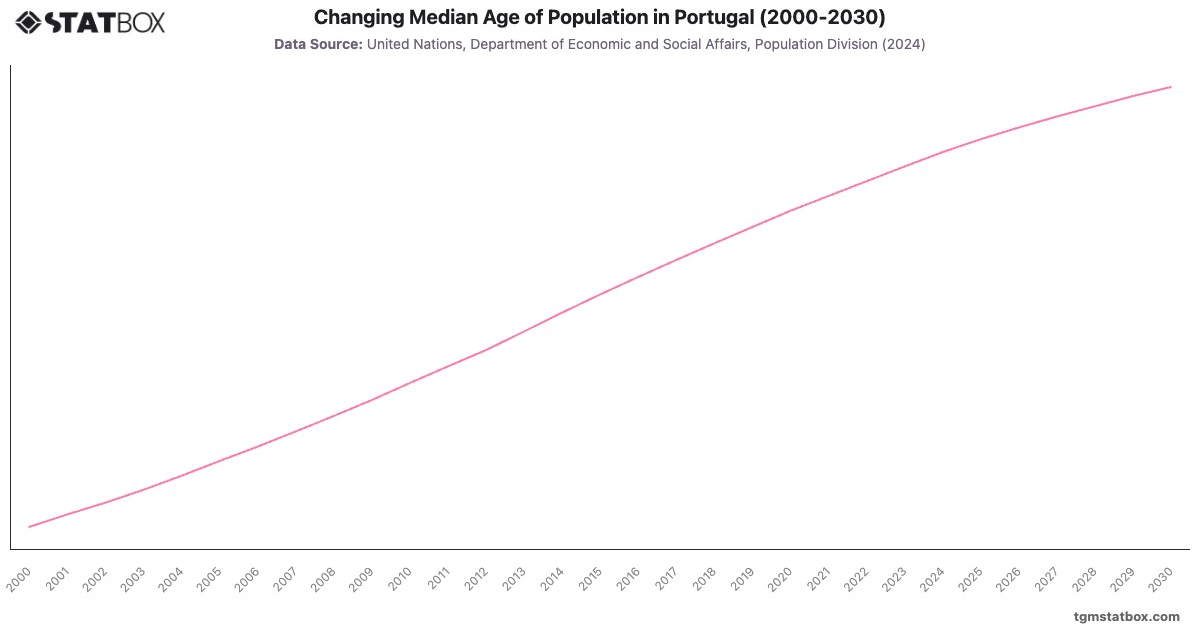
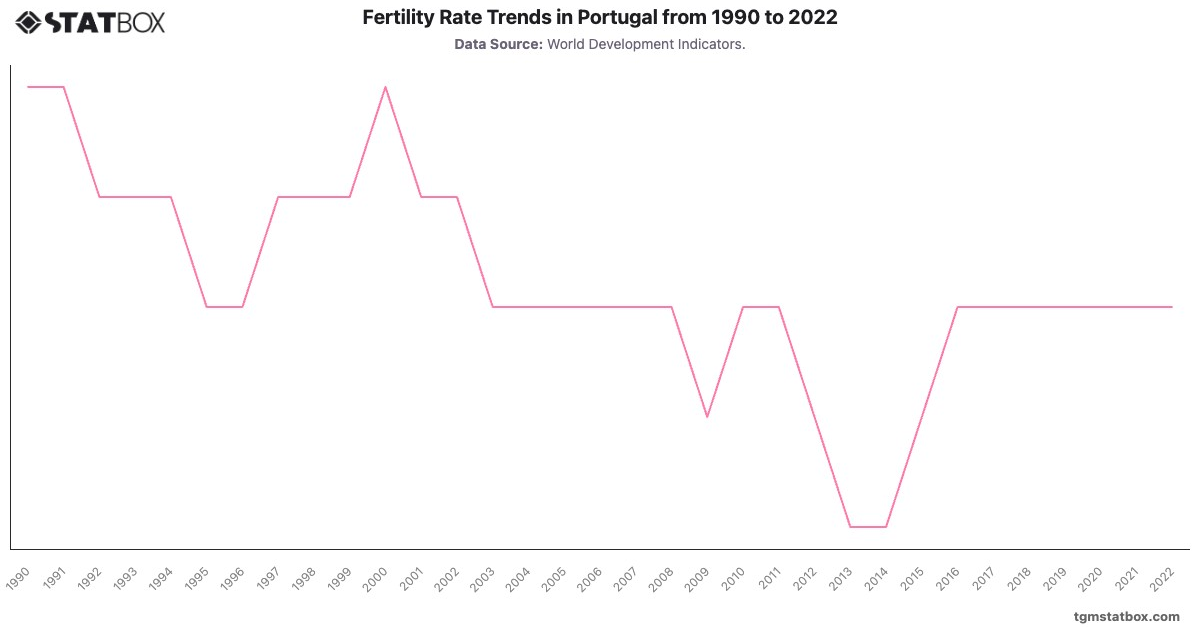
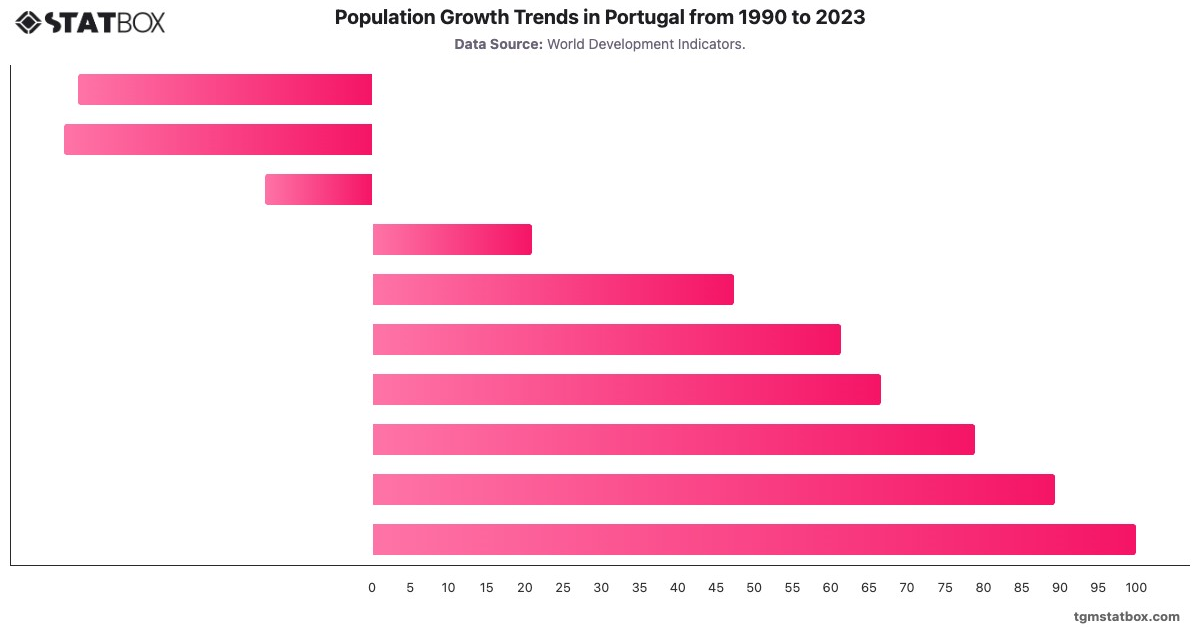
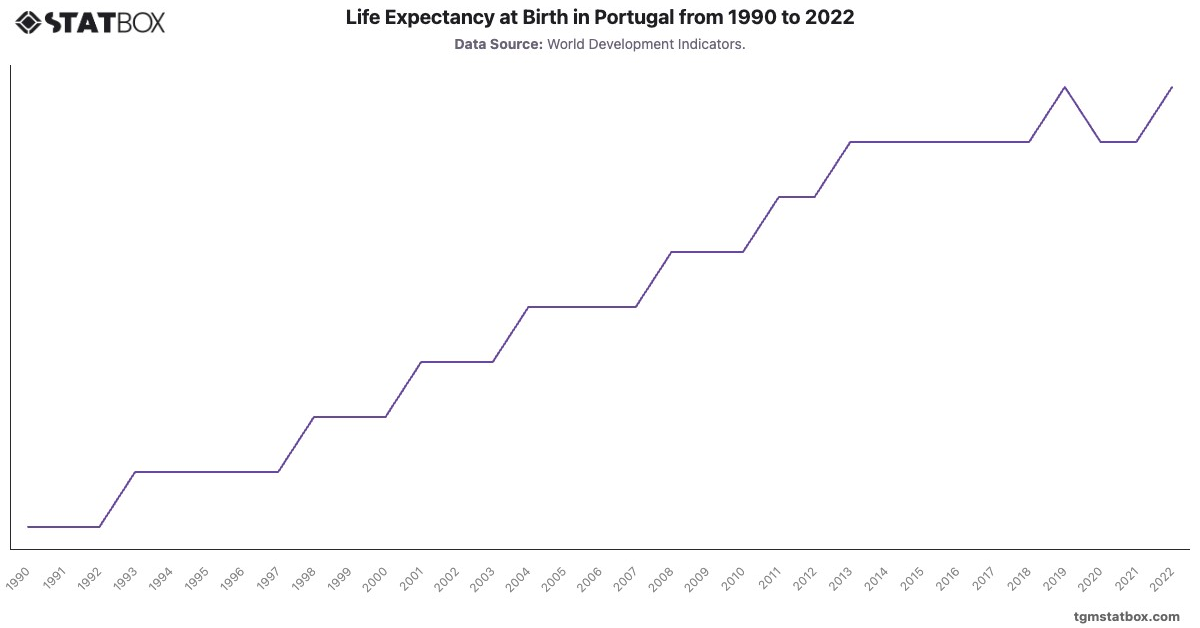
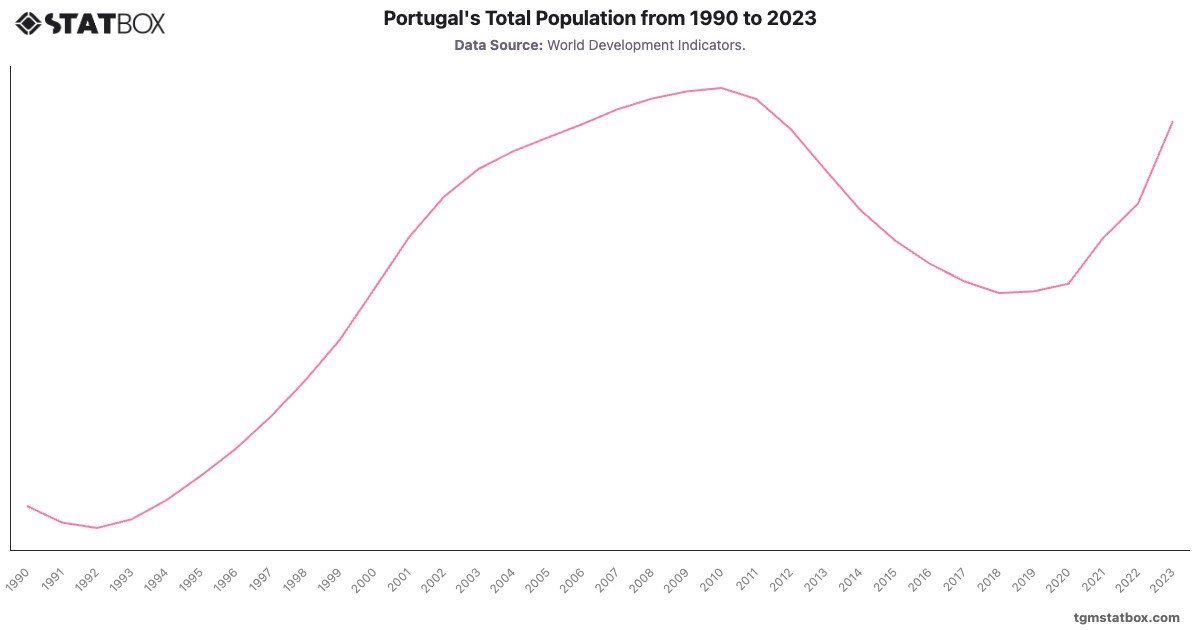
Portugal’s population has fluctuated modestly, growing from approximately 9.9 million in 1990 to a peak of over 10.5 million by 2023. Growth was modest in the 1990s and early 2000s, influenced by low birth rates and limited immigration. However, recent years have seen a slight uptick due to positive net migration. EU integration has also led to improved healthcare and quality of life, enhancing life expectancy. Although birth rates remain low, the recent population increase reflects immigration trends, contributing to a slow but steady demographic expansion amid an aging population.
Portugal’s population has fluctuated modestly, growing from approximately 9.9 million in 1990 to a peak of over 10.5 million by 2023. Growth was modest in the 1990s and early 2000s, influenced by low birth rates and limited immigration. However, recent years have seen a slight uptick due to positive net migration. EU integration has also led to improved healthcare and quality of life, enhancing life expectancy. Although birth rates remain low, the recent population increase reflects immigration trends, contributing to a slow but steady demographic expansion amid an aging population.
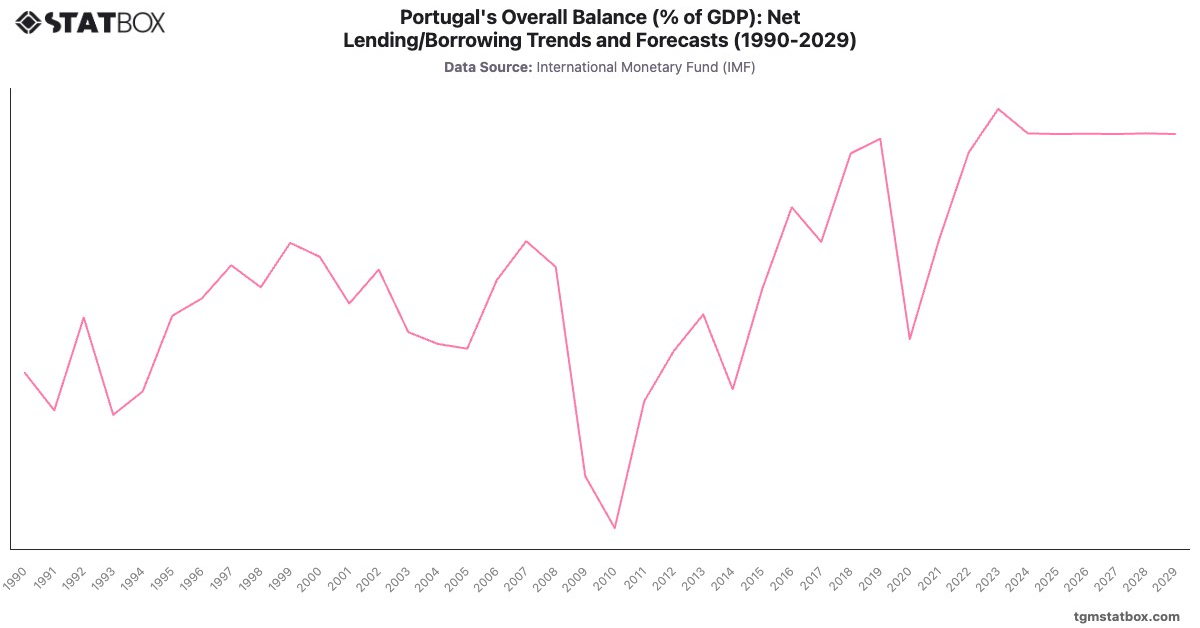
Explore related charts to gain a better understanding of Portugal’s net lending/borrowing as a share of GDP, Portugal’s population median age shift, urban expansion in Portugal.