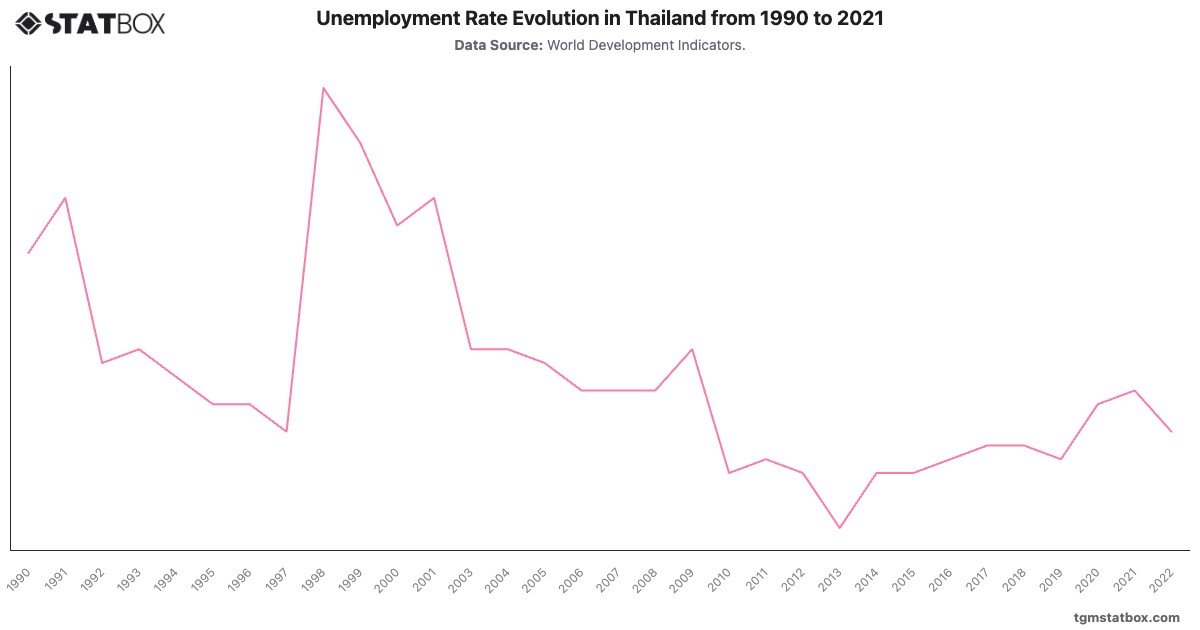
The unemployment rate in Thailand remained relatively low through the early 1990s, peaking at in 1991 before dropping steadily to below by 1997, reflecting strong economic growth and labor market stability prior to the Asian Financial Crisis. However, the 1998 crisis led to a sharp increase in unemployment, which spiked to as the Thai economy contracted. Recovery efforts gradually reduced the rate to by 2000, with subsequent years maintaining low levels due to sustained economic reforms and industrial growth.
In the 2010s, Thailand saw record-low unemployment rates, notably hitting in 2013. The government’s economic policies and expansion in sectors like tourism and manufacturing played a role. Although the COVID-19 pandemic in 2020 temporarily raised the rate to , it soon recovered to by 2022. Thailand’s historically low unemployment rate reflects both economic resilience and structural factors like informal employment.
In the 2010s, Thailand saw record-low unemployment rates, notably hitting in 2013. The government’s economic policies and expansion in sectors like tourism and manufacturing played a role. Although the COVID-19 pandemic in 2020 temporarily raised the rate to , it soon recovered to by 2022. Thailand’s historically low unemployment rate reflects both economic resilience and structural factors like informal employment.
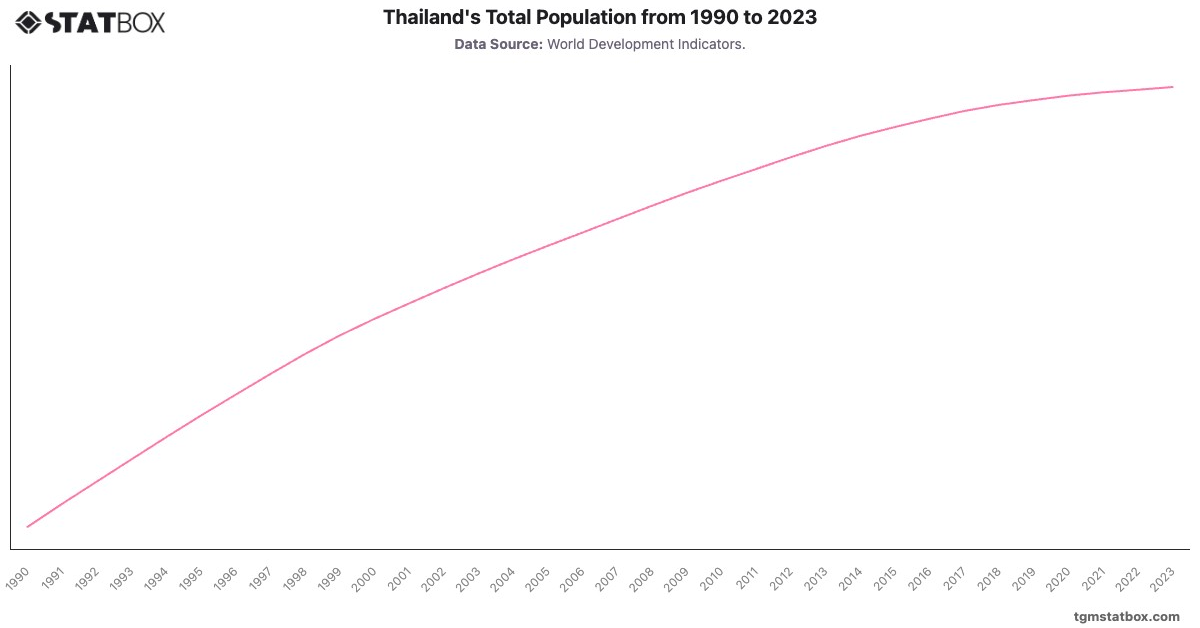
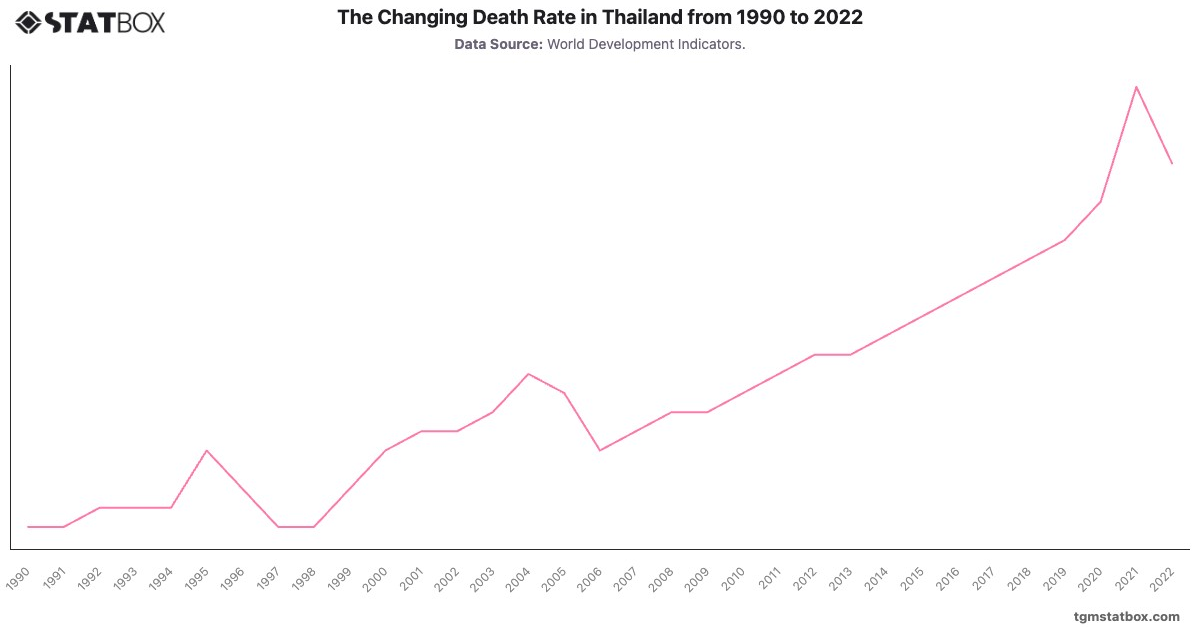
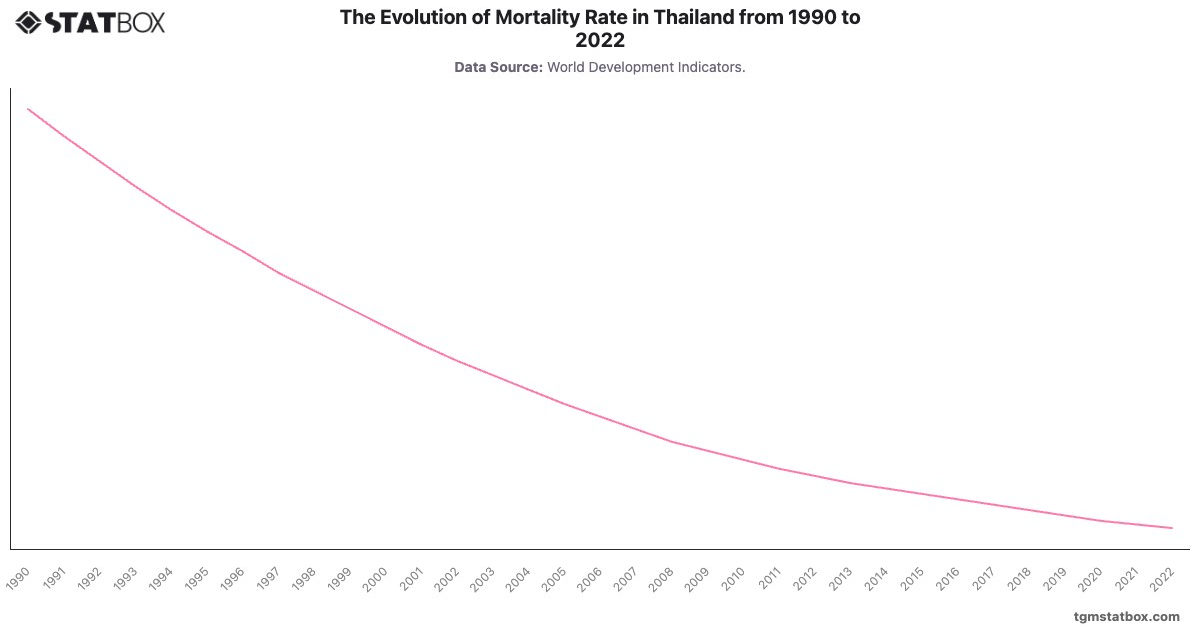
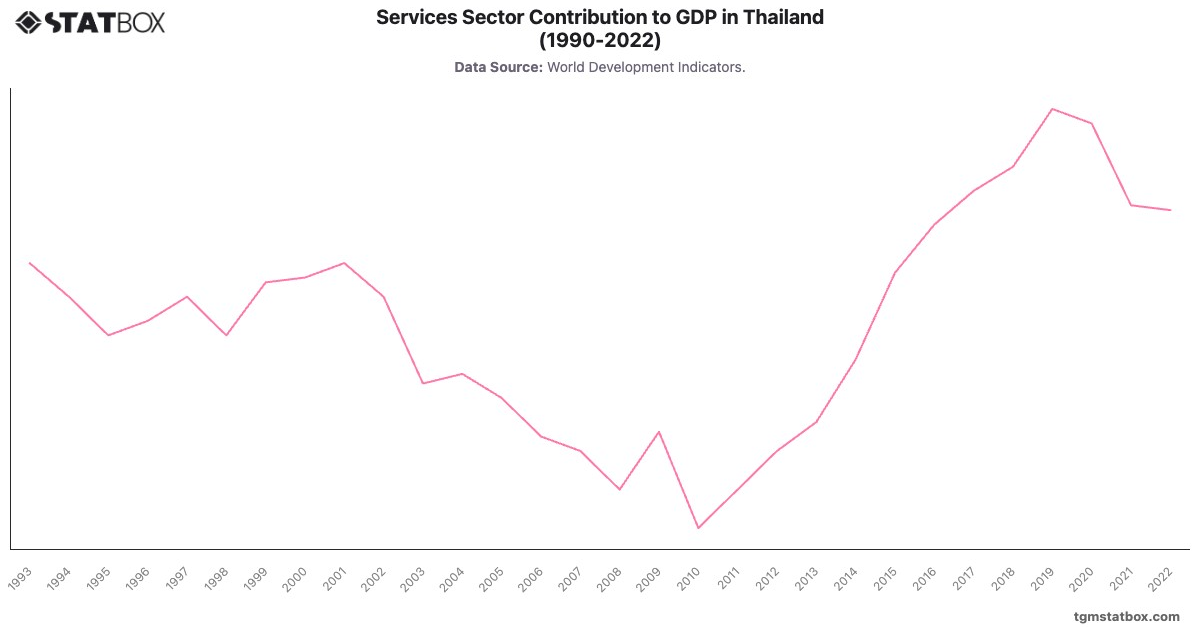
Explore related charts to gain a better understanding of Thailand’s population numbers, Thailand’s services sector share in GDP, Thailand’s mortality rate changes.