Among the top online shopping categories among German consumers in 2026, clothing and accessories dominates by a wide margin, with 72% of respondents having purchased in this category over the past 12 months — more than 20 percentage points ahead of any other segment. Footwear ranks second at 50%, confirming that fashion-related purchases form the core of German e-commerce behavior. Electronics and gadgets follow at 38%, while health products, home décor, appliances, and personal care each cluster tightly in the 31–34% range, suggesting broadly balanced demand across lifestyle categories.
At the lower end, groceries and fresh food reach just 26% despite global growth in online grocery adoption, indicating that German consumers still lean toward in-store purchasing for perishables. Baby and kids products record the lowest penetration at 10%, reflecting Germany's demographic profile. Only 4% report shopping in none of the listed categories, underscoring how deeply embedded online retail has become across the population.
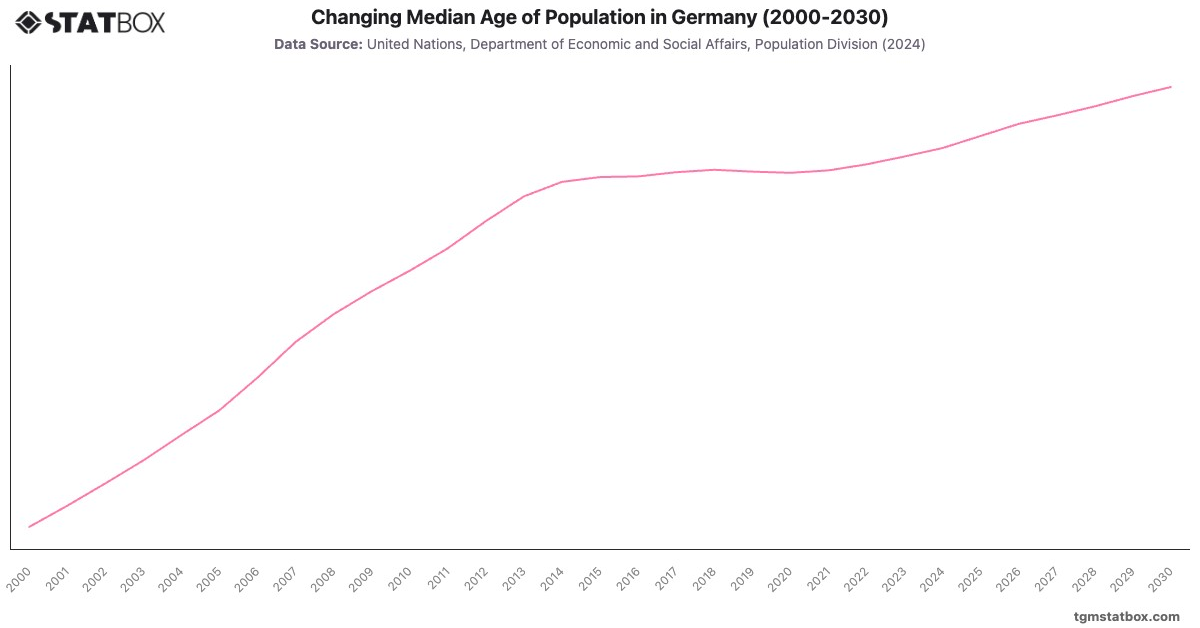
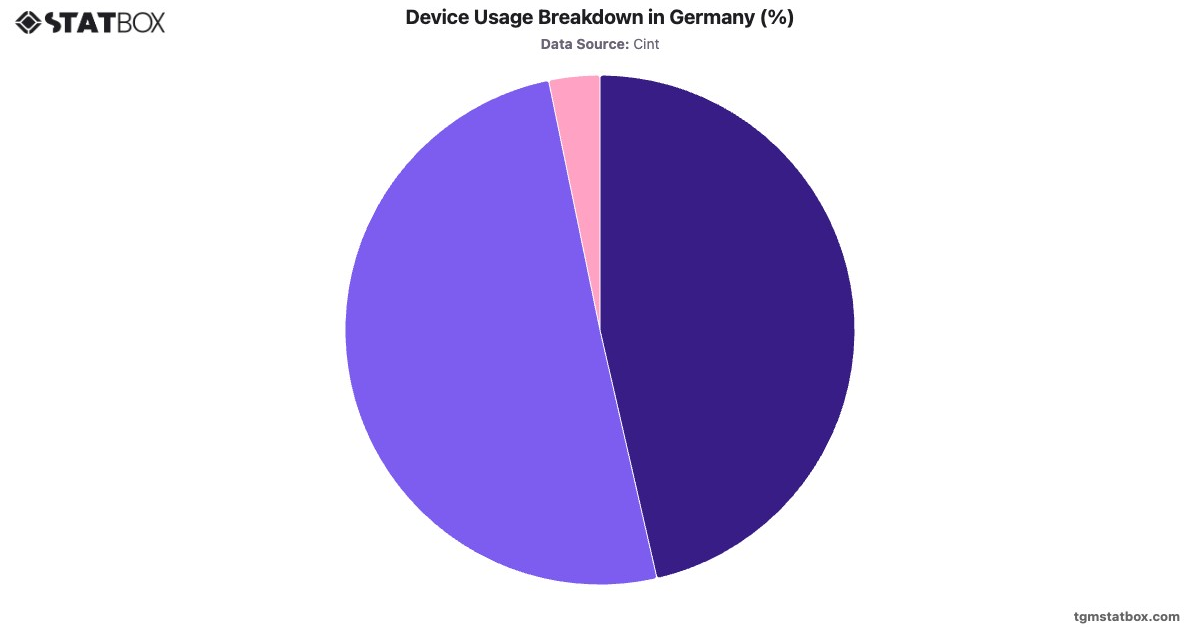
These consumption patterns exist within a broader socioeconomic context. Factors such as Germany's Gross Domestic Product (GDP) by Year and Device Usage Breakdown in Germany (%) help explain both the spending capacity and digital access enabling such widespread e-commerce participation. Meanwhile, the Changing Median Age of Population in Germany (2000–2030) offers useful context for the relatively low share of baby and kids product shoppers, as an aging population naturally reduces demand in that segment.