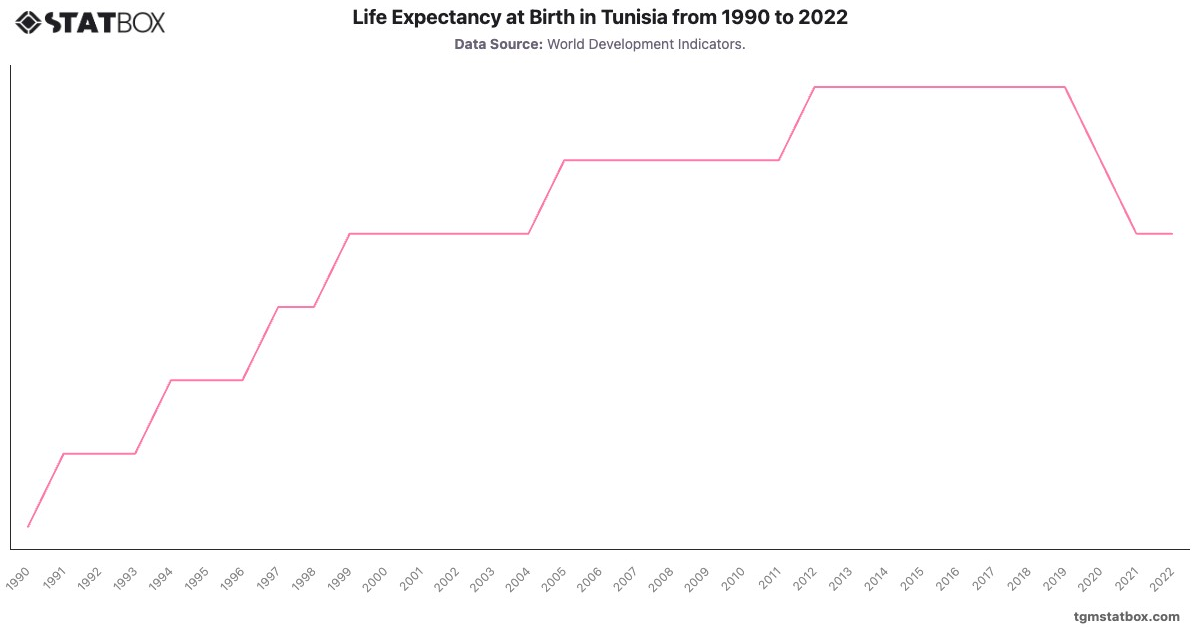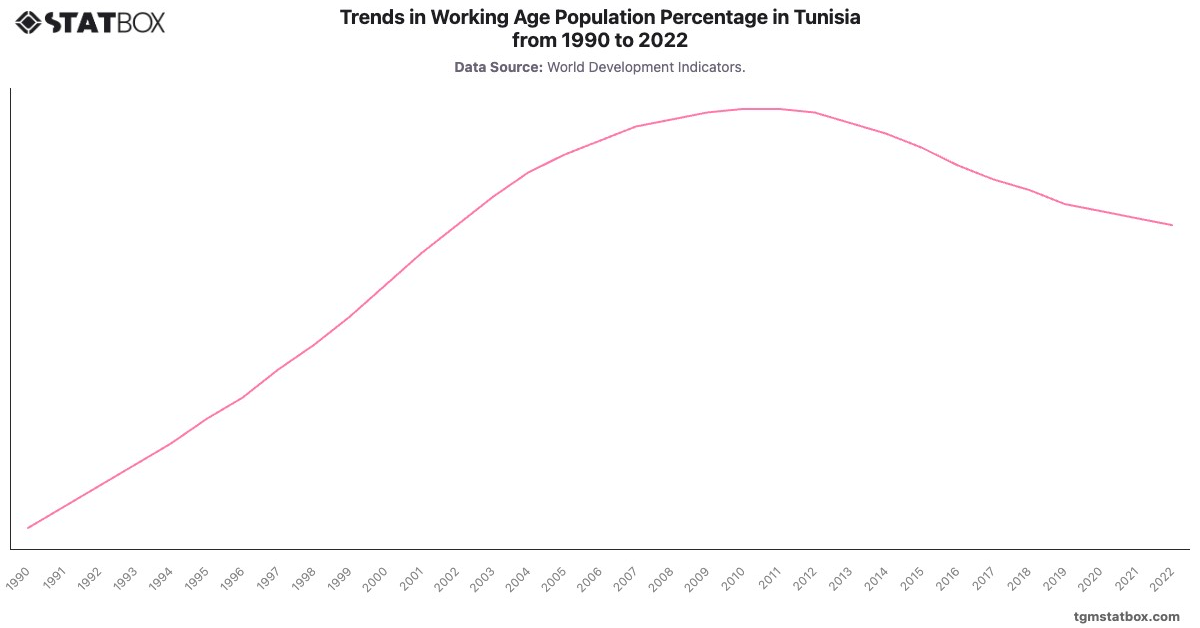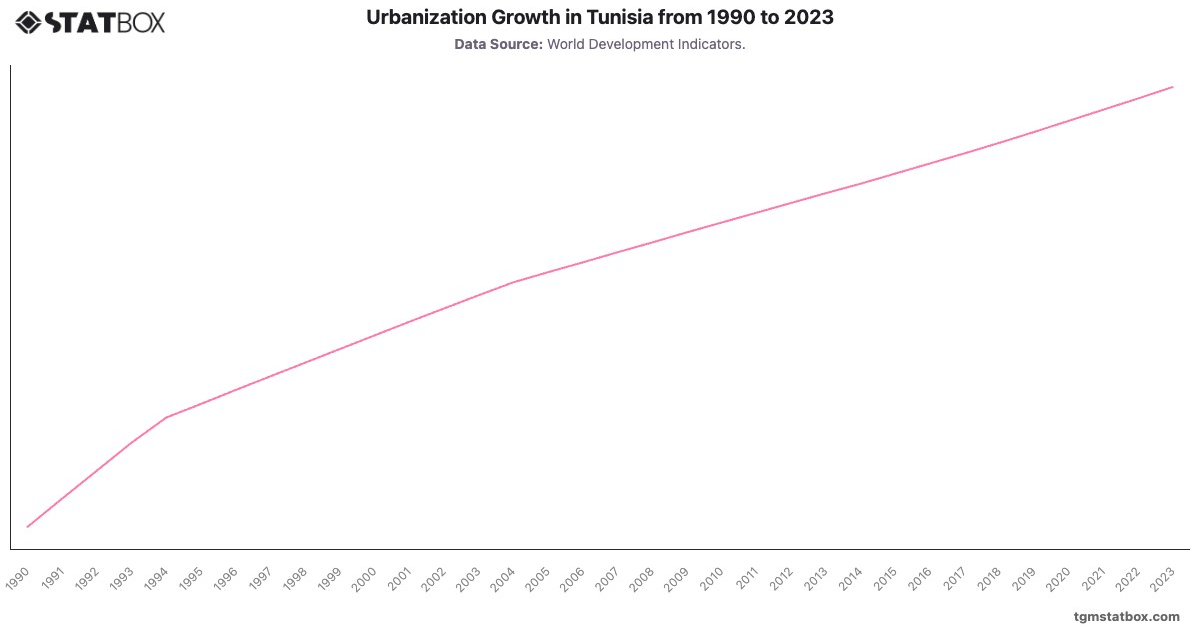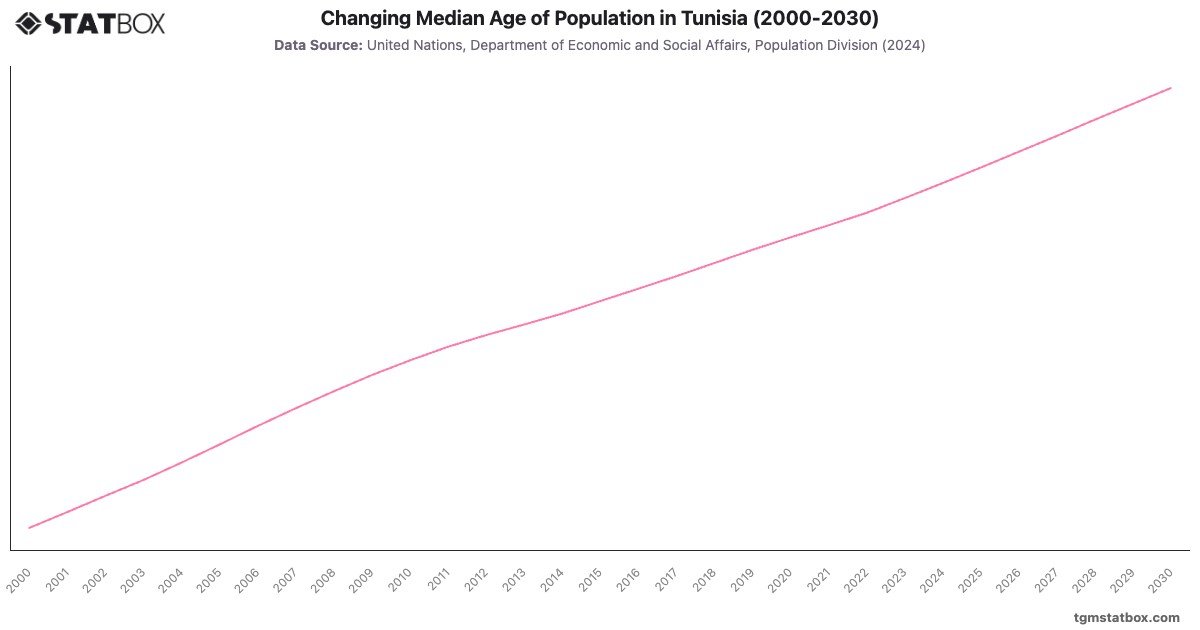
Tunisia’s median age increased steadily from 23.4 years in 2000 to a forecasted 35.1 years by 2030, highlighting a demographic shift toward an aging population. Factors influencing this trend include improved healthcare and urbanization, with an increasing percentage of the population residing in cities. Urban areas in Tunisia offer better healthcare access and living conditions, contributing to higher life expectancies and supporting an older median age.
The rise in median age reflects challenges in Tunisia’s demographic structure, particularly in terms of healthcare and workforce dynamics. The projected growth from 31.1 years in 2020 to 35.1 years by 2030 emphasizes the need for urban development that accommodates an aging populace. As the country continues to urbanize, prioritizing healthcare and social services will become essential for managing the needs of a maturing population.
The rise in median age reflects challenges in Tunisia’s demographic structure, particularly in terms of healthcare and workforce dynamics. The projected growth from 31.1 years in 2020 to 35.1 years by 2030 emphasizes the need for urban development that accommodates an aging populace. As the country continues to urbanize, prioritizing healthcare and social services will become essential for managing the needs of a maturing population.
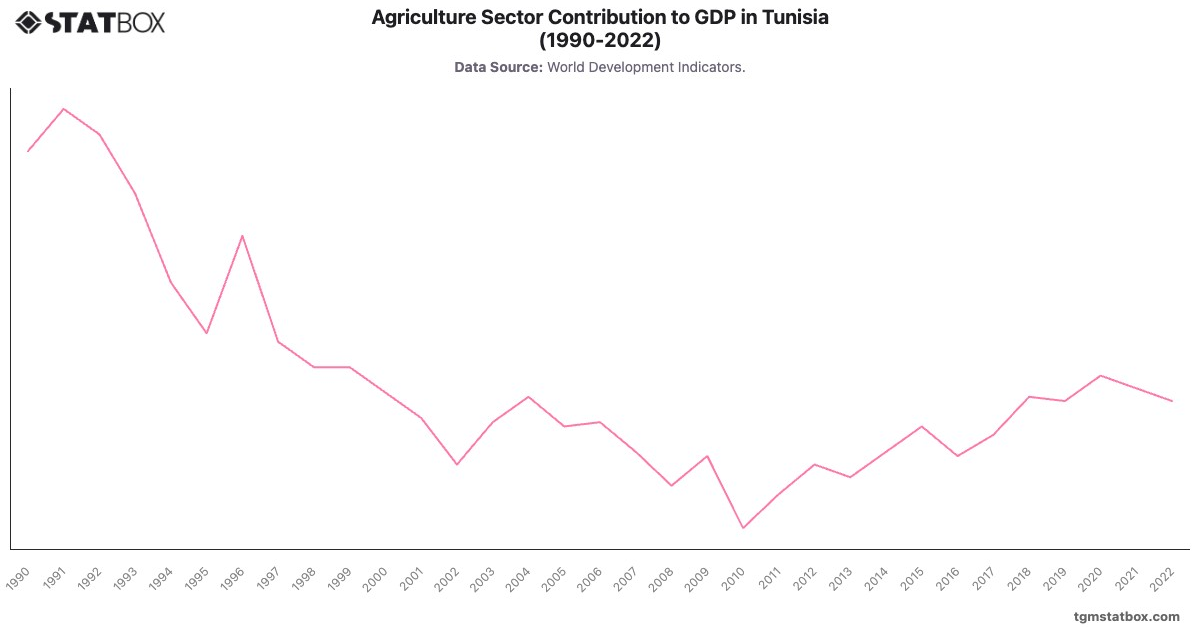
Gain a broader perspective by reviewing Tunisia’s agricultural sector share in GDP, Tunisia’s average lifespan, Tunisia’s fertility rate pattern.