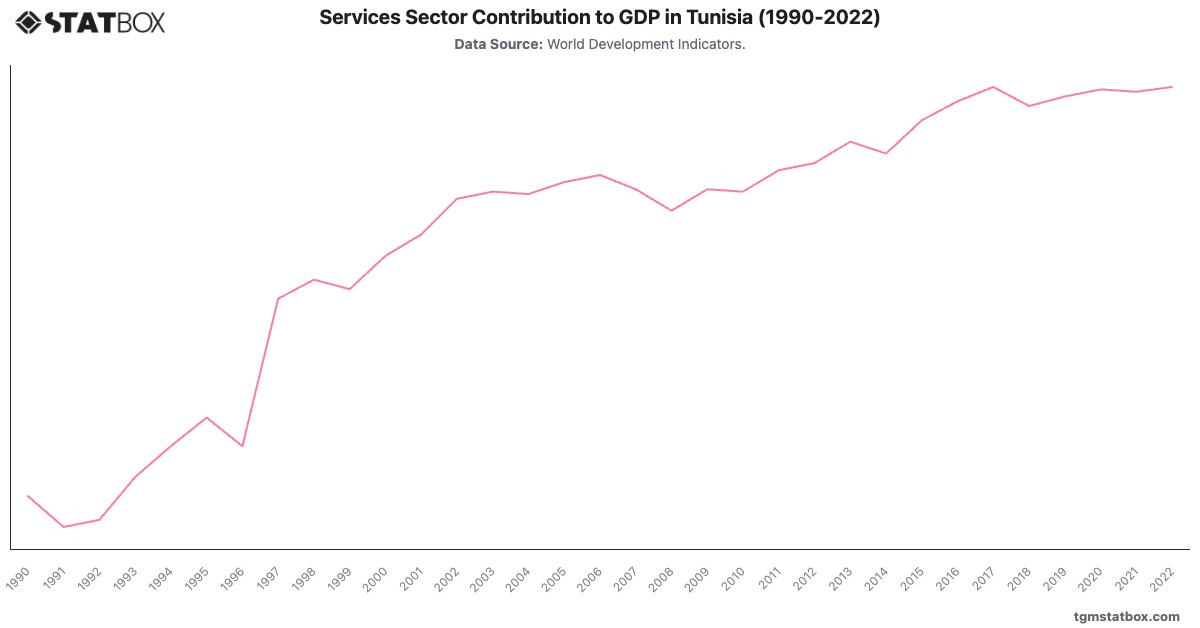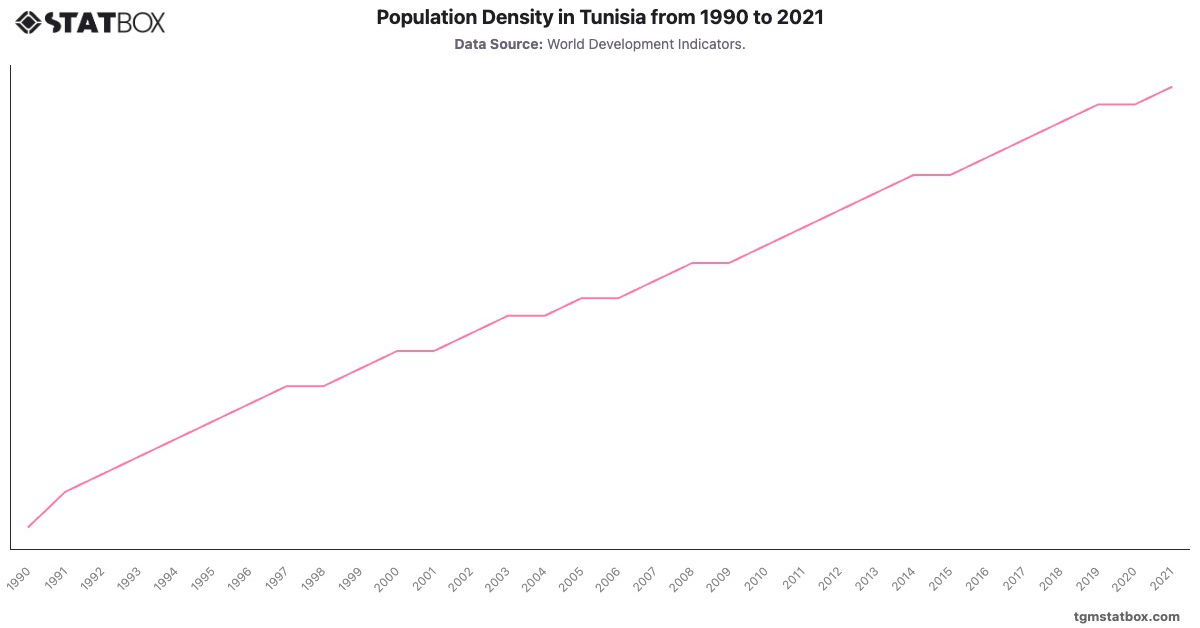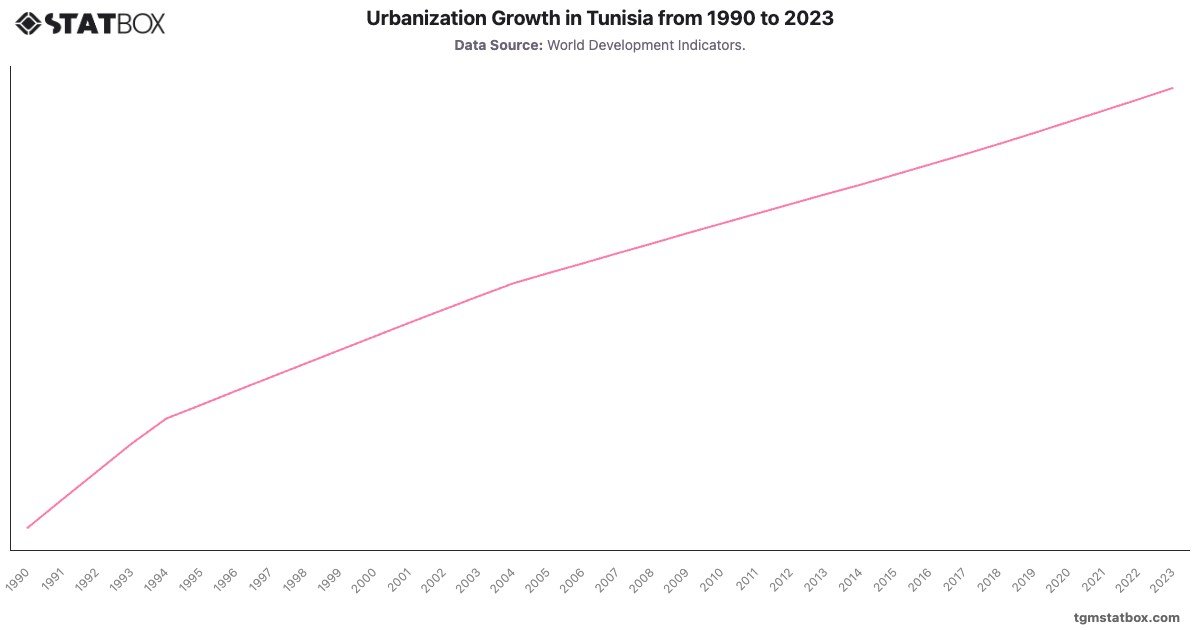
Tunisia’s urban population grew from in 1990 to in 2023, fueled by demographic shifts and government policies promoting urban development. In the early 1990s, Tunisia implemented economic reforms encouraging urbanization, particularly in cities like Tunis and Sfax. By 2000, urbanization had increased to , reflecting internal migration from rural areas seeking employment and better living standards. Political changes following the Arab Spring in 2011 affected urban growth, as urban centers became focal points for social and economic shifts. Continued government investment in infrastructure and services has drawn more residents to cities, reaching by 2023, as Tunisia’s urban centers remain vital to its economic progress.
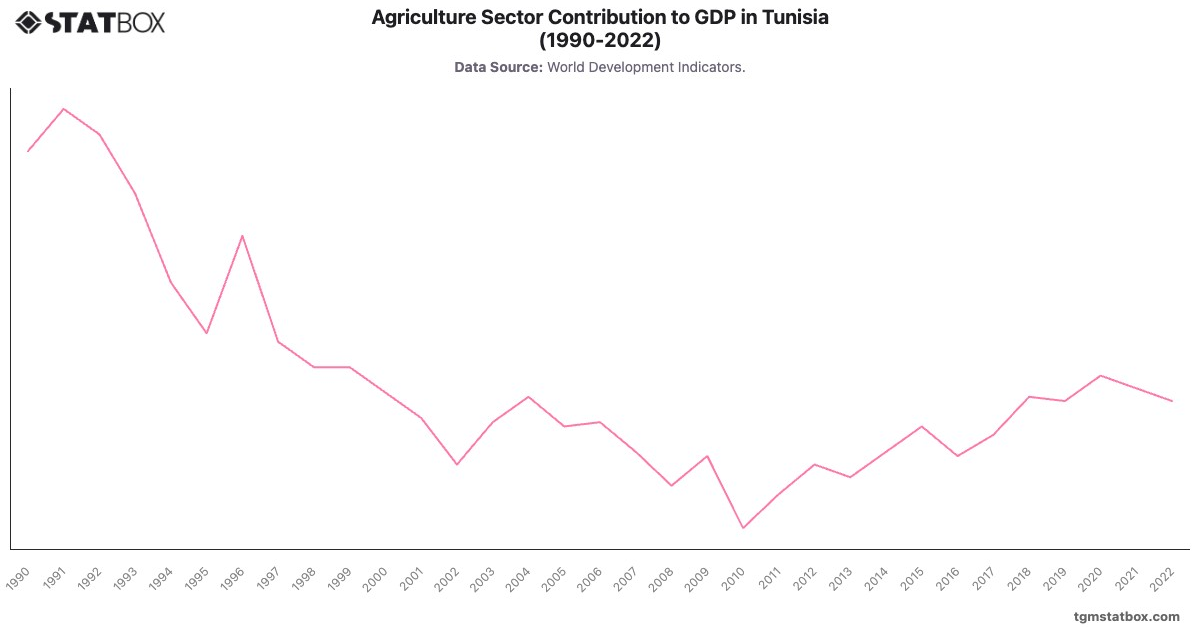
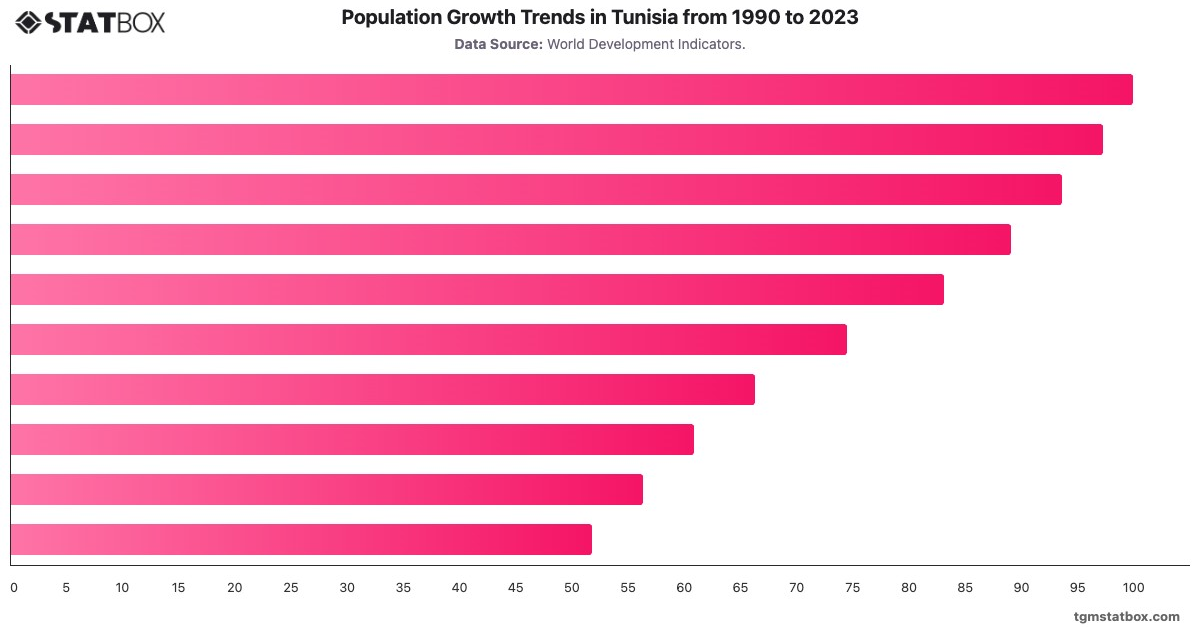
For a broader context, visit other statistics on Tunisia’s population growth, Tunisia’s population density, Tunisia’s agricultural sector share in GDP.