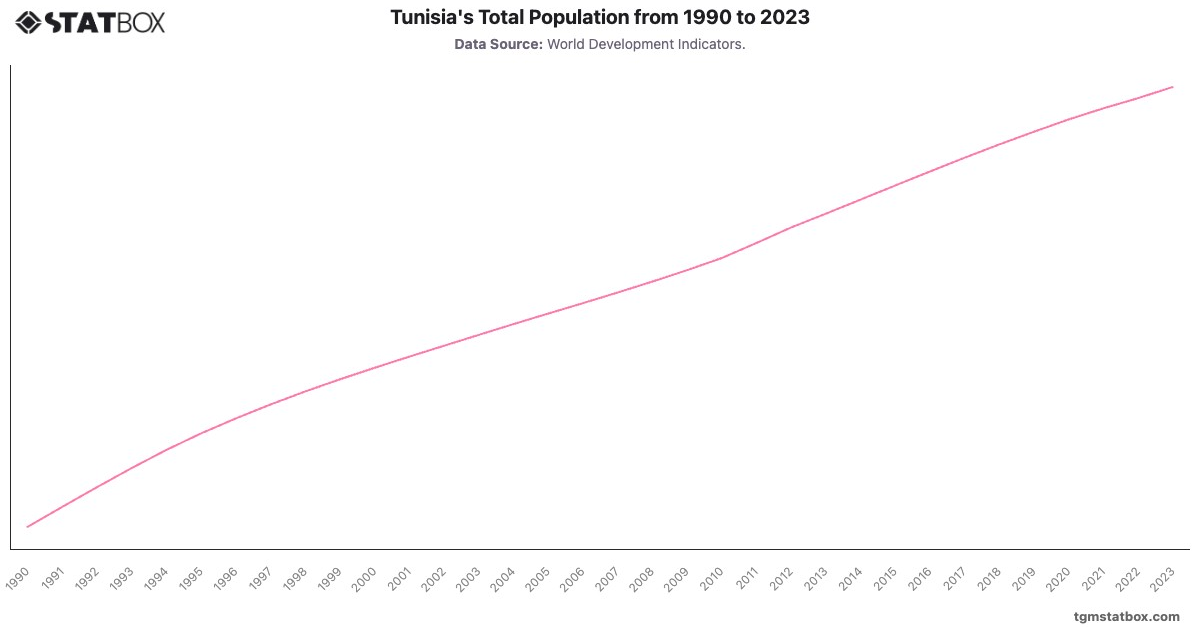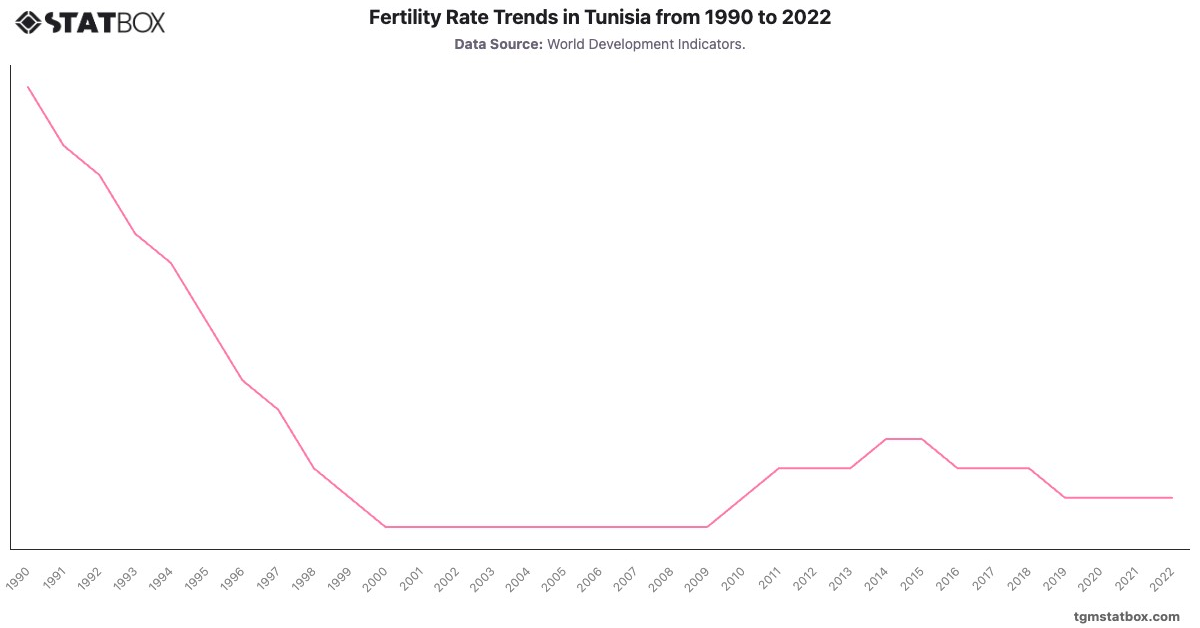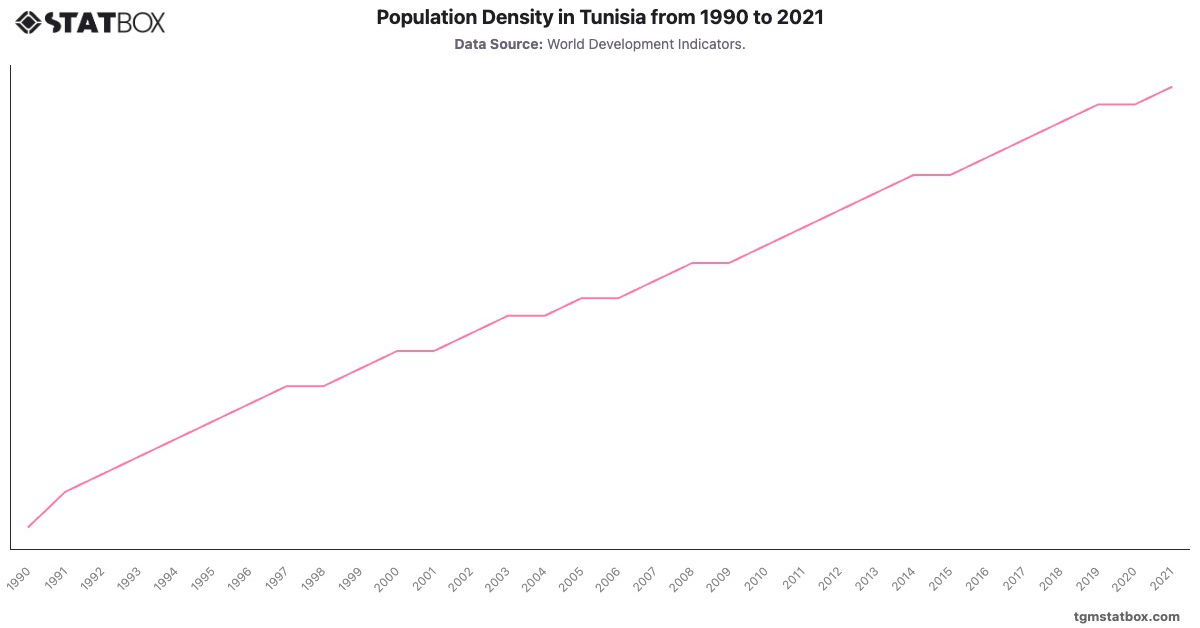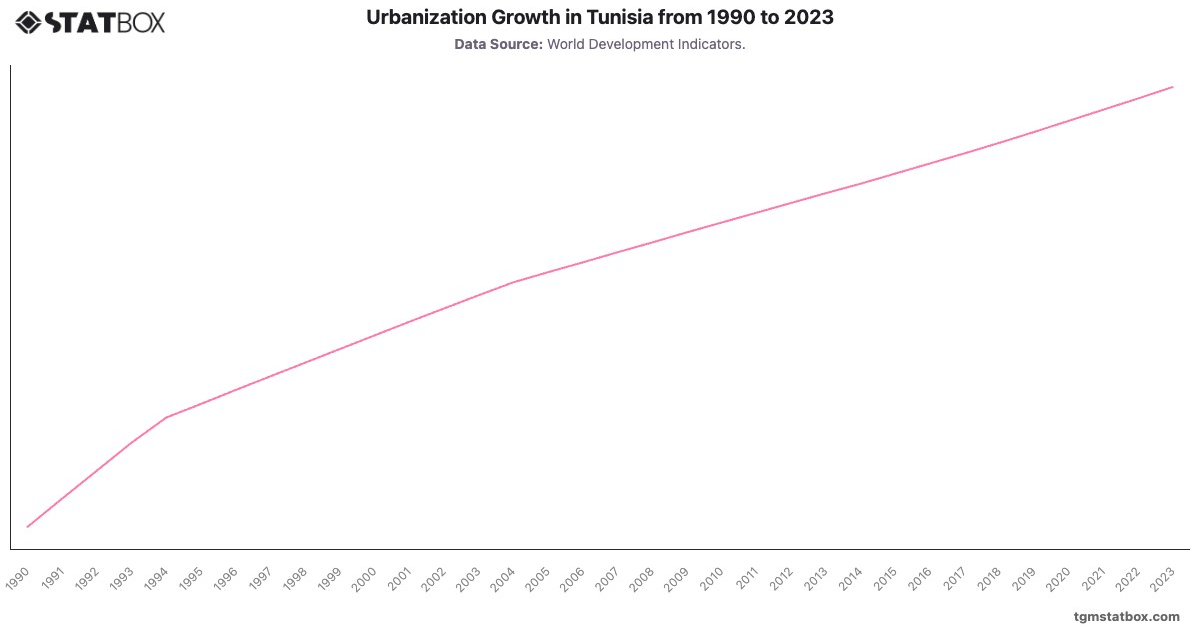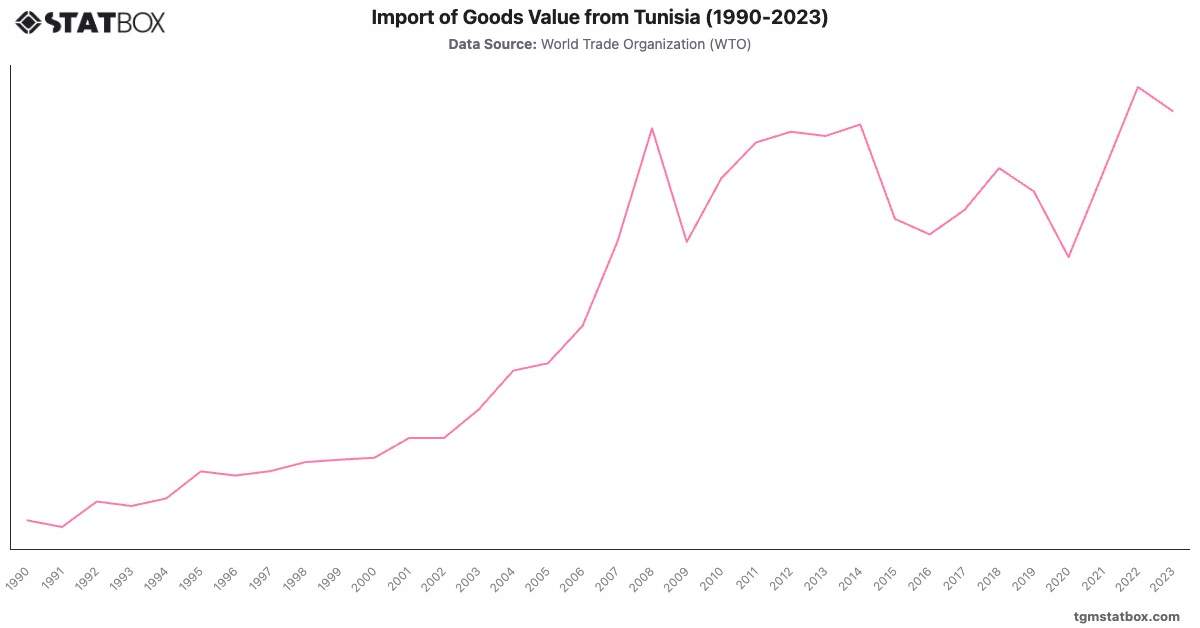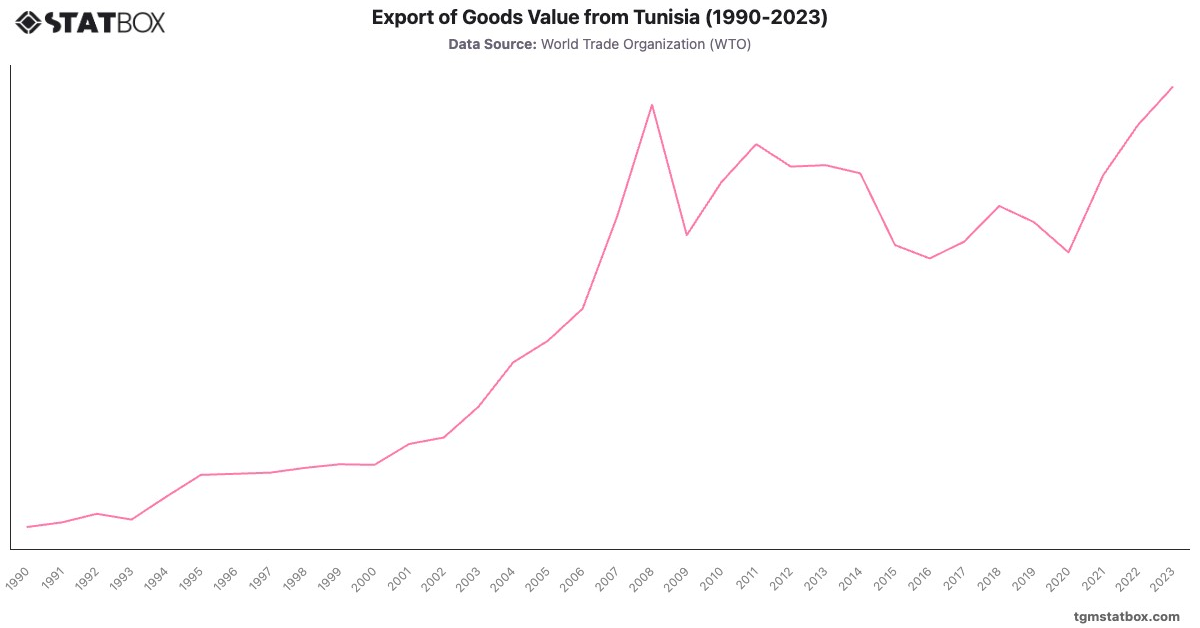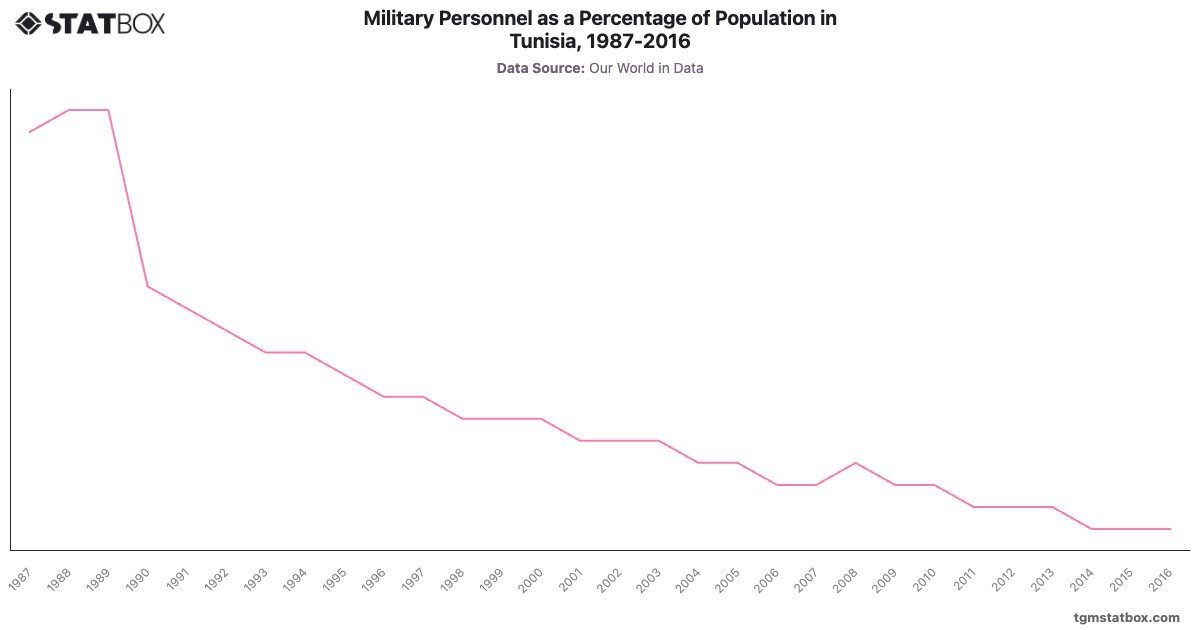
In Tunisia, military personnel as a percentage of the population remained largely stable from 1987 through 2016, gradually shifting from in 1987 to by 2005 and stabilizing thereafter. This decrease is partially tied to Tunisia’s demographic and urban development, as the population steadily increased, especially in urban areas, reducing the military's proportion. Notably, by the 2000s, the Tunisian government’s focus shifted more toward economic and social reforms to address growing urban demands, reducing emphasis on expanding the military workforce relative to the population.
Following the 2011 revolution, which heightened the country's security needs, the military's proportion of the population remained unchanged at . While the percentage stabilized, urban pressures likely redirected resources to infrastructure and public services.
Following the 2011 revolution, which heightened the country's security needs, the military's proportion of the population remained unchanged at . While the percentage stabilized, urban pressures likely redirected resources to infrastructure and public services.
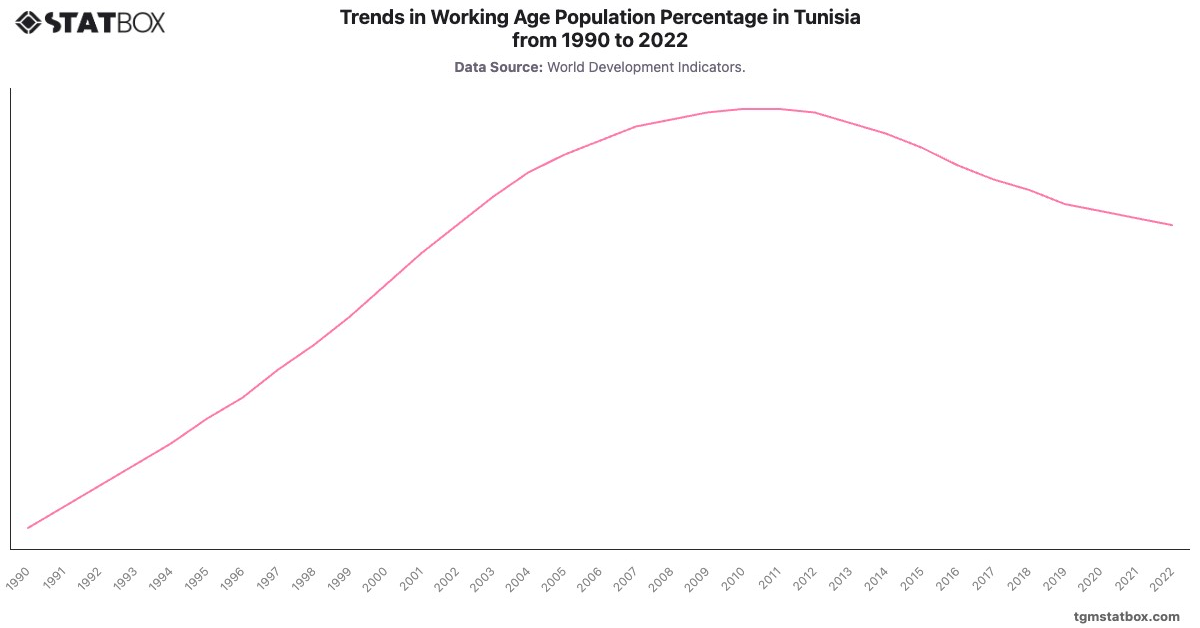
Gain a broader perspective by reviewing Tunisia’s population total, Tunisia’s population density, Tunisia’s working-age population share.