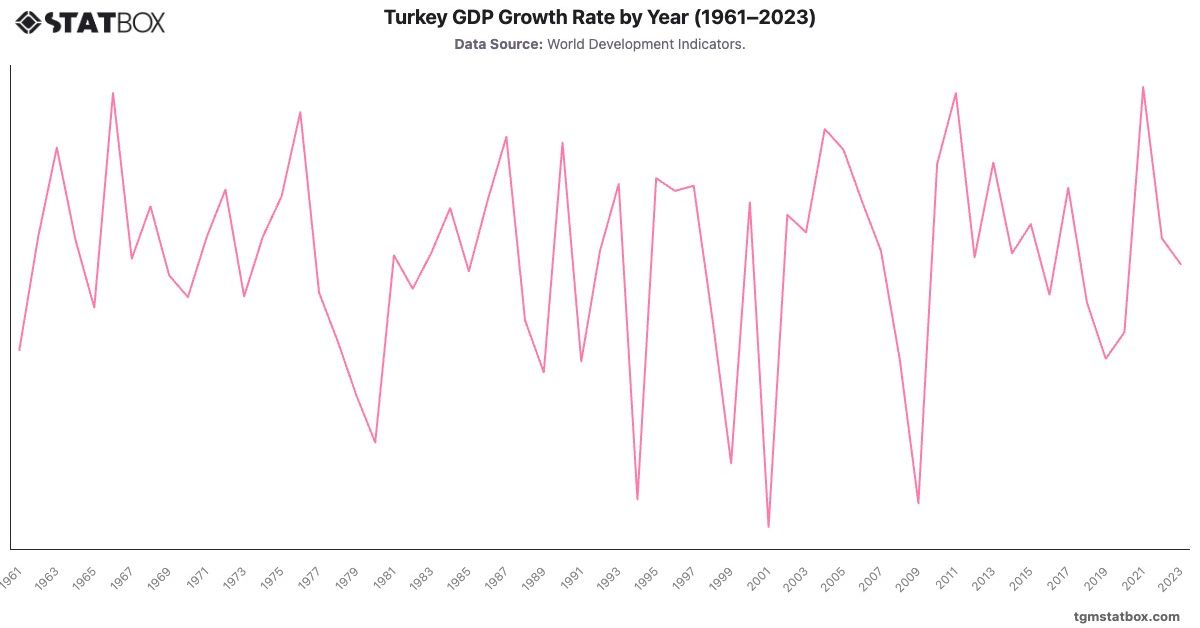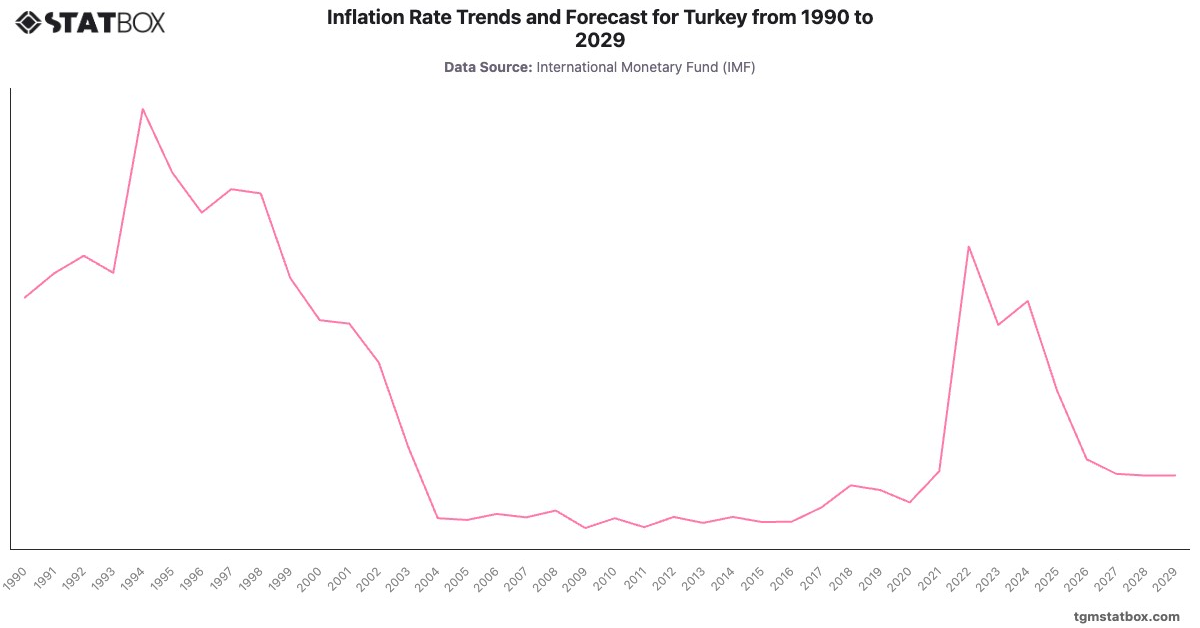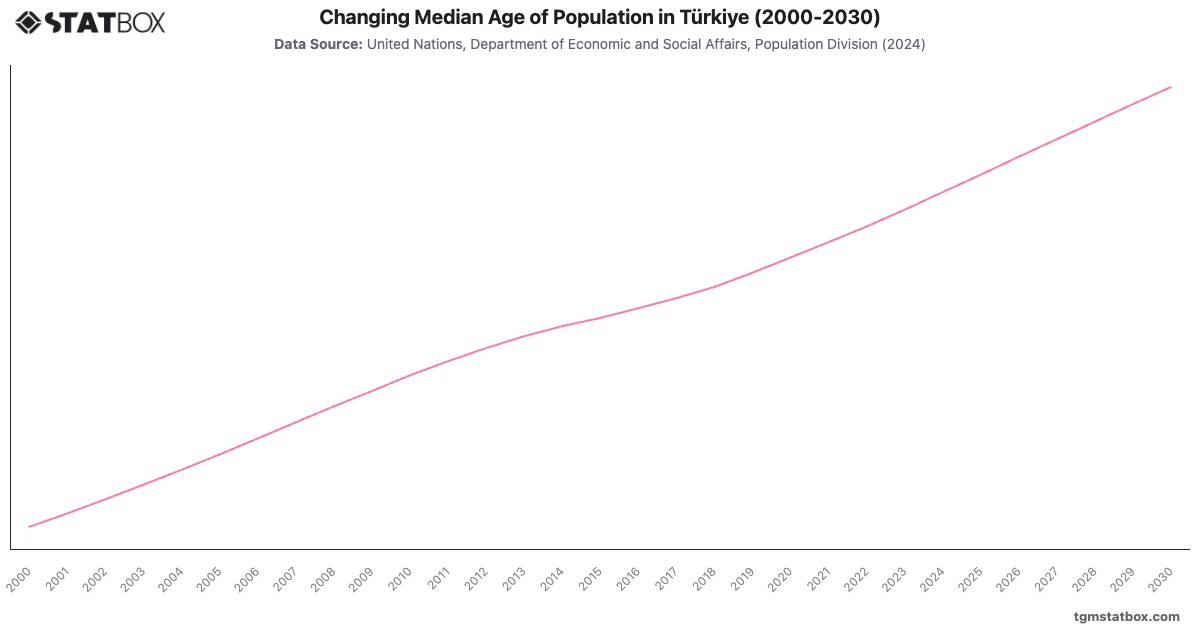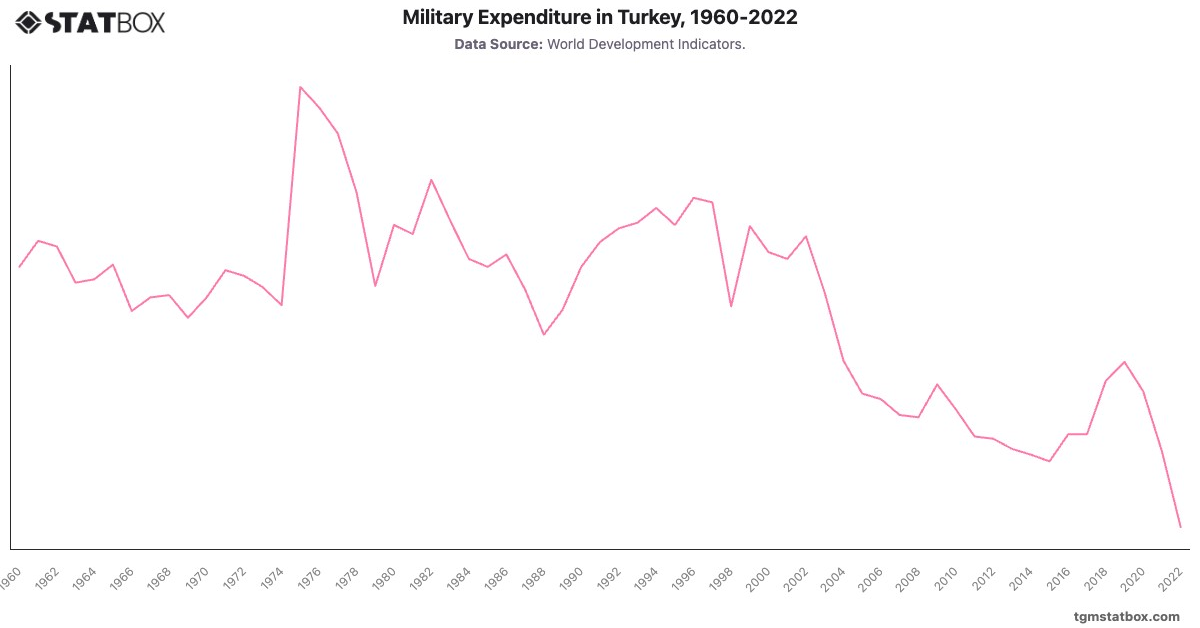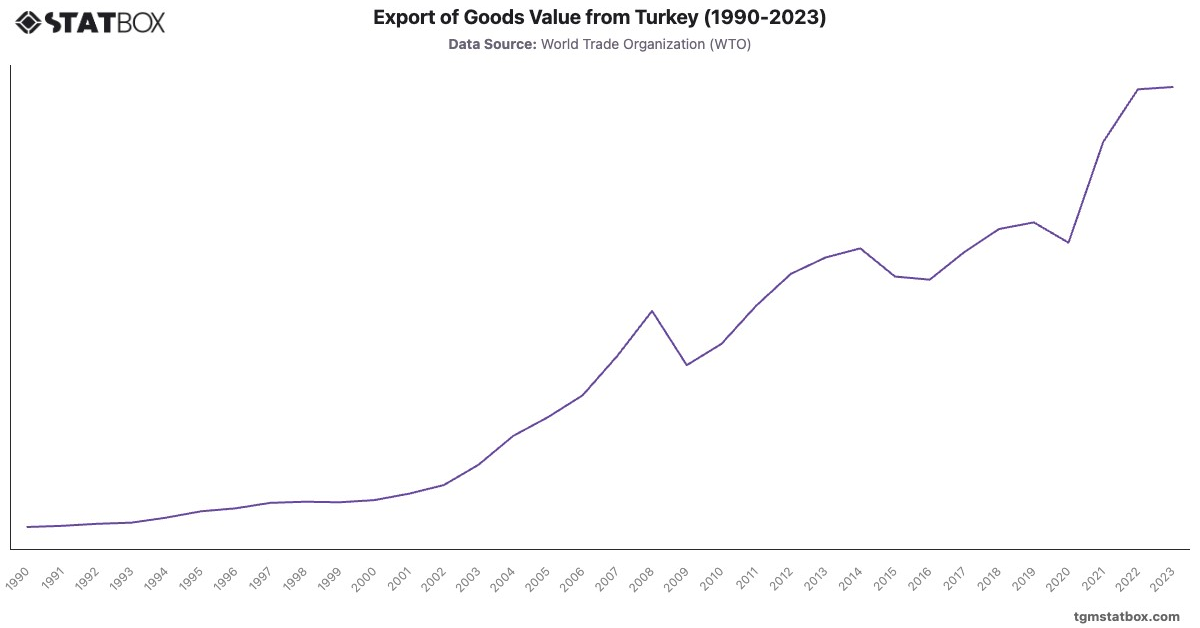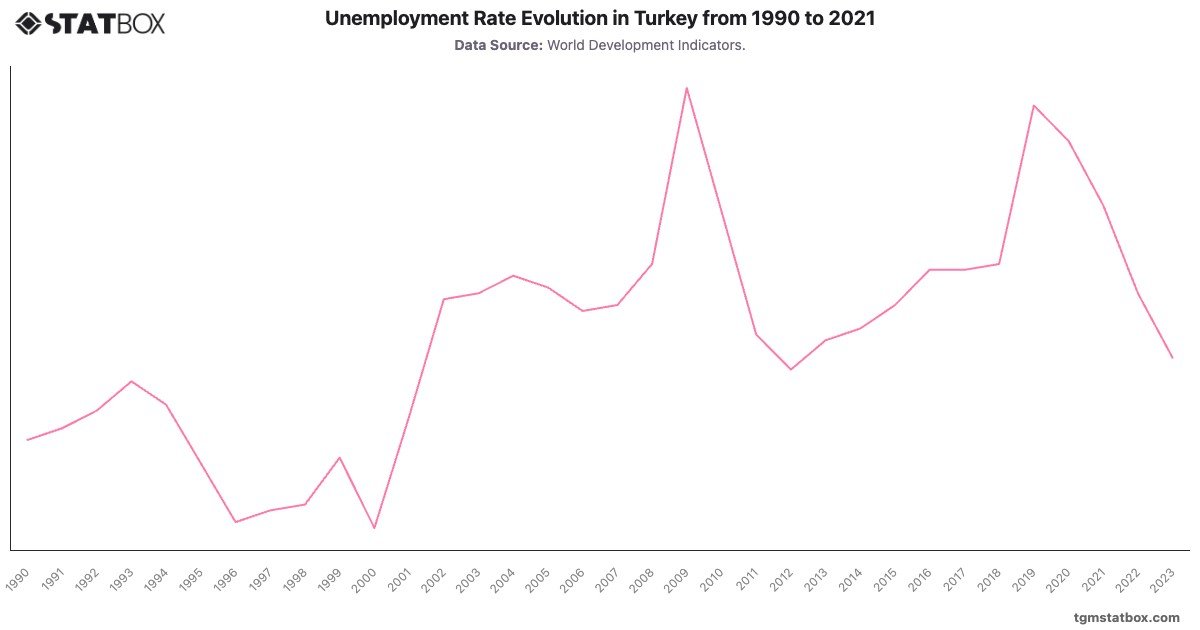
Turkey’s unemployment rate in the early 1990s remained fairly stable, averaging around . Economic reforms and liberalization efforts in the late 1990s helped reduce the rate to by 2000. However, the 2001 financial crisis caused a sharp spike to , followed by another peak at in 2003. The 2008 global financial crisis also pushed Turkey’s unemployment to by 2009, indicating the impact of external shocks on the economy.
From 2011 onward, Turkey’s unemployment rate remained relatively high, hovering around 10- due to geopolitical issues and economic volatility. Although it improved to by 2023, high inflation and policy challenges persist as key factors influencing labor market stability in Turkey.
From 2011 onward, Turkey’s unemployment rate remained relatively high, hovering around 10- due to geopolitical issues and economic volatility. Although it improved to by 2023, high inflation and policy challenges persist as key factors influencing labor market stability in Turkey.
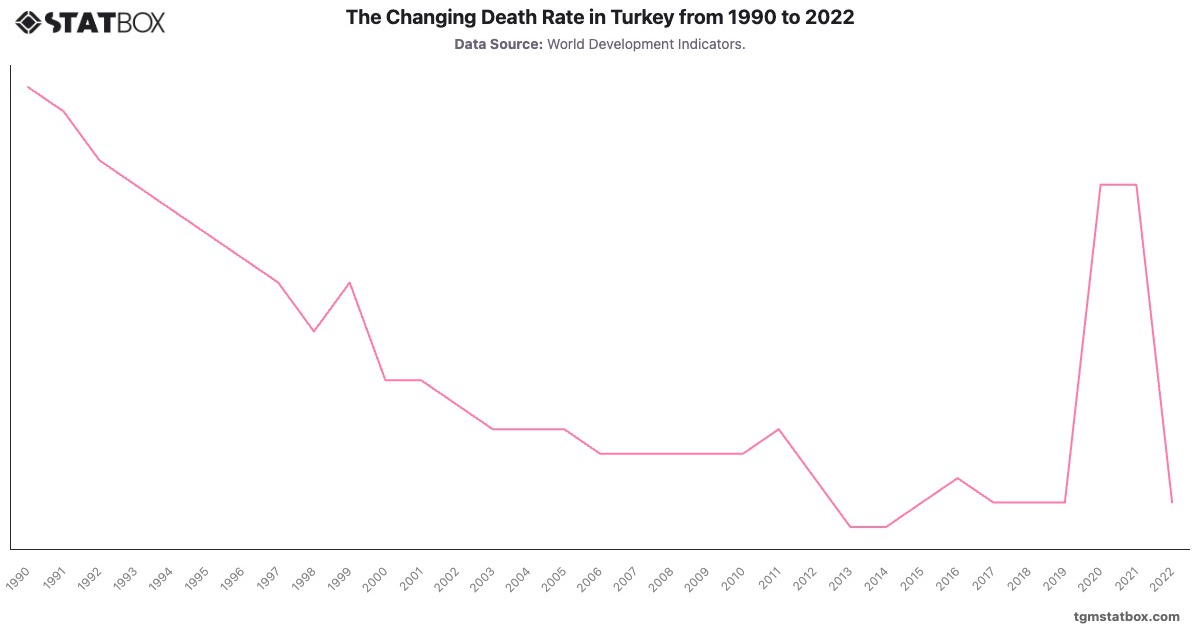
Gain a broader perspective by reviewing Turkey’s general government debt as a share of GDP, Turkey’s services sector share in GDP, Turkey’s death rate fluctuation.