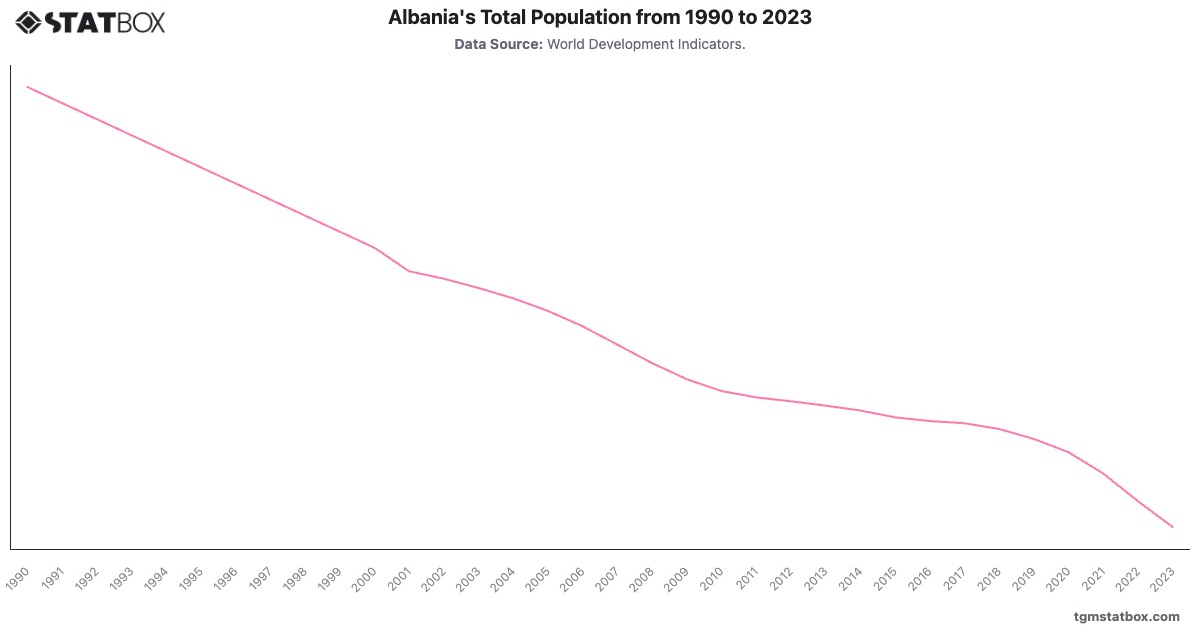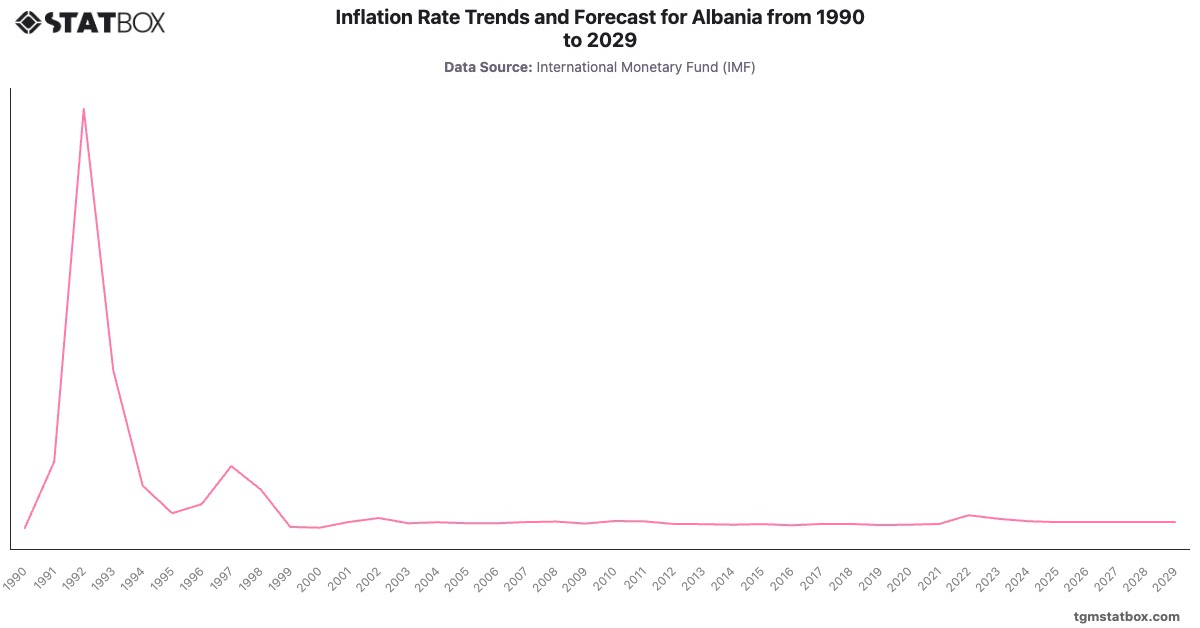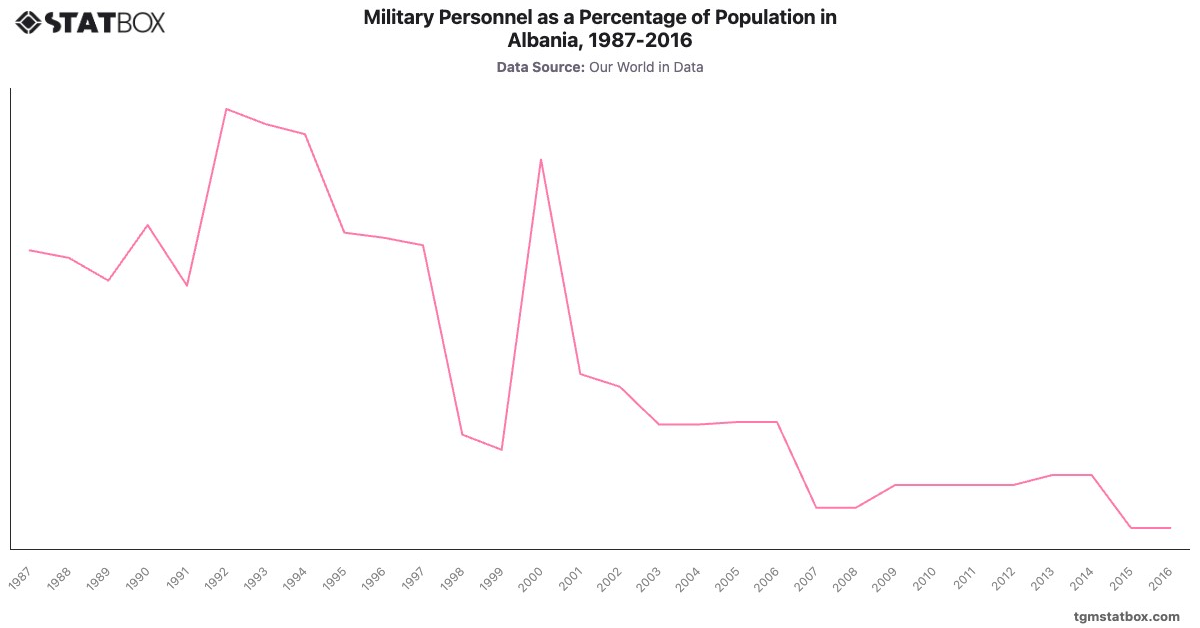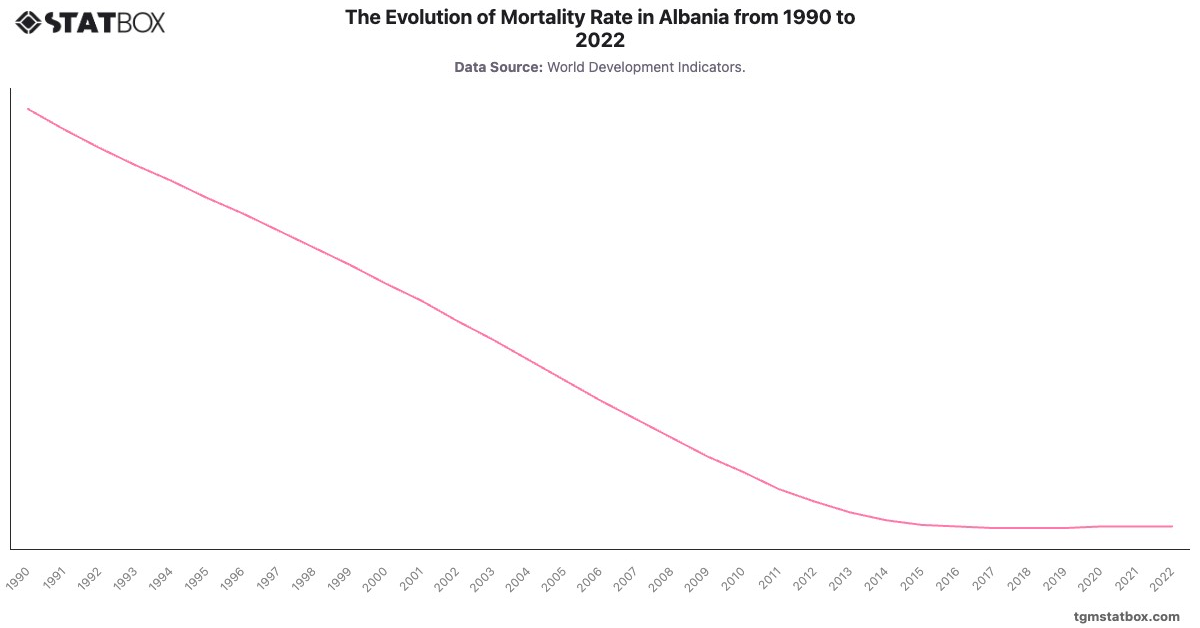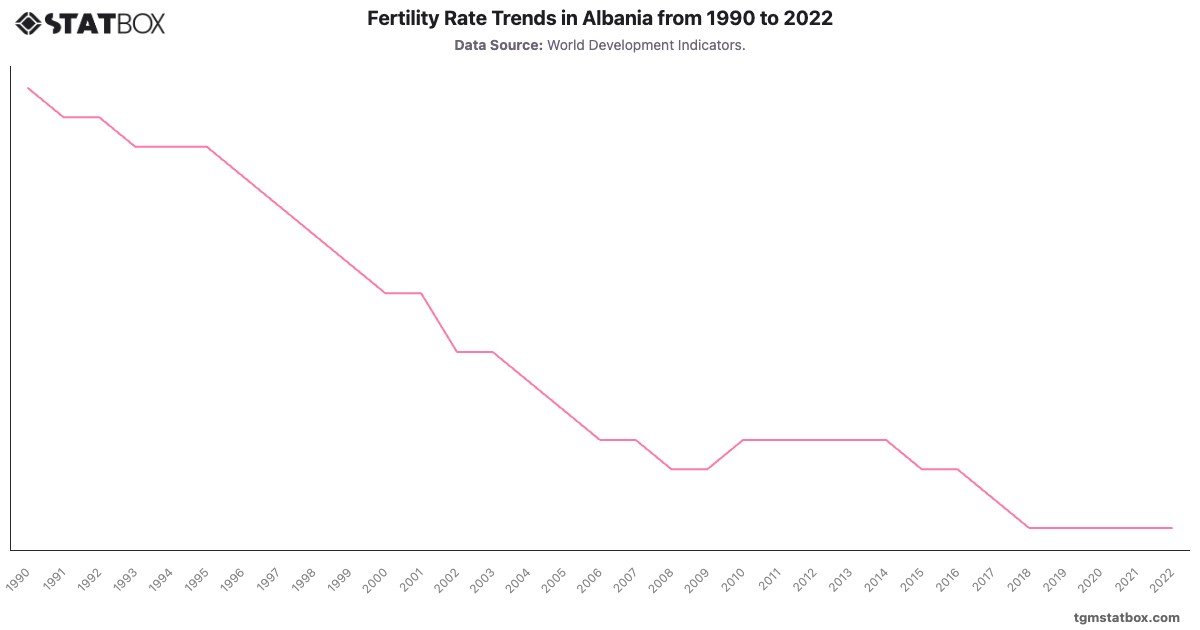
Albania's fertility rate experienced a steady decline from 2.9 in 1990 to 1.4 by 2022. The early 1990s saw a gradual reduction, with the rate dropping to 2.7 by 1994, largely influenced by political transitions and economic hardships following the fall of communism. This period marked significant emigration as Albanians sought better opportunities abroad, reducing the number of births domestically.
The decline continued into the 2000s, with the fertility rate reaching 2.0 by 2002 and further decreasing to 1.7 by 2013. Improvements in education, particularly for women, and urbanization contributed to this shift. By the 2010s, the rate stabilized at 1.4, reflecting a demographic transition influenced by changing societal norms, such as later marriages and smaller family preferences, alongside persistent emigration trends.
The decline continued into the 2000s, with the fertility rate reaching 2.0 by 2002 and further decreasing to 1.7 by 2013. Improvements in education, particularly for women, and urbanization contributed to this shift. By the 2010s, the rate stabilized at 1.4, reflecting a demographic transition influenced by changing societal norms, such as later marriages and smaller family preferences, alongside persistent emigration trends.
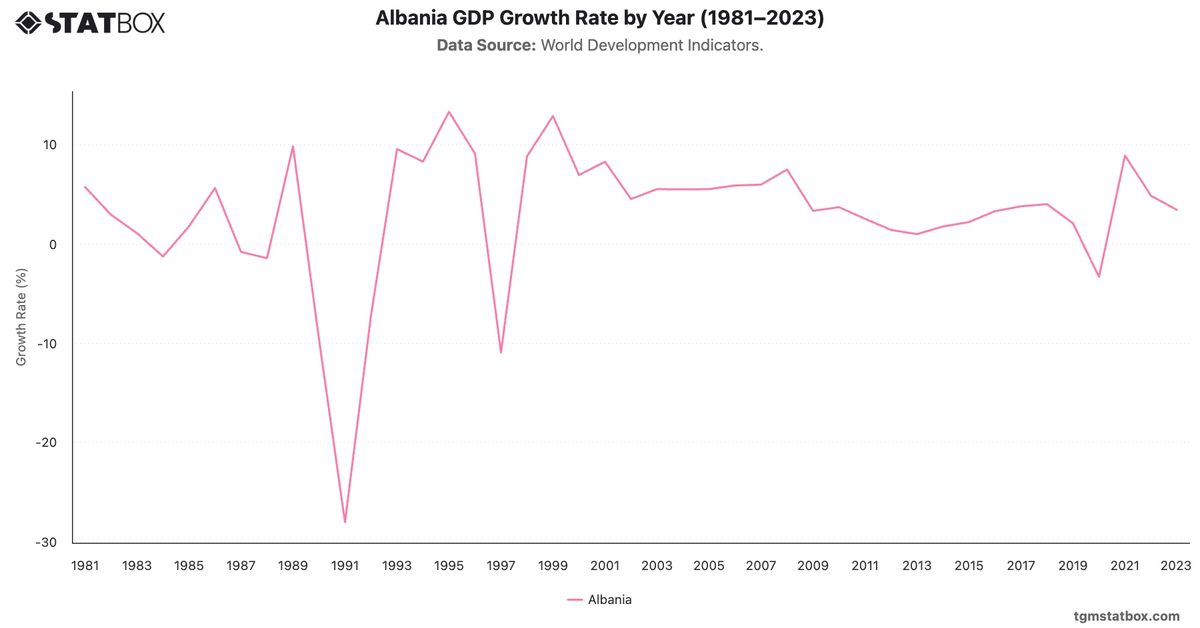
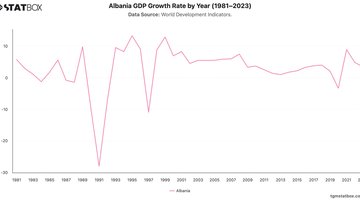
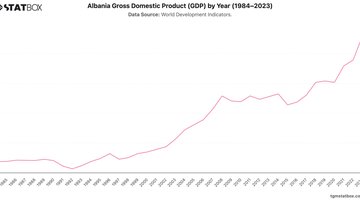
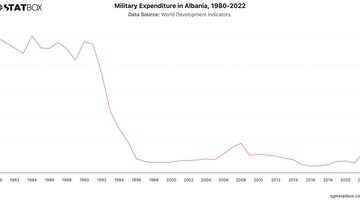
For a deeper dive into the topic, explore Albania’s military spending, Albania’s unemployment rate, Albania’s annual GDP growth rate.