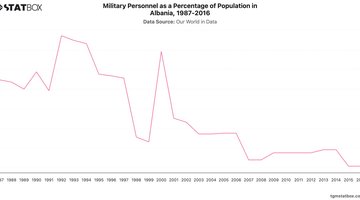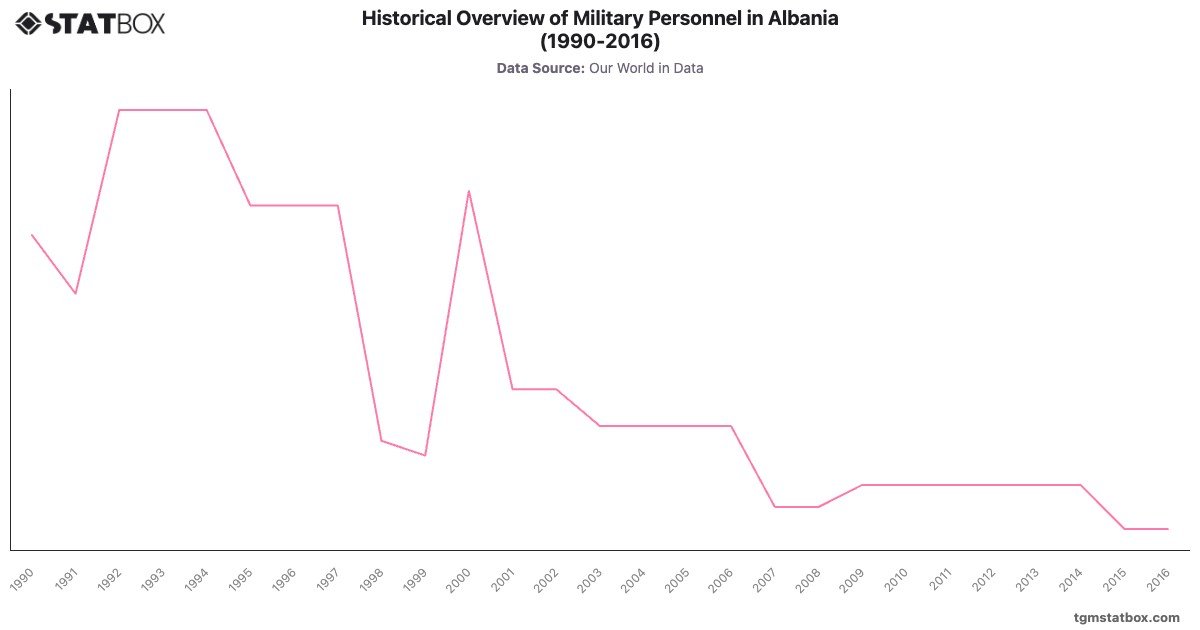
Albania's military personnel saw dramatic changes between 1990 and 2016, reflecting the country's political and economic shifts. In 1990, the military strength stood at 48,000, but the fall of communism led to a sharp decline, with personnel dropping to 40,000 in 1991. By 1992, numbers surged to 65,000 as the country stabilized and restructured its military. This stability was short-lived; by 1998, the armed forces were significantly downsized to 20,000 amidst ongoing economic challenges and political unrest following the 1997 pyramid scheme crisis.
After a brief recovery in 2000 with personnel levels at 54,000, Albania undertook extensive military reforms to align with NATO standards, culminating in its NATO membership in 2009. This process led to steady reductions, with personnel numbers decreasing to 8,000 by 2015, reflecting a shift towards a smaller, professionalized force focused on NATO interoperability and modernization.
After a brief recovery in 2000 with personnel levels at 54,000, Albania undertook extensive military reforms to align with NATO standards, culminating in its NATO membership in 2009. This process led to steady reductions, with personnel numbers decreasing to 8,000 by 2015, reflecting a shift towards a smaller, professionalized force focused on NATO interoperability and modernization.
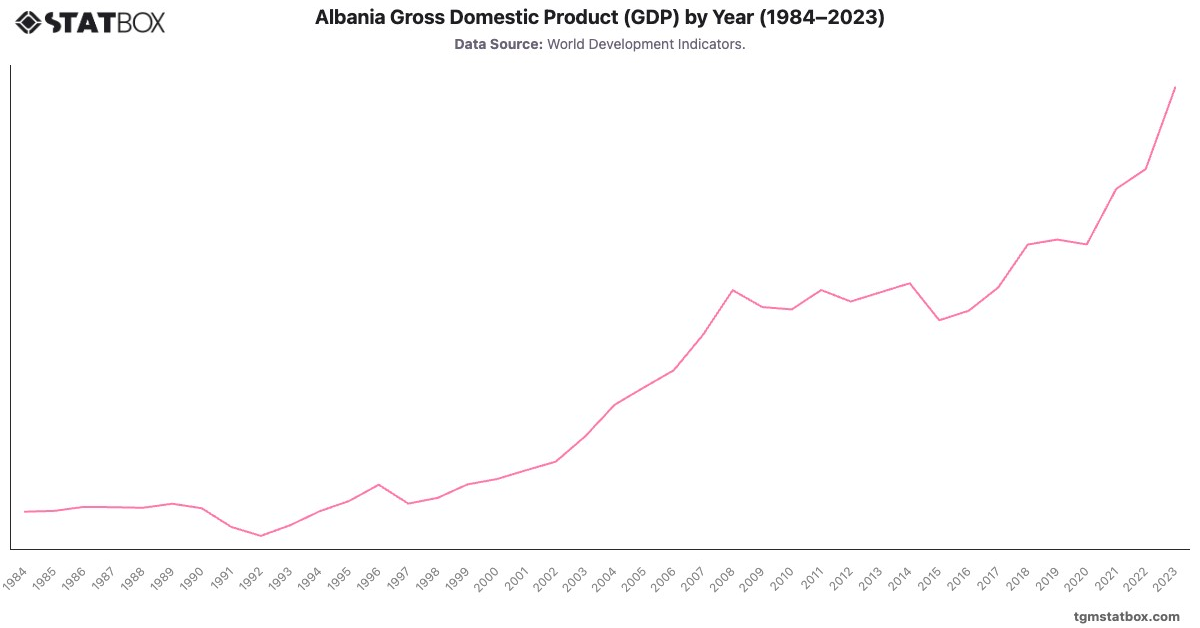
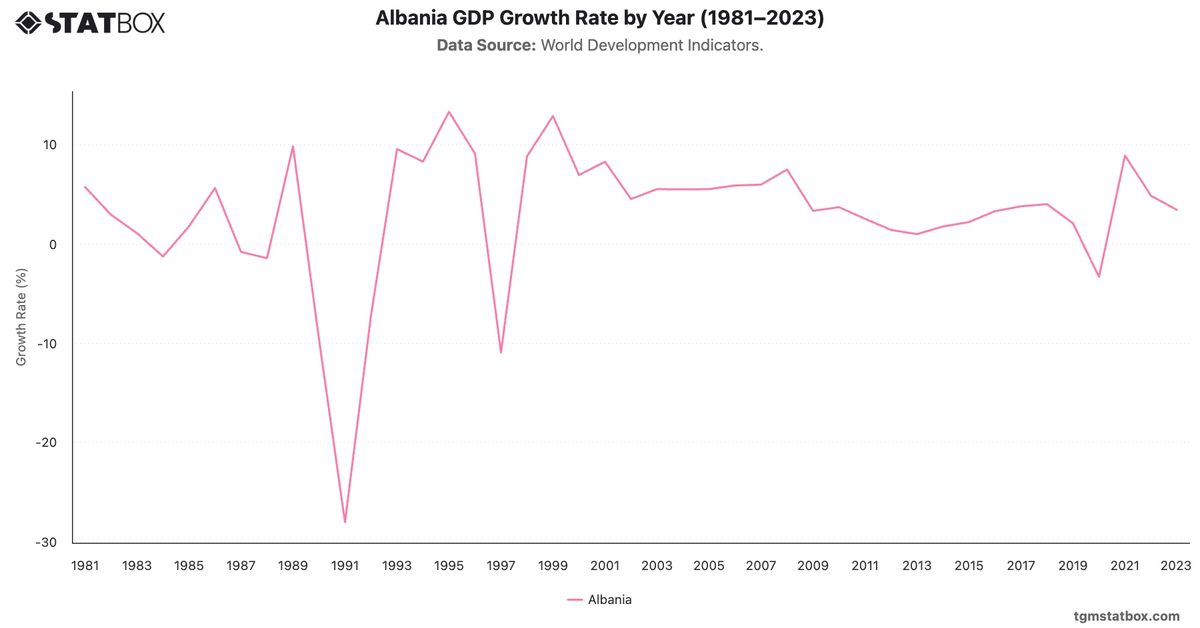
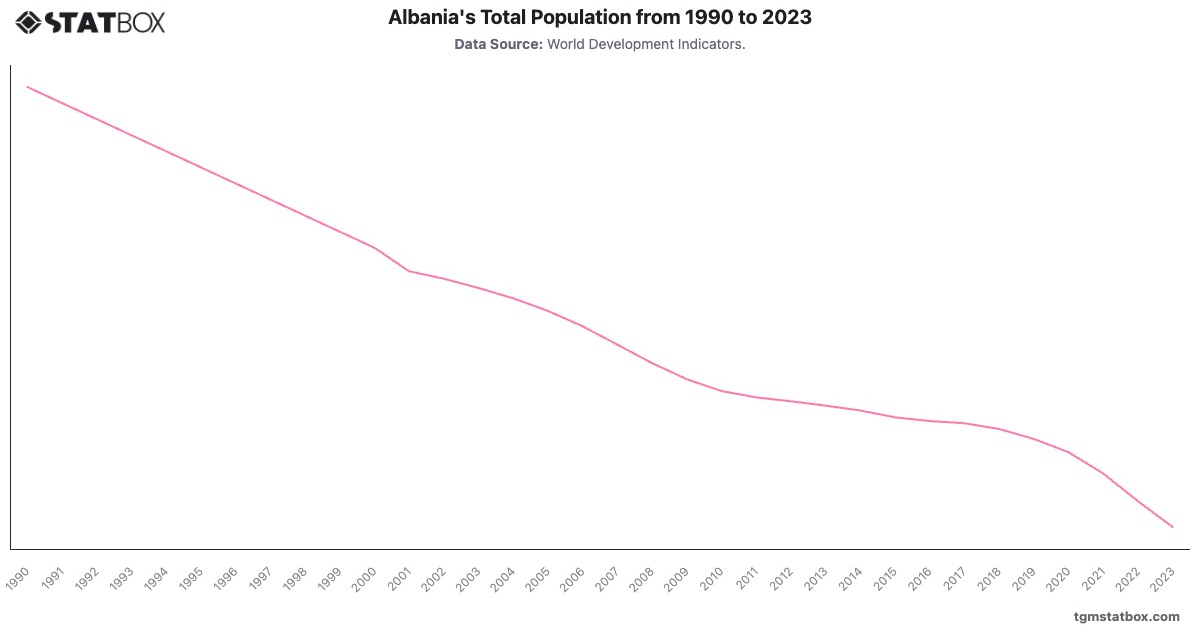
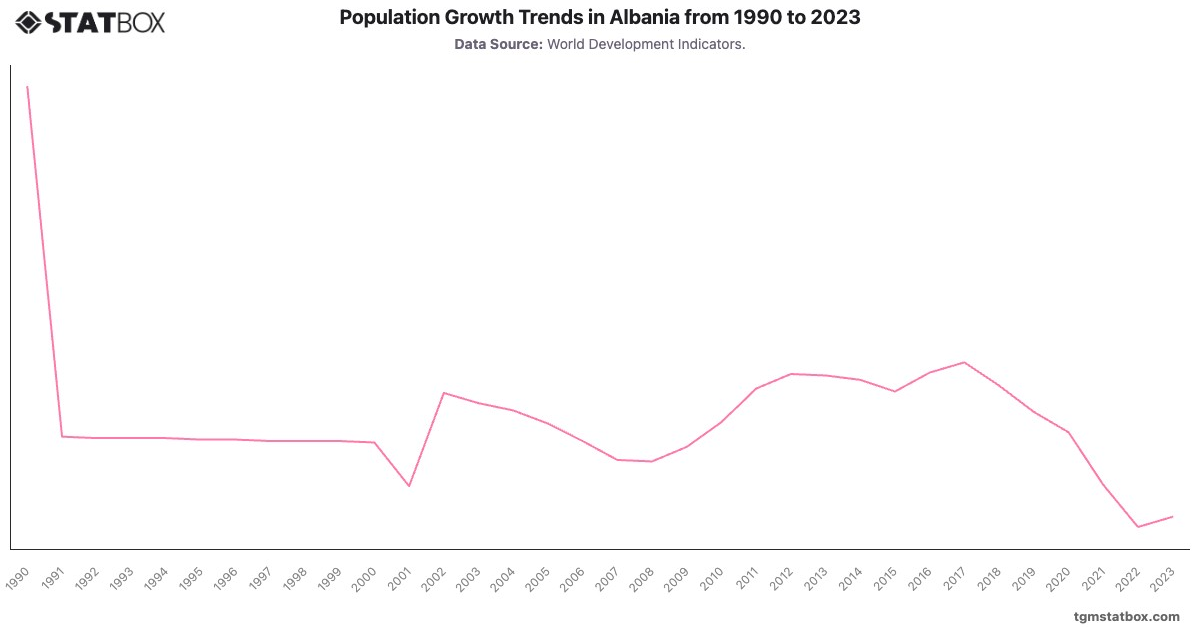
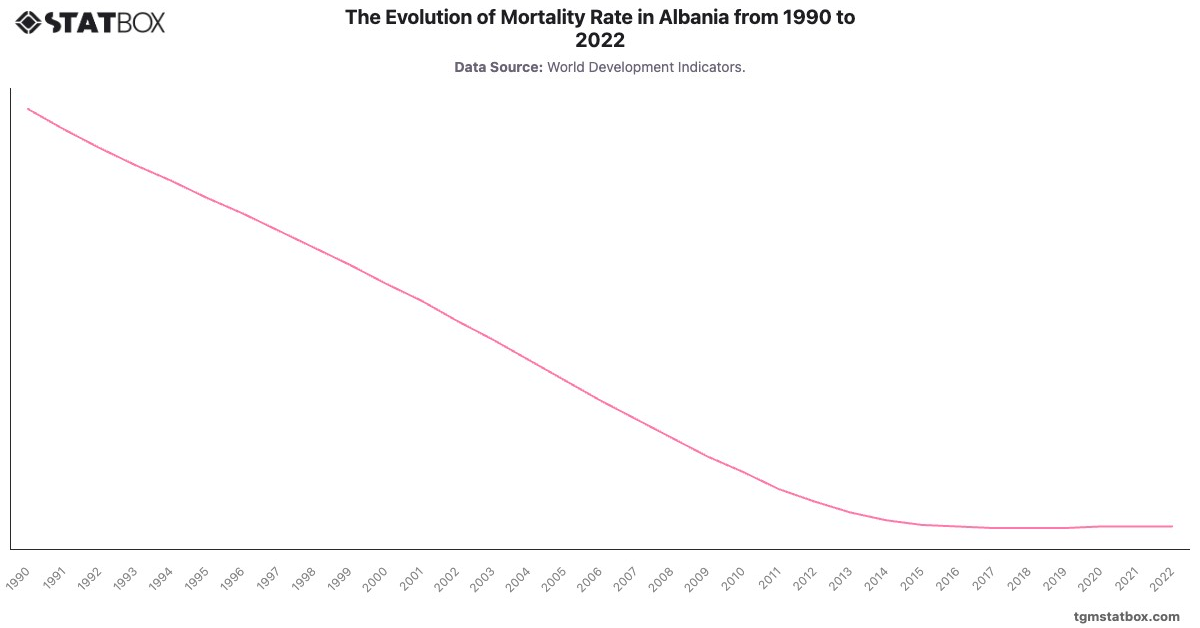
Explore related charts to gain a better understanding of Albania’s mortality rate changes, Albania’s annual GDP data, Albania’s population growth trends.