Australia’s GDP Growth Rate: Factors and Trends (1961–2023)
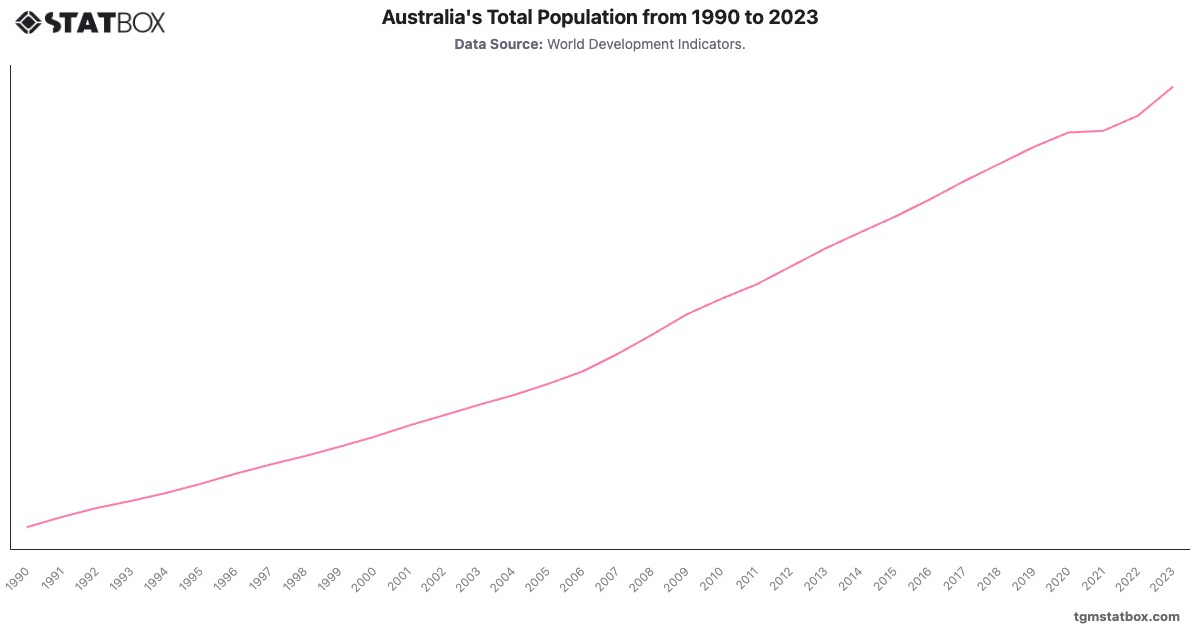
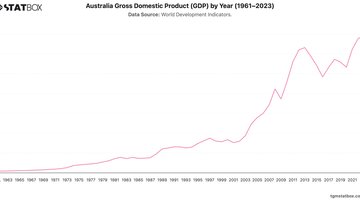
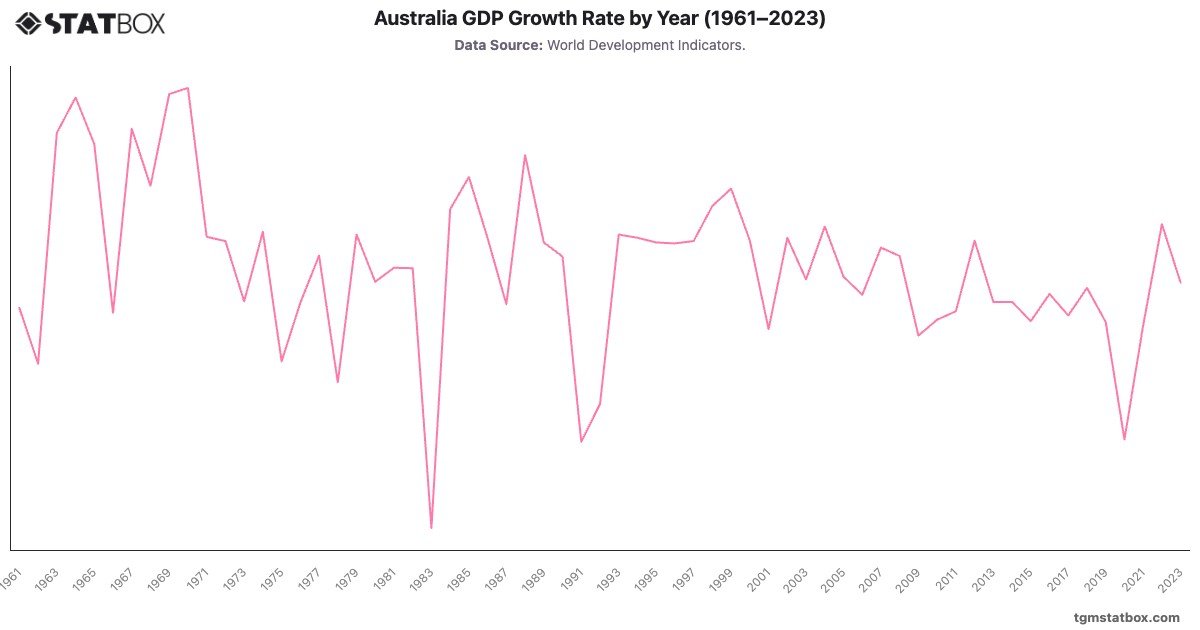
Australia’s economy has demonstrated remarkable resilience from 1961 to 2023, navigating various global and domestic challenges. During the 1960s and 1970s, the country enjoyed robust growth, supported by resource exports and industrial expansion. Even when facing recessions and domestic policy adjustments in the early 1980s and 1990s, the Australian economy quickly bounced back.
In the early 2000s, Australia maintained steady growth, bolstered by a mining boom, which solidified its position as one of the strongest economies in the world. The global financial crisis of 2008 caused only a brief dip, with Australia avoiding a deep recession that hit many other countries. This resilience was a testament to its sound economic fundamentals and policy responses.
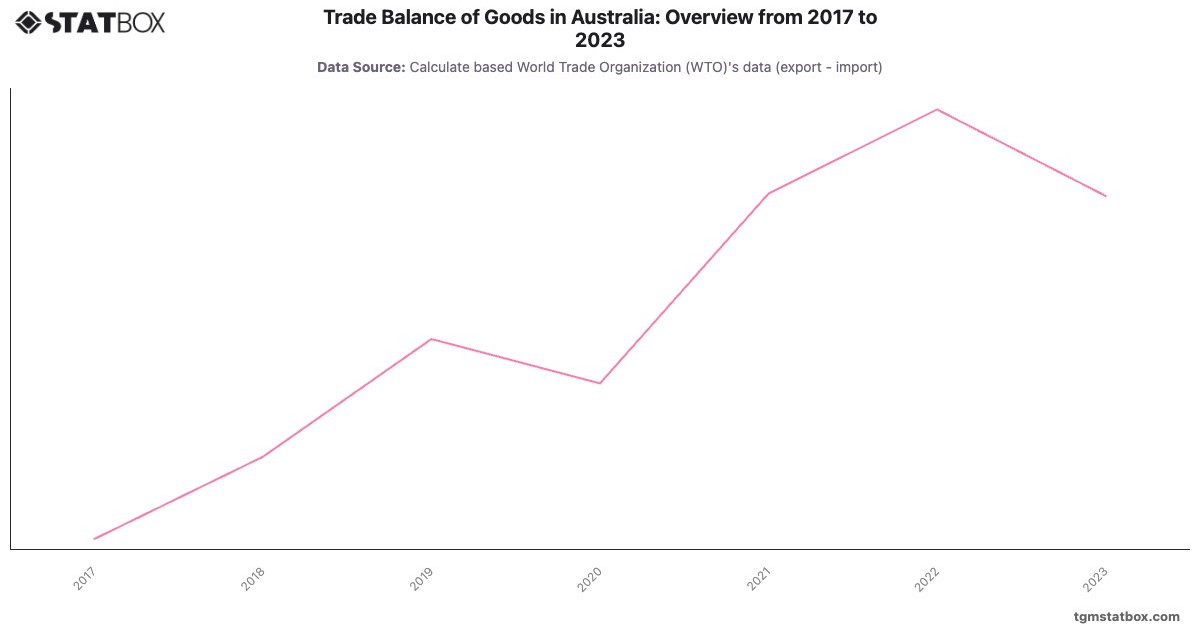
Despite the contraction of during the COVID-19 pandemic in 2020, Australia’s economy quickly rebounded, growing by in 2021. Key factors driving this resilience include strong commodity exports, robust domestic consumption, and effective fiscal policies. Australia's diversified economy and its ability to adapt to global shifts, particularly in trade and immigration, continue to affirm its position as a strong and resilient economy on the global stage.
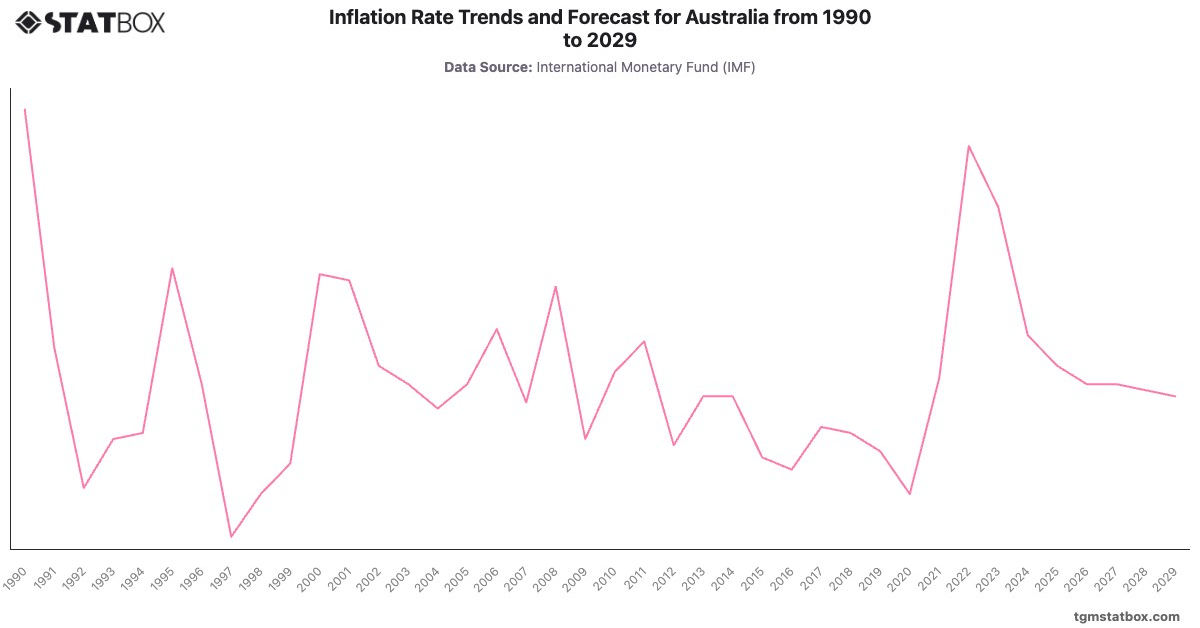
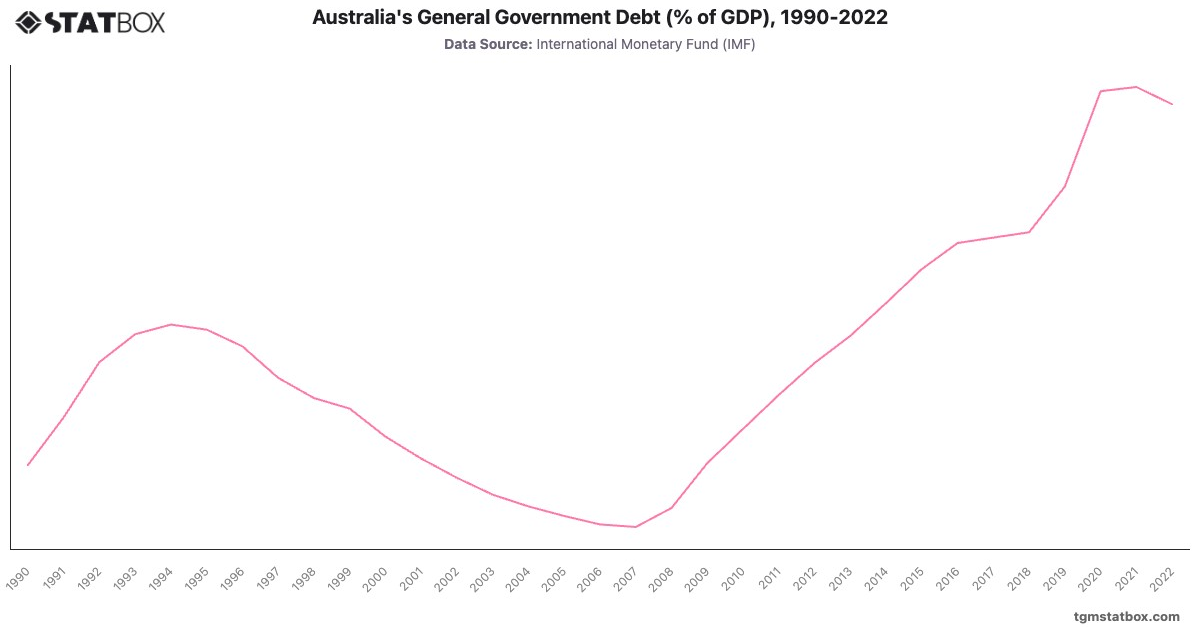
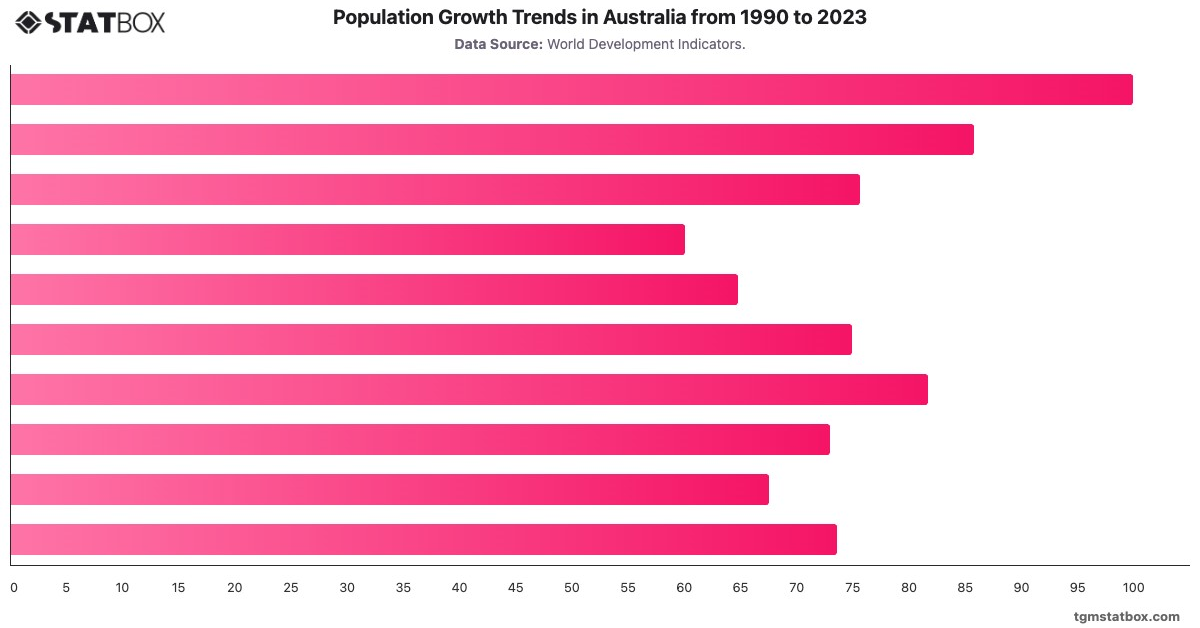
Find out more through related statistics on Australia’s annual GDP, Australia’s unemployment rate evolution, Australia’s agriculture sector GDP share.