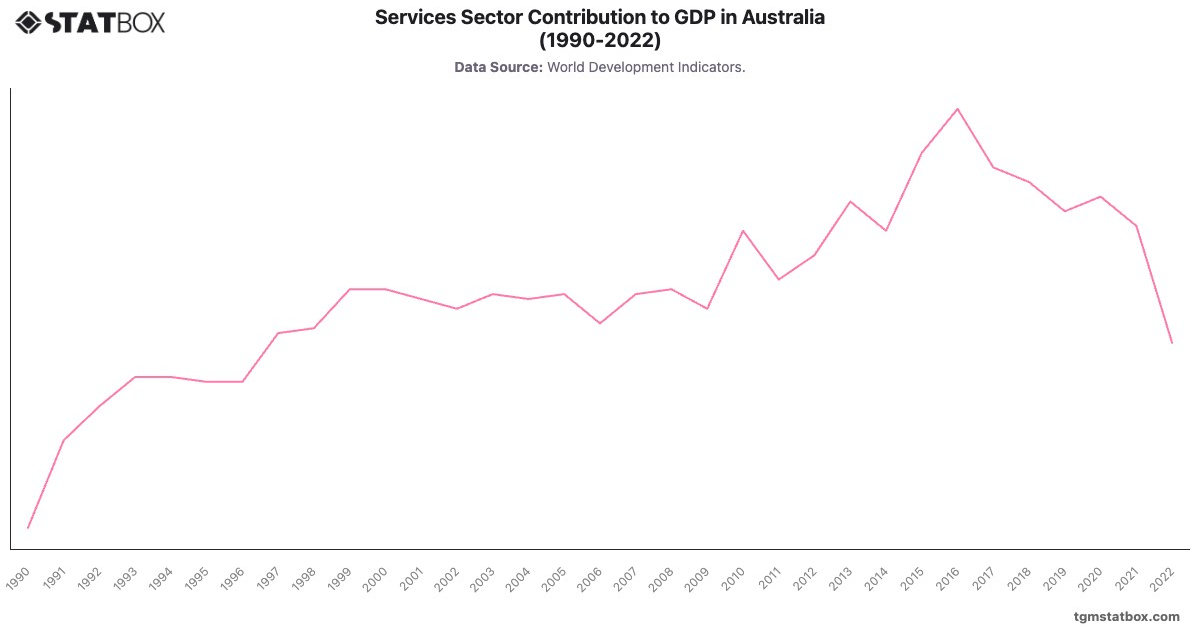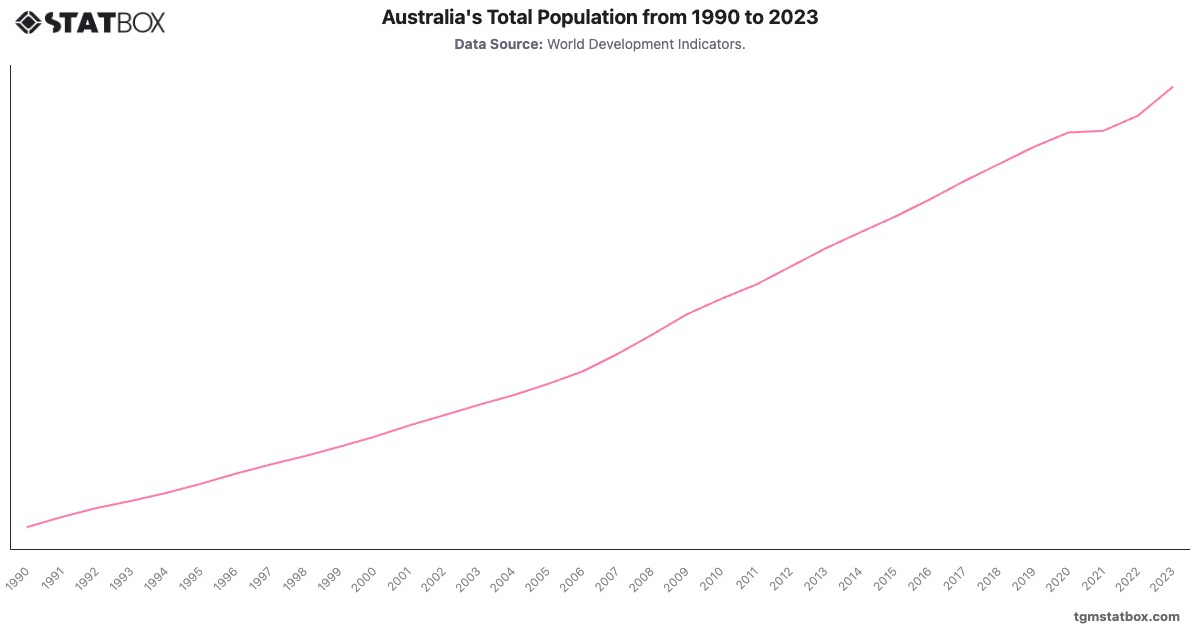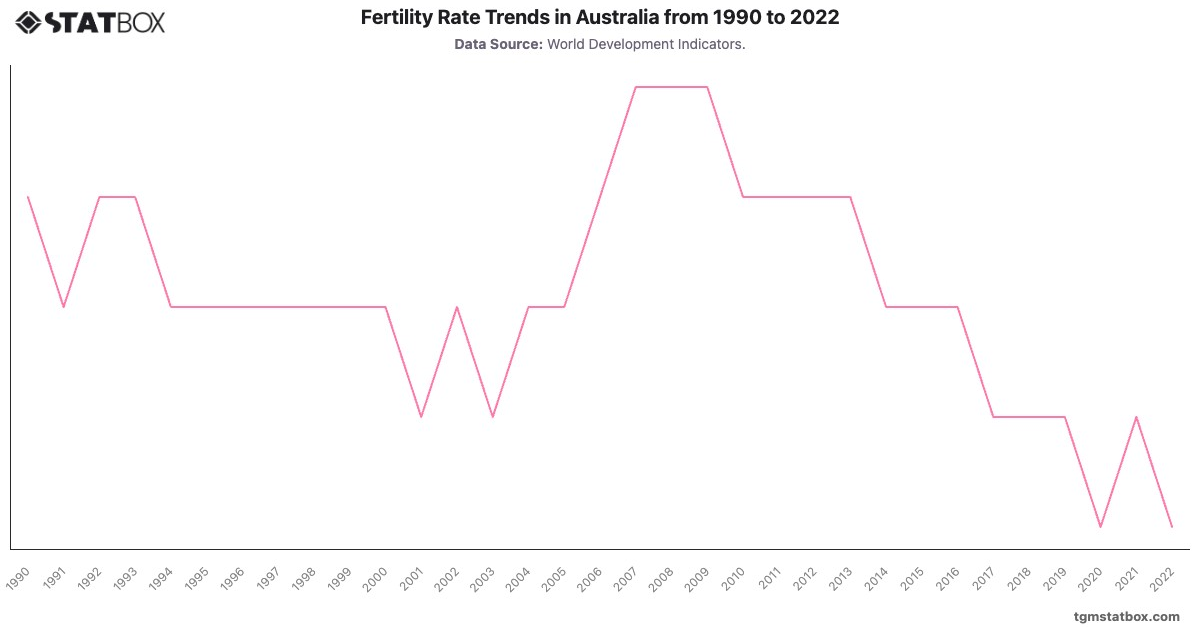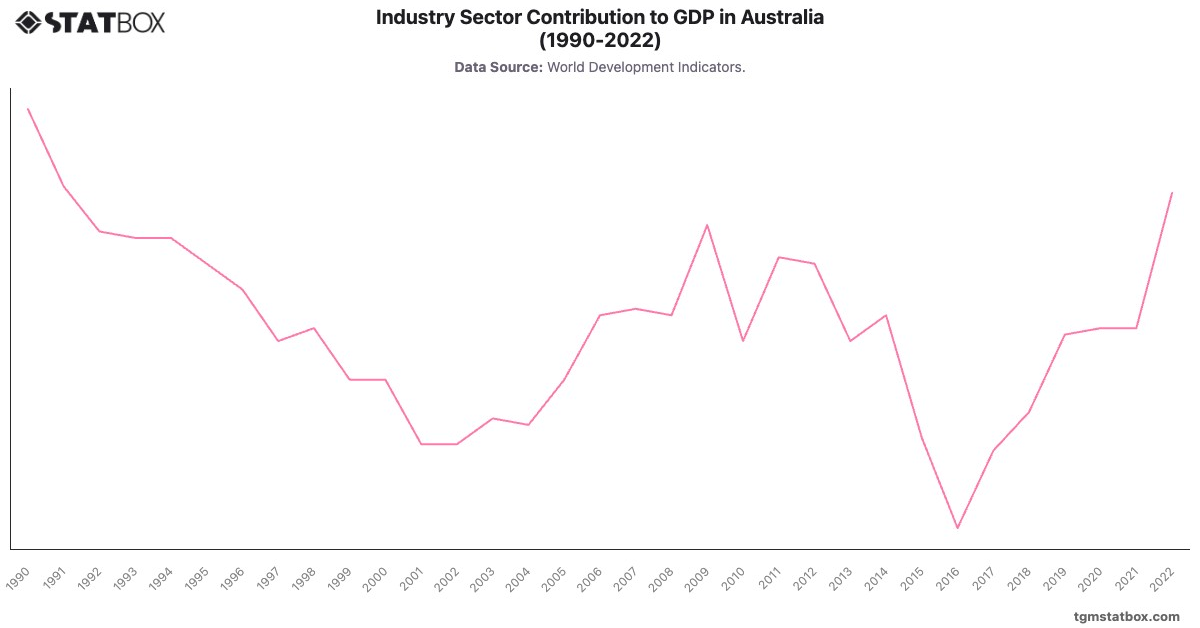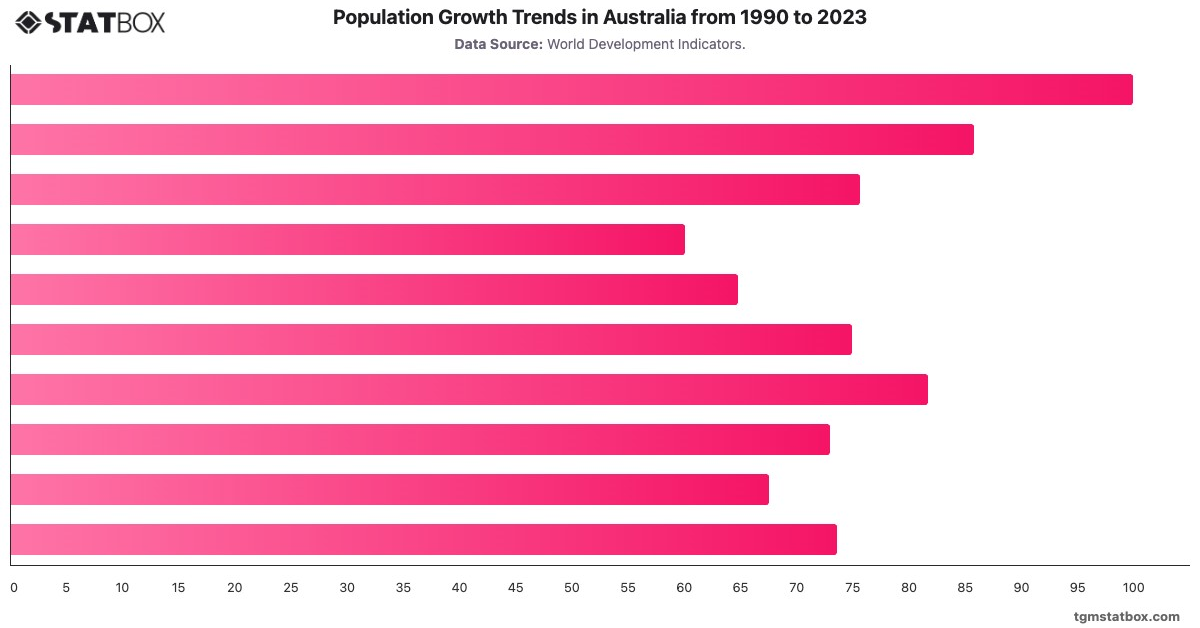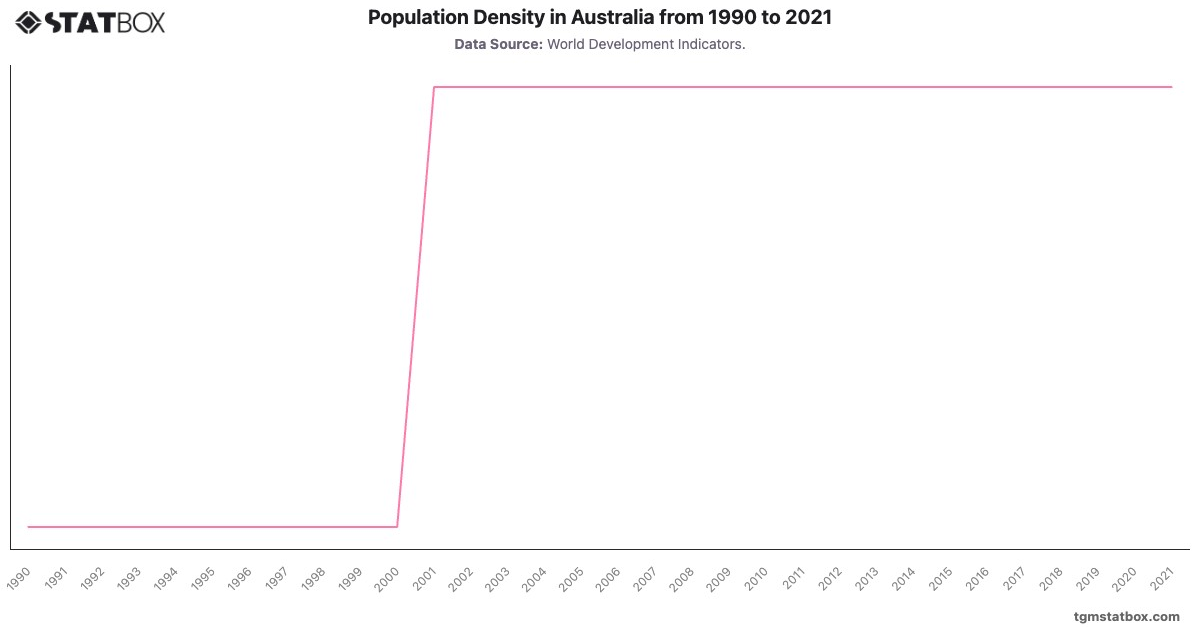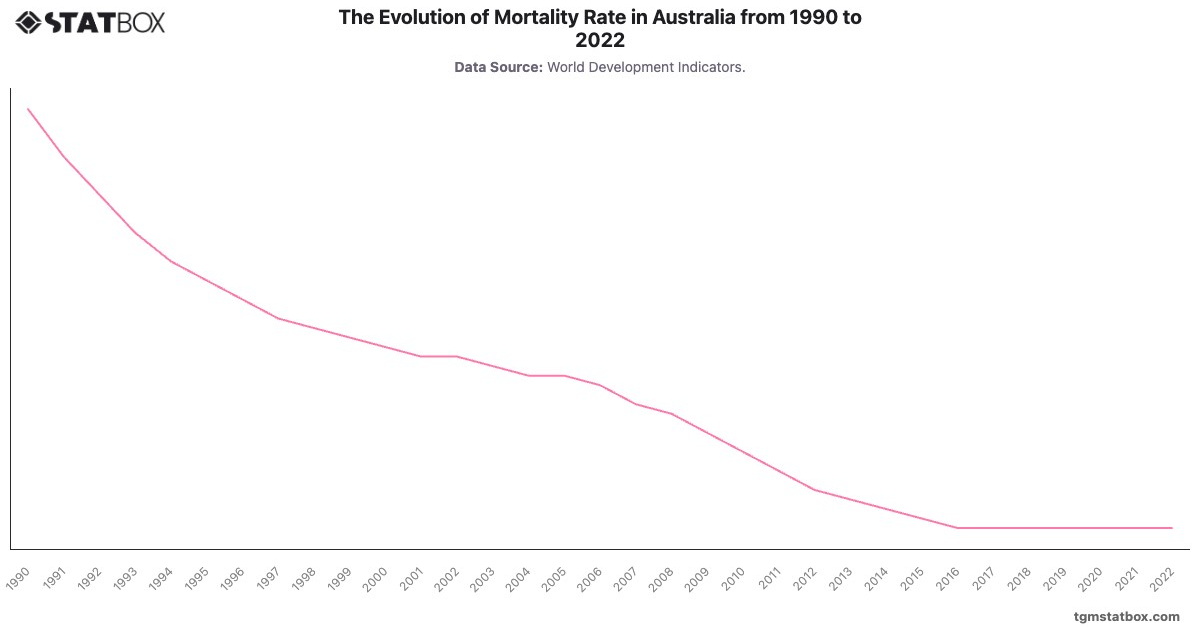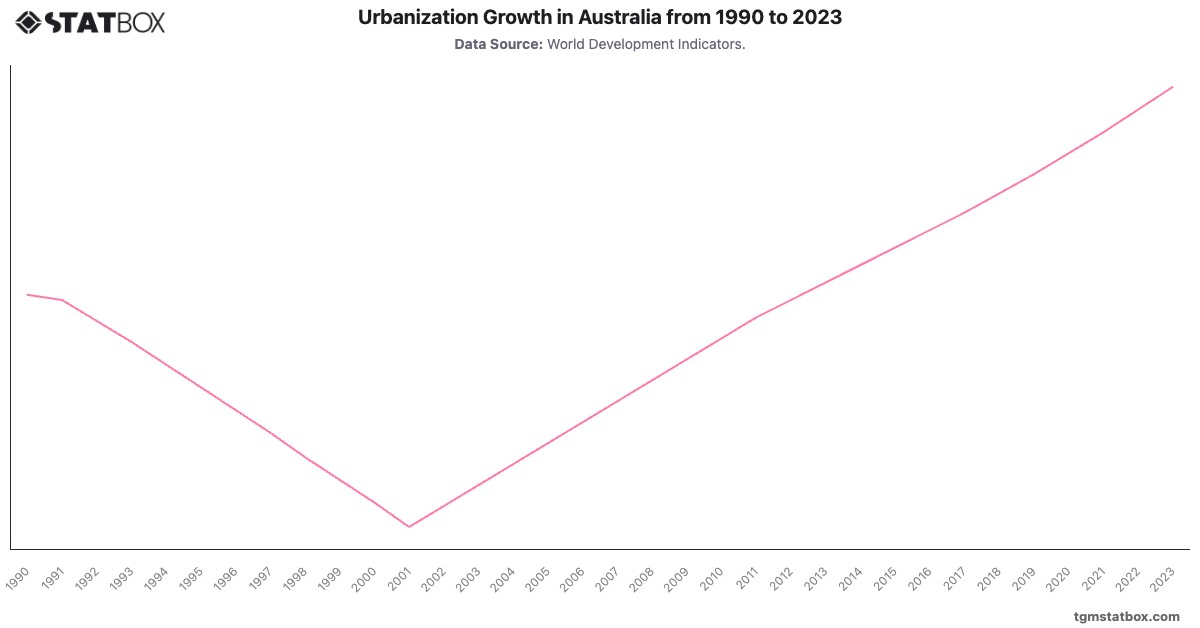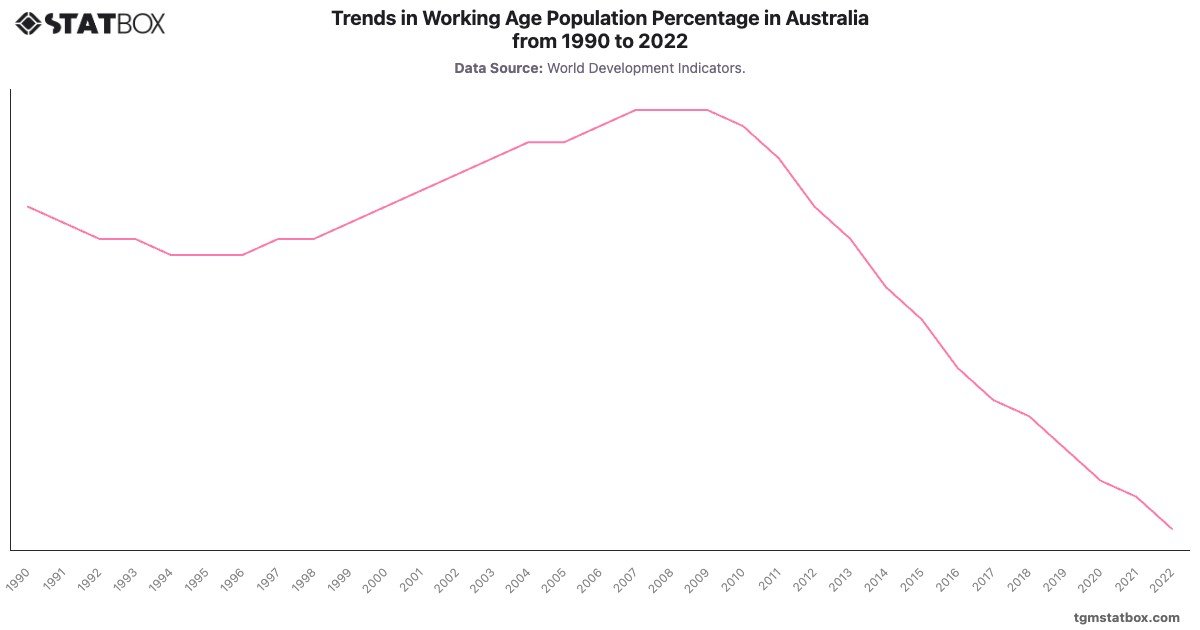
Australia's working-age population percentage has exhibited significant stability and gradual growth from 1990 to 2022. Beginning at approximately in 1990, the percentage steadily increased to around by 2010. This upward trend can be attributed to factors such as a strong economy, increased participation in the labor force, and immigration policies that have attracted skilled workers.
However, following the peak in 2010, the working-age population percentage faced fluctuations, dropping to by 2022. This decline may reflect demographic challenges, including an aging population and shifts in workforce participation rates among younger generations. Additionally, economic factors, such as the impact of the COVID-19 pandemic, have influenced labor market dynamics.
However, following the peak in 2010, the working-age population percentage faced fluctuations, dropping to by 2022. This decline may reflect demographic challenges, including an aging population and shifts in workforce participation rates among younger generations. Additionally, economic factors, such as the impact of the COVID-19 pandemic, have influenced labor market dynamics.
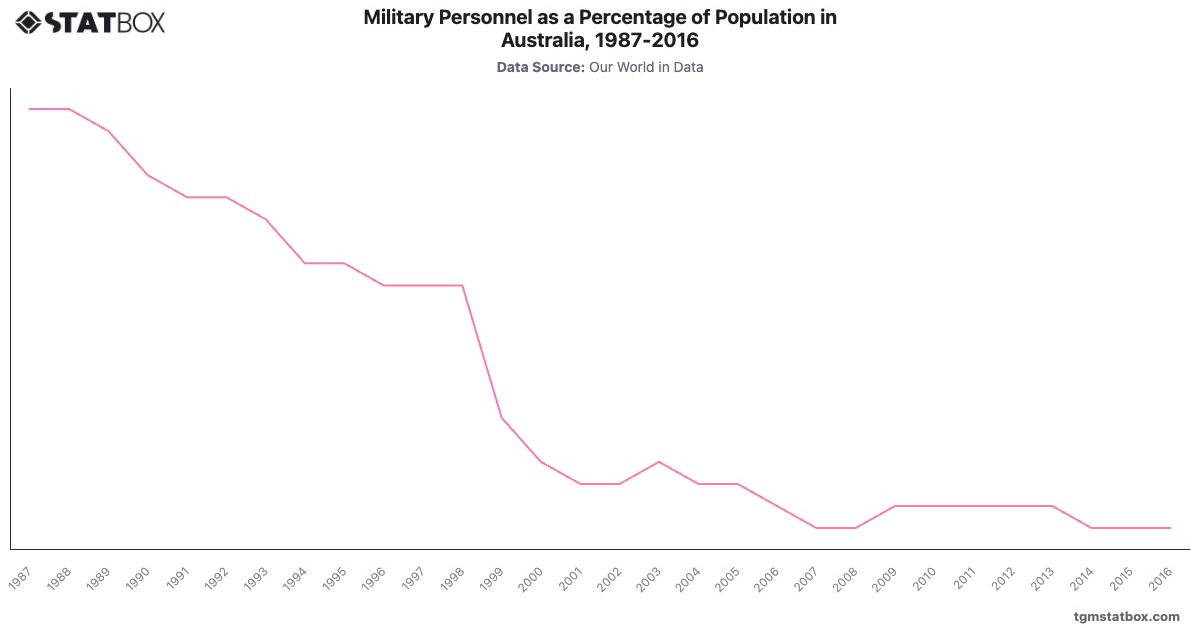
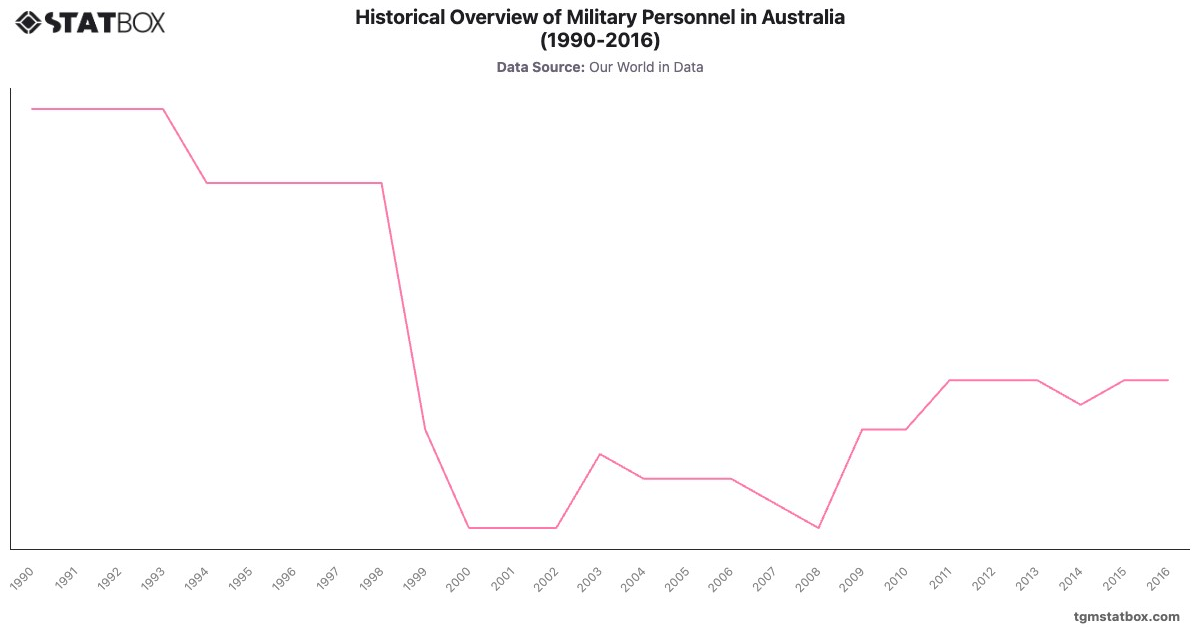
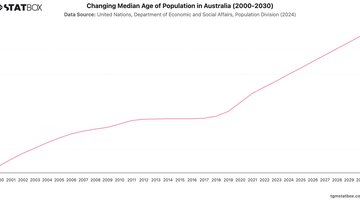
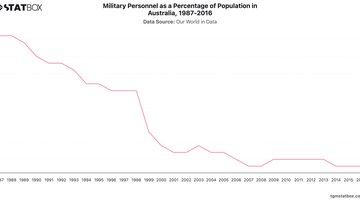
Discover additional trends and data on Australia’s shifting median age, Australia's fertility rate, military personnel as a share of population in Australia.