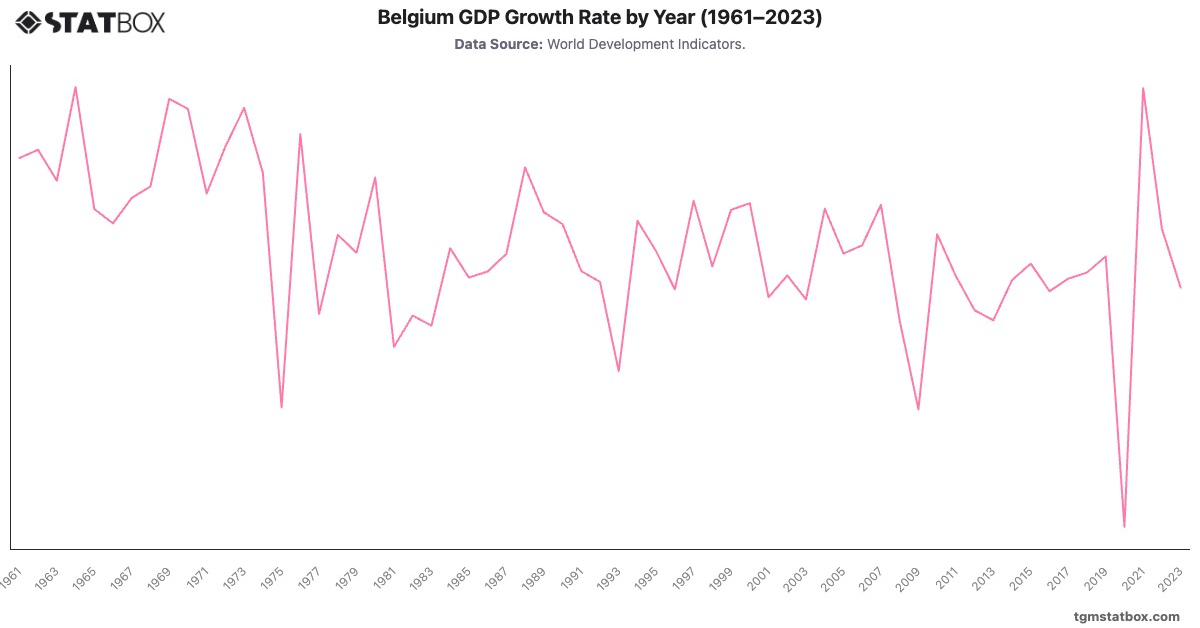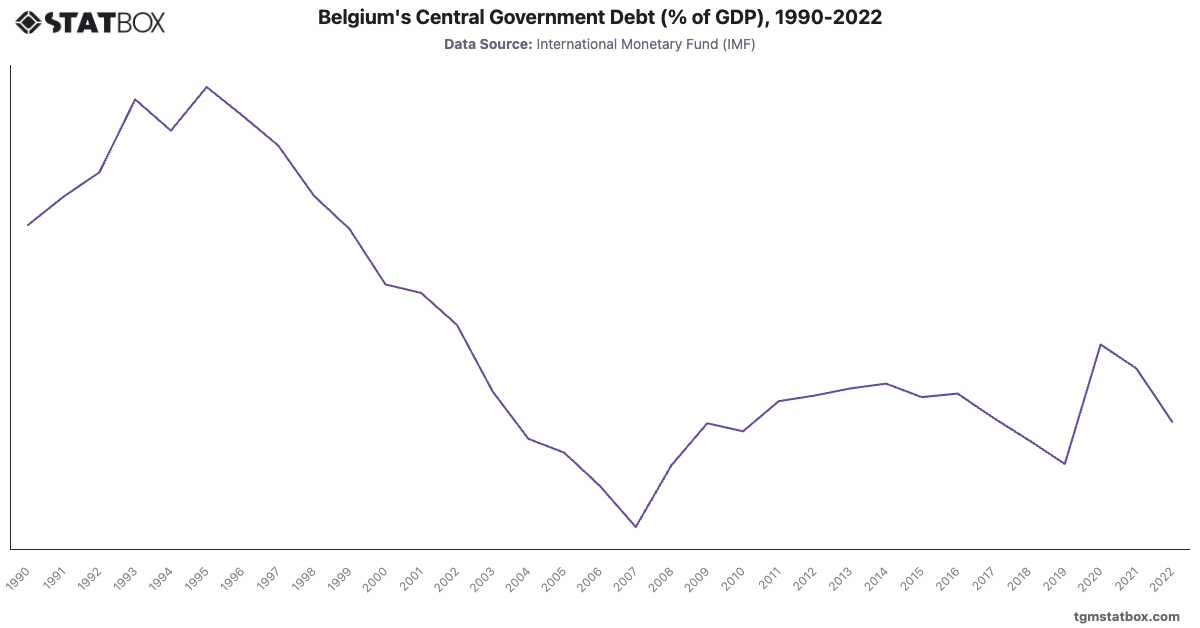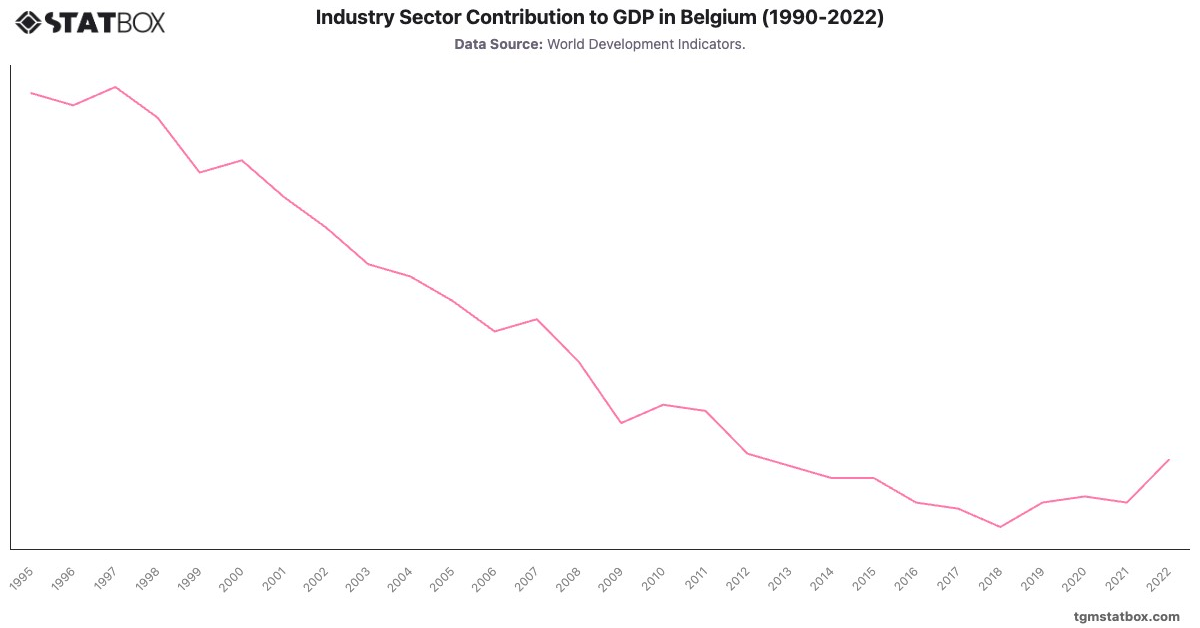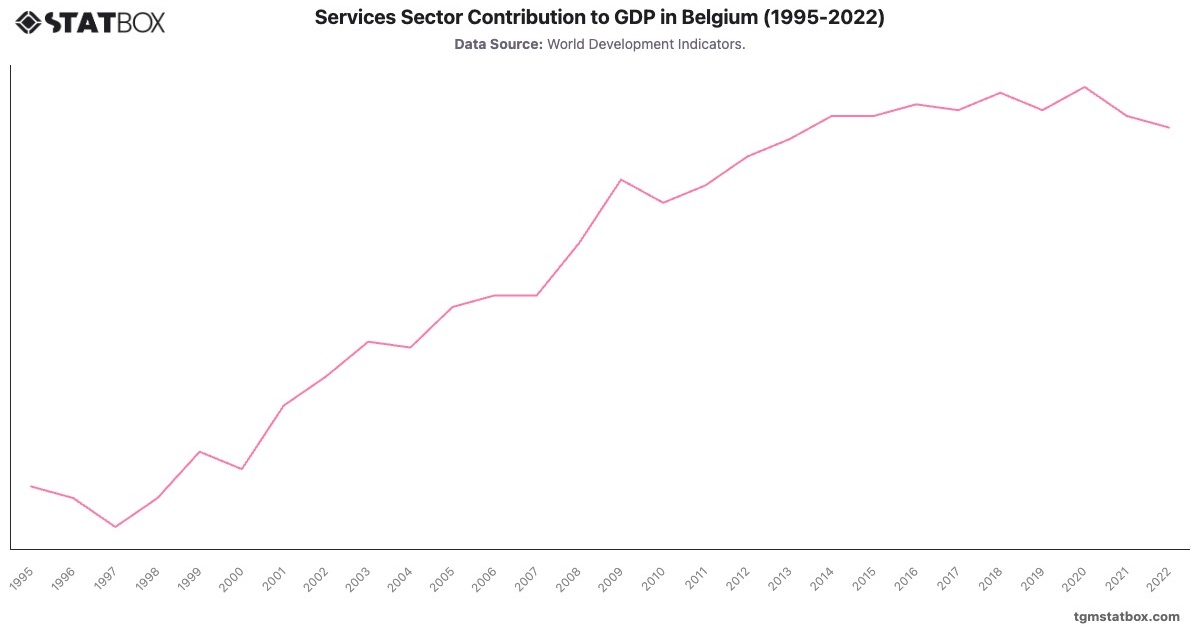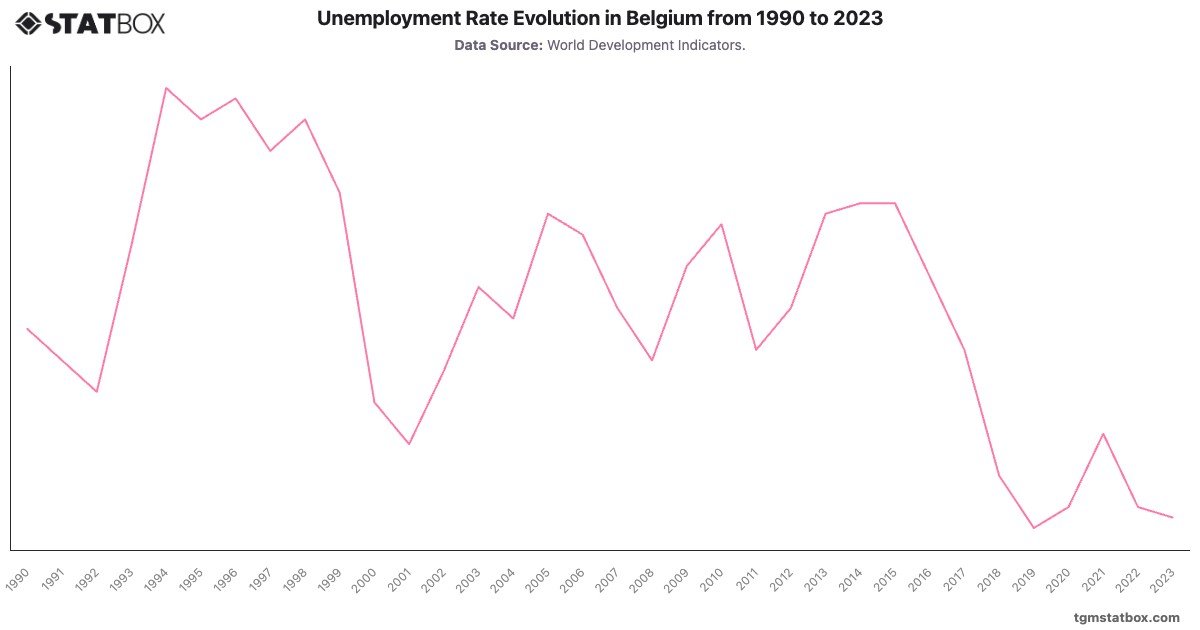
Belgium’s unemployment rate over the years mirrors its economic resilience amid periods of both growth and recession. The early 1990s saw fluctuations, with unemployment rates initially around and climbing to by 1994 due to structural adjustments. This was followed by a period of economic reforms aimed at curbing unemployment, leading to a gradual decline to by 2000.
Following the global financial crisis in 2008, Belgium's unemployment rate saw another increase, peaking at in the mid-2010s. However, Belgium managed to recover moderately, and by 2018, unemployment fell to . The pandemic in 2020 drove up unemployment again to , showing the impact of global disruption on Belgium's workforce. However, consistent efforts have brought the rate down to by 2023.
Following the global financial crisis in 2008, Belgium's unemployment rate saw another increase, peaking at in the mid-2010s. However, Belgium managed to recover moderately, and by 2018, unemployment fell to . The pandemic in 2020 drove up unemployment again to , showing the impact of global disruption on Belgium's workforce. However, consistent efforts have brought the rate down to by 2023.
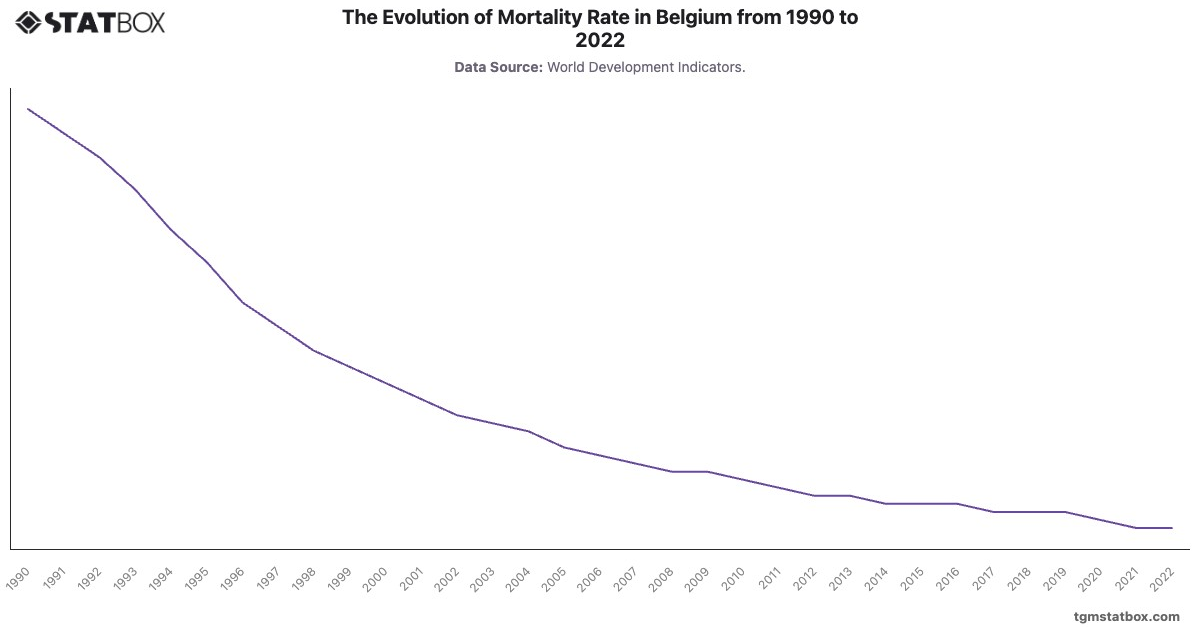
For a broader context, visit other statistics on Belgium’s working-age population share, Belgium’s mortality rate changes, Belgium’s mortality rate.