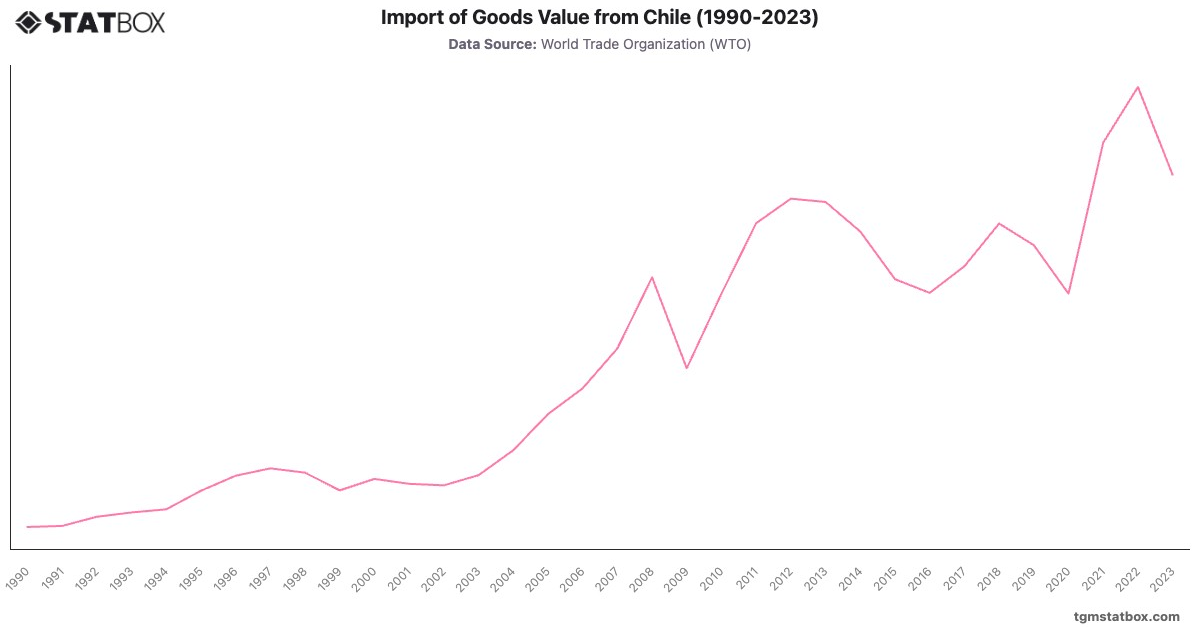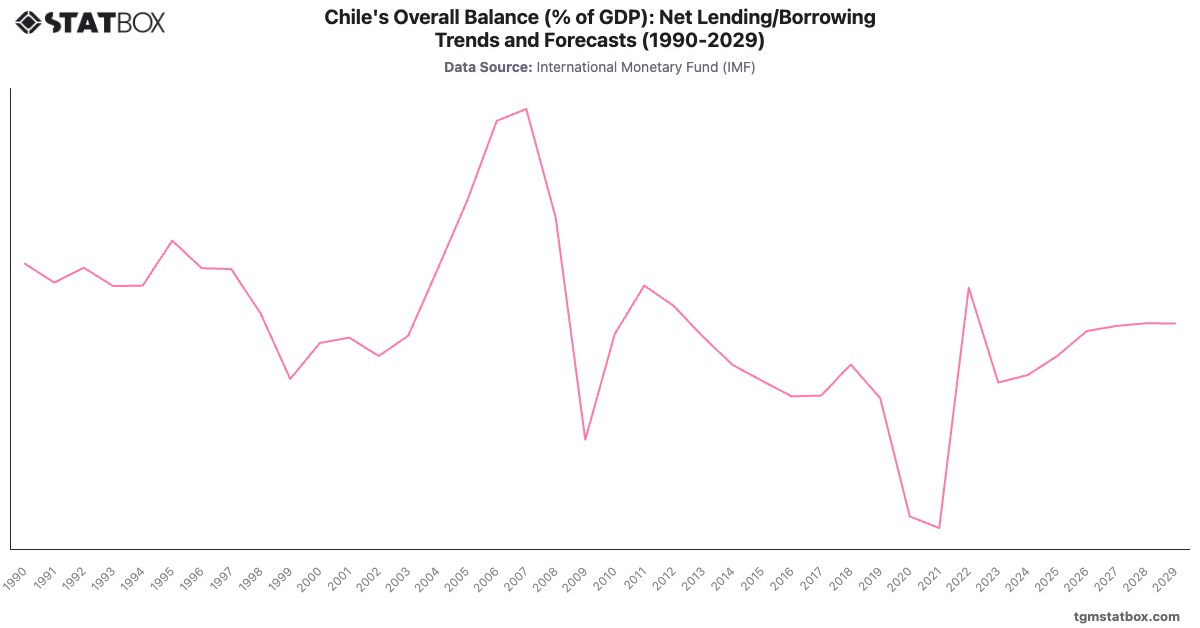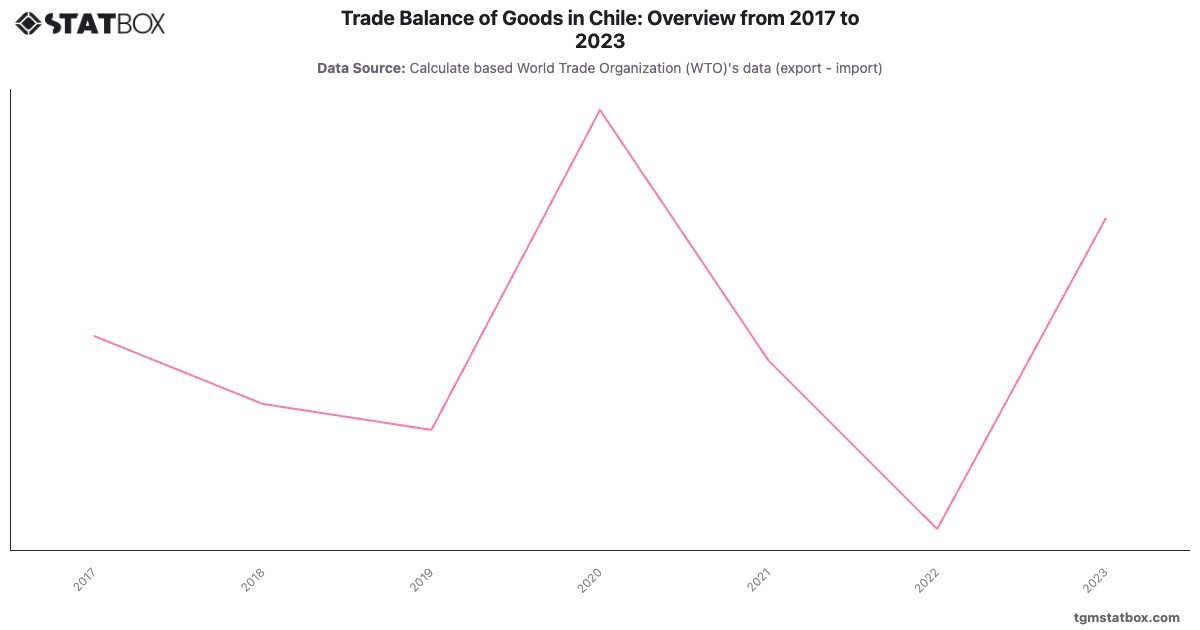
Chile’s trade balance showed considerable volatility, moving from a surplus of 3,592.9 million USD in 2017 to a deficit of -5,980.0 million USD in 2022, before rebounding strongly to a surplus of 9,431.0 million USD in 2023. The swings reflect Chile’s reliance on copper exports, which are subject to global demand and price fluctuations.
The significant surplus in 2020 (14,816.0 million USD) was driven by heightened demand for copper and other commodities, while the 2022 deficit reflects a combination of declining copper prices and increased import costs for energy and consumer goods. The 2023 recovery aligns with higher commodity prices and increased mining production, underscoring Chile’s position as a resource-dependent economy vulnerable to external shocks.
The significant surplus in 2020 (14,816.0 million USD) was driven by heightened demand for copper and other commodities, while the 2022 deficit reflects a combination of declining copper prices and increased import costs for energy and consumer goods. The 2023 recovery aligns with higher commodity prices and increased mining production, underscoring Chile’s position as a resource-dependent economy vulnerable to external shocks.
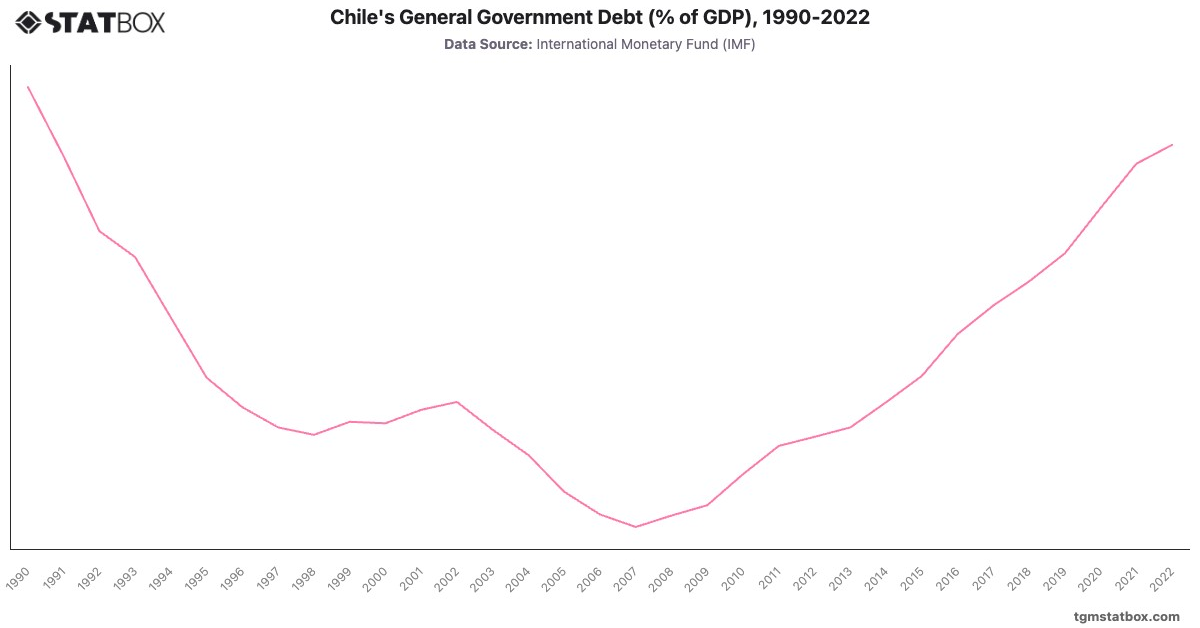
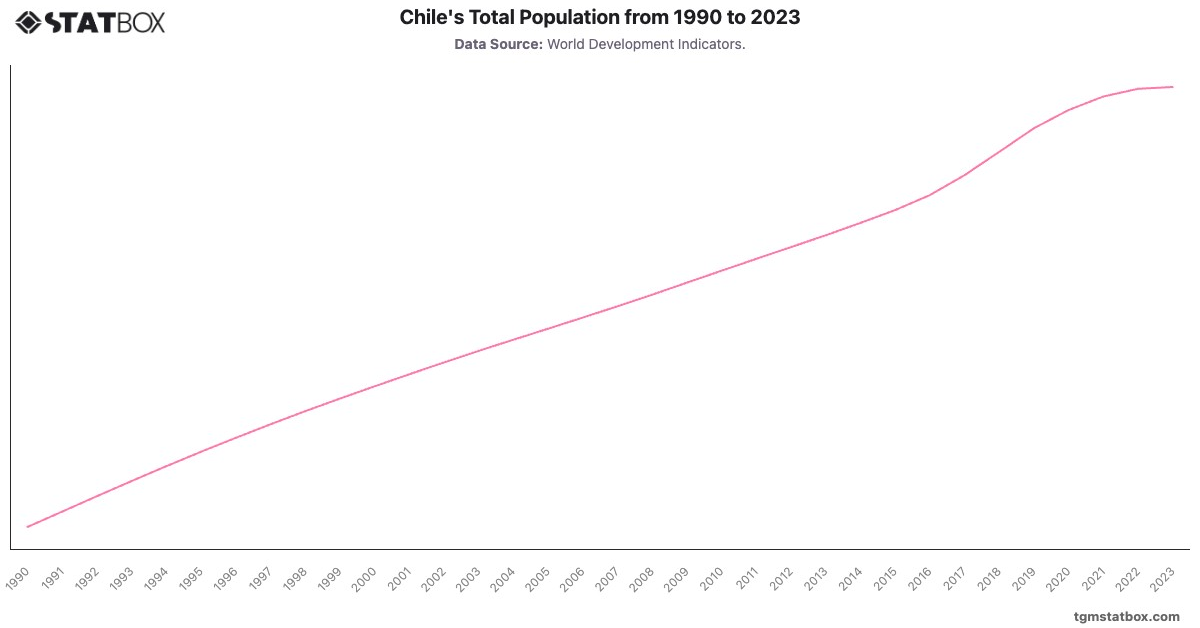
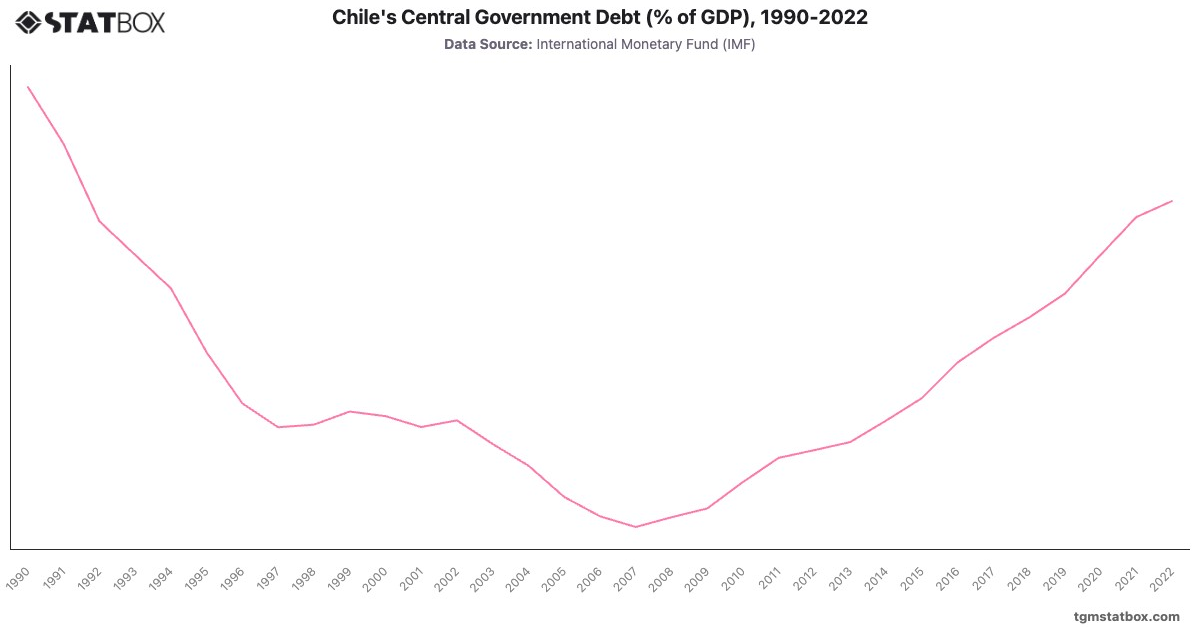
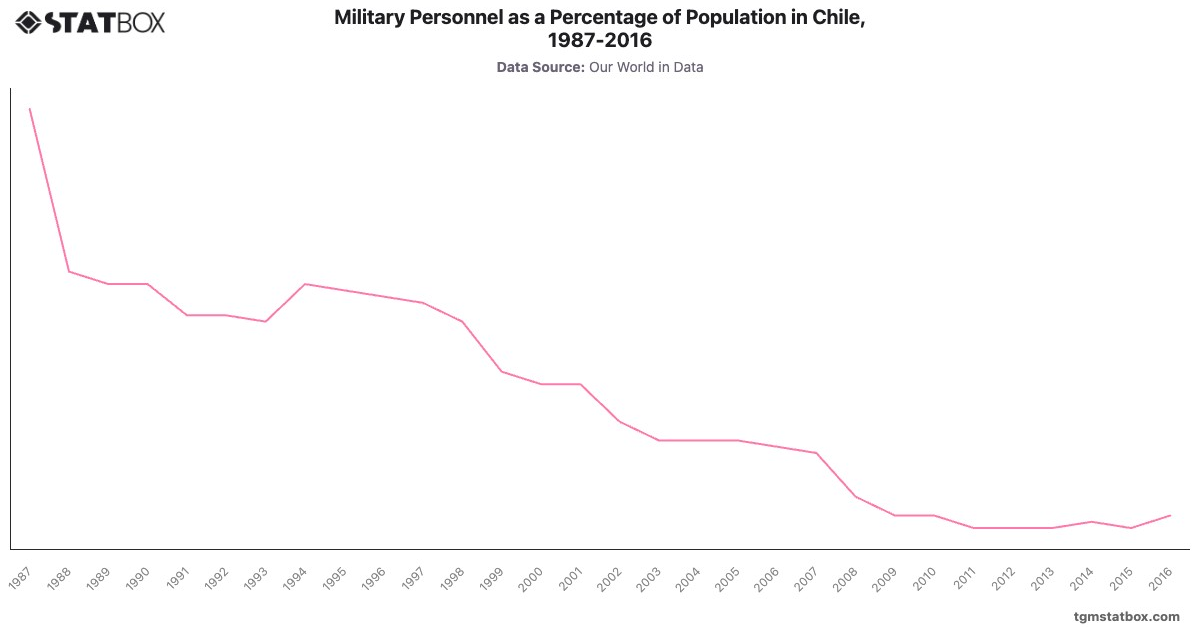
Explore related charts to gain a better understanding of Chile’s population total, Chile’s military personnel proportion, Chile’s government debt ratio.