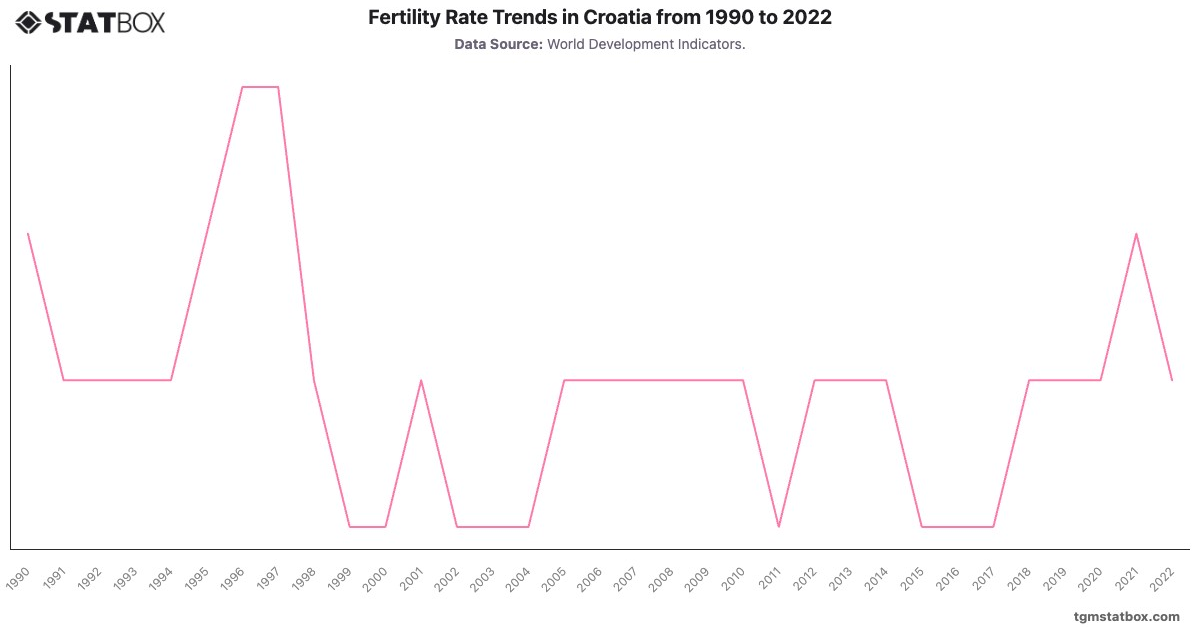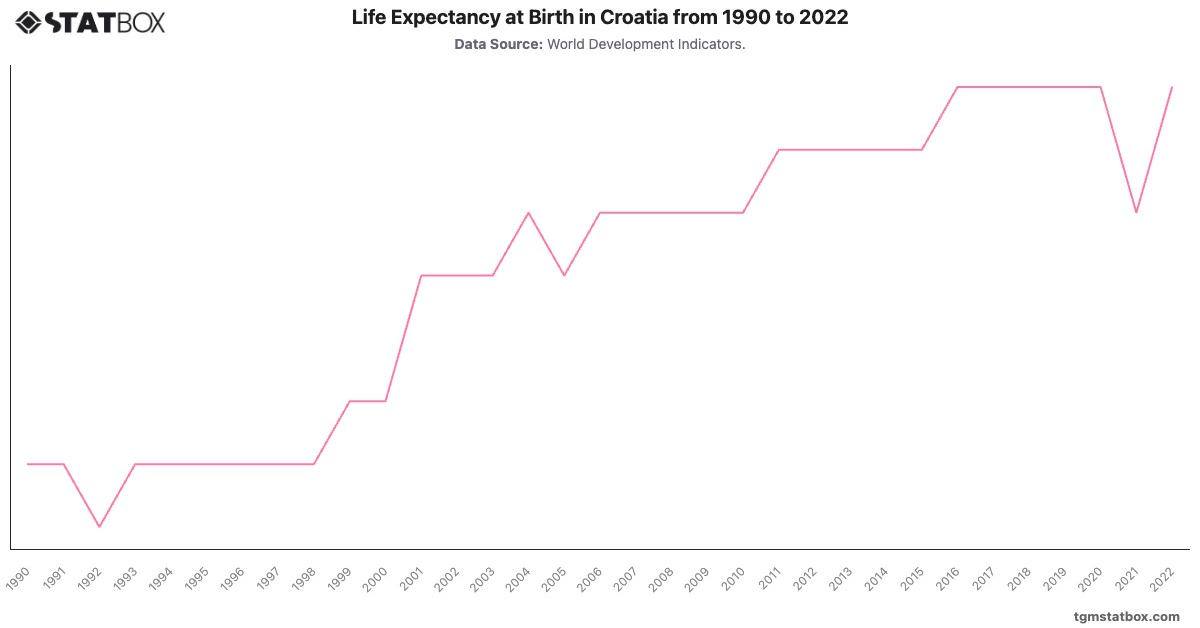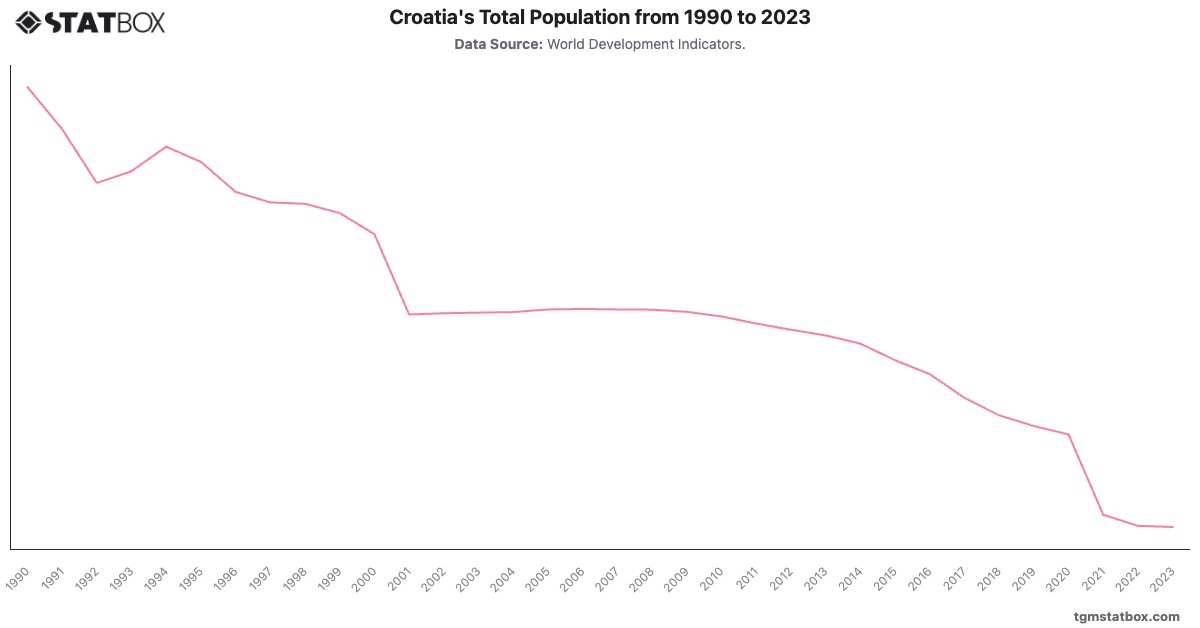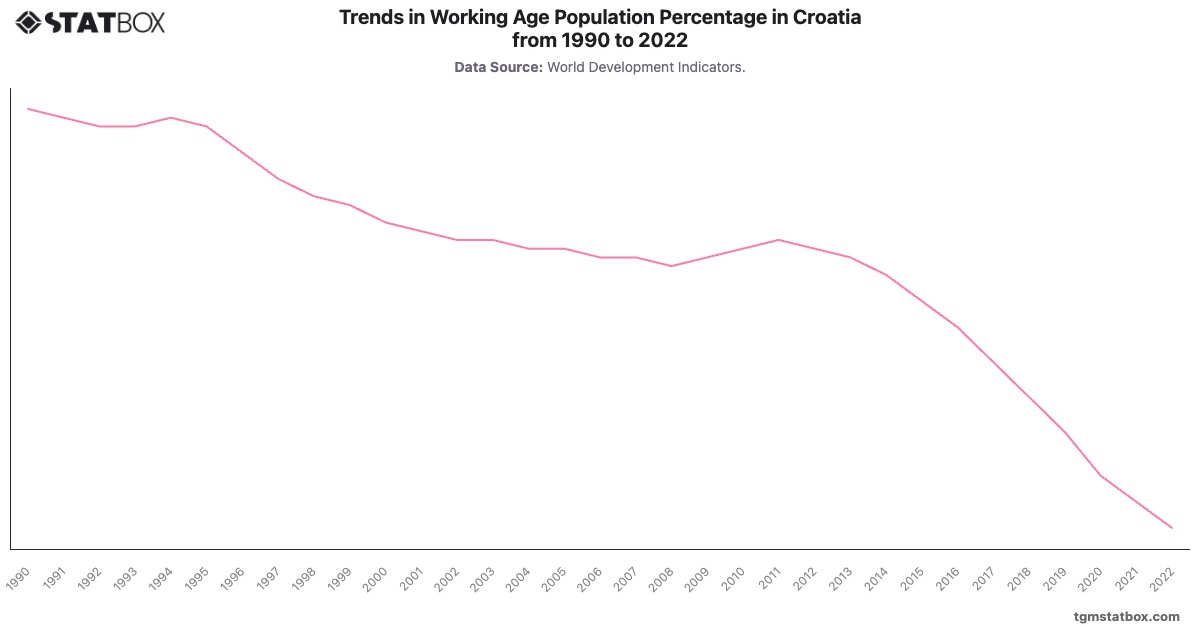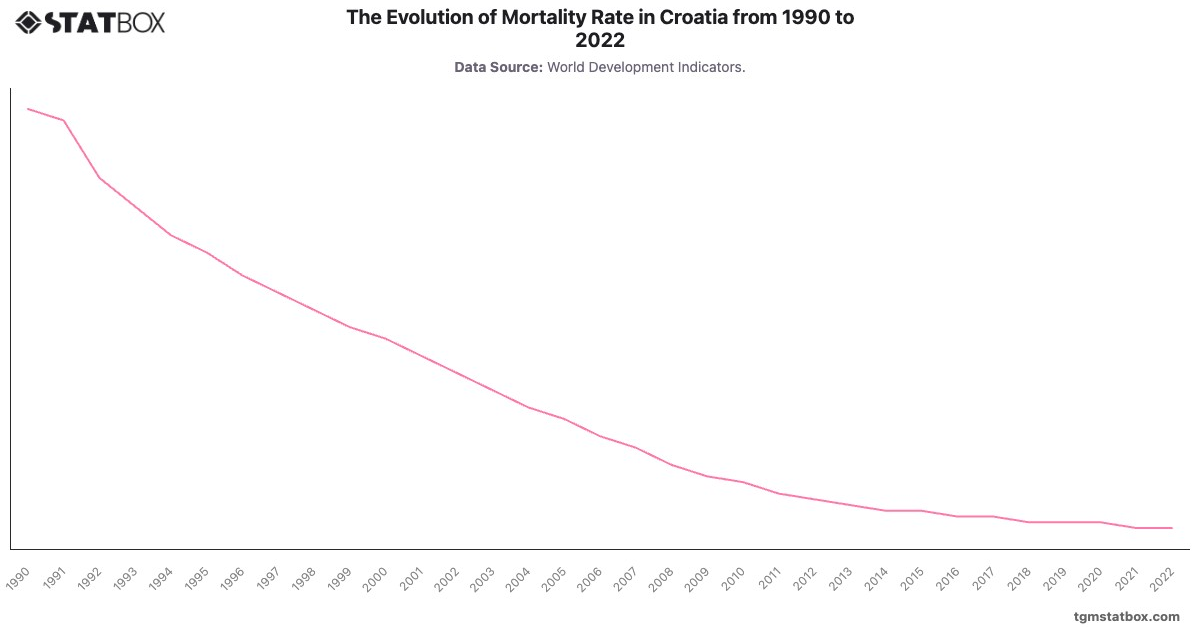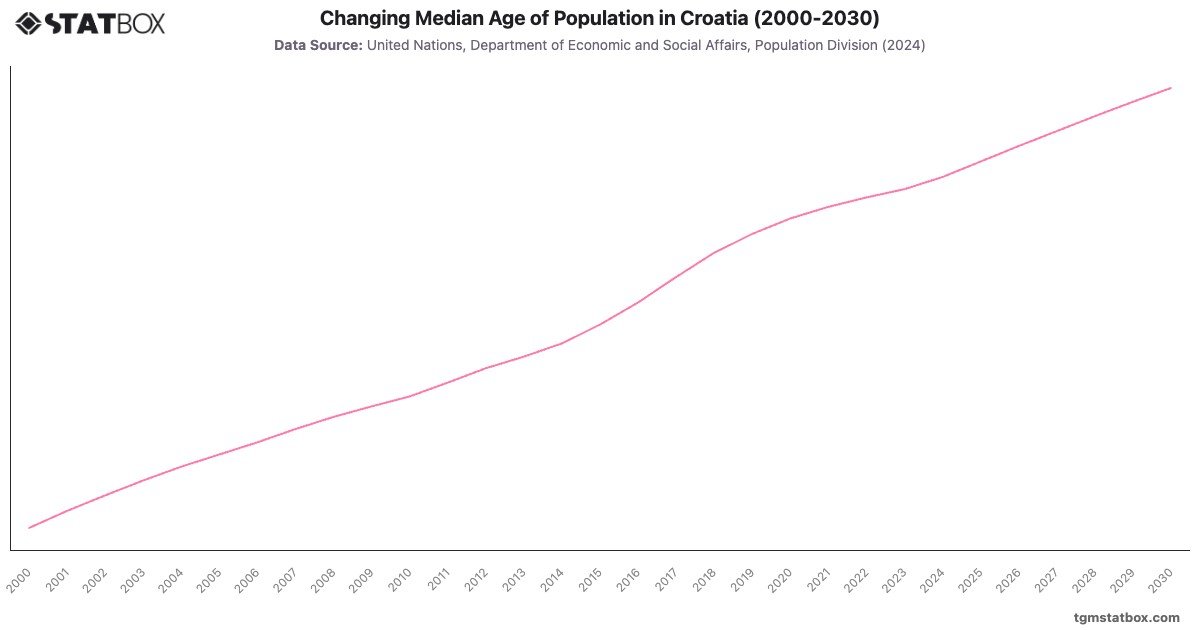
Croatia has experienced a significant rise in median age, starting at 38.6 years in 2000 and projected to reach 46.6 years by 2030. Croatia's demographic shift is driven largely by low birth rates and a high life expectancy, trends that began in the early 2000s amid growing urbanization and improved healthcare access. The median age reached 41 by 2010, reflecting the impact of urban migration and declining fertility rates. As more Croatians migrated to urban centers, family structures changed, with urban dwellers generally having fewer children due to lifestyle and economic constraints.
By 2023, the median age rose to 44.8, and the trend shows no signs of slowing. The anticipated increase to over 46 years by 2030 signals an increasingly aging population, which could strain social services and the labor force. Croatia’s demographic trends highlight an advanced aging phase, a result of sustained urbanization, economic migration patterns, and healthcare advancements that have shaped the country’s demographic landscape.
By 2023, the median age rose to 44.8, and the trend shows no signs of slowing. The anticipated increase to over 46 years by 2030 signals an increasingly aging population, which could strain social services and the labor force. Croatia’s demographic trends highlight an advanced aging phase, a result of sustained urbanization, economic migration patterns, and healthcare advancements that have shaped the country’s demographic landscape.
Find out more through related statistics on Croatia’s birth longevity rate, rise in urbanization in croatia, Croatia’s population count.