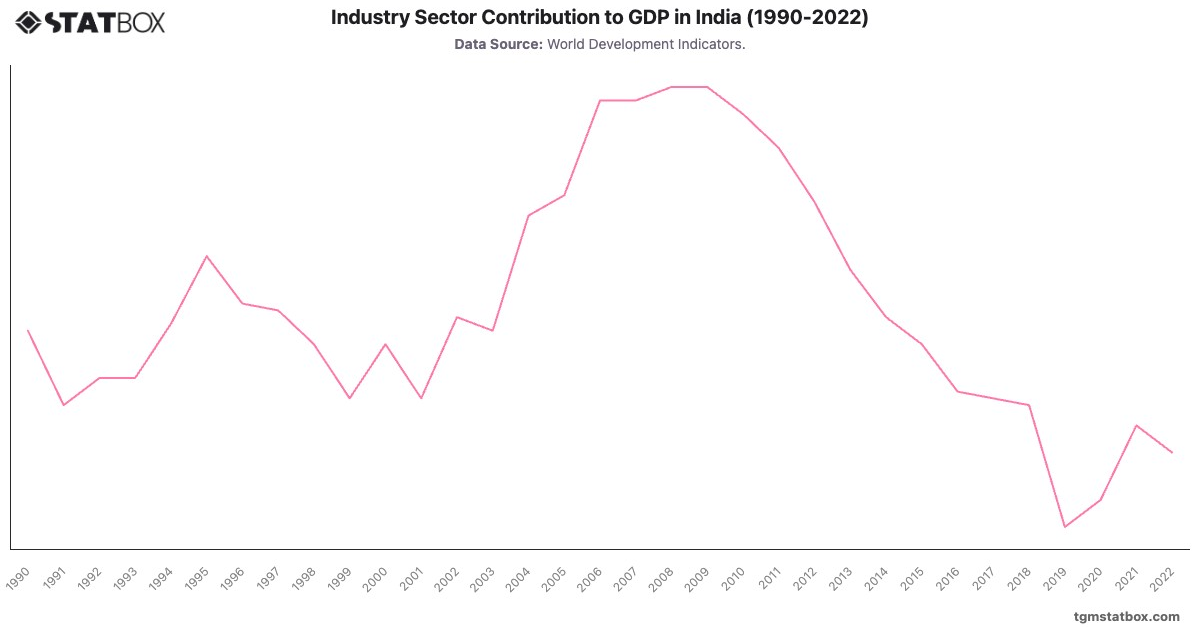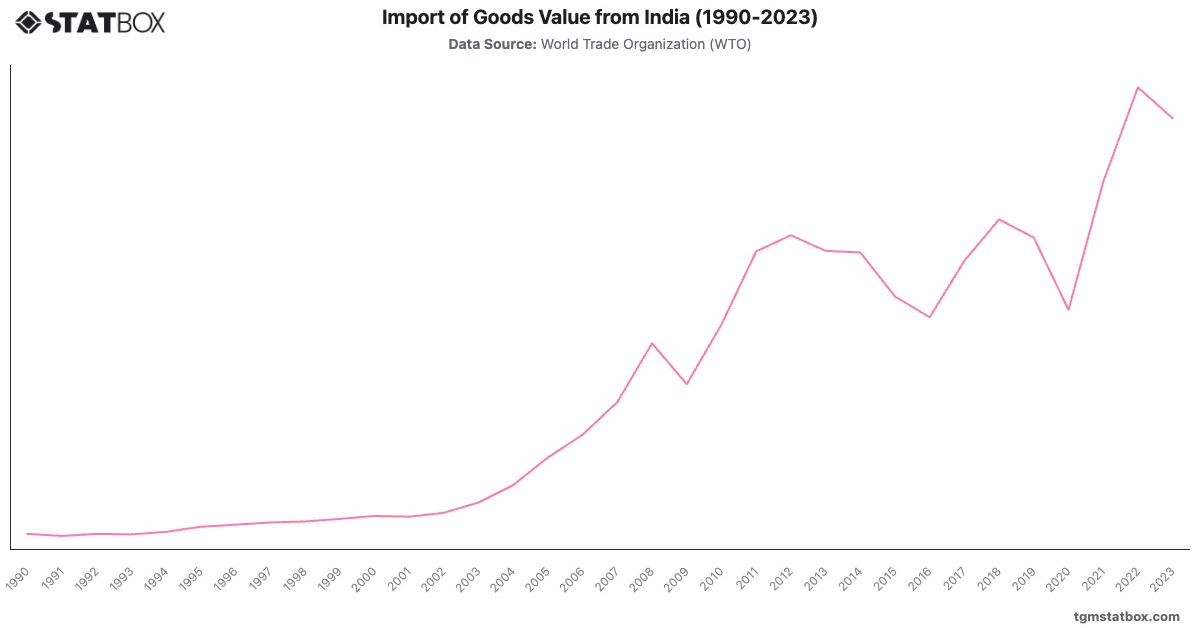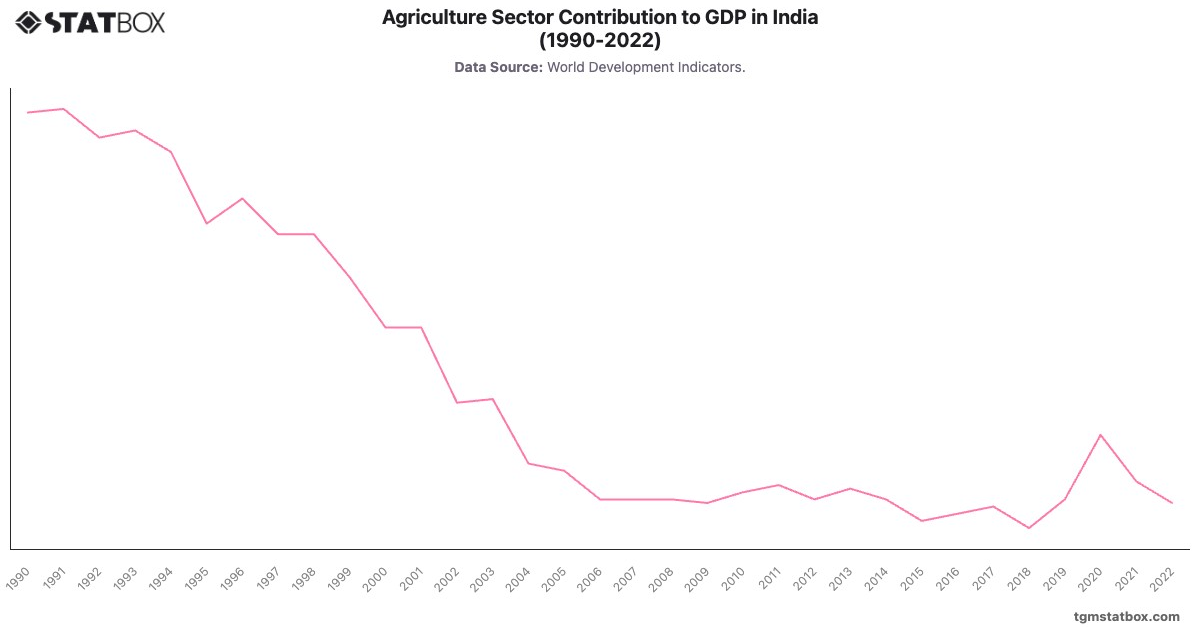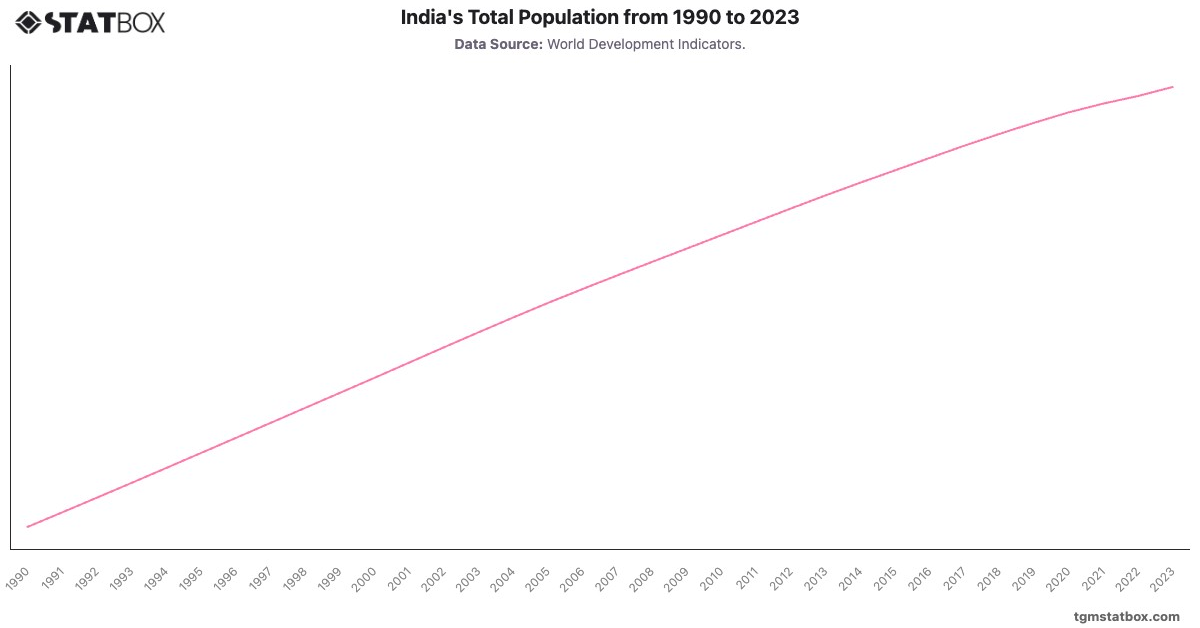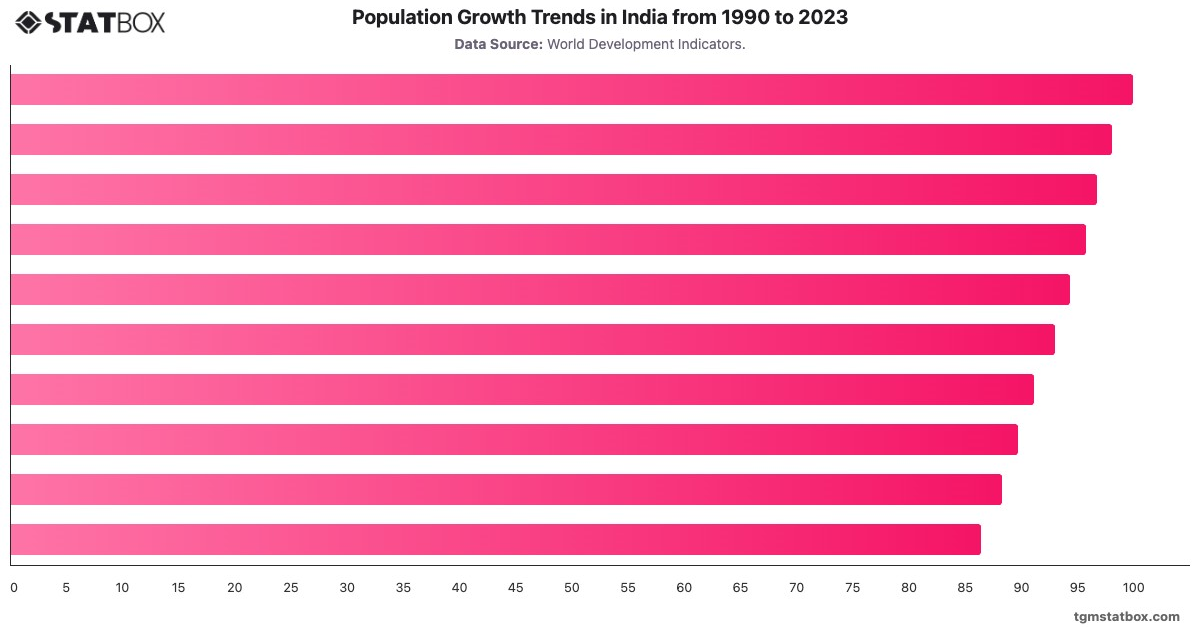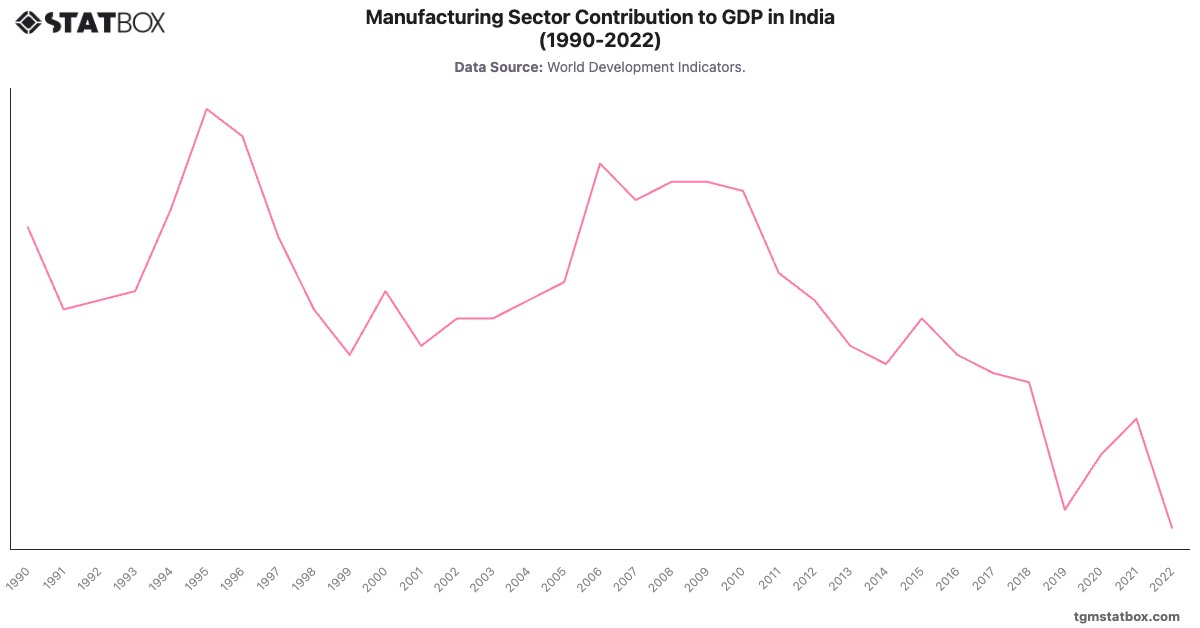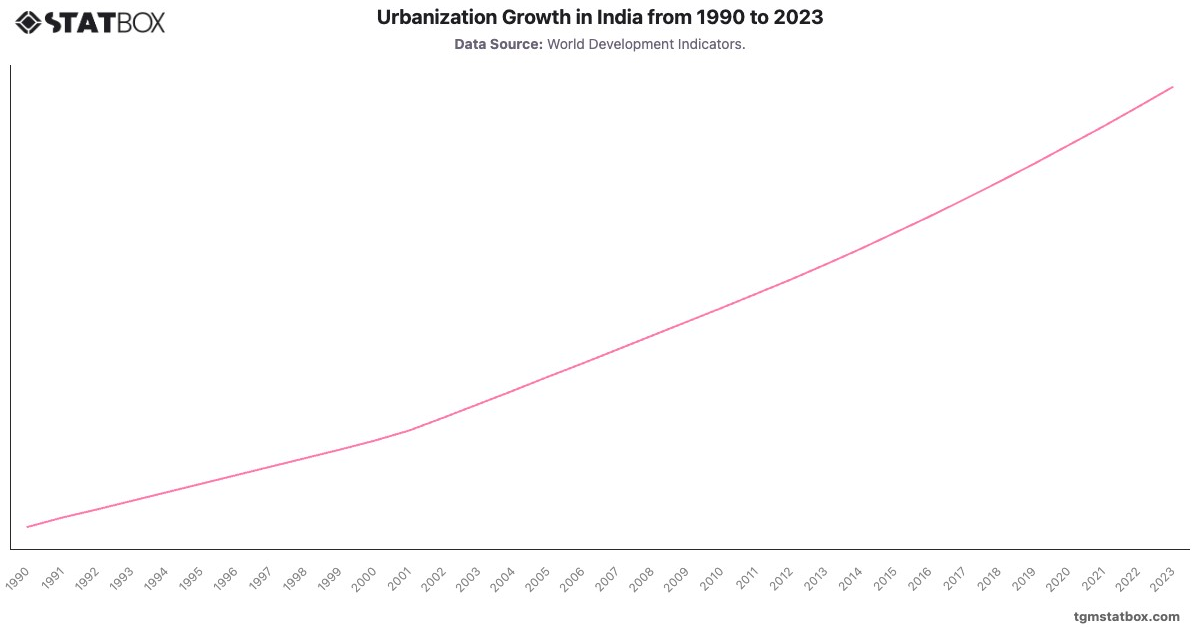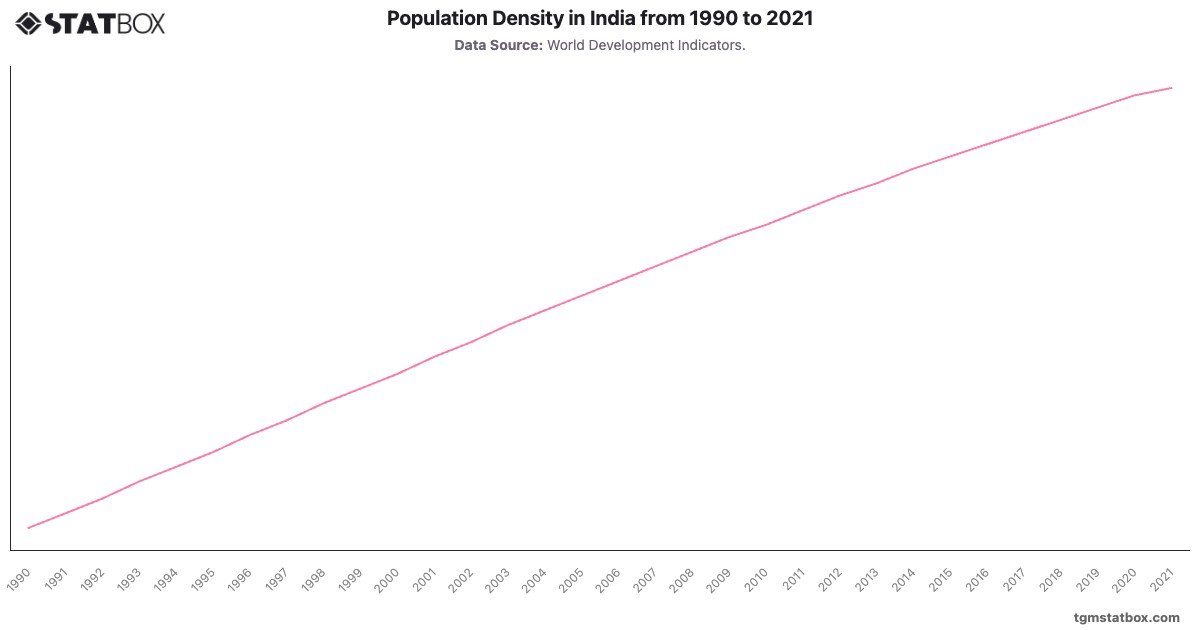
India’s population density rose sharply from 293 people per square kilometer in 1990 to 473 in 2021, a significant increase reflecting rapid urbanization and population growth. With cities like Mumbai, Delhi, and Bangalore expanding rapidly, the density increase aligns with India’s booming economy, which attracted a large workforce to urban areas. The early 2000s show a notable rise, as both migration and natural growth in densely populated regions fueled this upward trend.
Since 2010, density growth has continued, influenced by India’s young demographic and ongoing rural-to-urban migration. Despite policies promoting urban-rural balance, the demand for jobs and better living conditions in cities has kept urban density high. By 2021, India's population density reflects one of the world’s highest, underscoring challenges in urban infrastructure and housing to accommodate continued growth in metropolitan regions.
Since 2010, density growth has continued, influenced by India’s young demographic and ongoing rural-to-urban migration. Despite policies promoting urban-rural balance, the demand for jobs and better living conditions in cities has kept urban density high. By 2021, India's population density reflects one of the world’s highest, underscoring challenges in urban infrastructure and housing to accommodate continued growth in metropolitan regions.
For additional information, visit statistics on India’s urbanization rate, India’s working-age population share, India’s population median age.